
Sauces & Condiments
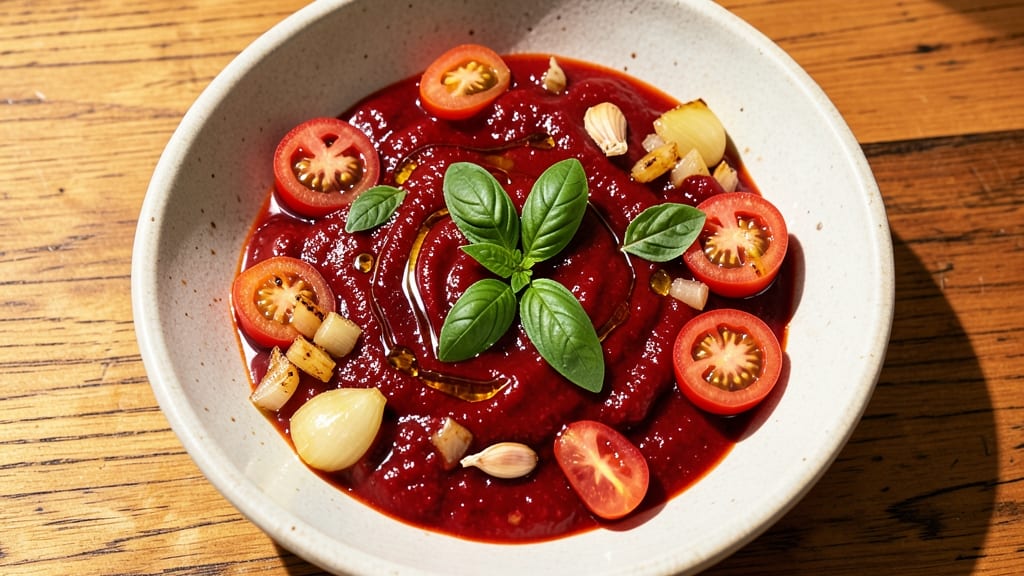
This recipe for pizza sauce from fresh tomatoes transforms garden-fresh or market tomatoes into a vibrant, sun-ripened sauce that tastes like summer in every bite. 🌞 The secret lies in balancing natural sweetness with bright acidity—no canned tomatoes or preservatives here.
I developed this version after years of testing, and it delivers restaurant-quality flavor in just 25 minutes with minimal effort.
What sets this sauce apart is its versatility—use it on homemade pizza, toss it with pasta, or serve it as a dip for garlic bread.
The process is simple: simmer fresh tomatoes with aromatics until they break down into a rich, velvety sauce, then finish with a touch of garlic and basil for depth. No blender required, just a pot and a wooden spoon.
The result is a sauce that’s perfectly balanced—sweet from the tomatoes, tangy from the vinegar, and rich from the olive oil. It thickens naturally as it cooks, creating that ideal consistency for pizza without needing thickeners.
The aroma alone will have everyone asking what you’re making, and the taste will make them want to eat it straight from the spoon.
Best of all, this sauce keeps beautifully in the refrigerator for up to a week, so you can make a big batch and use it all week.
Whether you’re prepping for a pizza night or just want to elevate your weeknight meals, this fresh tomato sauce is the foundation you’ll reach for again and again.
Ingredients for recipe for pizza sauce from fresh tomatoes
Eight simple ingredients transform fresh tomatoes into restaurant-quality pizza sauce.
| Ingredient | Amount | Notes |
|---|---|---|
| Fresh Tomatoes 🍅 | 2 lb | Ripe, vine-ripened preferred |
| Extra-Virgin Olive Oil 🫒 | ½ cup | High-quality, fruity variety |
| Yellow Onion 🧅 | 1 whole | Medium size, finely chopped |
| Garlic Cloves 🧄 | 4 cloves | Fresh, minced or pressed |
| White Vinegar 💧 | 1 tbsp | For brightness and balance |
| Fresh Basil Leaves 🌿 | ½ cup | Packed, stems removed |
| Salt 🧂 | 1 tsp | Kosher or sea salt |
| Black Pepper 🌶️ | ½ tsp | Freshly ground preferred |
| Granulated Sugar 🍚 | 1 tbsp | Balances acidity naturally |
| Red Pepper Flakes 🌶️ | ½ tsp | Optional, for subtle heat |
The tomatoes are everything here—vine-ripened with just a few bruises means maximum sweetness. Farmers markets or your own garden are ideal, but grocery store tomatoes work too (just pick the ripest ones). I always grab extra because nothing beats the flavor of fresh. The olive oil should be fruity and peppery—California Early Harvest or Colavita are my go-tos. If you're using heirloom tomatoes, you might want to peel them first (just blanch and shock), but regular slicing tomatoes are perfect as-is—just crush them with your hands for better texture.
No fresh basil? Dried basil at one-third the amount works in a pinch, but fresh is worth hunting down. Short on vinegar? Lemon juice at half the amount gives a slightly different tang. The sugar might seem odd, but it's essential—it rounds out the acidity from the tomatoes and vinegar. Want more depth? A pinch of oregano or thyme adds amazing complexity. And if you're feeling fancy, a splash of red wine (about 2 tbsp) while simmering adds incredible richness. The red pepper flakes are totally optional, but they give that classic pizza sauce kick without overpowering.
This sauce tastes even better the next day as the flavors meld. Store it in an airtight container in the fridge for up to 1 week, or freeze portions for up to 3 months. I always make a double batch—half for pizza night, half for pasta or dipping. The sauce thickens as it cools, so you can thin it with a splash of water or olive oil if needed. And if you make extra? Freeze in ice cube trays for perfect single-use portions.
Why You'll Love This Recipe
- This sauce is my budget hack: a single batch stretches across three pizzas, a pasta night, and even a bruschetta platter. Freeze half for when you’re too tired to shop, and the flavor? Still spot-on weeks later.
- No-Fuss Freshness: I swear by this sauce because it uses what’s already in my garden—or the farmers' market. Slice those tomatoes, toss in a few minced garlic cloves and a splash of vinegar, then let time do the work. No blenders, no fancy techniques—just a bowl and 20 minutes of hands-off magic.
- Garlic-Kissed Depth: That first bite? The olive oil’s richness meets the vinegar’s tang, then the slow-simmered tomatoes caramelize into something ridiculously good. Honestly, the garlic doesn’t overpower—it just lingers like a warm hug in every spoonful.
- Pantry Stretch: This sauce is my budget hack: a single batch stretches across three pizzas, a pasta night, and even a bruschetta platter. Freeze half for when you’re too tired to shop, and the flavor? Still spot-on weeks later.
Step-by-step instructions for sun-ripened pizza sauce from fresh tomatoes
Here's how to transform garden-fresh tomatoes into rich, vibrant pizza sauce in less time than it takes to bake a pie.
🍳 Step 1: Roast the Tomatoes for Deep Flavor
Preheat your oven to 425°F and line a baking sheet with parchment paper. Cut the 2 lb fresh tomatoes into ½-inch chunks, removing any hard cores. Spread them in a single layer on the prepared sheet, leaving space between pieces.
Drizzle the tomatoes with 2 tablespoons of the ½ cup extra-virgin olive oil and sprinkle with ½ teaspoon of salt. Roast for 20-25 minutes until the edges are deeply blistered and golden, and the tomatoes have collapsed slightly. This step develops their natural sweetness and intensifies their flavor—don't skip it! The roasted tomatoes will be your sauce's foundation.
👨🍳 Step 2: Sauté Aromatics Until Fragrant
While the tomatoes roast, heat a large saucepan over medium heat. Add the ½ cup extra-virgin olive oil remaining and let it warm for 1 minute until shimmering. Add the 1 whole yellow onion, finely chopped, and cook for 5-6 minutes until soft and translucent.
Reduce heat to medium-low and add the 4 cloves garlic cloves, minced. Stir for 30 seconds until fragrant—you'll smell that irresistible garlic aroma. Here's the thing: don't let the garlic brown or it'll turn bitter. Add the 1 tablespoon white vinegar and 1 tablespoon granulated sugar next, stirring to combine. The vinegar brightens while the sugar balances the tomatoes' acidity naturally.
🥘 Step 3: Blend Until Silky Smooth
Transfer the roasted tomatoes to the saucepan with the aromatics, using a spatula to scrape up any browned bits from the bottom. Add the ½ cup fresh basil leaves and ½ teaspoon red pepper flakes (if using). Bring to a gentle simmer over medium heat for 5 minutes, stirring occasionally.
Use an immersion blender to purée the mixture directly in the pot until completely smooth. If you prefer using a countertop blender, let the sauce cool slightly first. The sauce should be velvety—if it's too thick, add 2-3 tablespoons water and blend again. Taste and adjust seasoning with the ½ teaspoon black pepper and additional salt if needed. Here's where it gets fun: the sauce should taste vibrant and balanced, with bright tomato flavor and just a touch of sweetness.
⏰ Step 4: Simmer and Finish
Return the sauce to medium-low heat and let it simmer gently for 10-12 minutes, stirring occasionally. This slow simmer deepens the flavors and thickens the sauce slightly. You're looking for a consistency that coats the back of a spoon but isn't gluey.
Taste again and make any final adjustments—perhaps a pinch more salt or a splash of vinegar for brightness. The sauce should be rich, slightly sweet, and perfectly balanced. Let it cool to room temperature before using on pizza. The flavors will continue developing as it sits, making it even more delicious when you're ready to spread it on your dough.
Pro Tips For Making Recipe For Pizza Sauce From Fresh Tomatoes
- Sear the Onion Low and Slow: I used to rush this step and end up with bitter, caramelized bits that ruined the sauce. Instead, cook the diced onion over medium-low heat for 8-10 minutes—just until it’s translucent and soft. Higher heat makes it turn to mush or burn, and neither flavor works in pizza sauce.
- Blanch Tomatoes First: Drop whole tomatoes into boiling water for 30 seconds to loosen skins, then ice bath them. Peeling becomes effortless, and you’ll avoid the bitter, seedy pulp that sneaks into your sauce. (Yes, even if you’re impatient like me.)
- Crush Garlic, Don’t Mince: After sautéing, smash the garlic cloves with the flat of your knife instead of mincing them. The released oils infuse the sauce more deeply, and you skip the risk of burning—something that’s happened to me more times than I’ll admit.
- Simmer Until Thick, Not Dry: After adding vinegar and simmering, stir frequently and pull the pot off heat when the sauce coats the back of a spoon but still looks glossy. Let it rest 5 minutes—this prevents a skin from forming and ensures it’s spreadable, not gluey. (Your future self will thank you.)
Creative variations of this dish
Southern-Style BBQ Twist
Swap the basil for ½ cup chopped fresh cilantro and add 1 teaspoon smoked paprika while simmering. Finish with 1 tablespoon apple cider vinegar instead of white vinegar for that tangy BBQ sauce vibe.
This version works perfectly on pulled pork sandwiches or as a dipping sauce for fried chicken. I first tried this after a trip to Nashville, and it became an instant family favorite. 🌶️
Herb-Infused Variations
For a rosemary-garlic version, add 1 sprig fresh rosemary (removed after simmering) and double the garlic to 8 cloves. For a sun-dried tomato twist, blend in ¼ cup chopped sun-dried tomatoes with the fresh ones.
These herb combinations take your pizza sauce to gourmet territory while keeping prep simple. David always requests the rosemary version for his homemade focaccia.
Spicy & Sweet Fusion
Add 1 teaspoon honey and ½ teaspoon cayenne pepper to the simmering sauce for a sweet-spicy kick. This works amazingly on spicy chicken pizza or as a dipping sauce for mozzarella sticks.
I developed this variation after Emma's friend requested something "spicy but not too hot." The honey balances the cayenne beautifully while keeping the tomato flavor dominant.
White Pizza Adaptation
Skip the tomatoes entirely and base your sauce on ½ cup heavy cream or ricotta cheese instead. Sauté 2 tbsp butter with the onions and garlic, then stir in 1 cup grated Parmesan and ½ cup heavy cream.
Finish with ½ cup fresh basil and a pinch of nutmeg. This creamy version is perfect for white pizza or as a pasta sauce—it's like a cross between Alfredo and pizza sauce.
Seasonal Tomato Swaps
In summer, use heirloom tomatoes for complex flavors. In winter, try San Marzano canned tomatoes (peeled and crushed) with 1 teaspoon dried oregano and ½ teaspoon fennel seeds for a wintery twist.
The fennel adds an anise-like depth that pairs perfectly with sausage pizza. I always make this version during holiday baking marathons.
Global Flavor Journeys
For an Italian-inspired version, add ½ teaspoon dried oregano and ¼ teaspoon red pepper flakes. For a Mexican-inspired twist, stir in 1 teaspoon cumin and ½ teaspoon chili powder while simmering.
These global variations let you turn one simple base sauce into a world tour of flavors—perfect for international potlucks or themed dinner nights. 🗺️
Nutrition facts
Frequently asked questions
Can I use green or underripe tomatoes for this sauce?
I don't recommend it! Underripe tomatoes lack natural sweetness and can make your sauce taste sour or bland. For best results, use fully ripe tomatoes with just a few bruises—they'll give you that perfect balance of sweetness and acidity. If you must use slightly green tomatoes, roast them longer (up to 30 minutes) to develop their flavor.
How do I adjust the thickness of the sauce?
If your sauce is too thick after simmering, thin it with 1 tablespoon water or olive oil at a time until you reach the desired consistency. For a thicker sauce, simmer uncovered for an extra 5-10 minutes—this helps evaporate excess moisture naturally. The ideal pizza sauce should coat the back of a spoon but still be spreadable.
Can I make this sauce without roasting the tomatoes?
Yes, but the flavor won't be as deep. If you skip roasting, simply crush the tomatoes by hand and simmer them with the aromatics for 15-20 minutes instead of 5 minutes. The sauce will still work, though it'll lack that caramelized sweetness from roasting. For extra flavor, add 1 teaspoon tomato paste to compensate.
What's the best way to store leftover sauce?
Let the sauce cool completely, then transfer it to an airtight container. It'll keep in the refrigerator for up to 1 week—the flavors actually improve over time! For longer storage, freeze in ice cube trays or small containers for up to 3 months. Thaw overnight in the fridge before using. The sauce thickens when chilled, so stir it well before reheating.
Why does my sauce taste too acidic?
This usually happens when using overly tart tomatoes or too much vinegar. Balance it by adding 1 teaspoon sugar or ½ teaspoon honey to sweeten, or a pinch of salt to enhance flavor. For future batches, reduce the vinegar to ½ tablespoon if your tomatoes are particularly acidic. Also, let the sauce sit for 10 minutes after simmering—the acidity mellows as it cools.