
Sauces & Condiments
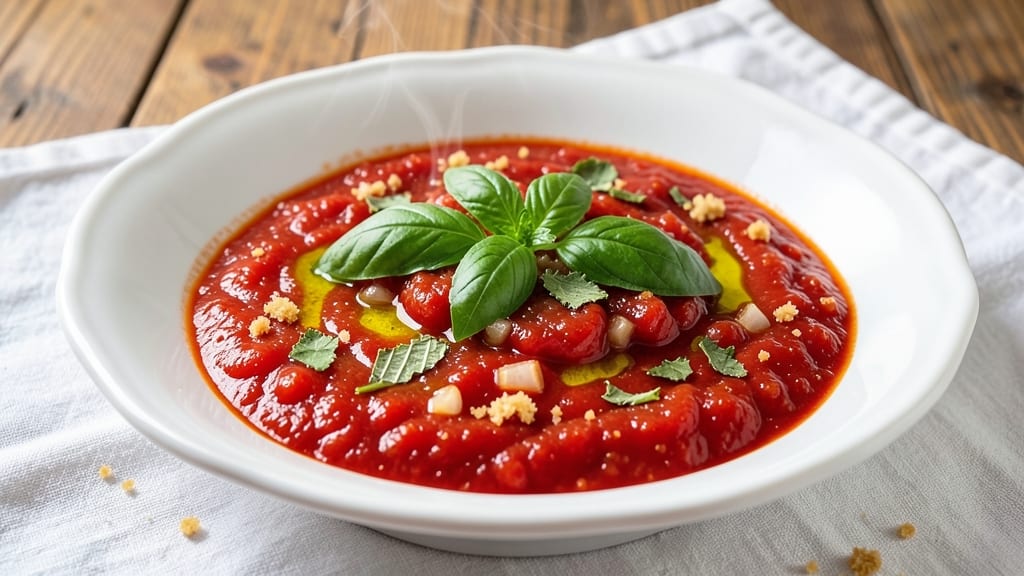
This basic Italian tomato sauce recipe transforms simple pantry staples into a rich, aromatic foundation for everything from pasta to pizza. The secret lies in slow simmering—letting flavors meld over time for that deep, complex taste that separates homemade from store-bought.
I've perfected this version to deliver authentic Italian flavor with minimal effort, using just canned tomatoes, garlic, olive oil, and fresh herbs.
What makes this sauce truly versatile is its foolproof technique: no special ingredients, no complicated steps. A simple blend of garlic, onion, and herbs forms the flavor base, while crushed tomatoes provide that classic Italian texture.
The key? Simmering uncovered for 30 minutes—this concentrates the flavors and develops that signature depth that takes most recipes hours to achieve.
By the time you're done, you'll have a velvety, well-balanced sauce that's neither too sweet nor too acidic—just right for tossing with al dente pasta, spreading on crusty bread, or using as a base for your favorite Italian dishes.
The best part? It keeps beautifully in the fridge for up to a week, so you can make a big batch and enjoy it all week long.
This isn't just a sauce—it's the foundation of Italian cooking. Whether you're making a quick weeknight dinner or prepping for a meal ahead, this recipe delivers restaurant-quality results with pantry staples. Let's get started with the ingredients you likely already have on hand.
Ingredients for basic italian tomato sauce
Pantry staples and fresh herbs create this restaurant-quality Italian sauce foundation.
| Ingredient | Amount | Notes |
|---|---|---|
| Extra-Virgin Olive Oil 🫒 | ½ cup | High quality, fruity variety preferred |
| Yellow Onion 🧅 | 1 whole | Medium size, finely chopped |
| Garlic Cloves 🧄 | 4 cloves | Fresh, peeled, minced finely |
| Canned San Marzano Tomatoes 🍅 | 28 oz | Crushed by hand, seeds removed |
| Fresh Basil Leaves 🌿 | ½ cup | Packed, stems removed, chopped |
| Fresh Oregano Leaves 🍃 | ¼ cup | Packed, stems removed, chopped |
| Sea Salt 🧂 | 1 ½ tsp | Diamond Crystal preferred |
| Freshly Ground Black Pepper 🌶️ | ½ tsp | Freshly cracked preferred |
| Red Wine Vinegar 🍷 | 1 tbsp | For brightness, optional |
| Sugar 🍚 | 1 tsp | Balances acidity, optional |
The tomatoes are the heart of this sauce, so San Marzano is non-negotiable—they're sweeter and less acidic than regular canned tomatoes. Trader Joe's and Whole Foods carry them year-round, and a single can makes about 2 cups of sauce. Fresh basil and oregano should be bright green with no browning—farmers markets often have better quality than grocery stores. The olive oil matters too: use something fruity and peppery, not the mild stuff. For the garlic, roast it first if you want to take this to the next level—toss peeled cloves in olive oil at 400°F for 15 minutes before mincing. That caramelized flavor is pure magic.
No San Marzano tomatoes? Crush a 28-oz can of high-quality whole peeled tomatoes by hand and drain most of the juice—this gives you better control over the texture. Fresh herbs? Dried oregano at one-third the amount works in a pinch, but fresh is worth it. The red wine vinegar adds brightness without overpowering; apple cider vinegar is a decent substitute. Sugar is optional but recommended—it rounds out the acidity and makes the sauce more balanced. If you're short on time, pre-chopped frozen herbs work fine, though they won't have the same freshness. The key is balancing sweetness and acidity, so taste as you go.
This sauce keeps beautifully for up to 1 week in the fridge, with flavors deepening over time. For longer storage, freeze in ice cube trays—thaw and simmer to restore texture. I always make a double batch because it disappears fast. The sauce reduces as it sits, so add a splash of water or broth if it gets too thick. If you're prepping ahead, the raw sauce (before simmering) freezes for up to 3 months—just thaw and finish cooking. The longer it simmers, the deeper the flavor, so don't rush it.
Why You'll Love This Recipe
- Five-Ingredient Magic: I swear by this—just oil, onion, garlic, tomatoes, and basil. That’s it. No fancy gadgets, no stress, just pure, uncomplicated flavor.
- Garlic Kiss: Low and slow in the olive oil until it’s golden? Chef’s kiss. That’s the secret—patience here turns simple garlic into the star of the sauce.
- Weeknight Workhorse: Pasta tonight? Pizza tomorrow? It’s my go-to for any meal, and the leftovers? Even better the next day. (Yes, I’m that person who reheats it three times.)
- Budget Hero: San Marzano tomatoes and good olive oil might sound fancy, but they stretch like crazy. A single can feeds my family for days, and the flavor? Worth every penny.
Step-by-step instructions for basic Italian tomato sauce
Here's how to build a rich, aromatic sauce using simple pantry staples and fresh herbs.
Sauté the Aromatics in Olive Oil
Heat the 0.5 cup extra-virgin olive oil in a large, heavy-bottomed saucepan over medium-low heat. Add the finely chopped yellow onion and cook for 5-6 minutes until softened and translucent, stirring occasionally. The onions should release their sweetness without browning.
Real talk: Don't rush this step. Slow cooking draws out the natural sugars in the onion, creating a deeper flavor base. If the oil starts to smoke, reduce the heat slightly—you want gentle sizzling, not aggressive bubbling.
After the onions are tender, add the finely minced garlic cloves and cook for another 30 seconds until fragrant. Garlic burns quickly, so keep a close eye on it. You'll know it's ready when the raw garlic smell disappears and you're left with a sweet, nutty aroma.
Add Tomatoes and Simmer
Pour in the 28 oz canned San Marzano tomatoes (crushed by hand with seeds removed) and stir to combine with the onions and garlic. Bring the mixture to a gentle simmer over medium heat, then reduce the heat to low to maintain a steady simmer.
Here's the thing—you want this sauce to develop slowly. Let it cook uncovered for 20-25 minutes, stirring occasionally, until the sauce thickens slightly and the flavors meld together. The sauce should reduce by about one-third, leaving a concentrated tomato flavor.
If you notice the sauce is too acidic, add the 1 tsp sugar now to balance the flavors. For brightness, stir in the 1 tbsp red wine vinegar and let it simmer for another 2 minutes. This step ensures your sauce has that perfect balance of sweet, acidic, and savory notes.
Season and Finish with Herbs
Remove the sauce from heat and stir in the 1.5 tsp sea salt and 0.5 tsp freshly ground black pepper. Taste and adjust the seasoning if needed—this is where you fine-tune the sauce to your preference. You might need a bit more salt or pepper depending on your tomatoes.
Now for the fresh herbs: Add the 0.5 cup chopped fresh basil leaves and 0.25 cup chopped fresh oregano leaves. Stir gently to distribute the herbs evenly. The basil will add a bright, sweet note, while the oregano brings an earthy depth. Let the sauce sit off the heat for 5 minutes to allow the flavors to fully integrate.
This is the moment that matters: The herbs should be folded in just before serving to preserve their vibrant colors and fresh flavors. If you add them too early, they'll turn bitter and lose their aroma. Give the sauce a final taste and adjust the seasoning one last time before serving.
Pro Tips For Making Basic Italian Tomato Sauce
- CRUSH THE ONIONS: Dice them fine—think rice-sized pieces, not big chunks—so they melt into the sauce instead of sitting like sad, chewy bits. I learned this the hard way after serving a plate where someone picked out an onion fragment. (Yes, it’s that noticeable.)
- SWEAT THE GARLIC LOW: After adding garlic, drop the heat to medium-low and let it sizzle gently—just until fragrant, not brown. Burned garlic turns bitter, and that’s the last thing you want in a bright tomato sauce. I used to rush this, and the sauce always tasted off.
- DRAIN THE TOMATOES: Open the San Marzano cans and pour the tomatoes through a fine-mesh strainer to remove excess juice unless you want a watery sauce. The pulp concentrates the sweetness, and you’ll end up with a richer, thicker base. (Save the juice for soup if you’re feeling fancy.)
- SALT THE BASIL: Tear the basil leaves and sprinkle them with a pinch of salt before adding to the sauce—this softens them slightly and releases their aroma. Then stir and let it sit for 30 seconds before removing. (Yes, it sounds weird, but it makes a real difference in flavor.)
Dietary considerations for this recipe
Gluten-Free Adaptation
This sauce is naturally gluten-free since it contains no wheat or gluten-containing ingredients. The only potential cross-contamination risk comes from shared kitchen tools or pantry staples like olive oil or vinegar. Always check labels on canned tomatoes and vinegar for gluten-free certification if you're highly sensitive. 🌱
Vegetarian-Friendly
The recipe is already vegetarian, but for extra richness, consider adding 1 tbsp nutritional yeast when finishing the sauce. This adds a cheesy, umami depth that pairs beautifully with the tomatoes. It's a pantry staple in many households and works well in both cooked and raw applications.
Low-Sodium Options
If you're watching your sodium intake, reduce the sea salt to just 1 tsp or omit it entirely. Instead, enhance flavor with an extra 1 tbsp red wine vinegar and ½ tsp onion powder during the simmering phase.
The acidity and umami will compensate for the reduced salt while keeping the sauce balanced.
Dairy-Free Considerations
While this sauce doesn't contain dairy, it works perfectly as a base for dairy-free dishes. For extra creaminess when using with pasta or pizza, stir in ¼ cup unsweetened almond milk or cashew cream at the end. This adds a silky texture without altering the sauce's fundamental flavor profile.
Allergen-Friendly Substitutions
For nut allergies, skip any cream additions and instead use coconut milk (light version) for richness. If you're avoiding vinegar due to allergies, replace the red wine vinegar with lemon juice (same amount) for brightness. Always check individual ingredient labels for potential hidden allergens, especially in canned products.
Sugar-Free Version
Omit the 1 tsp sugar completely and increase the red wine vinegar to 1.5 tbsp to balance any perceived sweetness. The natural sweetness of San Marzano tomatoes will still shine through, especially after the long simmering process. This version works beautifully with dishes that need a sharper, more acidic profile.
Nutrition facts
Frequently asked questions
Can I use regular canned tomatoes instead of San Marzano?
While San Marzano tomatoes are ideal for their sweetness and low acidity, you can substitute with regular canned tomatoes—but expect a slightly more acidic flavor. For best results, crush the tomatoes by hand and remove excess seeds. Add an extra ½ tsp sugar to balance the acidity if needed.
Why does my sauce taste too acidic?
Acidity often comes from unripe tomatoes or overcooking. To fix it, stir in ½ tsp sugar or 1 tbsp red wine vinegar and simmer for 5 minutes to let flavors meld. For future batches, use ripe tomatoes and simmer uncovered to reduce acidity naturally.
How do I make this sauce thicker?
Simmering longer helps, but for quicker results, mash 1-2 cooked potato wedges into the sauce or mix in 1 tbsp tomato paste. Reduce heat to low and simmer uncovered for 10-15 minutes to thicken further. Avoid adding flour—it can make the sauce taste flat.
Can I make this sauce ahead of time?
This sauce tastes even better the next day. Let it cool completely, then store in an airtight container in the fridge for up to 1 week. For longer storage, freeze in ice cube trays—thaw and simmer to restore texture. Flavors deepen over time, making it perfect for meal prep!
What if I don’t have fresh basil or oregano?
Use ½ tsp dried basil and ¼ tsp dried oregano (one-third the fresh amount) as a substitute. For extra depth, add ½ tsp red pepper flakes or a pinch of smoked paprika. Stir in herbs just before serving to preserve their flavor.