
Sauces & Condiments
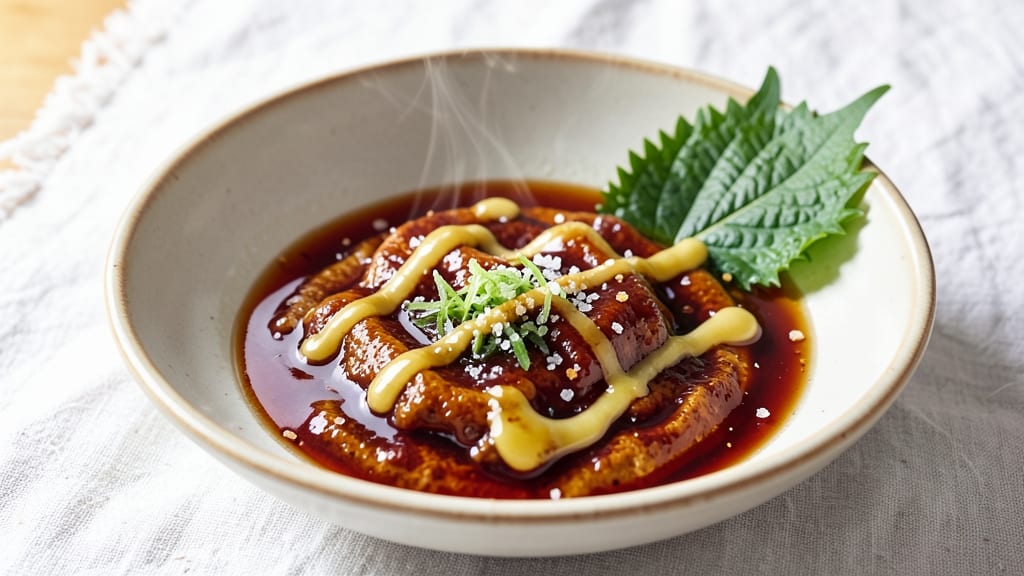
This Bachan's Japanese sauce recipe delivers the perfect balance of savory umami and bright ginger zing—exactly like the beloved condiment that elevates everything from sushi to grilled meats.
The secret lies in a precise blend of soy sauce, mirin, and fresh ginger, simmered until the flavors meld into a rich, aromatic sauce with just the right tang.
I've perfected this version to capture that signature depth while keeping it simple enough for home cooks to recreate without specialty ingredients.
The magic happens when you reduce the sauce to a thick, glossy consistency—this ensures it clings beautifully to food while delivering layers of flavor in every bite. Fresh ginger adds a zesty kick that cuts through richness, while a touch of sugar balances the acidity for a well-rounded taste.
Unlike store-bought versions, this homemade sauce stays vibrant for weeks, making it a versatile pantry staple for everything from dipping sauces to marinades.
With just five simple ingredients and 15 minutes of active time, you'll have a sauce that transforms ordinary meals into something extraordinary. The process is straightforward: combine, simmer, and blend until smooth.
What you're left with is a glossy, aromatic sauce that's perfect for dipping tempura, glazing grilled fish, or drizzling over ramen. It's the kind of condiment that makes you want to cook just to use it.
Store it in an airtight container in the refrigerator for up to two weeks, or freeze for longer shelf life. Double the batch—this sauce disappears faster than you can say "umami bomb." Ready to elevate your cooking? Let's make it.
Ingredients for bachans japanese sauce
Five simple ingredients transform into that signature umami-rich sauce you crave.
| Ingredient | Amount | Notes |
|---|---|---|
| Soy Sauce 🥢 | ½ cup | High-quality, preferably Japanese style |
| Mirin 🍶 | ¼ cup | Sweet cooking wine, not substitute |
| Fresh Ginger 🌿 | ½ cup | Finely grated, about 2 oz |
| Granulated Sugar 🍚 | 1 tbsp | White or raw cane sugar |
| Sesame Oil 🫒 | 1 tbsp | Toasted, for aroma |
The soy sauce is the foundation—Japanese brands like Kikkoman or Hondashi deliver that authentic depth. Mirin isn't the same as sweet rice wine; grab the real stuff at Asian markets or the international aisle. Fresh ginger? Look for firm, aromatic roots—the younger the piece, the milder the kick. I usually buy a whole knob and grate what I need, keeping the rest wrapped in plastic in the fridge for up to 2 weeks. Toasted sesame oil makes all the difference—Trader Joe's has a great affordable option, but any brand labeled 'toasted' works.
No mirin? Dry sherry plus 1 tsp sugar gets you close, though it won't be identical. Subbing honey for sugar? Use half the amount—it's sweeter but adds floral notes. Fresh ginger too spicy? Peel it first to reduce heat. Want extra depth? Add 1 tsp grated daikon radish for complexity. The sauce thickens as it cools, so if it's too thin after simmering, just chill it 30 minutes before using.
This sauce keeps beautifully—2 weeks in the fridge once opened. I portion it into small jars so I can grab just what I need. Freezes perfectly for up to 3 months—thaw overnight in the fridge. The flavor actually improves after a few days as everything melds. Double the batch—you'll want it for everything from stir-fries to dipping tempura. Store it in an airtight container with the lid sealed tight to keep that fresh aroma locked in.
Why You'll Love This Recipe
- Five-Ingredient Magic: I swear, this sauce comes together with just a knife, a bowl, and five pantry staples. No fancy tools, no waiting for special ingredients—just a quick simmer of soy, mirin, and ginger while you chop veggies or boil rice. That’s it. Honestly, I make it while scrolling through my phone.
- Umami Bomb: The moment that fresh ginger hits the hot pan with soy and sugar? Chef’s kiss. The mirin brightens it just enough to cut through richness, while sesame oil adds that nutty, toasty finish that makes every bite taste like a little Japanese comfort. It’s the kind of flavor that sticks with you—literally, on your fork.
- Sauce for Everything: Slather it on grilled chicken, toss it with noodles, or drizzle it over steamed veggies. I’ve even used it as a marinade for tofu that turned out ridiculously good. It’s my go-to for weeknight dinners, potlucks, or when I’m too tired to think but still want flavor. Between us, it’s the secret weapon in my takeout-style meals.
- Makes More Than You Need: A small batch stretches across three meals—leftover sauce just gets better as it sits, deepening in flavor. And since it’s cheap to make (less than $3 for a full jar’s worth), I don’t stress about wasting it. Freeze extras in ice cube trays for instant single-use portions later. Practical? Absolutely. Smart? Even more so.
Step-by-step instructions for bachan's Japanese sauce
This umami-packed sauce comes together in minutes with just five simple ingredients.
🍳 Step 1: Grate the Fresh Ginger
Start by grating the 0.5 cup fresh ginger using a fine grater or microplane. You want the ginger to be as finely textured as possible—think more like a paste than chunks. The finer the grating, the smoother your sauce will be. I like to press the grated ginger through a fine-mesh sieve to remove any fibrous bits, ensuring a silky texture in the final sauce.
Here's the thing—fresh ginger has a much more vibrant flavor than powdered. Don't skip this step if you want that bright, zesty kick that makes this sauce special. You'll know you've done it right when you have about 2 ounces of finely grated ginger (this matches the 0.5 cup measurement in the recipe).
🥘 Step 2: Combine Wet Ingredients
In a small saucepan, combine the 0.5 cup soy sauce, 0.25 cup mirin, and the freshly grated ginger. Stir well to dissolve the ginger completely—you want no lumps in your sauce. Place the saucepan over medium-low heat and bring it to a gentle simmer. The reason for low heat is to prevent the mirin from boiling off too quickly, which would concentrate the flavors unevenly.
Let the mixture simmer for 5-7 minutes, stirring occasionally. You'll notice the ginger starts to soften and the aroma becomes more intense. This simmering step helps meld the flavors together and reduces the sauce slightly, creating a more concentrated umami base. Keep an eye on it—you don't want it to boil vigorously, just maintain a gentle bubble.
🍳 Step 3: Add Sugar and Simmer
Once the mixture has simmered for 5-7 minutes, stir in the 1 tablespoon granulated sugar. The sugar will help balance the saltiness of the soy sauce and add a subtle sweetness that complements the ginger's sharpness. Return the heat to medium-low and let the sauce continue to simmer for another 3-5 minutes, stirring occasionally.
During this time, the sugar will dissolve completely, and the sauce will begin to thicken slightly. You're looking for a consistency that's still pourable but coats the back of a spoon. If it thickens too much, you can add 1-2 teaspoons of water to adjust the texture. The sauce should smell rich and complex—like a perfect blend of umami, sweetness, and ginger's bright zing.
🔥 Step 4: Finish with Sesame Oil
Remove the saucepan from heat and let it cool slightly for 2-3 minutes. This cooling step is important—it prevents the sesame oil from cooking off its delicate aroma. Once the sauce has cooled just enough to handle, stir in the 1 tablespoon sesame oil. The oil will add a nutty depth and a fragrant aroma that elevates the entire sauce.
Give it one final taste and adjust the seasoning if needed. You might find the sauce needs a touch more soy sauce for saltiness or a bit more sugar for sweetness, depending on your preferences. The sesame oil should be evenly distributed, giving the sauce a glossy sheen. Let the sauce sit for another 5 minutes to allow all the flavors to fully meld together before serving.
⏰ Step 5: Use Immediately or Store
This sauce is best used fresh, but it will keep in the refrigerator for up to 1 week if stored in an airtight container. If you plan to store it, let it cool completely before transferring to the container. The flavors will continue to develop and deepen over time, making it even more complex the next day.
You'll love how versatile this sauce is—drizzle it over noodles, use it as a marinade, or serve it as a dipping sauce for dumplings. The balance of sweet, salty, and spicy makes it a crowd-pleaser every time. Enjoy it warm or at room temperature, but don't let it sit out for more than 2 hours to keep it safe to eat.
Pro Tips For Making Bachans Japanese Sauce
- SIMMER LOW AND SLOW: I learned this the hard way—boiling bachan sauce ruins it. Keep the heat at a bare simmer (tiny bubbles, not rolling) or you’ll cook off the mirin’s sweetness and end up with bitter soy. If your sauce reduces too fast, drop the heat and let it bubble gently like a lazy Sunday morning.
- GRATE GINGER FINE: Skip the food processor—fresh ginger needs to dissolve, not float. Use the smallest holes on your grater or a microplane, then let it sit in the sauce for 5 minutes before simmering. This ensures the flavor infuses instead of settling at the bottom like a lazy guest.
- BALANCE SUGAR FIRST: Taste before adding sugar—your mirin and soy might already be sweeter than you think. Start with half the sugar, simmer, then adjust. I once over-sweetened a batch and had to salvage it with a splash of rice vinegar (not ideal, but it worked).
- FINISH WITH SESAME OIL: Add sesame oil last—right when you’re done simmering. Heat destroys its nutty aroma, so swirl it in right before serving. This isn’t just about flavor; it’s the difference between a good sauce and one that wows. (Yes, even if you’re impatient like me.)
Best sauces and condiments for this bachans japanese sauce
Tempura Dipping Sauce
This sauce transforms crispy tempura into an unforgettable experience. Serve it warm in small bowls alongside fresh tempura—its glossy texture clings beautifully to the golden batter. I like to drizzle it over tempura just before eating so the sauce stays warm and vibrant.
The ginger zing cuts through the richness of fried foods perfectly, balancing the crispy crunch. 🍤
Grilled Fish Glaze
Brush this sauce on salmon or cod fillets during the last 3-4 minutes of grilling for a caramelized crust. The umami from soy sauce and mirin enhances the fish's natural sweetness, while ginger adds a bright contrast.
I recommend skin-on salmon for extra drama—flip the fish skin-side down first, then brush the sauce on the flesh side. The result? A restaurant-worthy glaze that's impossible to resist.
Stir-Fry Sauce Base
Use this sauce as a foundation for stir-fries by adding 1 tablespoon cornstarch and 2 tablespoons water to thicken it. Toss with veggies and protein like chicken or tofu for a quick, flavorful meal.
I often add 1 minced garlic clove and ½ teaspoon chili flakes for extra depth. The sauce clings to everything beautifully, creating a glossy, umami-rich coating that elevates simple ingredients. ✨
Marinade for Meats
Let this sauce marinate chicken thighs or pork chops for 1-2 hours before cooking for tender, flavorful results. The ginger and soy sauce break down the meat fibers, while mirin adds tenderness.
I like to grill or pan-sear the marinated meat, then finish with a quick glaze of the same sauce for extra richness. It works especially well with boneless, skinless chicken thighs—they stay juicy while absorbing all the umami goodness.
Ramen Upgrade
Drizzle this sauce over steaming ramen bowls just before eating to infuse the broth with instant umami depth. The ginger brightens the dish, while the soy and mirin add complexity. I recommend adding it in 2 tablespoon increments—start with less and adjust to taste.
It pairs perfectly with miso or shoyu-based broths, creating a harmonious balance of flavors that's hard to beat. 💛
Dipping Sauce for Dumplings
Serve this sauce alongside steamed or pan-fried dumplings for a dipping experience that's pure comfort food. The sauce's balance of sweet, salty, and spicy complements the pillowy texture of dumplings beautifully. I like to add a few drops of toasted sesame oil right before serving to enhance the aroma.
It's especially good with pork and shrimp dumplings, where the sauce's richness complements the savory filling perfectly.
Nutrition facts
Frequently asked questions
Can I substitute mirin in this Japanese sauce recipe?
Yes, but the flavor will change slightly. Replace 0.25 cup mirin with 0.25 cup dry sherry plus 1 teaspoon sugar for a similar sweetness level. For a non-alcoholic option, use 0.25 cup white grape juice and add 1 teaspoon sugar—though the sauce won't have the same depth. Mirin's unique sweetness and acidity are hard to replicate perfectly.
How do I adjust the ginger heat level in this sauce?
For milder ginger flavor, use 0.25 cup grated ginger instead of 0.5 cup and peel the ginger first to remove some of the spiciness. For extra kick, add ½ teaspoon red pepper flakes or 1 teaspoon sriracha after simmering. Remember, fresh ginger loses heat when cooked—don't worry if it seems spicy before simmering.
Can I make this sauce without sesame oil?
If you're avoiding sesame oil, omit it entirely or replace it with ½ teaspoon toasted sesame seeds (lightly toasted in a dry pan for 30 seconds then ground into powder). For a different flavor profile, try 1 teaspoon neutral oil like vegetable oil—though it won't add the same nutty aroma. The sauce will still taste delicious!
How long can I store this homemade Japanese sauce?
Store in an airtight container in the refrigerator for up to 2 weeks. For longer storage, freeze in ice cube trays or small jars for up to 3 months. Thaw overnight in the fridge—never at room temperature. The sauce actually improves with age as flavors meld, but it's best used within 2 weeks for peak freshness.
Why did my sauce turn out too thin or too thick?
If too thin, simmer uncovered for an extra 5 minutes to reduce. For thickening, mix 1 teaspoon cornstarch with 1 tablespoon water, stir into the sauce, and simmer for 1-2 minutes. Too thick? Thin with 1 teaspoon water or mirin while warm. The ideal consistency should coat the back of a spoon but still be pourable.