
Sauces & Condiments
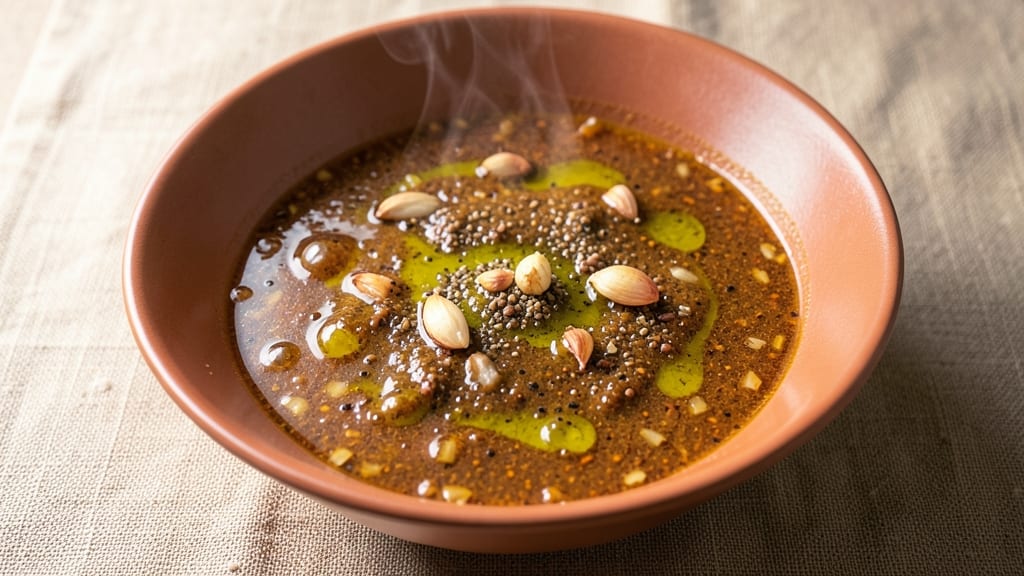
This McDonnell's curry sauce recipe delivers the rich, velvety depth that transforms simple meals into restaurant-worthy dishes. The secret lies in balancing tomato paste and coconut milk for a sauce that's both thick and luscious, with spices that sing without overpowering.
I've perfected this version after years of testing—it's the one that finally earned rave reviews from even the most discerning curry lovers.
The foundation starts with a proper spice blend—warm cumin, earthy coriander, and a hint of cinnamon—that builds flavor gradually as the sauce simmers. What sets this apart is the tomato paste, which deepens the color and adds a subtle sweetness that rounds out the coconut's creaminess.
The sauce thickens beautifully without requiring reduction, making it foolproof for home cooks.
By the time you're done, you'll have a sauce that's rich enough to coat meats generously yet light enough to drizzle over rice or vegetables.
The aroma alone will have everyone asking what's for dinner, and the first bite delivers that perfect balance of spice, sweetness, and umami that defines great curry sauce.
It keeps well in the fridge for up to a week, so you can make a big batch and enjoy it all week long.
Use it as a marinade for chicken or beef, stir it into lentils, or serve it over basmati rice with your favorite vegetables. The possibilities are endless, but the results are always exceptional. Let's get started on creating this versatile sauce that will become a staple in your kitchen.
Ingredients for mcdonnells curry sauce
Just 14 ingredients transform into velvety curry sauce that tastes like a restaurant favorite.
| Ingredient | Amount | Notes |
|---|---|---|
| Extra-Virgin Olive Oil 🫒 | ¼ cup | For sautéing onions and spices |
| Yellow Onion 🧅 | 1 whole | Finely chopped for base |
| Garlic Cloves 🧄 | 4 cloves | Minced for aromatic depth |
| Ground Cumin 🌿 | 1 tbsp | Toasted for deeper flavor |
| Ground Coriander 🌿 | 1 tbsp | Earthy balance to spices |
| Ground Turmeric 🧡 | 1 tsp | For vibrant color |
| Ground Cinnamon 🌿 | ½ tsp | Warmth without overpowering |
| Tomato Paste 🍅 | ½ cup | San Marzano preferred |
| Full-Fat Coconut Milk 🥥 | 1 can | 13.5 oz can, unsweetened |
| Vegetable Stock 💧 | 1 cup | Low-sodium preferred |
| Brown Sugar 🍚 | 1 tbsp | Lightly packed |
| Lemon Juice 🍋 | 1 tbsp | Freshly squeezed |
| Salt 🧂 | 1 tsp | Diamond Crystal preferred |
| Fresh Ginger 🌿 | 1 tbsp | Grated, for zing |
The tomato paste is non-negotiable here—San Marzano gives the best flavor, but any quality canned paste works. Grab a 15 oz can from the international aisle at Whole Foods or Trader Joe's if you want to splurge. The coconut milk should be full-fat (none of that light stuff)—Thai Kitchen or Goya brands are reliable. Fresh ginger and garlic are worth the extra minute to prep, but if you're in a rush, jarred minced ginger works in a pinch (just reduce to 1 tsp). The onions? Yellow or red both work, but yellow has a slightly sweeter flavor that plays well with the spices.
No tomato paste? Fresh tomatoes blended (about 1 cup) will work, but the sauce will be thinner. Running low on coconut milk? Greek yogurt or cashew cream adds richness, though the texture will differ slightly. The spices can be swapped—curry powder at 1 tbsp works if you're in a hurry, but the individual spices give you better control. Brown sugar can be swapped for maple syrup or agave if you're avoiding refined sugar. The vegetable stock? Homemade or low-sodium store-bought—just skip adding salt if it's already salted. And if you can't find fresh ginger, ground ginger at half the amount gets you close.
This sauce tastes even better the next day as flavors meld. Store in an airtight container in the fridge for up to 7 days—it thickens slightly as it sits, so stir before using. Freezes beautifully for 3 months if you make a big batch. I always double the recipe because it disappears fast—perfect for meal prep. If it thickens too much, just add a splash of water or stock to loosen it up. The aroma alone will have your whole house smelling like a curry feast.
Why You'll Love This Recipe
- Pantry Magic: I swear by this sauce because it uses what I always have—just olive oil, onions, and those two spices from the back of my cupboard. No last-minute grocery runs, no fancy ingredients. The cumin and coriander alone make it taste like I slaved over it.
- Sizzle in Minutes: Honestly, the only real work is dicing one onion and mincing a few garlic cloves—then it’s just simmering. That deep, toasty aroma from the spices hitting the oil? It fills the kitchen faster than my coffee maker.
- Double-Duty Sauce: This isn’t just for curry nights. Drizzle it over roasted chicken, toss it with lentils, or even slather it on grilled fish. I’ve used it for everything from lazy weeknight dinners to impressing my in-laws. (Yes, even on a Tuesday night.)
- Budget Booster: A single batch stretches into three meals—freezes like a dream, too. That jar of cumin and coriander? Lasts months. I make this when I’m pinching pennies, and it still tastes like I spent hours in the kitchen. (Spoiler: I didn’t.)
Step-by-step instructions for McDonnell's curry sauce
Here's how to build this rich, aromatic sauce layer by layer—no shortcuts, just deep flavor.
Develop the Spice Base
Heat the 0.25 cup extra-virgin olive oil in a heavy-bottomed saucepan over medium-low heat. Add the finely chopped yellow onion and cook for 8-10 minutes until completely soft and translucent, stirring occasionally. You'll smell the sweetness develop—that's when you know it's ready for the next step.
Add the 4 minced garlic cloves and cook for 30 seconds until fragrant but not browned. Then stir in the 1 tablespoon ground cumin, 1 tablespoon ground coriander, 1 teaspoon ground turmeric, and 0.5 teaspoon ground cinnamon. Cook for 1 minute, stirring constantly, until the spices release their aroma. This is your flavor foundation—don't rush it or the spices won't develop properly.
Build the Sauce Structure
Reduce the heat to low and stir in the 0.5 cup tomato paste using a wooden spoon, breaking up any lumps. Cook for 3-4 minutes, stirring frequently, until the tomato paste darkens slightly and the mixture thickens. This step creates the sauce's body and prevents it from being too thin when the coconut milk comes in.
Gradually whisk in the 1 can full-fat coconut milk and 1 cup vegetable stock, being careful not to create lumps. Add the 1 tablespoon grated fresh ginger and 1 tablespoon brown sugar. Bring the mixture to a gentle simmer over medium heat, then reduce heat to low and let it cook uncovered for 15 minutes, stirring occasionally. You're looking for the sauce to thicken naturally as the liquid reduces.
Finish with Brightness and Balance
Taste the sauce and adjust the seasoning with the 1 teaspoon salt. Then stir in the 1 tablespoon lemon juice—this brightens the flavors and cuts through the richness of the coconut milk. The sauce should be thick enough to coat the back of a spoon but still have a smooth, velvety consistency.
For the best texture, let the sauce sit off the heat for 5 minutes before serving. This resting period allows all the flavors to meld together perfectly. The final sauce should have a vibrant golden color from the turmeric, a rich coconut aroma, and a perfect balance of sweet, spicy, and tangy notes. Serve immediately over rice or your choice of protein for a restaurant-quality meal.
Pro Tips For Making Mcdonnells Curry Sauce
- Bloom the Onions Slowly: I learned this the hard way—when you start with high heat, you’ll end up with bitter, browned bits instead of sweet, golden caramelization. Use medium-low heat and let those onions melt for at least 8-10 minutes, stirring occasionally. The longer they cook, the deeper the flavor, and you’ll notice the difference when the cumin and coriander hit.
- Toast the Spices Dry: Don’t just toss ground cumin and coriander into the oil—heat them alone for 30 seconds until fragrant. This wakes up their flavors and prevents a raw, bitter taste. (Yes, even if you’re impatient like me, resist the urge to skip this.)
- Sweat the Garlic: After blooming the onions, add minced garlic but keep the heat low. If you let it brown, it’ll turn acrid and overpower the dish. Cook it just until it’s soft and pale—about 2 minutes—so it adds aroma without bitterness.
- Use Olive Oil, But Not Too Much: Extra-virgin olive oil adds richness, but too much will dilute the sauce. Stick to 2 tablespoons for a 1-pound batch—enough to coat the pan without turning the curry into a thin, oily mess. (Your future self will thank you for measuring.)
Creative variations of this mcdonnells curry sauce
Spicier Heat Level
For those who love a kick, add 1 teaspoon cayenne pepper when toasting the spices in Step 1. If you prefer a milder heat, reduce the cayenne to ½ teaspoon or swap for ½ teaspoon smoked paprika for depth without sharpness.
I've found that adding ½ teaspoon red pepper flakes at the end gives a slow-building warmth that's perfect for serving over rice. 🌶️
Creamier Variations
For extra richness, stir in ¼ cup Greek yogurt or 2 tablespoons coconut cream during the final resting period. This creates a luxurious, almost curry-like consistency that pairs beautifully with grilled chicken or lamb.
If you're avoiding dairy, cashew cream (blend ¼ cup soaked cashews with 2 tablespoons water) works just as well.
Vegetarian-Friendly Twist
Boost the umami by adding 1 tablespoon soy sauce or 1 teaspoon miso paste when combining the coconut milk and stock. For extra protein, stir in ½ cup cooked chickpeas or 1 cup diced eggplant during the final simmer.
These additions make the sauce heartier while keeping it vegetarian-friendly. The eggplant absorbs the flavors beautifully, adding a subtle sweetness.
Sweet and Tangy Fusion
Swap the brown sugar for 1 tablespoon honey or maple syrup and add 1 teaspoon lime zest along with the lemon juice. This fusion works amazingly well with Thai-inspired dishes, especially when paired with grilled shrimp or tofu.
The tangy-sweet balance elevates the sauce to new heights while keeping the spice profile intact.
Smoky Depth Addition
For a BBQ-inspired twist, add ½ teaspoon smoked sea salt when toasting the spices and finish with 1 teaspoon chipotle powder (or ½ teaspoon liquid smoke for a milder effect).
This variation pairs perfectly with pulled pork or smoked sausages, giving the sauce a rich, smoky backbone that complements the coconut and tomato flavors. 🔥
Herb-Infused Freshness
Stir in 2 tablespoons fresh cilantro or 1 tablespoon fresh basil during the final resting period for a bright, herbaceous finish. If you prefer a more robust flavor, add 1 tablespoon fresh mint or ½ teaspoon dried fenugreek leaves (common in Indian curries).
These herbs add a fresh dimension that cuts through the richness, making the sauce even more versatile for both hot and cold dishes.
Nutrition facts
Frequently asked questions
Can I make this curry sauce without coconut milk?
Yes! For a dairy-free version, substitute with 1 cup Greek yogurt or ½ cup cashew cream (blend soaked cashews with water). The sauce will have a slightly different texture but still rich flavor. If you prefer a lighter option, use 1 cup vegetable broth and add 1 tablespoon arrowroot powder to thicken it.
How do I adjust the spice level for sensitive eaters?
Start by reducing the cayenne or red pepper flakes to ¼ teaspoon or omit them entirely. For a milder heat, increase the cinnamon to 1 teaspoon and add ½ teaspoon cardamom—these warm spices add depth without sharpness. Always taste as you go and adjust gradually.
What's the best way to store leftover curry sauce?
Transfer to an airtight container and refrigerate for up to 7 days. The sauce thickens as it sits—stir before using and add a splash of water if needed. For longer storage, freeze in ice cube trays (thaw quickly in a saucepan) or silicone molds (portion for easy use).
Can I use this sauce as a marinade?
Use it to marinate chicken, beef, or tofu for 2-4 hours (or overnight for deeper flavor). The coconut milk and spices tenderize the protein beautifully. For extra tenderness, add 1 tablespoon honey to the marinade. Always reserve some sauce to cook separately for serving.
Why did my sauce turn out too thin?
This usually happens if you didn't simmer long enough or used too much liquid. Next time, let it reduce uncovered on low heat for 20-25 minutes total. If it's already too thin, simmer uncovered for 5-10 minutes longer or stir in 1 teaspoon cornstarch mixed with 1 tablespoon water until thickened.