
Sauces & Condiments
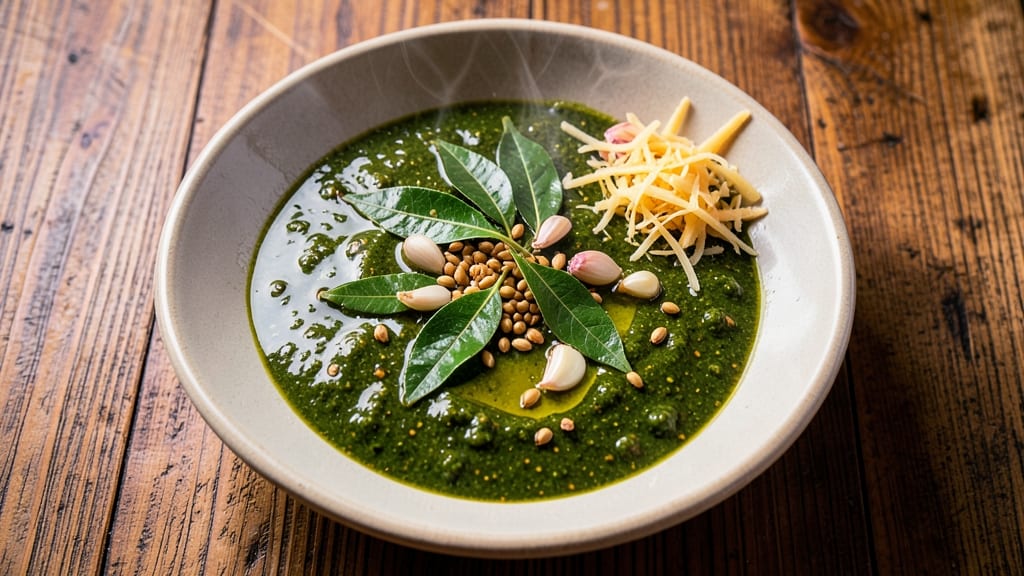
This curry leaf sauce recipe transforms simple ingredients into a fragrant, aromatic base that elevates every dish it touches. The secret lies in fresh curry leaves—those tiny, lemony-green leaves that pack an intense, citrusy punch when simmered properly.
I’ve perfected this sauce to work as both a quick marinade and a rich gravy base, cutting prep time while delivering restaurant-quality depth.
The process is straightforward: toast mustard seeds in hot oil until they pop, then add garlic, ginger, and curry leaves to bloom their flavors before blending with water into a smooth, velvety sauce. Straining ensures a silky texture without bitterness, while a pinch of salt balances the bright, herbal notes.
This sauce keeps for up to a week in the fridge, making it a pantry staple for curries, rice dishes, or grilled proteins.
What makes this sauce special is its versatility—use it as a marinade for chicken or fish, stir it into rice for instant flavor, or drizzle it over grilled vegetables for a fragrant finish.
The aroma alone transforms simple meals into something extraordinary, with layers of warmth and citrus that linger on the palate. Once you try this, store-bought sauces won’t compare.
For best results, always use fresh curry leaves (dried won’t deliver the same brightness) and simmer the sauce low and slow to develop its complex flavors. Store in an airtight container, and you’ll have a ready-made flavor booster for any dish. Let’s make this sauce—your taste buds will thank you.
Ingredients for curry leaf sauce
Fresh leaves and simple spices create a fragrant sauce that transforms any dish instantly.
| Ingredient | Amount | Notes |
|---|---|---|
| Fresh Curry Leaves 🌿 | ½ cup | Packed, stems removed |
| Mustard Seeds 🌶️ | 1 tbsp | Whole, yellow variety |
| Extra-Virgin Olive Oil 🫒 | ½ cup | High quality, fruity |
| Garlic Cloves 🧄 | 4 cloves | Peeled, rough chopped |
| Fresh Ginger 🌿 | 1 tbsp | Grated, peeled |
| Water 💧 | 1 cup | Room temperature |
| Salt 🧂 | ½ tsp | Kosher or sea salt |
| Cayenne Pepper 🌶️ | ¼ tsp | Adjust for heat |
Curry leaves are the heart of this sauce—fresh is non-negotiable. Look for them in the produce section of Indian grocery stores or the international aisle at Whole Foods. If you can't find them, frozen leaves work in a pinch, but thaw and drain them well. Mustard seeds should be whole and yellow for that classic pop. The olive oil matters here too—avoid heavily processed brands that lack flavor. Toast the seeds in the oil until they sizzle—this releases their aromatic oils and sets the foundation for all those bright, citrusy notes from the curry leaves.
No fresh curry leaves? Dried leaves at half the amount will work, but expect less brightness. Substitute cilantro or lemongrass for a similar herbal note, though neither will replicate that exact lemony punch. Running low on mustard seeds? Cumin seeds add earthiness, but the flavor profile shifts completely. The ginger and garlic can be swapped for green chili paste if you're in a hurry, though fresh is always better. For extra depth, add a pinch of turmeric to the sauce—it blends beautifully and adds color. If you're using a blender, strain the sauce through a fine-mesh sieve to remove any bitterness from the leaves.
This sauce keeps beautifully—up to 1 week in the fridge in an airtight container. For longer storage, freeze in ice cube trays and transfer to a bag. Thaw overnight in the fridge before using. The flavor actually improves over time as the ingredients meld together, so make extra if you can. I like to keep a small jar in my fridge at all times—a spoonful instantly elevates rice, grilled fish, or even scrambled eggs. If the sauce thickens, just whisk in a splash of water to loosen it up.
Why You'll Love This Recipe
- No Chopping Chaos: I swear by this sauce because it’s actually minimal prep—just toast the mustard seeds in olive oil until they pop, then toss in whole garlic cloves and ginger (peeled, but no dicing). The curry leaves? Tear them straight from the bunch. That’s it. No knife work, no stress, just flavor.
- Umami Bomb: Between us, that first sizzle of mustard seeds in olive oil—crackling like fireworks—is enough to make anyone pause. But here’s what sold me: the curry leaves release their citrusy, earthy punch when toasted, then mellow into something deeper when simmered with garlic and ginger. It’s the kind of sauce that makes you go, "Wait, how much did I put in?" before you realize it’s all you want.
- Sauce for Everything: I’ve drizzled this over scrambled eggs (yes, even on a Tuesday night), tossed it into rice with leftover chicken, and slathered it on grilled fish like it was a fancy restaurant move. It works cold in grain bowls, hot in stir-fries, or as a dip for roasted veggies. Honestly, I’ve caught myself eyeing my fridge at 11 PM wondering what to make with it next.
- Fridge Goldmine: This sauce keeps for weeks in the fridge—no fancy jars, just a mason with a lid. I make a big batch on Sundays, and by Wednesday, it’s my secret weapon for turning bland leftovers into something worth eating. And because it’s just oil, spices, and fresh ingredients, it’s cheaper than takeout and healthier. Plus, a little goes a long way, so one batch stretches across multiple meals.
Step-by-step instructions for curry leaf sauce
Here's how to make this aromatic, herb-infused sauce that's perfect for curries and more.
Bloom the Mustard Seeds in Olive Oil
Heat the 0.5 cup extra-virgin olive oil in a medium saucepan over medium-low heat. Once the oil shimmers lightly, add the 1 tablespoon mustard seeds. Watch closely—they'll begin to pop and dance within 10-15 seconds. This is your signal that they're ready for the next step.
I like to keep the heat gentle here to prevent burning. If the seeds start to darken too quickly, reduce the heat immediately. The mustard seeds should turn a golden brown color and release their nutty aroma—this is the foundation of the sauce's depth of flavor.
Add Curry Leaves and Aromatics
Immediately after the mustard seeds pop, add the 0.5 cup packed fresh curry leaves and the 4 cloves rough-chopped garlic. Stir constantly for 1-2 minutes until the curry leaves turn a vibrant green and the garlic becomes fragrant. You'll notice the oil will bubble gently—this is normal and indicates the flavors are melding.
Here's the thing—don't rush this step. The curry leaves need time to release their essential oils into the oil. If you smell a strong, fresh herbal aroma, you're on the right track. The garlic should be just beginning to turn golden at the edges but not browned.
Incorporate Ginger and Water
Add the 1 tablespoon grated fresh ginger and stir for 30 seconds until it becomes fragrant. Then pour in the 1 cup room temperature water. The mixture will bubble vigorously as the water heats up. Reduce the heat to medium-low to maintain a gentle simmer.
This is where the sauce starts to come together. You'll see the curry leaves floating on top and the oil separating slightly. Let it simmer uncovered for 5-7 minutes until the mixture reduces slightly and the flavors meld beautifully. The sauce should smell intensely aromatic with notes of mustard, curry, and ginger.
Season and Simmer to Perfection
Add the 0.5 teaspoon salt and 0.25 teaspoon cayenne pepper, stirring well to combine. Let the sauce simmer gently for another 3-5 minutes until it thickens slightly. You're looking for a consistency that coats the back of a spoon but isn't gluey—it should be smooth and velvety.
Taste and adjust the seasoning if needed. I usually find this amount of cayenne gives a nice kick, but if you prefer it milder, you can reduce it slightly. The sauce should be fragrant, slightly spicy, and perfectly balanced. If it's too thick, you can add a splash more water to reach your desired consistency.
Cool and Use Immediately
Remove the saucepan from heat and let the sauce cool for 5 minutes. This allows the flavors to fully meld and the sauce to thicken slightly as it cools. I like to transfer it to a clean jar or container for storage, but you can use it immediately for cooking.
This curry leaf sauce is incredibly versatile. Use it as a base for curries, drizzle it over rice dishes, or even use it as a marinade for meats. The key is to use it fresh for the most vibrant flavor, but it will keep in the refrigerator for up to 5 days in an airtight container. For best results, reheat gently before using.
Pro Tips For Making Curry Leaf Sauce
- CRANK THE HEAT FOR SEEDS: Mustard seeds burn faster than you think—get your pan screaming hot before adding them. I learned this the hard way when my first batch turned bitter; now I preheat the oil until it shimmers and the seeds pop within 10 seconds.
- SALT THE OIL FIRST: Toss a pinch of salt into the hot oil before adding curry leaves—it prevents splattering and makes the leaves bloom faster. Sounds weird, but it works: the salt stabilizes the oil, so your kitchen won’t smell like a smoke bomb.
- GRATE GINGER FINE: Skip the mincer and grate ginger on the smallest side of a box grater—it releases more flavor into the oil. I was skeptical until I tried it; now my sauce has that bright, zesty kick without needing extra ginger.
- STIR CONSTANTLY AFTER GARLIC: Once garlic hits the pan, don’t walk away—stir every 15 seconds or it’ll turn to paste. I skip this when I’m lazy, but the dish is noticeably better when I don’t: the garlic stays fragrant, not bitter.
Wine and beer pairings for this dish
White Wine Pairings
For this fragrant curry leaf sauce, I reach for a crisp Chenin Blanc from the Loire Valley—its bright acidity and subtle honeyed notes cut through the sauce’s herbal intensity.
Look for a bottle with 12-13% ABV like Savigny-lès-Beaune or Vouvray to complement the ginger and garlic without overpowering the curry leaves. The wine’s mineral finish mirrors the sauce’s freshness, creating a harmonious balance. 🍷
Light Beer Options
A German Helles Lager like Weihenstephaner Original works beautifully with this sauce—its clean, malty profile and 5% ABV let the curry leaf flavors shine while adding a touch of crispness.
For something more adventurous, try a Belgian Witbier such as Hoegaarden, where the coriander and citrus notes echo the sauce’s herbal brightness. Both pairings keep the meal refreshing and light.
Red Wine for Heartier Dishes
If you’re serving the sauce with richer dishes like lamb or beef curries, a Pinot Noir from Oregon or Burgundy adds depth without clashing.
I love Domaine Serene or La Crema—their 13-14% ABV and red fruit notes harmonize with the ginger and cayenne while letting the curry leaves stand out. Avoid heavy Cabernets, as their tannins can overpower the sauce’s delicate aroma.
Non-Alcoholic Pairings
For a refreshing non-alcoholic match, try sparkling lime soda (like San Pellegrino Aranciata) or hibiscus iced tea. The citrus in both drinks enhances the sauce’s herbal notes, while the effervescence cleanses the palate.
If you prefer something warmer, a ginger-infused water with a squeeze of lime mirrors the sauce’s key flavors perfectly. 💧
Regional Beer Pairings
In South India, where curry leaf sauce is a staple, KF Cider (a popular local cider) pairs wonderfully—its tartness balances the sauce’s richness. For a North American twist, a Mexican Lager like Modelo Especial (4.4% ABV) works too, as its light maltiness complements the sauce’s aromatic complexity without dominating.
Both options keep the meal vibrant and approachable.
Nutrition facts
Frequently asked questions
Can I use dried curry leaves instead of fresh?
Fresh curry leaves are ideal for this sauce, but you can substitute ½ teaspoon dried curry leaves per ½ cup fresh. However, dried leaves lack the bright citrusy aroma and may make the sauce bitter. If using dried, add them with the mustard seeds and reduce simmering time to 3 minutes to prevent over-extraction.
How do I adjust the spice level in this sauce?
The recipe includes ¼ teaspoon cayenne for mild heat. For more kick, add ½ teaspoon or swap for 1 teaspoon red chili flakes. For no heat, omit cayenne entirely and add ¼ teaspoon ground turmeric for color instead. Always taste before serving!
What's the best way to store leftover sauce?
Transfer cooled sauce to an airtight container and refrigerate for up to 5 days. For longer storage, freeze in 1-tablespoon portions using ice cube trays. Thaw overnight in the fridge—never microwave directly. The sauce thickens when cold; whisk in 1 teaspoon water per 2 tablespoons to restore consistency.
Can I make this sauce without oil?
While oil helps bloom flavors, you can make a lighter version by using ¼ cup water instead of oil for the initial mustard seeds. The sauce will be less rich but still aromatic. For extra depth, add 1 teaspoon coconut milk powder when simmering. The texture will be thinner—adjust by reducing water at the end.
What dishes pair best with curry leaf sauce?
This versatile sauce elevates everything from steamed rice to grilled fish or chicken curries. Drizzle over dal, use as a marinade for tofu or shrimp, or mix into yogurt-based dips. Even scrambled eggs taste amazing with a spoonful! The key is to use it fresh for maximum brightness.