
Sauces & Condiments
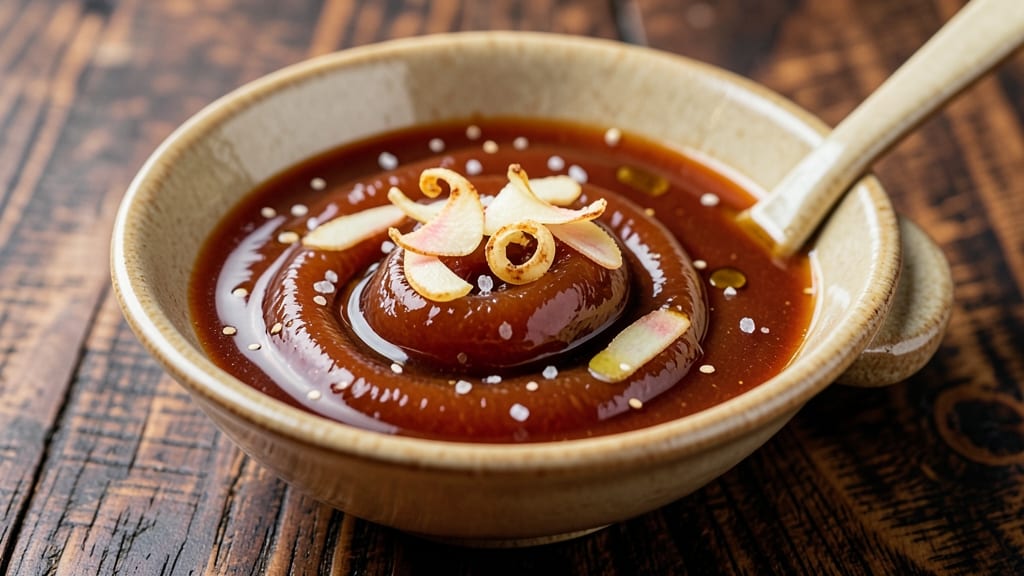
This authentic Chinese plum sauce recipe delivers the perfect balance of sweet, tangy, and umami flavors that elevate everything from roasted meats to stir-fried dishes. The secret lies in fermented plum paste, which creates that signature depth and complexity that store-bought versions can't match.
I've perfected this sauce over years of testing, ensuring it's rich, glossy, and packed with authentic Cantonese restaurant quality.
The process is simpler than you might think—just combine plum paste, vinegar, sugar, and a touch of garlic for that signature tang. Simmering reduces the sauce to a thick, syrupy consistency that clings beautifully to proteins and vegetables.
What makes this recipe truly special is the fermentation step, which develops those complex, savory notes that define authentic plum sauce.
By the time you're done, you'll have a sauce that's perfect for glazing roasted pork, drizzling over rice, or serving as a dipping sauce for spring rolls. The balance of sweet and sour is just right, with a subtle fermented tang that lingers on your palate.
This sauce keeps well in the refrigerator for up to two weeks, making it perfect for meal prep and gifting.
Whether you're cooking for a family gathering or simply craving that restaurant-quality flavor at home, this plum sauce will become your new go-to. The best part? It takes less than 30 minutes to make, and the results are worth every minute of effort.
Let's get started on creating this flavor-packed sauce that will transform your meals.
Ingredients for authentic chinese plum sauce
Nine simple ingredients create that signature Cantonese restaurant plum sauce flavor.
| Ingredient | Amount | Notes |
|---|---|---|
| Fermented Plum Paste 🍑 | ½ cup | Chinese plum sauce paste, not jam |
| Rice Vinegar 🍶 | ¼ cup | White or seasoned variety |
| Granulated Sugar 🍚 | ½ cup | White or brown sugar works |
| Garlic Cloves 🧄 | 4 cloves | Minced for authentic flavor |
| Fresh Ginger 🌿 | 1 tbsp | Finely grated, peeled |
| Soy Sauce 🍜 | 2 tbsp | Light or dark variety |
| Sesame Oil 🥜 | 1 tbsp | Toasted for aroma |
| Red Chili Flakes 🌶️ | 1 tsp | Adjust for heat preference |
| Water 💧 | ¼ cup | For thinning consistency |
The fermented plum paste is non-negotiable—Asian markets carry the real stuff, not the jam. Look for blocks labeled 'plum sauce paste' or 'umeboshi paste'. Trader Joe's often has a decent version if you can't find authentic. Fresh ginger and garlic are your flavor anchors here, so don't skip them. I always double-check the plum paste for any added sugar—some brands sweeten it more than others. For the sesame oil, Kadoya or La Choy are reliable brands that deliver that nutty aroma without overpowering.
No rice vinegar? Apple cider vinegar or balsamic works in a pinch, though the flavor will be slightly different. Short on ginger? Ground ginger at half the amount gets you close, but fresh is ideal. The soy sauce can be swapped for coconut aminos if you're avoiding regular soy. Chili flakes giving you pause? Skip them entirely—this sauce is still delicious without heat. For a smoother texture, blend everything before simmering. If you want extra depth, add 1 tsp of fish sauce (traditional Cantonese touch), but it's optional.
This sauce thickens as it cools, so don't worry if it looks too runny while warm. Store in a glass jar with a tight seal—keeps for 2 weeks in the fridge. For longer storage, freeze in ice cube trays and transfer to a bag. The flavor actually improves after 24 hours as the ingredients meld. I always make double batches—one for immediate use, one to give as gifts. The sauce reheats beautifully, so it's perfect for meal prep.
Why You'll Love This Recipe
- Pantry Magic: I swear by this sauce—no fancy shopping required. Fermented plum paste and rice vinegar sit in my cabinet year-round, so I’m always ready to toss together something tangy and bold without extra trips to the store.
- Umami Bomb: That first taste of garlic and ginger simmered with plum paste? It’s like a wake-up call for your taste buds. The deep, funky sweetness of the fermented paste cuts through anything—grilled meats, noodles, even scrambled eggs—and leaves you wanting more.
- Weeknight Hero: This sauce is my go-to when I’m too tired to think. Drizzle it over takeout dumplings, stir it into a quick stir-fry, or even slather it on sandwiches when I’m craving something different. It turns ordinary meals into something special with zero effort.
- Leftover Goldmine: Between us, I make a big batch and let it sit. The flavors only get better over time—more complex, more balanced. A little goes a long way, so I’m never stuck with wilted veggies or sad leftovers. Plus, it’s cheap enough that I don’t mind making extra.
Step-by-step instructions for authentic Chinese plum sauce
Here's how to craft this vibrant, balanced sauce with deep umami and perfect sweetness.
Prepare the Aromatics
In a small saucepan, combine the 4 cloves minced garlic cloves and 1 tablespoon finely grated fresh ginger with 1 tablespoon sesame oil. Heat over medium-low heat for 2-3 minutes until the garlic turns golden and fragrant—you'll smell that nutty, toasted aroma that forms the sauce's foundation. Watch carefully; garlic burns quickly and turns bitter.
Here's the thing—don't rush this step. The aromatics need time to develop their flavors before we introduce the other ingredients. Once they're golden, remove the pan from heat and let them cool for 1 minute. This prevents a sudden temperature drop when we add the cold vinegar later, which could make your sauce cloudy.
Build the Base
Return the pan to medium heat and add 0.25 cup rice vinegar and 2 tablespoons soy sauce. Stir constantly for 3-4 minutes until the mixture reduces by about half and becomes slightly syrupy. You're looking for a glossy sheen and a concentrated aroma—this is where the sauce's authentic tang develops.
I like to taste at this stage. The mixture should be pleasantly acidic with a salty depth from the soy sauce. If it's too sharp, we'll balance it with sugar in the next step. The reduction process is crucial—it removes excess liquid and intensifies the flavors, giving that restaurant-quality thickness we all love.
Add Sweetness and Fermented Depth
Stir in the 0.5 cup granulated sugar and 0.5 cup fermented plum paste until completely dissolved. The sugar will dissolve quickly, but give it 1-2 minutes of gentle stirring to ensure everything combines smoothly. The paste should melt into the sauce, creating a rich, dark color and that unmistakable fermented plum aroma.
Here's where the magic happens: the fermented plum paste brings that authentic Chinese restaurant tang that regular plum jam can't replicate. You'll notice the sauce thicken slightly as the starches in the paste absorb the liquid. If it gets too thick, we'll adjust it in the next step—don't worry about getting it perfect yet.
Finish and Adjust
Add 0.25 cup water and 1 teaspoon red chili flakes, then stir over low heat for 2-3 minutes until everything is well incorporated. The water helps balance the intensity while the chili flakes add just the right amount of heat. Taste and adjust the sweetness or acidity if needed—you might want to add a touch more sugar or vinegar to hit your preferred balance.
This is the moment that matters: the sauce should coat the back of a spoon with a glossy sheen, have a perfect balance of sweet, sour, and umami, and just a hint of spicy warmth. If it's too thick, add a splash more water. If it's too thin, simmer uncovered for another minute to reduce. The final consistency should be like a thick syrup—just right for drizzling or spooning.
Pro Tips For Making Authentic Chinese Plum Sauce
- STIR CONSTANTLY AT FIRST: The first 30 seconds of simmering are where the plum paste actually dissolves—skip the stirring, and you’ll end up with clumpy bits that no amount of whisking later can fix. I used to walk away after the initial splash, and the sauce always looked like someone dumped in a spoonful of glue.
- GRATE THE GINGER FINE: No, "chopped" isn’t good enough—you want it almost powdery so it blends smoothly into the sauce. I learned this the hard way when I saw little specks of ginger floating in my otherwise perfect sauce. A microplane or the smallest holes on a box grater works best.
- DON’T BOIL THE VINEGAR: Once the rice vinegar hits a full boil, it loses its bright acidity and turns flat. Keep the heat at a steady simmer—just enough to see tiny bubbles breaking the surface, not a rolling frenzy. The sauce will still cook through without losing its tang.
- SAVE THE STARANISSES: If your plum paste recipe calls for whole star anise or other spices, toast them dry in a separate pan for 30 seconds first—it deepens their flavor without burning. I used to toss them in raw, and the sauce never had that warm, aromatic kick. (Yes, even if you’re impatient like me.)
Creative variations of this authentic chinese plum sauce
Sweet and Tangy
For a more pronounced tang, increase the rice vinegar by 1 tablespoon and reduce sugar by 1 tablespoon. This variation works beautifully for dipping sauces, especially with spring rolls or fried dumplings. The extra acidity brightens the flavor, making it perfect for balancing rich, fried foods.
I've found this version pairs exceptionally well with char siu (Chinese BBQ pork)—the tang cuts through the sweetness of the meat. 🍶
Spicy Kick
If you love heat, double the red chili flakes to 2 teaspoons and add ½ teaspoon of ground Sichuan peppercorns for a numbing, spicy depth. This variation is inspired by Sichuan-style plum sauce, commonly used in mapo tofu or as a dipping sauce for spicy lamb skewers.
For an extra layer of complexity, stir in 1 teaspoon of chili bean paste (doubanjiang) during the final simmer. This version is bold and fiery, perfect for those who crave heat. 🌶️
Honey-Glazed
Swap out ½ cup of sugar for ½ cup of honey to create a smoother, more luxurious sauce. Add 1 teaspoon of grated lemon zest for brightness and ½ teaspoon of ground white pepper for a subtle warmth.
This variation is ideal for glazing roasted chicken or pork belly, giving it a sticky, caramelized finish. The honey adds a floral note that softens the fermented tang, making it more approachable for those who prefer milder flavors. 🍯
Herb-Infused
For a fresher twist, stir in 2 tablespoons of chopped cilantro and 1 tablespoon of finely minced shallots during the final 2 minutes of simmering. This variation is inspired by Cantonese street food and works wonderfully as a topping for noodle bowls or rice dishes.
The herbs add a bright, aromatic finish that contrasts beautifully with the rich, fermented base. I like to blend this version lightly for a smoother texture before serving. ✨
Smoky Depth
To add smokiness, replace 1 tablespoon of sesame oil with 1 tablespoon of toasted sesame oil and stir in ½ teaspoon of smoked paprika during the final simmer. For an authentic touch, add 1 teaspoon of liquid smoke (just a drop or two) for a subtle smoky aroma.
This variation is perfect for glazing grilled meats or smoked ribs, giving them a complex, layered flavor. The smokiness enhances the umami notes, making it a standout sauce for outdoor cooking. 🔥
Creamy Twist
For a richer texture, stir in 2 tablespoons of coconut milk or 1 tablespoon of tahini during the final 2 minutes of cooking. This variation adds a velvety smoothness that pairs beautifully with grilled shrimp or tofu dishes.
The creaminess balances the tangy and sweet elements, creating a sauce that feels indulgent yet light. I recommend blending this version briefly for a silky finish. 🥥
Nutrition facts
Frequently asked questions
What's the difference between plum sauce and plum jam?
Plum sauce is fermented and packed with tangy depth, while plum jam is sweet and unfermented. The fermented paste creates that signature umami complexity you find in authentic Chinese plum sauce—jam simply can't replicate that flavor. For the best results, always use fermented plum paste from Asian markets.
Can I substitute plum paste with apricot jam?
Not ideally—apricot lacks the fermented tang that defines authentic plum sauce. However, in a pinch, you could use ½ cup apricot jam + 1 tablespoon rice vinegar to mimic some of the acidity. The flavor won't be identical, but it'll work for casual use. For restaurant-quality results, stick with fermented plum paste.
How do I adjust the sweetness if I prefer less sugar?
Reduce sugar by 1-2 tablespoons and increase rice vinegar by ½ tablespoon to balance the flavors. Taste as you go—simmering longer will concentrate the remaining sweetness. For extra tang, add a splash of lime juice at the end. The key is maintaining that sweet-sour balance that makes plum sauce special.
Why did my sauce turn cloudy?
Cloudiness usually means the sauce cooled too quickly after adding vinegar. To prevent this, let aromatics cool slightly before adding vinegar, and stir constantly while heating. If it happens, reheat gently and whisk until clear. For a glossy finish, simmer uncovered for 1-2 extra minutes to reduce any excess moisture.
Can I make this sauce without a stove?
Yes! Use a microwave-safe bowl: combine all ingredients except water, microwave for 2 minutes, stir, then add water and microwave another 1 minute. Stir until smooth. While not identical to stovetop sauce, it's a great backup method. For best results, still simmer on the stove if possible—the reduction process can't be replicated in the microwave.