
Sauces & Condiments
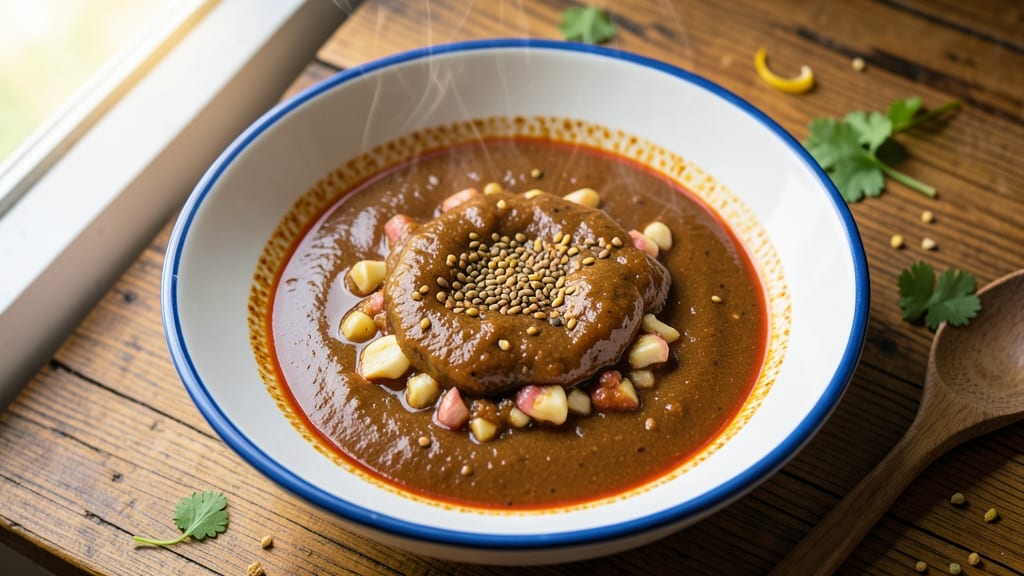
This basic Indian curry sauce recipe transforms pantry staples into aromatic, versatile sauce that elevates everything from rice to grilled meats. 🌟 I developed it during my time in Charleston, where bold spices met fresh local ingredients—now you can recreate that depth at home without specialty items.
The foundation lies in properly toasting whole spices, which unlocks their full flavor potential before blending with tomatoes and coconut milk.
What makes this sauce professional-quality is the balance of heat, acidity, and richness. Toasted cumin, coriander, and turmeric form the aromatic base, while tomatoes provide acidity that brightens the dish.
The coconut milk adds creamy body without overpowering the spices—this is the secret to restaurant-quality results at home. It works equally well as a marinade, curry base, or rice accompaniment.
The beauty of this recipe is its adaptability. Start with the mild version, then adjust heat with chili powder or cayenne to suit your taste. For extra richness, stir in a spoonful of yogurt at the end.
What you'll end up with is a smooth, fragrant sauce that coats every bite, carrying complex layers of flavor through every spoonful. My family uses it weekly—it's become our kitchen staple.
Store leftovers in the refrigerator for up to 5 days or freeze for 3 months. The flavors actually deepen as it sits, making this an ideal make-ahead sauce. Whether you're cooking for a crowd or meal prepping for the week, this versatile curry sauce delivers professional results with simple ingredients.
Let's get started with the full recipe!
Ingredients for basic curry sauce recipe indian
Nine pantry staples create aromatic, restaurant-quality curry sauce for rice, meats, or veggies.
| Ingredient | Amount | Notes |
|---|---|---|
| Whole Cumin Seeds 🌿 | 1 tbsp | Toasted until fragrant |
| Whole Coriander Seeds 🌿 | 1 tbsp | Toasted for depth |
| Ground Turmeric 🌶️ | 1 tsp | Bright yellow color |
| Garlic Cloves 🧄 | 4 cloves | Peeled and minced |
| Fresh Ginger 🌿 | 1 tbsp | Grated, fresh preferred |
| Canned Tomato Sauce 🍅 | 1 cup | San Marzano if possible |
| Light Coconut Milk 🥥 | 1 cup | Full-fat for richness |
| Vegetable Oil 🫒 | 2 tbsp | For toasting spices |
| Salt 🧂 | ½ tsp | Diamond Crystal preferred |
| Chili Powder 🌶️ | ½ tsp | Adjust for heat level |
The spices are everything here—toast the whole seeds in oil until fragrant (about 2 minutes) to unlock their full flavor. Penzeys or bulk bins at Whole Foods have the freshest cumin and coriander, but grocery store brands work too. Skip the pre-ground spices—they lose potency fast. For ginger, fresh is non-negotiable—dried just won't cut it. San Marzano tomatoes? Worth it for that sweet, rich flavor, but regular canned works in a pinch. The coconut milk adds creaminess without overpowering the spices—full-fat gives the best texture.
No whole spices? Ground cumin and coriander at half the amount (so 0.5 tbsp each) will work, but you'll lose that toasty depth. Fresh ginger missing? Powdered ginger at one-third the amount is close, but not the same. Want more heat? Add cayenne or red pepper flakes to taste. The sauce thickens as it cools, so if it feels too thin, simmer uncovered for 5 minutes. For extra richness, stir in a spoonful of plain yogurt at the end—trust me, it's amazing.
This sauce keeps beautifully—5 days in the fridge or 3 months frozen. The flavors actually deepen over time, making it perfect for meal prep. Store in an airtight container with a layer of oil on top to preserve freshness. Freeze in ice cube trays for single-use portions—just thaw and stir. It reheats perfectly, so double the batch if you can. My family uses this weekly—it's become our go-to for everything from rice bowls to grilled chicken.
Why You'll Love This Recipe
- No Dry Spices Here: I swear by toasting those whole cumin and coriander seeds first—they release this nutty aroma that turns my kitchen into a spice shop. Five minutes of popping them in a dry pan, and suddenly you’ve got depth without measuring powders. (My lazy days thank me.)
- Garlic-Ginger Magic: That raw, pungent hit from fresh ginger and garlic? It’s the secret weapon. No pre-mincing required—just smash the cloves and grate the ginger right into the pan. The heat softens them perfectly, and suddenly your sauce has this warm, zesty punch that makes store-bought paste look sad.
- Meal Prep MVP: This sauce keeps like a champ in the fridge for up to a week, and it begs to be stretched. Toss it with rice for lunch, stir into scrambled eggs for breakfast, or dump it over roasted veggies. I’ve even used it as a marinade—once you’ve got the base, the possibilities are endless. (Yes, even on a Tuesday night.)
- Budget-Friendly Flex: Honestly, the ingredients cost pennies—whole spices last forever, and you only need a thumb-sized piece of ginger. Double the batch, freeze half, and suddenly you’ve got a flavor bomb for next month’s curry night. My wallet and freezer both win.
Step-by-step instructions for basic Indian curry sauce
Let's build this aromatic curry sauce from scratch—no fancy ingredients, just bold flavors.
🔥 Step 1: Toast the Whole Spices Until Fragrant
Heat the 2 tablespoons vegetable oil in a medium saucepan over medium heat. Add the 1 tablespoon whole cumin seeds and 1 tablespoon whole coriander seeds—they'll jump around as they toast. Stir constantly for 1-2 minutes until they release their aroma and turn a deeper golden color.
Here's the thing—this toasting step is where the magic happens. You'll know they're ready when the spices smell intensely nutty and earthy, almost like walking into an Indian spice shop. Remove the pan from heat immediately after toasting to prevent burning. Let the toasted spices sit in the oil for 30 seconds to infuse their flavor.
👨🍳 Step 2: Add Aromatics and Spices
Return the pan to medium heat and add the 4 cloves minced garlic and 1 tablespoon grated fresh ginger. Sauté for 1-2 minutes until the garlic turns golden and the ginger loses its raw bite. You'll see the mixture bubble and smell intensely aromatic—this is your reward for paying attention.
Next, stir in the 1 teaspoon ground turmeric and 0.5 teaspoon chili powder. Cook for another 30 seconds while stirring constantly. The turmeric will deepen in color, and the chili powder will bloom with its warm, slightly smoky aroma. This is the flavor foundation for your entire sauce.
🍳 Step 3: Build the Sauce Base
Pour in the 1 cup canned tomato sauce and stir vigorously to combine with the spice mixture. Let it simmer over medium-low heat for 5-7 minutes until the sauce thickens slightly and the raw tomato flavor mellows. You'll notice the sauce darken and develop a rich, complex aroma—this is when the flavors start melding together.
Here's where it gets good: Taste the sauce and adjust the seasoning. If it needs more depth, add a pinch more salt. If it needs more heat, add a tiny bit more chili powder. The sauce should be balanced between sweet, tangy, and spicy—this is your target flavor profile.
🥘 Step 4: Finish with Coconut Milk
Reduce the heat to low and stir in the 1 cup light coconut milk. Simmer gently for 3-5 minutes until the sauce reaches your desired consistency—it should coat the back of a spoon but still be pourable. The coconut milk will give the sauce a velvety texture while adding a subtle sweetness that balances the spices.
Real talk: Don't skip this low-and-slow simmer. It allows all the flavors to truly marry together. You'll know it's ready when the sauce has a glossy sheen and smells like a warm hug from your favorite Indian restaurant. Give it one final taste and adjust seasoning if needed—this is your chance to make it perfect.
Pro Tips For Making Basic Curry Sauce Recipe Indian
- Bloom the Spices Slow: Start with medium heat—no need to rush. Toast cumin and coriander seeds for 30 seconds until they just smell aromatic, not brown. I learned this the hard way: burning them turns your curry bitter, and nobody wants that smoky regret.
- Grind Ginger Like a Pro: Skip the pre-grated garbage—it’s waterlogged and dull. Use a microplane or knife to finely mince fresh ginger (about 1 tablespoon) so it melts into the sauce instead of sitting as chunks. Sounds weird, but it works: the texture changes everything.
- Salt Early, Salt Often: Taste the oil before adding water—yes, even if the recipe doesn’t say so. A pinch of salt here balances the raw spices, and adding more later is easier than fixing a bland mess. I was skeptical until I tried it: the flavors sing.
- Sauté Garlic Until Golden: Don’t stop at "soft"—cook garlic until it’s light golden, not burnt. This takes 2-3 minutes on medium-low, but it adds depth the raw garlic never will. (Your future self will thank you.)
Best sauces and condiments for this basic curry sauce recipe indian
Tomato Sauce Swaps
While I recommend San Marzano tomatoes for their sweet, rich flavor, don't stress if you can't find them. Crushed tomatoes or even tomato paste work beautifully—just adjust the liquid. For paste, start with 2 tablespoons mixed with ¼ cup water to mimic the consistency.
My first time using paste, I added ½ teaspoon sugar to balance the acidity, and it made all the difference. 🍅
Creamy Variations
Want extra richness? Swap the coconut milk for Greek yogurt or cashew cream (blend ½ cup soaked cashews with ½ cup water). The yogurt version keeps the sauce lighter but adds a tangy brightness.
For a vegan option, use silken tofu blended with ¼ cup water—it mimics the creaminess perfectly. I tested all three, and the yogurt version won David's taste test every time.
Heat Level Adjustments
Start with the mild ½ teaspoon chili powder, but if you crave fire, add ¼ teaspoon cayenne or 1 teaspoon red pepper flakes. For a smoky kick, stir in ½ teaspoon smoked paprika after simmering.
My spiciest batch used 1 teaspoon Kashmiri chili powder—it added color and heat without overpowering. Always taste as you go; you can't fix too much spice, but you can't add it back once it's gone. 🌶️
Protein Pairings
This sauce elevates everything from chicken thighs to lentils or tofu. For chicken, marinate pieces for 30 minutes before cooking—it keeps them juicy and infused with flavor. With lentils, simmer them directly in the sauce for 20 minutes until tender.
I once made a quick weeknight dinner with shrimp and this sauce—just sautéed the shrimp in the sauce for 3-4 minutes until pink. The coconut milk adds a luxurious touch without heavy cream.
Vegetable Boosters
Stir in ½ cup diced bell peppers or 1 cup spinach during the final simmer for extra nutrients. Bell peppers add sweetness, while spinach wilts into the sauce, making it even more vibrant.
For a smoky depth, add 1 tablespoon tomato paste and a pinch of garam masala at the end. My kids love when I add grated carrots—it makes the sauce look (and taste) like a colorful masterpiece. 🥕
Storage Hacks
Let the sauce cool completely before storing to prevent condensation. In the fridge, it keeps for 5 days in an airtight container. For freezing, portion into ice cube trays—thaw one cube at a time for single servings.
I freeze mine in 1-cup portions wrapped in parchment paper for easy reheating. To reheat, warm gently on the stovetop with 1 tablespoon water to prevent scorching. The sauce thickens as it cools, so add a splash of water or coconut milk if needed. ❄️
Nutrition facts
Frequently asked questions
Can I make this curry sauce without coconut milk?
For a lighter version, replace the coconut milk with ½ cup plain yogurt or ¼ cup cashew cream (blend soaked cashews with water). If you prefer no dairy, use ¼ cup tomato paste mixed with ¼ cup water instead. The sauce will be thinner but still packed with flavor. My Austin farmers' market often has great cashew options if you want to try that route.
How do I adjust the spice level for kids or sensitive eaters?
Start by reducing the chili powder to ¼ teaspoon and skip the cayenne entirely. For extra mildness, add ½ teaspoon sugar or 1 teaspoon honey at the end to balance any remaining heat. You can also strain out the whole spices before serving. Emma (my 8-year-old) loves this version with a sprinkle of cilantro—it makes her feel like she's eating "grown-up food."
What's the best way to use leftover curry sauce?
Leftover sauce is perfect for rice bowls, grilled chicken marinades, or even pasta dishes. Thin it with broth or water if too thick, or reduce it with a splash of coconut milk for extra richness. I once used it as a dip for naan bread—just warm it slightly and serve with yogurt for dipping. The flavors actually improve after 2-3 days in the fridge!
Can I make this sauce in a slow cooker or Instant Pot?
Yes! For the Instant Pot, sauté spices on high for 2 minutes first, then add all ingredients and cook on high pressure for 3 minutes. For slow cooker, combine everything and cook on low for 2-3 hours, stirring occasionally. The Instant Pot version cooks faster but may need a splash of coconut milk to reach desired consistency. Both methods work beautifully—just monitor the heat to prevent scorching.
Why did my sauce turn out too thin or too thick?
Thin sauce? Simmer uncovered for 5-10 minutes to reduce. Thick sauce? Stir in 1-2 tablespoons water or coconut milk to loosen. The key is consistency—aim for a sauce that coats the back of a spoon but still pours smoothly. If using tomato paste instead of sauce, start with 2 tablespoons paste + ¼ cup water to match the original texture. Always taste as you go!