
Sauces & Condiments
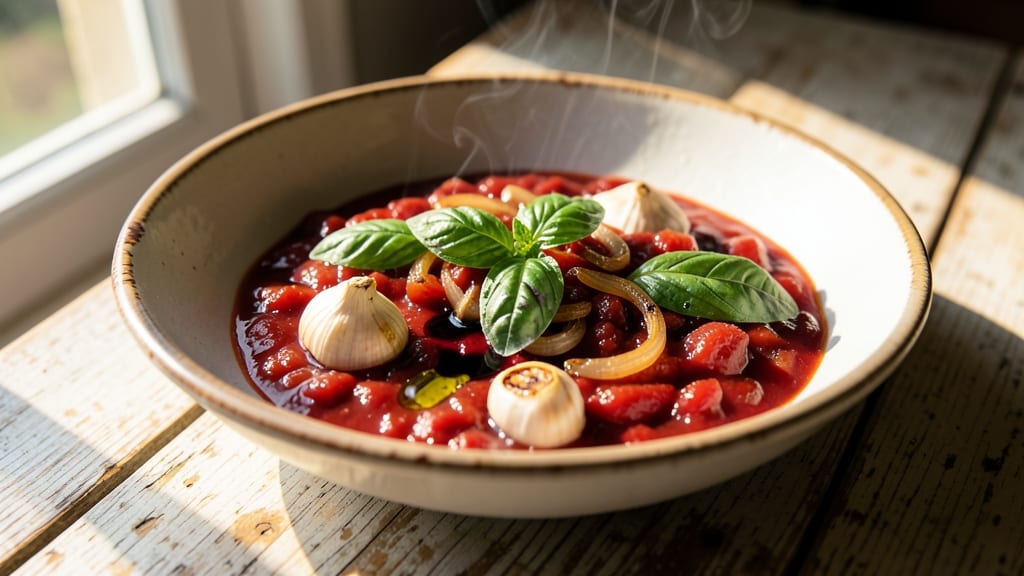
This basic Italian sauce recipe delivers pasta-perfect tomato-basil simmer that transforms any meal. 💛 The secret lies in slow cooking canned tomatoes until they break down into a rich, velvety sauce—no fancy ingredients needed, just quality basics.
I’ve perfected this over years of weekend dinners, and it’s the foundation for everything from marinara to simple weeknight pasta.
The process is straightforward: sauté garlic and onions until fragrant, then add crushed tomatoes, herbs, and a splash of red wine to deepen the flavor. Let it simmer uncovered for 30 minutes so the sauce reduces and intensifies.
The result is a smooth, aromatic base that clings beautifully to pasta without overwhelming it.
What makes this sauce truly perfect is its versatility—use it as-is for classic spaghetti or as a base for creamy Alfredo by stirring in heavy cream. The bright basil and subtle garlic notes come through clearly, making it taste homemade even when you’re short on time.
Store leftovers in the fridge for up to 5 days or freeze for months. For extra depth, add a pinch of sugar or a bay leaf during simmering. This is the sauce that proves simple ingredients can deliver restaurant-quality flavor.
Ingredients for basic italian sauce
Quality ingredients transform simple canned tomatoes into restaurant-worthy Italian sauce perfection.
| Ingredient | Amount | Notes |
|---|---|---|
| Extra-Virgin Olive Oil 🫒 | ½ cup | High-quality, fruity variety preferred |
| Yellow Onion 🧅 | 1 whole | Medium-sized, finely chopped |
| Garlic Cloves 🧄 | 4 cloves | Freshly minced for maximum flavor |
| Canned Crushed Tomatoes 🍅 | 28 oz | San Marzano preferred for sweetness |
| Dry Red Wine 🍷 | ½ cup | Bold variety like Cabernet Sauvignon |
| Fresh Basil Leaves 🌿 | ½ cup | Packed, stems removed, chopped |
| Sea Salt 🧂 | 1 ½ tsp | Diamond Crystal preferred |
| Ground Black Pepper 🌶️ | ½ tsp | Freshly ground for best flavor |
| Granulated Sugar 🍚 | 1 tsp | Balances acidity |
| Dried Bay Leaf 🌿 | 1 whole | Optional for extra depth |
The tomatoes are the foundation—San Marzano is ideal for its natural sweetness, but any good-quality crushed tomatoes work. Trader Joe's and Whole Foods carry excellent brands, or check the Italian aisle at your local grocery store. Fresh basil is non-negotiable here; the grocery store's plastic containers often have wilted leaves, so farmers markets or growing your own is best. For the wine, any bold red will do—whatever's open in your fridge works fine. The bay leaf adds subtle complexity, but it's optional if you're short on time.
No red wine? Substitute with extra tomato paste or beef broth for depth. Short on fresh basil? Dried basil at one-third the amount gets you close, though the flavor won't be as vibrant. The sugar balances the acidity—skip it if your tomatoes are particularly sweet. For a richer sauce, stir in 2 tablespoons of heavy cream at the end. The onions and garlic should be sautéed until translucent but not browned—this prevents bitterness in the final sauce.
This sauce keeps beautifully in the fridge for 5 days in an airtight container, or 3 months frozen. For freezing, portion into ice cube trays before transferring to a bag—perfect for quick pasta meals. The flavor actually improves after a day or two as the ingredients meld. Double the batch and freeze half; you'll thank yourself later when you're short on time for dinner.
Why You'll Love This Recipe
- Five-Ingredient Magic: I swear, this is the kind of sauce where you’re basically cheating—but in the best way. One onion, two garlic cloves, a splash of wine, and crushed tomatoes? That’s it. No fancy prep, no stress, just pure flavor in a pot.
- Wine’s Secret Boost: Here’s what sold me—the red wine isn’t just for show. It deepens the flavor while the alcohol burns off, leaving behind this rich, almost meaty depth that turns simple tomatoes into something irresistible. (Yes, even on a Tuesday night.)
- Pasta Party Starter: This sauce is my go-to for last-minute gatherings. Toss it with spaghetti for a 20-minute dinner, or let it simmer longer to serve over grilled chicken or roasted veggies. It’s the one sauce that works for everything—no overthinking required.
- Leftovers That Don’t Suck: Between us, most sauces turn into a sad, watery mess after day two. Not this one. The olive oil keeps it rich, and the acidity from the wine actually improves with time. Freeze half for future lazy nights—it’ll taste like you made it fresh.
Step-by-step instructions for tomato-basil simmer for pasta perfection
Here's how to build a rich, balanced Italian sauce that clings beautifully to pasta.
🍳 Step 1: Sauté Onion Until Translucent
Heat the 0.5 cup extra-virgin olive oil in a large saucepan over medium heat. Add the finely chopped yellow onion and cook for 5-6 minutes until completely soft and translucent at the edges. Stir occasionally to prevent browning—this foundational step develops the sauce's sweetness.
I like to press down gently with a wooden spoon during the last minute of cooking. This helps break down the onion fibers more thoroughly, creating a smoother base for the sauce. If the onions start to brown too quickly, reduce the heat slightly—you're aiming for gentle cooking, not caramelization at this stage.
🍳 Step 2: Add Garlic and Cook Until Fragrant
Push the onions to one side of the pan and add the minced garlic cloves. Stir for 30 seconds until the garlic becomes aromatic and just barely golden. Be careful not to let it burn—garlic turns bitter quickly, and you'll taste that unpleasantness in every bite.
Here's the thing—this quick cooking time is crucial. Garlic should perfume the oil but not color it. When you see the edges of the garlic turning pale golden, that's your signal to move to the next ingredient. The residual heat from the onions will continue cooking the garlic gently as you stir everything together.
🍳 Step 3: Deglaze with Red Wine
Pour in the 0.5 cup dry red wine and scrape up any browned bits from the bottom of the pan. This deglazing step captures all the flavor that would otherwise stick to your pan. Let the wine simmer for 2-3 minutes until it reduces by about half and the alcohol smell dissipates completely.
I always use a wooden spoon for this because it's more effective at scraping up those flavorful bits than a metal spoon. The wine should smell rich and fruity, not sharp or alcoholic. If it's reducing too quickly, lower the heat slightly—you want gradual evaporation, not rapid boiling.
🍳 Step 4: Build the Tomato Base
Add the 28 oz canned crushed tomatoes, 1 tsp granulated sugar, 1.5 tsp sea salt, 0.5 tsp ground black pepper, and the whole dried bay leaf. Stir well to combine, then increase heat to medium-high and bring the sauce to a gentle boil. Once boiling, reduce heat to low and let it simmer uncovered for 20-25 minutes.
The sugar balances the acidity of the tomatoes, while the bay leaf adds subtle earthy depth. You'll know the sauce is ready when it thickens slightly and coats the back of a spoon. Stir occasionally to prevent sticking—this sauce should never scorch. If it looks too thick before the 20 minutes are up, add 2-3 tablespoons of water to loosen it.
🍳 Step 5: Finish with Fresh Basil and Adjust Seasoning
Remove the bay leaf and stir in the chopped fresh basil leaves. Let the sauce simmer for another 2-3 minutes just to infuse the basil flavor. Taste and adjust seasoning if needed—this is your final chance to perfect the balance of salt, acid, and sweetness.
The basil should transform the sauce from simple tomato to vibrant Italian flavor. I like to remove the pan from heat at this point to preserve the bright green color of the basil. If you're serving immediately, keep the sauce warm over low heat—just enough to maintain temperature without further cooking the tomatoes.
Pro Tips For Making Basic Italian Sauce
- Sweat the Onion Slowly: I used to rush this step and end up with a bitter, watery base—don’t. Cut the onion into even ¼-inch slices (not too thin, not too thick) and cook them over medium-low heat in the olive oil for 8-10 minutes. Stir occasionally, but let those edges turn translucent and golden before touching garlic. The patience here makes the whole sauce richer.
- Deglaze with Wine Early: After the onions are done, add the garlic and let it sizzle for 30 seconds—then immediately pour in the red wine. Let it bubble away for a full 2 minutes before adding tomatoes. This step isn’t just for flavor; it’s where the sauce’s depth gets built. Skip it, and you’ll taste a flat, one-dimensional base.
- Crush Tomatoes by Hand: Drain the crushed tomatoes but don’t skip this: give the can a rough shake or gently crush any large chunks with your fingers. The texture of the sauce depends on it. Smooth = better absorption, less watery mess. I know canned tomatoes get a bad rap, but this small effort makes them taste like you simmered fresh ones.
- Simmer Uncovered, Stir Often: After adding tomatoes, bring the sauce to a gentle simmer and let it cook uncovered for 20-25 minutes. Stir every 5 minutes—this prevents scorching and helps the alcohol fully cook off. If it looks too thick, add a splash of water; if too thin, simmer longer. The goal is a glossy, balanced consistency, not a gluey blob.
Pro cooking tips for basic italian sauce
Sauté Like a Pro
Use a large, heavy-bottomed saucepan—I prefer my All-Clad stainless steel—to distribute heat evenly and prevent scorching. Heat the 0.5 cup extra-virgin olive oil over medium heat and add the onions. The key is patience: onions should cook for 5-6 minutes until fully translucent but never golden.
I like to press them down with a wooden spoon during the last minute to break down fibers and create a smoother base. 💛
Garlic Timing Matters
Garlic burns in seconds, so add it only after onions are fully cooked. Push onions to one side of the pan and add the 4 minced garlic cloves, stirring constantly for 30 seconds until fragrant but not colored.
The moment garlic turns pale golden, it's time to move to the next step. I've ruined many batches by walking away for just a moment—don't make that mistake!
Wine Reduction Secrets
Deglaze with 0.5 cup dry red wine immediately after garlic to capture fond flavors. Use a wooden spoon to scrape up browned bits from the pan's bottom—this adds depth. Let the wine reduce by half over 2-3 minutes on medium heat.
The alcohol should fully evaporate, leaving only rich fruit notes. If it reduces too quickly, lower the heat to prevent boiling.
Tomato Simmer Control
Bring the sauce to a gentle boil after adding tomatoes, then reduce to low heat and simmer uncovered for 20-25 minutes. The uncovered lid allows excess moisture to evaporate, concentrating flavors.
Stir occasionally to prevent sticking—this sauce should never scorch. If it thickens too quickly, add 2-3 tablespoons of water to maintain consistency. 🌡️
Basil Infusion Trick
Add fresh basil only at the very end to preserve its vibrant color and bright flavor. Let it simmer for just 2-3 minutes—any longer will turn the leaves bitter. I like to remove the pan from heat immediately after adding basil to lock in its freshness.
For extra flavor, gently press the basil leaves against the sauce with a spoon before removing them.
Sauce Consistency Fixes
If your sauce is too thick, add 1-2 tablespoons of water or pasta water and simmer for 2-3 minutes to loosen it. For a smoother texture, blend 1-2 cups of the sauce before mixing it back in.
The sauce should coat the back of a spoon but remain pourable. If it's too thin, simmer uncovered for 5-10 more minutes to reduce it further. Trust your taste buds—adjust until it reaches your ideal consistency.
Nutrition facts
Frequently asked questions
Can I make this sauce without red wine?
Skip the wine and use 2 tablespoons tomato paste mixed with 2 tablespoons water instead. For extra depth, add 1 teaspoon balsamic vinegar or a splash of beef broth. The sauce will still develop rich flavors without alcohol.
How do I know when the sauce is done?
The sauce is ready when it coats the back of a spoon smoothly and has reduced by about 25% in volume (usually after 20-25 minutes of simmering). It should smell aromatic with bright tomato and basil notes. Taste it—if the tomatoes still taste sharp, simmer 5 more minutes uncovered.
Can I use this sauce for dishes other than pasta?
Yes! This versatile sauce works beautifully for pizza sauce (add 1 teaspoon dried oregano), meatballs, or as a topping for grilled chicken. For a creamy version, stir in ½ cup heavy cream at the end. The base remains the same—just adjust seasonings to suit your dish.
Why did my sauce turn bitter?
Bitter flavor usually means overcooked garlic or onions (let them brown) or under-simmered tomatoes. Next time, remove the garlic after 30 seconds and simmer the tomatoes uncovered for 20-25 minutes on low heat. If it's already bitter, balance it with ½ teaspoon sugar or a pinch of salt.
How can I make this sauce spicier?
Add ½ teaspoon red pepper flakes when sautéing onions, or stir in 1-2 teaspoons hot sauce at the end. For heat with depth, cook 1 diced jalapeño with the onions. Always taste first—you can add more, but you can't remove heat!