
Sauces & Condiments
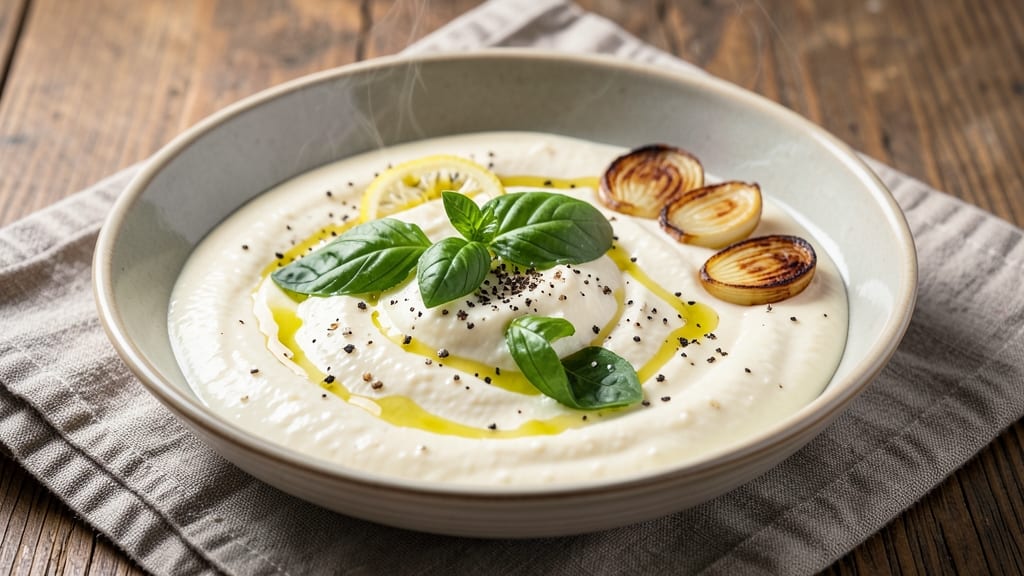
This creamy Barilla ricotta sauce transforms simple pasta into restaurant-quality Italian perfection—no heavy cream required. The secret lies in blending ricotta with lemon zest, garlic, and fresh herbs, creating a velvety sauce that clings beautifully to every strand.
I developed this recipe after craving that authentic Italian richness without the fuss of traditional béchamel.
What sets this sauce apart is its versatility—it elevates Barilla pasta, lasagna layers, or even as a dip for crusty bread. The ricotta provides natural creaminess, while lemon and herbs brighten the flavor profile.
Unlike store-bought versions, this recipe delivers a fresh, herby depth that stands out in any dish.
In just 15 minutes, you’ll achieve a smooth, creamy sauce with a perfect balance of tangy and savory notes. The blend of ricotta, garlic, and herbs creates a texture that’s luxurious yet light, making it ideal for weeknight dinners or special occasions.
Trust me, this sauce will become your go-to for Italian-inspired meals.
Pair it with Barilla’s al dente pasta for a dish that feels indulgent yet remains simple to prepare. The sauce also freezes beautifully, so you can make a batch ahead for future meals. Let’s get cooking—your taste buds will thank you.
Ingredients for barilla ricotta sauce
Nine simple ingredients create this velvety Barilla ricotta sauce—rich, herby, and ready in 15 minutes.
| Ingredient | Amount | Notes |
|---|---|---|
| Whole Milk Ricotta Cheese 🧀 | 1 cup | Full-fat for creaminess |
| Extra-Virgin Olive Oil 🫒 | ½ cup | High-quality, fruity |
| Fresh Garlic Cloves 🧄 | 3 cloves | Minced for even distribution |
| Fresh Lemon Zest 🍋 | 1 tbsp | Brightens the sauce |
| Fresh Lemon Juice 🍋 | 1 tbsp | Freshly squeezed |
| Fresh Basil Leaves 🌿 | ½ cup | Packed, stems removed |
| Fresh Parsley Leaves 🌿 | ¼ cup | Chopped, for freshness |
| Diamond Crystal Kosher Salt 🧂 | ½ tsp | Fine grain preferred |
| Freshly Ground Black Pepper 🌶️ | ¼ tsp | Freshly cracked |
Ricotta is the star here, so grab the full-fat kind—it gives that luxurious creaminess without needing heavy cream. Whole milk ricotta from the deli section (not the pre-packaged stuff) is ideal, but the tub works in a pinch. Fresh herbs make all the difference: basil and parsley should be bright green, not wilted. If you're at Whole Foods, their pre-washed herbs are convenient. For garlic, 3 cloves is perfect—don't overdo it, or the sauce will taste bitter. The lemon zest and juice add that bright Italian tang that balances the richness.
No fresh herbs? Dried basil and parsley at one-third the amount will work, but the flavor won't be as vibrant. Short on lemon? Lemon extract at half the amount (½ tsp) is a decent swap, though it lacks the zest's texture. The olive oil matters here—use something you'd drizzle on bread, not the cheap cooking oil. Trader Joe's or Costco have great options. For a tangier sauce, add an extra ½ tbsp lemon juice. Want more depth? A pinch of red pepper flakes adds subtle heat without overpowering.
This sauce keeps beautifully—store it in an airtight container in the fridge for up to 5 days. It freezes wonderfully too, so make a double batch. To reheat, warm gently on the stove with a splash of milk or water to restore creaminess. I like to portion it into ice cube trays before freezing—just pop out what you need for future meals. The sauce thickens as it cools, so don't worry if it looks a bit heavy after chilling. Stir in a splash of milk or water when reheating.
Why You'll Love This Recipe
- Five-Ingredient Magic: This sauce comes together with just a few pantry staples—no fancy techniques, no hidden ingredients. I swear, you’ll have it ready while your pasta boils, and the ricotta’s natural creaminess does all the heavy lifting.
- Bright & Tangy Kick: That lemon zest and juice cut through the richness like a breath of fresh air. Honestly, the garlic and olive oil make it taste like you simmered it for hours, but it’s actually just a quick toss in a bowl.
- Pasta’s New Best Friend: Slather it on linguine, toss it with roasted veggies, or drizzle it over grilled chicken—it’s the kind of sauce that makes even the simplest meal feel special. My kids ask for it at least twice a week, no lie.
- Leftovers That Don’t Let You Down: This sauce keeps beautifully in the fridge for up to five days, and it only gets better as the flavors meld. Between us, I’ve reheated it straight from the jar and served it cold on crostini—still delicious.
Step-by-step instructions for Barilla ricotta sauce
This creamy, herby ricotta sauce comes together faster than you can boil water—just follow these simple steps.
Blend the Fresh Herbs and Garlic
In a food processor or blender, combine the 0.5 cup fresh basil leaves, 0.25 cup fresh parsley leaves, and 3 cloves fresh garlic cloves. Pulse until you achieve a finely chopped consistency—think more like a paste than a chunky mixture. This ensures the flavors distribute evenly throughout the sauce.
I like to add a splash of the 0.5 cup extra-virgin olive oil at this stage to help the herbs blend smoothly. Pulse again until everything is fully incorporated. The mixture should look vibrant green with no visible chunks. This herb-garlic base is the flavor foundation of your sauce, so take your time here to get it right.
Combine Ricotta and Citrus
Transfer the herb mixture to a medium bowl and add the 1 cup whole milk ricotta cheese. Using a wooden spoon or silicone spatula, gently fold everything together until fully combined. The ricotta should start to take on the bright green color of the herbs.
Next, add the 1 tablespoon fresh lemon zest and 1 tablespoon fresh lemon juice. The zest brings bright citrus notes while the juice adds fresh acidity that balances the richness of the ricotta. Stir well to distribute the lemon throughout. Here's the thing—don't overmix. Just until everything is incorporated so you maintain that creamy texture without developing lumps.
Emulsify with Olive Oil
With the motor running on low speed, slowly drizzle in the 0.5 cup extra-virgin olive oil while continuing to stir. This gradual addition is crucial—it prevents the sauce from breaking and creates that silky, emulsified texture we're after. You'll know you're on the right track when the sauce starts to look glossy and uniform.
I like to use an immersion blender for this step if I'm making the sauce directly in the pot. It creates a smoother texture without any lumps. If you're using a regular blender, transfer everything back and blend briefly until completely smooth. This is where the magic happens—the oil transforms the ricotta from thick and chunky to velvety and luxurious.
Season and Adjust Consistency
Taste the sauce and add the 0.5 teaspoon diamond crystal kosher salt and 0.25 teaspoon freshly ground black pepper. The salt should enhance all the flavors while the pepper adds a subtle warmth. At this point, you might find the sauce needs thinning—this is normal with ricotta-based sauces.
To adjust the consistency, add warm pasta water (from your cooked Barilla pasta) 1 tablespoon at a time while stirring continuously. You want a sauce that's creamy but still coats the back of a spoon. The sauce should be thick enough to cling to pasta but thin enough to flow smoothly. I usually end up adding about 2-3 tablespoons of pasta water for the perfect consistency. Remember, you can always add more later if needed.
Finish with Fresh Herbs
Return the sauce to low heat (if you removed it from the pot) and let it warm through for just 1-2 minutes. This gentle heat helps meld all the flavors together without breaking the emulsion. Remove from heat immediately—ricotta sauces can curdle if overheated.
Garnish with additional fresh basil leaves and fresh parsley leaves, torn by hand for a beautiful presentation. The fresh herbs add a bright, aromatic finish that complements the creamy ricotta perfectly. Serve immediately over your cooked Barilla pasta, tossing gently to coat each strand. The sauce should cling beautifully, creating that restaurant-quality finish you're after.
Pro Tips For Making Barilla Ricotta Sauce
- Warm the Ricotta: Dump cold ricotta straight into your sauce and it’ll clump like a sad, lumpy mess. Heat it gently in a small saucepan with a splash of milk (or water) over low heat—just until it’s the temperature of warm bathwater—before mixing it in. This keeps the texture silky and prevents curdling when you add the lemon.
- Toast the Garlic: Raw garlic in this sauce tastes harsh and overpowering. Sauté 2 cloves in olive oil until they’re golden and just starting to brown—about 3 minutes—then crush them with the back of your knife. The nutty depth from toasting balances the ricotta’s mildness and makes the sauce sing.
- Strain the Lemon: Bottled lemon juice has seeds and pulp that turn your sauce grainy. Use a fine-mesh strainer to press out the juice, then rub the zest over a microplane to remove any bitter pith. A splash of fresh, clear juice and fine zest keeps the sauce bright and smooth.
- Finish with Oil: Stirring in olive oil at the very end—just a drizzle—creates a luxurious, velvety coating on the sauce. It also mutes any sharpness from the lemon and garlic, letting the ricotta’s natural sweetness shine. Skip this, and your sauce will taste flat and one-dimensional.
Essential equipment for this dish
Blender Essentials
You’ll need a high-quality food processor or immersion blender—this sauce relies on smooth emulsification. I recommend a Ninja BN601 for its powerful motor or a Cuisinart immersion blender for hands-free blending.
The immersion blender is my go-to because it lets me blend directly in the sauce pot, eliminating transfers. 💡
Measuring Tools
Precision matters here, especially with ricotta and olive oil. Use a stainless steel measuring cup (like OXO Good Grips) for the ricotta and a liquid measuring cup for the olive oil.
A microplane for lemon zest is a game-changer—it yields fine, even zest without the bitter pith. I keep one on my counter just for this purpose.
Heat Control
Low and slow is key when warming the sauce. A heavy-bottomed saucepan (I use All-Clad) prevents hot spots that can curdle the ricotta. If you don’t have one, a stainless steel skillet works too.
Always keep heat at medium-low—ricotta separates if it gets too hot. A digital thermometer helps monitor temps if you’re nervous.
Storage Containers
For leftovers, glass airtight containers (like Pyrex) are best—they preserve freshness longer than plastic. For freezing, I use silicone ice cube trays to portion single servings. When reheating, a fine-mesh strainer helps remove any separated fat if needed. Pro tip: Label containers with dates to track freshness.
Herb Prep Tools
Fresh herbs need proper prep tools. A sharp chef’s knife (I love Wüsthof) and cutting board (like Teakhaus) make chopping basil and parsley efficient. For garlic, a garlic press speeds up mincing, but I still prefer hand-mincing for better flavor control.
A small bowl for zesting is handy too—it catches the fine zest without making a mess.
Nutrition facts
Frequently asked questions
Can I make this ricotta sauce without fresh herbs?
Yes, but the flavor will be less vibrant. Use 1 tablespoon dried basil and 1 teaspoon dried parsley instead, but reduce the olive oil by 1 tablespoon since dried herbs absorb more. For extra depth, add ½ teaspoon dried oregano or a pinch of red pepper flakes. The sauce will still be creamy, just with a more muted herbal profile.
Why did my ricotta sauce separate?
Ricotta separates when exposed to too much heat or acidic ingredients all at once. To fix it, whisk in 1 tablespoon warm milk or pasta water while stirring constantly over low heat. If the separation is severe, strain through a fine-mesh sieve to remove any curdled bits. For prevention, always add lemon juice gradually and keep heat at medium-low.
Can I use this sauce for dishes other than pasta?
This versatile sauce works beautifully as a dip for crusty bread or vegetable sticks, a spread for bruschetta, or even a topping for grilled chicken or fish. For lasagna, spread it between layers instead of béchamel. The creamy texture also makes it perfect for stuffing mushrooms or zucchini boats. Just adjust the consistency with a splash of milk if needed.
How do I make this sauce thicker or thinner?
For a thicker sauce, simmer it gently for 1-2 minutes to evaporate excess liquid. If it's too thick, whisk in warm pasta water or milk 1 tablespoon at a time until smooth. For the best results, add liquid gradually while stirring constantly. If the sauce breaks, mix in ½ teaspoon cornstarch dissolved in 1 tablespoon water to help stabilize it.
Can I substitute ricotta with another cheese?
While ricotta is ideal for its mild, creamy texture, you can use mascarpone (for richness) or cottage cheese (blended smooth) (for a lighter version). For a vegan option, blend ½ cup silken tofu with 2 tablespoons nutritional yeast and 1 tablespoon lemon juice. The flavor will differ slightly, but the sauce will still be creamy and versatile. Adjust seasonings to taste.