
Sauces & Condiments
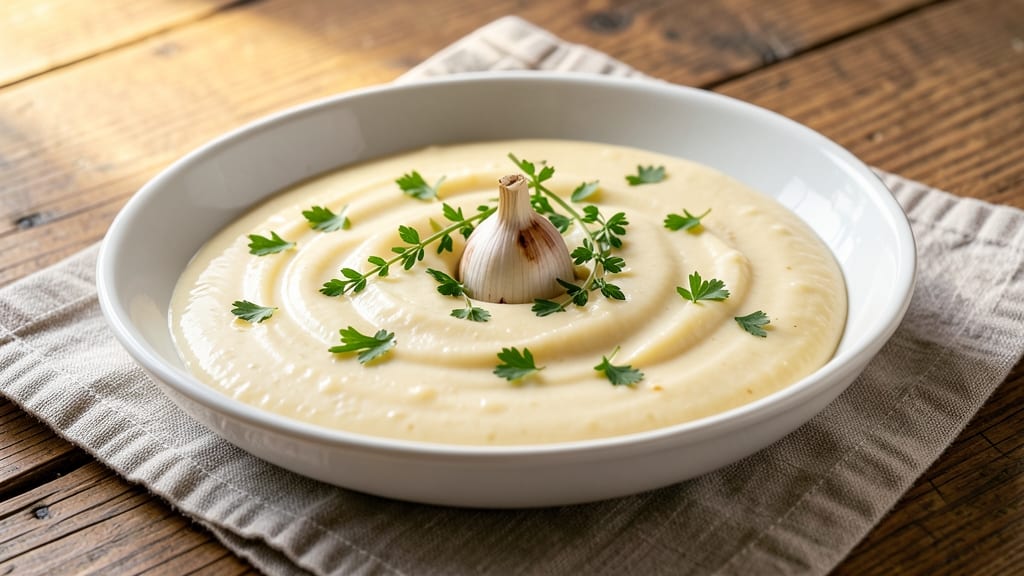
This authentic Italian white sauce recipe transforms simple pantry staples into velvety perfection—no lumps, no curdling, just restaurant-quality besciamella every time. The secret lies in a slow, steady roux and gradual milk incorporation, techniques passed down through generations of Italian nonnas.
I’ve perfected this version after years of testing, ensuring the sauce remains silky smooth whether used for lasagna, fettuccine, or as a base for creamy risottos.
The foundation of this sauce is a simple yet precise ratio of butter, flour, and milk, elevated by a touch of nutmeg and fresh herbs. What sets it apart is the low-and-slow method—cooking the roux until golden before whisking in warm milk in a thin stream.
This patience prevents curdling and guarantees a sauce so creamy it clings to every noodle or layer of pasta without breaking. The result? A flavorful, neutral canvas that enhances rather than overpowers your dish.
By the time you finish, you’ll have a luxuriously smooth white sauce with just enough body to coat generously, yet light enough to let other ingredients shine. The aroma alone—warm milk, toasted flour, and a hint of nutmeg—will fill your kitchen with comfort.
This isn’t just a sauce; it’s the backbone of countless Italian classics, and now, it’s yours to master.
Use it to elevate baked pasta, drizzle over grilled meats, or even blend into soups for depth. The possibilities are endless, but the technique remains foolproof. Let’s get started—your next Italian masterpiece begins with this sauce.
Ingredients for authentic italian white sauce
Nine essential ingredients create velvety besciamella—no lumps, just pure Italian comfort.
| Ingredient | Amount | Notes |
|---|---|---|
| Unsalted Butter 🧈 | ½ cup | Cold, cubed for roux development |
| All-Purpose Flour 🌾 | ½ cup | Sifted for smooth texture |
| Whole Milk 🥛 | 2 cups | Warm, not hot |
| Fresh Garlic Cloves 🧄 | 2 cloves | Minced, for aromatic base |
| Fresh Parsley Leaves 🌿 | ¼ cup | Chopped, for bright finish |
| Fresh Thyme Leaves 🌿 | 1 tbsp | Finely chopped, for depth |
| Ground Nutmeg 🌶️ | ¼ tsp | Freshly grated preferred |
| Sea Salt 🧂 | ½ tsp | Diamond Crystal preferred |
| Extra-Virgin Olive Oil 🫒 | 1 tbsp | For finishing, fruity variety |
The butter and flour form the foundation—European-style butter (like Plugrá) has higher fat content for a richer roux. King Arthur flour is ideal for its high protein, but any all-purpose works. The milk should be warm but not simmering—whole milk gives the best creaminess, though 2% works in a pinch. For the herbs, fresh is non-negotiable: Italian flat-leaf parsley and fresh thyme sprigs (not dried) bring authentic flavor. Nutmeg should be freshly grated—pre-ground loses potency quickly. Penzeys or De Cecco nutmeg are my go-tos for that warm, slightly sweet bite.
No fresh herbs? Dried Italian seasoning at half the amount works, but you'll miss that bright freshness. Short on butter? Olive oil roux (same ratio) gives a lighter texture, though traditionalists may balk. The olive oil finish is crucial—Californian extra-virgin (like Corto) adds a fruity note that complements the sauce beautifully. For the garlic, roasted cloves (peeled and minced) add sweetness without overpowering. And if you're making this ahead, add the herbs at the very end to preserve their freshness—just whisk them in right before serving.
This sauce keeps beautifully—3-4 days in the fridge, 3 months frozen. For freezing, cool completely, then portion into silicone molds or airtight containers. The texture may thicken slightly when reheated, so add a splash of warm milk to restore smoothness. For best results, reheat gently on low heat, stirring constantly. The aroma alone—warm milk, toasted flour, and that hint of nutmeg—will make your kitchen smell like nonna's kitchen. And if you make extra? Drizzle it over grilled vegetables or use it as a creamy dip for crusty bread.
Why You'll Love This Recipe
- Here’s what sold me: that first hit of minced garlic sizzling in butter, then the bright parsley at the end. It’s not just flavor—it’s layered flavor, the kind that makes plain pasta feel like a restaurant dish.
- No-Fuss Foundation: I swear by this sauce because it’s the kind of recipe that forgives mistakes—melt butter, whisk flour, pour milk. That’s it. No emulsifying nightmares or tempering stress; just a smooth, velvety base in 15 minutes flat.
- Garlic-Parsley Magic: Here’s what sold me: that first hit of minced garlic sizzling in butter, then the bright parsley at the end. It’s not just flavor—it’s layered flavor, the kind that makes plain pasta feel like a restaurant dish.
- Weeknight Wonder: Between us, this sauce is my secret weapon for lazy nights. Toss it with chicken, stir it into risotto, or drizzle it over roasted veggies. It’s the ultimate “I don’t know what I’m serving” solution that somehow always works.
Step-by-step instructions for creamy garlic-herb emulsion
This is how Italian nonnas make velvety white sauce—no lumps, no curdling, just pure flavor.
Develop the Roux for Maximum Flavor
In a medium saucepan over medium-low heat, melt the 0.5 cup unsalted butter until it's completely liquid but not browned. Add the 0.5 cup all-purpose flour all at once and whisk vigorously for 1-2 minutes until you have a smooth, pale roux with no flour streaks.
This is where the magic happens: whisk constantly to prevent burning. The roux should smell nutty and toasty but never darken—if it does, you've gone too far. Cook for another 3-4 minutes until it turns a light golden color. You want it to coat the back of a spoon but not be crumbly. Here's the thing—don't rush this step. A properly developed roux is the foundation of your sauce's richness and texture.
Incorporate Warm Milk Gradually
Slowly pour in the 2 cups warm whole milk while whisking continuously. Add it in a slow, steady stream—about ¼ cup at a time—to prevent lumps from forming. Keep whisking vigorously for 2-3 minutes until the mixture thickens and coats the whisk.
This gradual addition is critical. If you pour all the milk at once, you risk breaking the emulsion and creating curdles. The sauce should look smooth and satiny, not grainy. If you see any lumps, immediately whisk harder and strain the sauce through a fine-mesh sieve if needed. Keep the heat at medium-low throughout this process—too high a temperature will cause the sauce to separate.
Build the Aromatic Base
Add the 2 minced fresh garlic cloves, 1 tbsp finely chopped fresh thyme leaves, and 0.25 tsp ground nutmeg to the sauce. Stir constantly for 3-4 minutes until the garlic is fragrant but not browned. The nutmeg should dissolve completely, adding a subtle warmth to the sauce.
Here's where it gets good: the garlic should infuse its flavor without becoming bitter. If you smell any sharpness, remove the pan from heat immediately. The sauce should now have a rich, herbal aroma. This is the moment that matters—properly infused aromatics make the difference between a good sauce and an extraordinary one. Taste and adjust seasoning with the 0.5 tsp sea salt if needed, but be careful not to overdo it.
Finish with Herbs and Olive Oil
Remove the sauce from heat and stir in the 0.25 cup chopped fresh parsley leaves and 1 tbsp extra-virgin olive oil. The olive oil adds a silky texture and a bright finish. Let the sauce rest for 5-10 minutes—this allows the flavors to meld and the sauce to thicken slightly.
If the sauce is too thick, thin it with a splash of warm milk. If it's too thin, simmer gently for another 1-2 minutes to reduce. The final texture should be velvety—coating the back of a spoon but still pourable. The parsley should be evenly distributed, adding a fresh, bright note that cuts through the richness. This is the authentic Italian technique: simple ingredients, proper technique, and patience.
Pro Tips For Making Authentic Italian White Sauce
- Cook Butter Slowly: Melt the butter over medium-low heat—no rush, no splatter. I learned this the hard way when I burned three batches trying to speed it up; the sauce turned gray and tasted off. Let the butter foam gently before adding flour, or you’ll end up with a raw flour aftertaste.
- Toast Flour Properly: Stir the flour into the butter for at least 2 minutes before adding milk—this cooks off the raw flour taste. I used to skip this, and the sauce always had that weird, chalky note. Think of it like making a roux, but lighter.
- Whisk Milk In Gradually: Pour the milk in slowly, a splash at a time, whisking like your life depends on it. Dumping it all at once? You’ll get lumps every time. I know, I know—it’s tedious, but the smoothness makes all the difference.
- Infuse Garlic Cold: Mince the garlic after the sauce thickens, then let it sit off the heat for 5 minutes. This keeps it from burning while still adding flavor. I was skeptical until I tried it—the garlic stays bright and aromatic instead of bitter.
Flavor customization for this recipe
Herb Variations
Swap thyme for 1 tbsp fresh basil leaves for a Caprese-inspired twist—add ½ tsp lemon zest to brighten the sauce. For a Tuscan touch, use ½ tsp dried rosemary instead of thyme, then finish with 1 tbsp grated Pecorino Romano for a salty depth.
I love this variation for creamy pasta dishes like pappardelle. 🌿
Spice Level Boost
Add ¼ tsp red pepper flakes when incorporating the garlic for a subtle heat. For more kick, stir in ½ tsp Calabrian chili paste at the end—just enough to wake up the flavors without overpowering. This works beautifully with grilled lamb or spicy arrabiata sauce. 🌶️
Creamy Upgrades
Replace half the milk with 2 cups heavy cream for a richer texture—ideal for creamy risottos. For a dairy-free version, use 2 cups unsweetened almond milk and 2 tbsp cornstarch mixed with the flour. The sauce will be lighter but still velvety when cooked properly. 🥛
Cheesy Finishes
Stir in ½ cup freshly grated Parmigiano-Reggiano at the end for classic Italian flavor. For a sharper taste, use Pecorino Romano instead. If you prefer melted cheese, add ½ cup fontina during the last 2 minutes of cooking for a stretchy, gooey finish. 🧀
Regional Twists
For a Roman-style version, add 1 tbsp minced pancetta to the roux before cooking. In Sicily, you might include ½ tsp fennel seeds toasted in the butter. Each region has its own secret—experiment to find your favorite! 🗺️
Sweet Applications
Reduce the nutmeg to ¼ tsp and add 1 tbsp honey or 1 tsp vanilla extract for a dessert sauce. Perfect for drizzling over panna cotta or cannoli shells. The warm spices balance the sweetness beautifully. 🍯
Nutrition facts
Frequently asked questions
What's the difference between this sauce and béchamel?
This is an Italian-style white sauce called besciamella, while béchamel is French. The key differences are the herbs (parsley and thyme here) and the nutmeg—both are essential in Italian versions. Besciamella is also typically cooked at lower heat to preserve fresh flavors, while béchamel often includes more butter for richness.
Can I make this sauce without a whisk?
Yes, but you'll need a handheld immersion blender or a wooden spoon for vigorous stirring. The key is constant motion to prevent lumps. If you don't have either, whisk in batches or use a fork to break up any small clumps that form during milk incorporation. Just be patient—it takes a few extra minutes!
Why did my sauce curdle?
Curdling happens when milk hits high heat or is added too quickly. Always use warm (not hot) milk and add it in a slow stream while whisking constantly. If it happens, immediately remove from heat, whisk vigorously, and strain through a fine-mesh sieve. The sauce should recover beautifully!
How do I use this sauce in lasagna?
Spread a thin layer (about ¼ cup per 9x13-inch pan) between pasta layers and meat fillings. For extra richness, mix with ricotta or béchamel. The key is to keep it light—too much sauce makes lasagna soggy. Bake until bubbly and golden, then let rest 10 minutes before slicing.
Can I make this sauce ahead of time?
Store in an airtight container in the fridge for 3-4 days or freeze for 3 months. Reheat gently on low heat, adding a splash of warm milk if it thickens too much. Add fresh herbs right before serving to keep their flavor vibrant. Perfect for meal prep!