
Sauces & Condiments
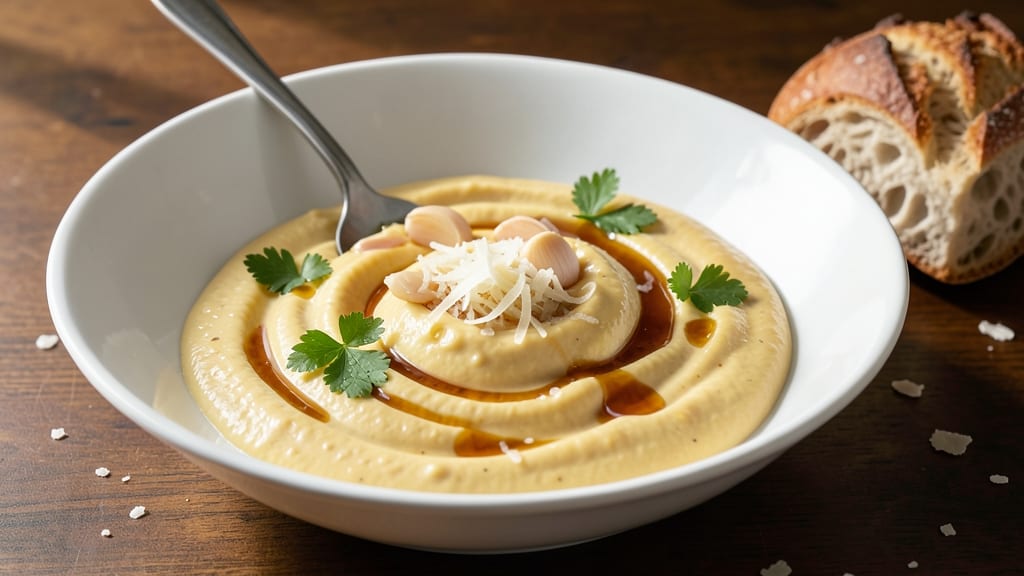
This Alfredo sauce recipe with ricotta cheese delivers restaurant-quality richness without heavy cream, using simple ingredients to create a velvety, balanced sauce perfect for pasta or chicken.
The ricotta adds natural creaminess while keeping the sauce lighter than traditional versions, with just the right amount of garlic and Parmesan for depth. What makes this recipe stand out is how it achieves that signature smooth texture using pantry staples—no special equipment required.
The secret lies in tempering the ricotta with warm broth before blending, which prevents graininess and creates a silky consistency. A touch of butter at the end adds richness, while a splash of cream adjusts the thickness to your preference.
Unlike store-bought versions, this sauce develops deeper flavor as it sits, making it ideal for meal prep or last-minute dinners when you need something elegant yet effortless.
What you’ll end up with is a sauce that coats pasta perfectly—creamy yet not overly thick, with a subtle garlic aroma and nutty Parmesan notes. It works equally well over fettuccine, chicken, or even as a dipping sauce for breadsticks.
The best part? It comes together in just 15 minutes with ingredients you likely already have on hand, proving that homemade sauce doesn’t require complicated techniques.
For extra versatility, store leftovers in the fridge for up to 5 days or freeze for 3 months, reheating gently with a splash of milk or broth to restore creaminess.
Whether you’re serving a weeknight dinner or prepping for a gathering, this ricotta-based Alfredo delivers restaurant-quality results with minimal effort.
Ingredients for alfredo sauce recipe with ricotta cheese
Nine ingredients, creamy perfection—no heavy cream overload here.
| Ingredient | Amount | Notes |
|---|---|---|
| Whole Milk Ricotta Cheese 🧀 | 1 ½ cups | Full-fat for creaminess, drained if watery |
| Unsalted Butter 🧈 | ½ cup | Cold, cubed for easier blending |
| Heavy Cream 🥛 | ½ cup | Full-fat for best texture |
| Fresh Garlic Cloves 🧄 | 4 cloves | Minced for aromatic depth |
| Parmesan Cheese 🧀 | 1 cup | Freshly grated, fine texture |
| Vegetable Broth 🥄 | 1 cup | Low-sodium preferred, warmed |
| Extra-Virgin Olive Oil 🫒 | ¼ cup | For richness and balance |
| Diamond Crystal Kosher Salt 🧂 | ½ tsp | Adjust to taste, not pre-salted |
| Freshly Ground Black Pepper 🌶️ | ¼ tsp | Freshly cracked for brightness |
| Lemon Juice 🍋 | 1 tbsp | Freshly squeezed for acidity |
The ricotta is the star, so grab the full-fat version—it's what gives this sauce that signature velvety texture without needing heavy cream. Trader Joe's or Whole Foods carry the best quality, but any store-brand ricotta works if it's not watery. Drain it for 10 minutes if needed—trust me, it makes all the difference. For the Parmesan, grate it yourself—pre-shredded has anti-caking agents that make the sauce grainy. And that garlic? Freshly minced is non-negotiable; jarred just won't cut it here.
No ricotta? Cottage cheese blended until smooth works in a pinch, though the texture won't be quite as refined. Heavy cream too rich? Swap half for whole milk—it'll still be creamy, just lighter. The olive oil can be omitted if you're watching calories, but I'd hate to skip it—the fruity, peppery notes balance the richness beautifully. For the broth, low-sodium is key—you want to control the seasoning yourself. And if you're feeling fancy, add a splash of white wine to the warm broth before blending for extra depth.
This sauce keeps like a dream—5 days in the fridge sealed in an airtight container, or 3 months frozen in ice cube trays for perfect portions. To reheat, just warm gently with a splash of milk or broth—never let it boil, or you'll break the emulsion. I like to make a double batch; it's perfect for meal prep. The flavor actually improves overnight as everything melds together, so leftovers are a bonus. Store any extra olive oil in a cool, dark place to keep it fresh.
Why You'll Love This Recipe
- Here’s the secret: this sauce actually improves the next day. The flavors meld, the ricotta thickens just enough to cling to noodles, and you’ll swear you made it fresh. (Spoiler: I always save half.)
- No-Fuss Creaminess: I swear by this sauce because it melts together without fuss—just ricotta, butter, and cream simmered until silky. No blender, no straining, just a smooth, velvety base that feels like a hug in every bite.
- Garlic-Parmesan Punch: That raw garlic sizzle in butter? Pure magic. The ricotta tames the sharpness while the grated Parmesan adds a salty, nutty finish that makes fettuccine taste like a five-star dinner.
- Weeknight to Date Night: Same sauce, endless uses. Toss it with pasta for a quick meal, drizzle it over roasted veggies for a fancy touch, or even slather it on garlic bread when guests show up unannounced. It’s my go-to for anything.
Step-by-step instructions for Alfredo sauce with ricotta cheese
Here's how to craft a silky, restaurant-worthy sauce that's lighter than traditional versions but just as rich.
Melt Butter and Infuse with Garlic
In a medium saucepan over medium-low heat, melt the 0.5 cup unsalted butter until it's completely liquid but not browned. Add the 4 cloves minced fresh garlic cloves and cook for 1-2 minutes until fragrant—you'll smell it transform from raw to sweet and mellow. Be careful not to let it brown, or you'll get bitter flavors. This gentle cooking step builds the aromatic foundation of your sauce.
Here's the thing—the garlic should be translucent and just barely golden around the edges. If you see it darkening, pull the pan off heat immediately. The butter should foam slightly but not bubble vigorously. This is where flavor magic happens, so don't rush it.
Whisk in Ricotta and Create the Base
Reduce heat to low and slowly whisk in the 1.5 cups whole milk ricotta cheese in small additions. Start with about ¼ cup at a time, whisking vigorously after each addition until completely smooth. The ricotta will initially look lumpy, but keep whisking—it will eventually emulsify into a creamy base. This step is crucial for that velvety texture without heavy cream.
If your ricotta is watery (some brands are), drain it in a fine-mesh strainer lined with cheesecloth for 10 minutes before using. The straining removes excess moisture that can make your sauce thin. You want a thick, spoonable ricotta that blends seamlessly with the butter. This is the secret to achieving that luxurious consistency without relying solely on heavy cream.
Incorporate Warm Broth and Cheese
Pour in the 1 cup warmed vegetable broth (it should be hot but not boiling) while continuing to whisk constantly. The broth will cause the mixture to bubble gently—this is normal. Then add the 1 cup freshly grated parmesan cheese and whisk until completely melted and smooth. The sauce should begin to thicken noticeably as it heats through.
This is where you'll notice the sauce transform from a simple cheese mixture into something truly special. The parmesan adds depth of flavor while the broth carries the sauce to its proper consistency. If the sauce looks too thick at this point, you can thin it with a splash of warm broth—just 1 tablespoon at a time—until it reaches a smooth, pourable consistency that still coats the back of a spoon.
Finish with Cream and Seasonings
Stir in the 0.5 cup heavy cream and 0.25 cup extra-virgin olive oil simultaneously, whisking constantly. The olive oil adds richness and helps stabilize the sauce's texture, preventing it from curdling. Bring the mixture to a gentle simmer over low heat for 3-4 minutes, stirring frequently. This final cooking step ensures all flavors meld together perfectly.
Remove from heat and stir in the 0.5 tsp diamond crystal kosher salt, 0.25 tsp freshly ground black pepper, and 1 tbsp lemon juice. The lemon juice brightens all the rich flavors and prevents the sauce from tasting too heavy. Taste and adjust seasoning—you might want to add a pinch more salt or pepper depending on your preference. The sauce should be perfectly balanced: rich from the cheeses, bright from the lemon, and well-seasoned.
Rest and Adjust for Perfect Texture
Let the sauce rest for 5-10 minutes at room temperature. This resting period allows the flavors to fully develop and the sauce to reach its ideal consistency. During this time, the ricotta will continue to meld with the other ingredients, creating that signature velvety texture. If the sauce thickens too much while resting, simply whisk in 1-2 tablespoons of warm water or broth to loosen it.
Real talk: This sauce is best served immediately over your favorite pasta, but it will keep in the refrigerator for up to 3 days if stored in an airtight container. When reheating, do so gently over low heat, stirring frequently to prevent separation. The key is to maintain that silky texture—never let it boil once it's been resting. Serve with freshly grated parmesan and cracked black pepper on top for that final restaurant-quality touch.
Pro Tips For Making Alfredo Sauce Recipe With Ricotta Cheese
- Warm the Ricotta First: Cold ricotta turns your sauce into a clumpy mess. Microwave it for 20 seconds or warm it in a bowl over simmering water until it’s just soft to the touch—this way, it blends smoothly and doesn’t seize up when you add the cream.
- Mince Garlic Like You Mean It: Whole garlic cloves taste like they’re hiding in your sauce. Use a microplane or knife to grind them into a paste—this releases their flavor evenly and prevents those annoying chunks that ruin the texture.
- Don’t Rush the Butter: Melt the butter slowly over medium-low heat, stirring constantly. If you crank it up, you’ll burn it before the ricotta even has a chance to shine—this sauce relies on rich, nutty butter, not acrid smoke.
- Strain the Parmesan: Skip the grating and press Parmesan through a fine-mesh sieve or cheesecloth. This filters out the gritty bits and keeps your sauce silky—no one wants to feel teeth scraping their tongue while eating.
Wine and beer pairings for these flavors
White Wine Pairings
A crisp Italian Pinot Grigio from Alto Adige is my go-to choice for this ricotta Alfredo sauce. Its bright acidity and citrus notes cut through the richness beautifully, cleansing your palate between bites.
Look for a bottle with 12-13% alcohol—just enough body to complement without overpowering the delicate cheese flavors. 🍷
For something with a bit more character, try a dry Vermentino from Sardinia. This coastal Italian white has mineral undertones that pair wonderfully with the sauce's creamy texture. I like to chill mine to 45-50°F for optimal balance—too warm and the alcohol will dominate.
Light Beer Options
A Belgian Witbier like Hoegaarden brings refreshing coriander and citrus notes that contrast perfectly with the sauce's richness. The slight effervescence also helps cut through the fat, making it a great match for hearty pasta dishes. Serve it well-chilled at 40-45°F for best results. 🍺
For something more approachable, a German Helles Lager offers a clean, malty profile that won't compete with the sauce. Brands like Weihenstephaner Original provide just enough body to complement without overpowering the dish's creamy texture.
Italian Red Alternatives
If you prefer red wine, a Chianti Classico with its bright acidity and cherry notes works surprisingly well. Choose a Sangiovese-based bottle with 13-14% alcohol—the tannins provide structure that balances the sauce's creaminess. Decant it for 30 minutes before serving to soften any harsh edges. 🍷
For a lighter red option, try a Valpolicella Ripasso from Venice. Its velvety texture and subtle fruitiness make it an excellent match for the sauce's rich, cheesy profile without being too heavy.
Non-Alcoholic Options
A sparkling apple cider like Martinelli's provides the same refreshing acidity as wine without the alcohol. The crisp bubbles help cleanse your palate between bites of creamy pasta. Chill it thoroughly before serving for the best experience. 🍏
For something more sophisticated, try a non-alcoholic Italian sangria made with sparkling water, orange juice, and a splash of grenadine. The citrus notes complement the sauce beautifully while keeping the experience refreshing.
Nutrition facts
Frequently asked questions
Can I substitute cottage cheese for ricotta in this recipe?
You can try, but cottage cheese won't give the same silky texture. For best results, use full-fat cottage cheese and blend it until completely smooth before adding to the sauce. The ricotta's naturally creamy, mild flavor is key to that authentic Alfredo texture. If you must substitute, reduce the amount by ¼ cup since cottage cheese is denser.
Why did my sauce turn grainy?
Graininess usually happens when ricotta isn't warmed gradually or blended properly. Always whisk the ricotta into warm butter slowly over low heat, and avoid boiling the sauce. If it still separates, stir in 1 tablespoon of warm water or broth while whisking vigorously to restore smoothness. The secret is patience—don't rush the blending process!
How do I adjust the thickness of this sauce?
Start with the recipe as written, then adjust as you go. For thicker sauce, simmer for an extra 1-2 minutes or add 1 tablespoon of cornstarch mixed with water. To thin it, whisk in 1 tablespoon of warm broth or milk at a time. The ideal consistency should coat the back of a spoon but still flow smoothly when poured. Taste as you go—thickness affects flavor!
Can I make this sauce ahead of time?
This sauce actually tastes better the next day as flavors meld. Store it in an airtight container in the fridge for up to 5 days. When reheating, warm gently over low heat with a splash of milk or broth to restore creaminess. For longer storage, freeze in ice cube trays for perfect portions—thaw overnight in the fridge before using.
What's the best pasta to pair with this ricotta Alfredo?
Fettuccine or tagliatelle are classic choices, but any medium-width pasta works beautifully. For extra texture, try pappardelle or fregola sarda. Avoid thick pasta like rigatoni—the sauce may not cling as well. Pro tip: Toss the sauce with 1 tablespoon of pasta water before serving to help it coat the noodles perfectly.