
Sauces & Condiments
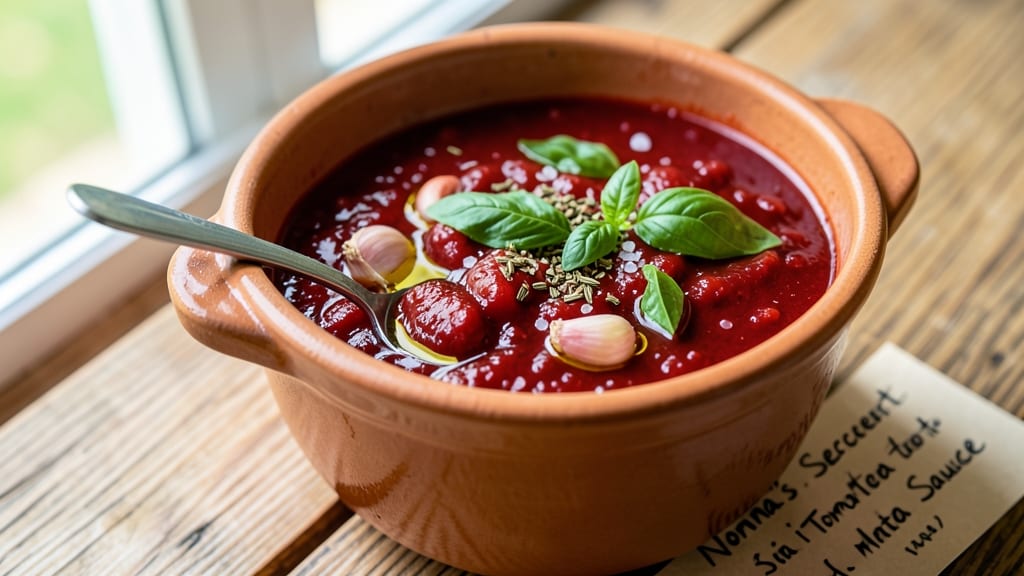
This Italian ball canning tomato sauce recipe transforms simple ingredients into a rich, slow-simmered sauce that captures summer's essence in every jar. The secret lies in a perfect balance of garlic, oregano, and fresh basil, infused through hours of gentle simmering to develop deep, umami flavors.
Proper sterilization and canning techniques ensure your sauce stays safe and delicious for months.
What sets this sauce apart is its versatility—use it as a base for pasta, pizza, or braised meats, or enjoy it straight from the jar with crusty bread. The slow cooking process breaks down the tomatoes into a velvety texture while concentrating their natural sweetness.
Each jar becomes a flavorful keepsake, preserving the taste of summer for your pantry.
Food safety is critical when canning, so we'll cover proper jar sterilization, headspace requirements, and processing times to ensure your sauce is both safe and shelf-stable. The result is a restaurant-quality sauce that's foolproof to make at home, with a rich aroma that fills your kitchen as it simmers.
Perfect for meal prepping, holiday gifting, or stocking your pantry for quick weeknight dinners, this sauce delivers authentic Italian flavor with every spoonful. Let's get started on creating your homemade stash of slow-simmered goodness.
Ingredients for ball canning tomato sauce recipe italian
Fresh tomatoes, aromatic herbs, and slow simmering create restaurant-quality sauce for your pantry.
| Ingredient | Amount | Notes |
|---|---|---|
| San Marzano Tomatoes 🍅 | 28 oz | Whole, crushed by hand |
| Extra-Virgin Olive Oil 🫒 | ½ cup | High-quality, fruity variety |
| Garlic Cloves 🧄 | 6 cloves | Peeled, lightly crushed |
| Fresh Basil Leaves 🌿 | 1 cup | Packed, stems removed |
| Dried Oregano 🍃 | 1 tbsp | Italian or Mediterranean blend |
| Salt 🧂 | 1 ½ tsp | Diamond Crystal kosher |
| Black Peppercorns 🌶️ | ½ tsp | Freshly cracked |
| Granulated Sugar 🍚 | 1 tbsp | Balances acidity |
| Red Wine Vinegar 🍷 | 1 tbsp | Dry, bold variety |
| Bay Leaves 🍃 | 2 whole | Fresh preferred |
San Marzano tomatoes are non-negotiable here—their sweet, meaty texture and low acidity make them ideal for canning. Trader Joe's and Whole Foods carry them year-round, but summer farmers markets offer the freshest. The basil should be vibrant green, not wilted—Costco sells large bunches perfect for this recipe. For the olive oil, splurge on a fruity variety like California Extra Virgin; it makes all the difference in flavor development during the long simmer. If you can't find whole garlic, minced garlic from a jar works in a pinch, though fresh is always better.
No fresh basil? Dried oregano at double the amount gets you close, but the fresh herb is essential for that authentic Italian essence. Running low on red wine vinegar? Balsamic vinegar at half the amount works, though it adds sweetness. The sugar can be swapped for honey or maple syrup if preferred, though sugar's neutral flavor keeps the focus on the tomatoes. For the tomatoes themselves, if you can't find San Marzano, heirloom tomatoes from your garden or a local market will work beautifully—just be prepared for more seeds and skins during crushing.
This sauce keeps beautifully—18 months in a cool, dark pantry once properly canned. Sterilize jars and lids in boiling water for 10 minutes before filling, leaving 1-inch headspace. Process pint jars for 75 minutes and quarts for 90 minutes in a boiling water bath. The aroma alone as it simmers will make your kitchen smell like an Italian trattoria. Once cooled, store jars upright for 24 hours before checking seals. Any unsealed jars should be refrigerated and used within 1 week.
Why You'll Love This Recipe
- No-Chop Nightmare: I swear by this recipe because the prep is actually minimal—just crush a few garlic cloves, tear basil leaves, and let the San Marzano tomatoes do the heavy lifting. No dicing, no peeling, no stress.
- Sunshine in a Jar: That first spoonful of sauce straight from the jar? Pure Italian magic. The San Marzano tomatoes sweeten as they simmer, while the olive oil and oregano build layers of warmth—like a hug from Nonna.
- Pantry Superhero: This sauce is my secret weapon for lazy nights: toss it with pasta, dollop it on bruschetta, or even stir it into risotto. It’s the one thing I always have on hand when I forget to meal prep.
- Budget-Friendly Luxury: Fresh basil and San Marzano tomatoes might sound fancy, but they stretch forever once canned. I make a big batch, freeze extras, and still have enough for months—without breaking the bank.
Step-by-step instructions for Italian ball canning tomato sauce
Here's how to create a rich, slow-simmered tomato sauce perfect for canning—packed with umami depth and fresh basil essence.
Prepare and Crush the San Marzano Tomatoes
Begin by washing the 28 oz San Marzano tomatoes thoroughly to remove any dirt or debris. I like to work with whole tomatoes first—this gives you better control over the crushing process. Using your hands or a gentle potato masher, crush the tomatoes directly in a large stockpot. You want to break them down into rough chunks, not a puree, to preserve texture during canning. Leave the skins on for natural body and color.
As you crush, remove and discard any hard cores or seeds. The goal is to create a chunky, rustic texture that will hold up beautifully during the canning process. This step is crucial—over-crushing releases too much liquid and can dilute your sauce's intensity. Save any juices that collect in the pot; they'll contribute to the final flavor.
Sauté Aromatics in Olive Oil
Heat the 0.5 cup extra-virgin olive oil in the same stockpot over medium heat. Once the oil shimmers but isn't smoking (around 350°F), add the 6 peeled, lightly crushed garlic cloves. Sauté for 2-3 minutes until the garlic becomes fragrant and just begins to turn golden—this prevents bitterness. Real talk: don't walk away during this step. Garlic burns faster than you think.
Add the 2 whole bay leaves and 1 tbsp dried oregano, stirring to coat the garlic in the aromatic spices. Cook for another 30 seconds until the oregano releases its earthy scent. This aromatic base forms the flavor foundation of your sauce. The olive oil should be infused with these flavors by the time you add the tomatoes.
Simmer the Sauce with Seasonings
Pour the crushed tomatoes into the pot with the sautéed aromatics. Stir in the 1 tbsp granulated sugar, 1.5 tsp salt, and 0.5 tsp freshly cracked black peppercorns. The sugar helps balance the acidity of the tomatoes while enhancing their natural sweetness. Bring the mixture to a gentle boil over medium-high heat, then immediately reduce to low heat.
Let the sauce simmer uncovered for 45-60 minutes, stirring occasionally. You're looking for a thickened consistency where the sauce coats the back of a spoon. This slow simmer develops deep, complex flavors and reduces the sauce to the perfect canning consistency. Here's the thing—if the sauce looks too thin after 45 minutes, uncover it and continue simmering. Patience here prevents watery, flavorless canned sauce.
Finish with Fresh Basil and Vinegar
About 15 minutes before the sauce reaches your desired thickness, add the 1 cup fresh basil leaves and 1 tbsp red wine vinegar. Stir gently to incorporate. The basil should be torn or chopped to release its oils, but don't puree it—you want visible basil flecks in the finished sauce. The vinegar adds brightness that cuts through the richness of the tomatoes and olive oil.
Continue simmering for another 10-15 minutes until the sauce reaches 220°F on a candy thermometer. This temperature ensures proper canning safety while maintaining the sauce's quality. Taste and adjust seasoning—you may need to add a pinch more salt or sugar to balance flavors. The sauce should be rich, slightly sweet, and tangy with bright basil notes.
Prepare for Canning
Remove the pot from heat and let the sauce cool to 180°F before ladling it into hot, sterilized canning jars. Fill each jar to ¼-inch headspace from the rim, leaving room for expansion during processing. Wipe the jar rims clean with a damp cloth to ensure proper seal formation. Place lids on the jars and screw on bands until fingertip-tight.
Process the jars in a boiling water bath for 75 minutes (for pint jars) or 90 minutes (for quart jars) from the time the water returns to a rolling boil. This extended processing time ensures the sauce's safety for long-term storage. After processing, remove the jars and let them cool undisturbed for 12-24 hours before checking seals. Properly sealed jars will have concave lids that don't flex when pressed.
Pro Tips For Making Ball Canning Tomato Sauce Recipe Italian
- CRUSH THE TOMATOES FIRST: San Marzano tomatoes are sweet but still need breaking down—don’t just dump them whole. Use a wooden spoon or your hands (yes, it’s messy) to crush them against the pot’s sides while cooking. This releases more juice and flavor faster, giving you a smoother sauce without extra straining.
- COOK GARLIC LOW AND SLOW: Garlic burns in a flash, and bitter garlic ruins everything. Once you add the minced cloves, turn the heat to medium-low and let them sweat for 2–3 minutes before adding the tomatoes. You’ll know it’s right when the edges just start to turn golden—not black.
- SALT THE SAUCE MIDWAY: Don’t wait until the end to season. After the tomatoes have broken down and the sauce starts thickening (about 20–30 minutes in), taste and add salt. The acidity in San Marzanos can trick you into thinking it needs more, but you’ll regret over-salting later.
- STORE BASIL SEPARATELY: Fresh basil wilts fast in hot sauce and turns it bitter. Tear a few leaves, add them to the sauce just before canning, then fish them out immediately. For the rest, keep the bunch whole in a jar of water on the counter—it’ll stay vibrant for days and add to jars as needed.
Pro cooking tips for perfect results
Slow-Simmer Secrets
Your sauce's depth comes from patience—simmering uncovered for 45-60 minutes on low heat develops complex flavors while reducing excess liquid. I use a candy thermometer to monitor temperature, aiming for 220°F before canning.
This slow cook transforms simple tomatoes into a velvety, concentrated sauce. The key is never rushing it; the longer it simmers, the richer the umami becomes. 🔥
Garlic Control
Garlic burns faster than you'd think, so watch it closely! Sauté the 6 cloves in 0.5 cup olive oil over medium heat for just 2-3 minutes until fragrant but not golden.
Overcooking turns garlic bitter—trust me, I've learned this the hard way. Remove from heat immediately after adding the bay leaves and oregano to lock in those aromatic flavors.
Basil Timing
Add the 1 cup fresh basil only in the final 15 minutes of simmering to preserve its vibrant flavor. Tear the leaves rather than chopping them finely—you want visible flecks in the finished sauce.
The basil's essential oils need minimal time to infuse; adding it too early can make the sauce taste bitter. The red wine vinegar should go in with the basil for that perfect bright finish. ✨
Sugar Balance
The 1 tbsp sugar isn't just for sweetness—it helps balance the tomatoes' natural acidity while enhancing their flavor. Too much makes the sauce cloying; too little leaves it flat.
Taste as you go and adjust gradually. I often add an extra pinch after the final simmer to brighten flavors that might have mellowed during processing.
Headspace Precision
Leave exactly ¼-inch headspace when filling jars—this prevents seal failure from overfilling or underfilling. Use a headspace gauge for accuracy. After processing, check seals within 12-24 hours: properly sealed jars will have concave lids that don't flex when pressed.
Any jars that don't seal should be refrigerated and used within 1 week.
Equipment Must-Haves
Invest in a candy thermometer ($15) for accurate temperature reading and a jar lifter ($10) for safe handling. A magnetic lid wand ($8) makes sealing easier, and I swear by Ball Mason jars for their reliable sealing performance.
These tools make all the difference between canning like a pro and struggling with basic equipment. 💡
Nutrition facts
Frequently asked questions
Can I use regular tomatoes instead of San Marzano?
While San Marzano tomatoes are ideal for their sweetness and low acidity, you can substitute with other high-quality tomatoes like Roma or heirloom varieties. Just be prepared for more seeds and skins—strain or carefully remove them during crushing. For canning safety, add 1 extra tablespoon of vinegar per quart to compensate for any lower acidity in non-San Marzano tomatoes.
How long will my canned tomato sauce last?
Properly canned and sealed tomato sauce stays fresh for 18 months in a cool, dark pantry. Always check seals within 24 hours of processing—jars that don't seal should be refrigerated and used within 1 week. The sauce's flavor actually improves over time, developing deeper complexity as it ages.
What if my sauce is too thin after simmering?
Don't panic! If your sauce is too thin after 60 minutes of simmering, uncover the pot and continue cooking on low heat. Stir occasionally to prevent scorching. The sauce should thicken as moisture evaporates—this can take 1-2 additional hours. For a quicker fix, simmer uncovered with the lid slightly ajar to allow steam to escape while concentrating flavors.
Can I add meat or other ingredients to this sauce?
This recipe focuses on a classic Italian tomato sauce, but you can absolutely customize it! For meat lovers, add ½ pound of ground pork or Italian sausage during the sautéing step. For a vegetarian version, stir in 1 cup of mushrooms or roasted red peppers with the basil. Just remember that added ingredients may require longer processing times—check canning guidelines for your specific additions.
Why does my canned sauce have mold after opening?
Mold in opened canned sauce usually means the jar wasn't properly sealed or the sauce was contaminated after opening. Always store opened jars in the refrigerator and use within 5-7 days. For next time, ensure all equipment is sterilized and check seals before storing. If you see mold, discard the entire jar—never taste or salvage it.