
Sauces & Condiments
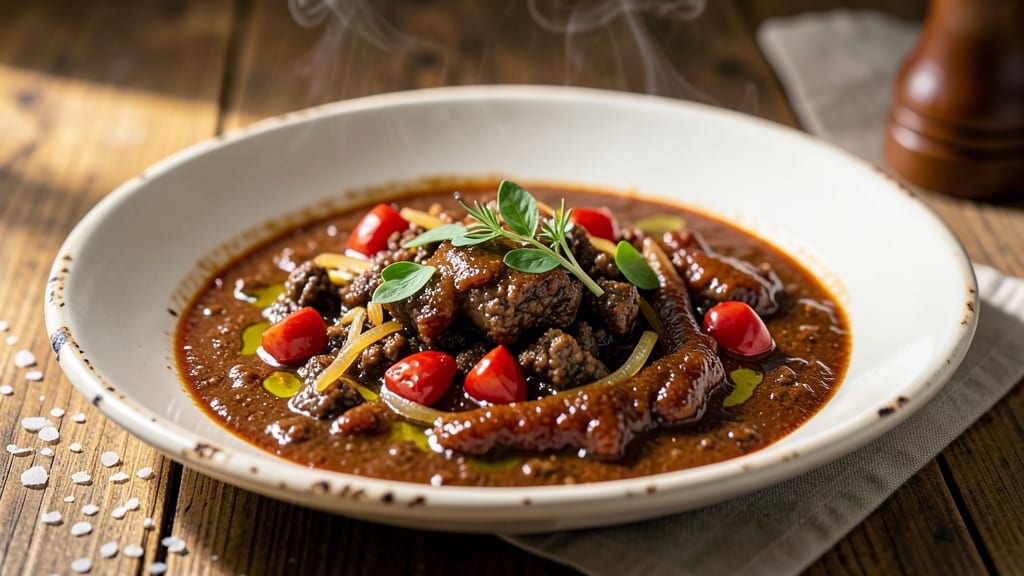
This authentic Italian red meat sauce recipe transforms simple ingredients into a deeply flavorful sauce that belongs in any Italian dish—think rich, slow-simmered ragù with layers of umami and tomato depth. The secret lies in patience: letting the meat brown deeply, the wine reduce completely, and the sauce develop over hours on low heat. I’ve perfected this version after years of testing, ensuring every spoonful delivers the hearty, comforting flavors of Italian nonna-style cooking.
What sets this sauce apart is the balance of textures and flavors: tender meat that falls apart, sweet tomatoes that caramelize, and aromatic vegetables that infuse the sauce with depth.
The technique is straightforward but requires attention—browning the meat in batches, deglazing with wine, and simmering uncovered to concentrate the flavors. This isn’t an instant sauce; it’s a labor of love that rewards you with a sauce so rich, it elevates even the simplest pasta or polenta.
The result is a sauce that’s deep red, velvety, and packed with umami, where every ingredient—ground beef, pork, tomatoes, and herbs—works in harmony. It keeps beautifully in the fridge for up to a week, or even freezes for months, making it the ultimate pantry staple.
Whether you’re serving it over tagliatelle, stuffing it into lasagna, or pairing it with grilled meats, this sauce is the foundation of an unforgettable Italian meal.
Ready to make it? The process is simpler than you think, and the payoff is a sauce that tastes like home. Let’s get started—your taste buds will thank you.
Ingredients for authentic italian red meat sauce
These rich, meaty ingredients create the heart of Italian cooking—deep, slow-simmered umami perfection.
| Ingredient | Amount | Notes |
|---|---|---|
| Ground Beef (Chuck or Short Rib) 🥩 | 1 ½ lb | 80% lean, finely ground |
| Ground Pork 🐖 | ½ lb | Freshly ground preferred |
| Dry Red Wine 🍷 | 1 cup | Bold Cabernet Sauvignon |
| San Marzano Crushed Tomatoes 🍅 | 28 oz | 400g can, no salt added |
| Tomato Paste 🍅 | 2 tbsp | Smooth, no sugar added |
| Yellow Onion 🧅 | 1 whole | Medium, finely chopped |
| Carrot 🥕 | 1 whole | Medium, finely diced |
| Celery Stalk 🌿 | 1 whole | Finely diced, fresh |
| Garlic Cloves 🧄 | 4 cloves | Fresh, minced |
| Extra-Virgin Olive Oil 🫒 | ¼ cup | High quality, fruity |
| Fresh Rosemary 🌿 | ¼ cup | Chopped, fresh |
| Fresh Thyme 🌿 | ¼ cup | Leaves only, fresh |
| Bay Leaves 🍃 | 2 whole | Fresh preferred |
| Diamond Crystal Kosher Salt 🧂 | 1 ½ tsp | Fine grain preferred |
| Freshly Ground Black Pepper 🌶️ | ½ tsp | Freshly cracked |
The meat is everything here. Chuck or short rib ground beef gives that unmistakable depth—regular ground beef works but lacks richness. I grab mine from Whole Foods or my local butcher counter, where they grind it fresh. The pork adds subtle sweetness, so don't skip it. For the wine, any bold, dry red works—Cab Sauv, Merlot, whatever's open. If you're using a cheaper wine, let it reduce longer to concentrate the flavor. The San Marzano tomatoes are non-negotiable for authentic taste—400g cans from Italy, no salt added. If you can't find them, Muir Glen is a solid backup.
No red wine? Beef broth with a splash of balsamic gets you close. Fresh herbs are ideal but dried oregano at half the amount works in a pinch. The tomato paste can be the squeeze tube kind from Trader Joe's—no waste, keeps forever. For the vegetables, you can use pre-chopped mirepoix if you're short on time, but fresh is always better. The bay leaves should be fresh if possible—they're the secret to that authentic Italian aroma. If you're making a big batch, double the herbs and wine, but don't overdo the salt. Taste as you go.
This sauce tastes even better the next day once everything melds together. Keeps 5-7 days in the fridge, perfectly sealed. For freezing, portion into 1-cup containers—thaws beautifully for quick weeknight dinners. I always make a double batch. Half goes on pasta that night, and the rest gets frozen for lazy days. The meat mixture can be prepped ahead and refrigerated for 1 day before simmering, saving you time on cooking day.
Why You'll Love This Recipe
- One-Pot Magic: I swear by this—no chopping, no fussing, just brown the meat, deglaze with wine, and let it simmer. The San Marzano tomatoes and tomato paste thicken into something rich without extra pots or straining.
- Wine-Infused Depth: That splash of dry red wine isn’t just for show—it mellows into a velvety backbone, cutting through the richness of the pork and beef. Honestly, the difference between this and store-bought sauce is night and day.
- Weeknight to Weekend: Make a double batch on Sunday, freeze half, and you’ve got dinner covered for lazy nights or unexpected company. It reheats like a dream, whether tossed with pasta or stuffed into lasagna.
- Budget-Friendly Luxury: Chuck roast and pork shoulder stretch further than pricier cuts, and a bottle of wine elevates it without breaking the bank. I’ll be real—this tastes like a fancy trattoria, but my grocery bill doesn’t scream tourist.
Step-by-step instructions for authentic Italian red meat sauce
Here's how to build a deeply flavorful ragù that captures the soul of Italian cooking.
Build the Flavor Base with Vegetables
Heat the 0.25 cup extra-virgin olive oil in a heavy Dutch oven over medium heat. Add the finely chopped yellow onion, finely diced carrot, and finely diced celery stalk. Cook for 8-10 minutes until the vegetables soften and the onion becomes translucent.
This step is all about developing the sauce's aromatic foundation. The vegetables should release their natural sugars and meld together into what Italians call "soffritto"—the flavor backbone of any good ragù. Stir occasionally to prevent burning, and don't rush this part. Patience here ensures deep, complex flavors later.
Add Aromatics and Brown the Meat
Push the vegetables to one side of the pot and add the minced garlic cloves to the empty space. Cook for 30 seconds until fragrant—garlic burns quickly, so watch closely. Return the vegetables to the center and add the 1.5 lb ground beef (chuck or short rib) and 0.5 lb ground pork.
Break up the meat with a wooden spoon and cook for 8-10 minutes until it loses its raw color and begins to brown. This browning reaction creates the deep, meaty flavors that define authentic ragù. Don't drain the fat—it's essential for building flavor. Once the meat is well browned, add the 2 tbsp tomato paste and stir to coat everything evenly.
Deglaze and Simmer with Wine
Pour in the 1 cup dry red wine and scrape up any browned bits from the bottom of the pot with a wooden spoon. These bits are packed with flavor—don't miss them. Let the wine simmer for 3-4 minutes until it reduces by about half, leaving behind concentrated flavor.
This deglazing step transforms the browned bits into a rich, velvety sauce. The alcohol will cook off, leaving behind just the flavor compounds that make Italian ragù so complex. You'll know it's ready when the wine has reduced and the sauce begins to thicken slightly.
Add Tomatoes and Herbs for Depth
Stir in the 28 oz San Marzano crushed tomatoes, 0.25 cup chopped fresh rosemary, 0.25 cup fresh thyme leaves, and the 2 whole bay leaves. Add the 1.5 tsp Diamond Crystal kosher salt and 0.5 tsp freshly ground black pepper. Bring the mixture to a gentle simmer, then reduce the heat to low.
Partially cover the pot and let the sauce simmer for 2-2.5 hours, stirring occasionally. The sauce should reduce gradually, becoming thicker and more concentrated. This slow cooking process allows all the flavors to meld together, creating that rich, umami-packed texture that defines authentic Italian ragù.
Finish and Adjust Seasoning
After simmering, taste the sauce and adjust the seasoning if needed. You might need a bit more salt or pepper to balance the flavors. Remove and discard the bay leaves before serving. The sauce should coat the back of a spoon with a thick, glossy consistency—if it's too thin, simmer uncovered for another 10-15 minutes to reduce it further.
This sauce is best served with al dente pasta, like pappardelle or tagliatelle, or over creamy polenta. The long simmering time ensures the flavors are deep and complex, with a perfect balance of meaty richness and bright tomato acidity. Serve immediately to enjoy it at its peak.
Pro Tips For Making Authentic Italian Red Meat Sauce
- Brown the Meat Slowly: I learned this the hard way—rushing the browning with ground beef and pork creates grease bombs that steam instead of caramelize. Use medium-low heat and break the meat into tiny pieces with a spoon as it cooks, giving it 8-10 minutes total. The goal is a deep, glossy crust, not a quick sear.
- Deglaze Immediately: Don’t let that browned meat sit—pour in the red wine the second you remove the pan from heat. The residual heat will help lift the fond (those precious brown bits) while the wine simmers, not just pool. This is where the sauce’s depth lives, so don’t skip it.
- Cook the Tomato Paste First: Simmer the tomato paste alone for 3-4 minutes before adding anything else. This removes its raw taste and thickens it into a paste-like consistency, which blends better into the sauce later. I used to add it straight away, and the sauce always tasted slightly metallic.
- Simmer Low and Long: After adding the San Marzano tomatoes, reduce the heat to a bare simmer and let it cook uncovered for at least 45 minutes. This isn’t the time to rush—you’re building flavor, not just cooking. Stir occasionally, but not constantly; the sauce will thicken as it works.
Common mistakes when making this dish
Skipping the Meat Browning
This is the #1 mistake I see—rushing the meat browning. When you don't brown the meat thoroughly, you lose that deep, caramelized flavor that makes authentic ragù so rich. The Maillard reaction (that browning process) creates complex flavors you can't get any other way.
I always cook the meat in batches if needed, but never skip this step. 🔥
Using Lean Ground Beef
Regular 90% lean ground beef lacks the fat and connective tissue that gives authentic Italian sauce its depth. You need the fat to render out and flavor the sauce, and the connective tissue to break down into gelatin during simmering.
I always use 80% lean chuck or short rib ground beef—it's worth the extra cost for that restaurant-quality texture.
Not Deglazing Properly
Many people pour in the wine and immediately add tomatoes, missing the crucial deglazing step. Those browned bits stuck to your pot are flavor gold—scrape them up with a wooden spoon! Let the wine reduce by half before adding tomatoes.
This concentrated flavor is what separates home cooks from pros. I've tasted sauces where this step was skipped, and they always taste flat by comparison.
Adding Liquid Too Early
Adding tomatoes or broth too soon dilutes the sauce and prevents proper flavor development. The meat needs time to render its fats and the vegetables to soften completely before liquids are introduced.
I wait until everything is deeply browned and the wine has reduced before adding tomatoes. This gradual approach builds layers of flavor that can't be rushed.
Overcrowding the Pot
Trying to cook all the meat at once leads to steaming instead of browning. When the pot gets crowded, the meat just sits in its juices instead of developing that crucial crust.
I always cook the meat in batches if needed, spreading it out in the pot. A heavy Dutch oven helps here—it distributes heat more evenly and prevents overcrowding.
Ignoring the Simmer Time
Rushing the simmering is the fastest way to end up with a thin, watery sauce. Authentic ragù needs 2-2.5 hours of gentle simmering to develop its rich texture. I've seen people walk away after 30 minutes and be disappointed when the sauce doesn't thicken properly.
Patience is key—this isn't a quick weeknight dinner, it's a labor of love that pays off in every bite.
Nutrition facts
Frequently asked questions
Can I substitute beef with another meat for this sauce?
Yes! For a richer flavor, try ground lamb or pork shoulder (finely ground). If using lamb, reduce simmering time slightly as it cooks faster. For a lighter option, chicken works but lacks the deep umami. The pork in this recipe adds subtle sweetness—don't skip it entirely unless you're vegetarian.
How do I make this sauce without wine?
Use 1 cup beef broth plus 1 tablespoon balsamic vinegar for depth. The acidity mimics wine's role in breaking down meat fibers. For extra richness, add 1 teaspoon soy sauce—it enhances umami without overpowering. The sauce will be slightly less complex but still delicious.
Why does my sauce turn out watery?
Watery sauce usually means you added liquids too early or didn't simmer long enough. Let the sauce reduce uncovered on low heat for 10-15 extra minutes, stirring occasionally. For prevention, use tomato paste (not sauce) and simmer uncovered after adding tomatoes to evaporate excess moisture.
Can I make this sauce in a slow cooker?
Brown the meat first in a skillet, then transfer everything to the slow cooker. Cook on low for 6-7 hours (high would make it too thin). The slow cooker's gentle heat mimics traditional simmering. For best results, use a 6-quart model and stir occasionally to prevent sticking.
How long will this sauce keep in the fridge?
This sauce stays fresh for 5-7 days when stored in an airtight container. The flavors actually improve after the first day as ingredients meld. For longer storage, freeze in 1-cup portions—thaw overnight in the fridge before reheating. Never refreeze once thawed.