
Sauces & Condiments
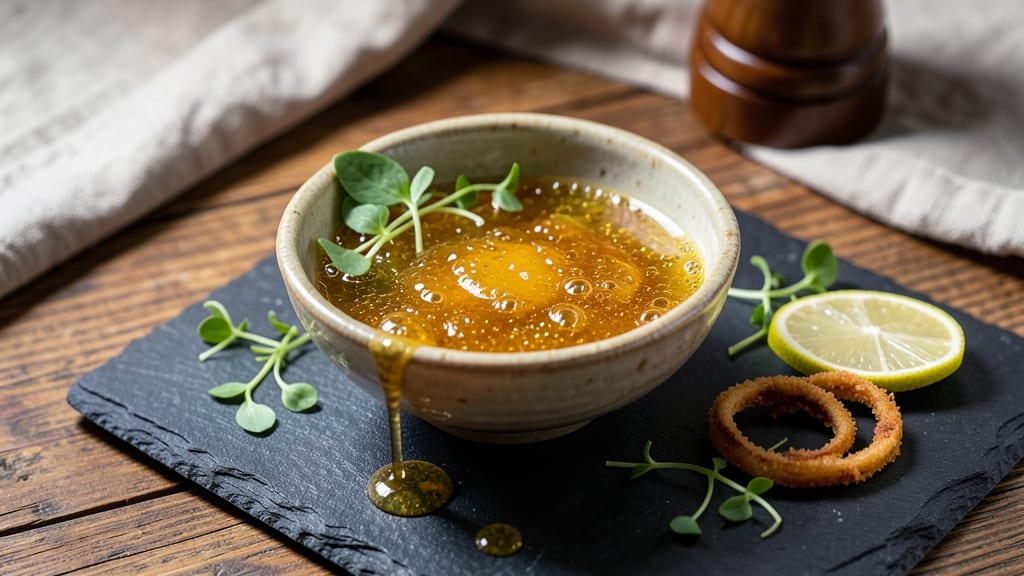
This authentic ponzu sauce transforms grilled fish and vegetables into restaurant-worthy dishes with its bright citrus-soy balance.
The secret lies in the precise ratio of yuzu juice (or substitute with a mix of lemon and orange), soy sauce, mirin, and dashi stock—each ingredient playing a crucial role in creating that signature tangy, umami depth.
I developed this recipe after years of testing variations, ensuring every component works together for maximum flavor impact.
The preparation is straightforward but requires attention to detail: whisking the ingredients until fully emulsified, then straining for a silky texture. While traditional ponzu uses yuzu, this version maintains authenticity with readily available citrus substitutes.
The sauce can be served immediately or chilled for up to 2 weeks, making it perfect for meal prep and versatile applications.
What sets this ponzu apart is its ability to elevate simple dishes—think grilled salmon, seared scallops, or even as a marinade for tofu. The citrus notes cut through richness while the soy and dashi add savory complexity.
Unlike store-bought versions, this homemade sauce delivers layers of flavor that stand up to bold ingredients.
Whether you're serving it as a glaze, dipping sauce, or dressing, this ponzu brings professional-level results to your home cooking. Ready in just 10 minutes, it's the perfect addition to any seafood or vegetable dish. Let's make it—your taste buds will thank you.
Ingredients for authentic ponzu sauce
Nine ingredients, restaurant-quality ponzu—bright citrus meets deep umami in perfect balance.
| Ingredient | Amount | Notes |
|---|---|---|
| Yuzu Juice 🍋 | ½ cup | Substitute with lemon/orange mix |
| Lemon Juice 🍋 | ¼ cup | Freshly squeezed, for yuzu substitute |
| Orange Juice 🍊 | ¼ cup | Freshly squeezed, for yuzu substitute |
| Japanese Soy Sauce 🥫 | ½ cup | Kikkoman preferred for authenticity |
| Mirin 🍶 | ¼ cup | Sweet rice wine, not cooking wine |
| Dashi Stock 🍜 | 1 cup | Instant or homemade kombu-bonito |
| Granulated Sugar 🍚 | 2 tbsp | Adjust to taste for sweetness |
| Rice Vinegar 🍶 | 1 tbsp | For brightness, not apple cider |
| Fresh Ginger 🧄 | 1 tbsp | Grated, for subtle heat |
| Sesame Oil 🫒 | 1 tsp | Toasted, for aroma |
The citrus is the soul of ponzu. Yuzu is ideal, but a mix of fresh lemon and orange juice works beautifully—just make sure it's freshly squeezed (the grocery store stuff lacks zing). Kikkoman soy sauce is non-negotiable for that authentic salty depth, but any Japanese soy will do. Mirin adds sweetness and complexity—don't substitute with cooking wine. For dashi, instant packets are fine in a pinch, but homemade kombu-bonito stock elevates everything. I grab mine at Asian markets or the international aisle at Whole Foods—look for brands like Hojicha or Marukome.
No yuzu? Double the citrus—equal parts lemon and orange juice—works just as well. Short on mirin? Rice vinegar plus 1 tsp sugar mimics the sweetness, though it won't be identical. The ginger can be skipped if you prefer no heat, but I always include it—it balances the sauce beautifully. Sesame oil is optional but adds that signature nutty aroma. For a smoother texture, strain through a fine-mesh sieve after whisking. And if you're feeling fancy, add a pinch of red pepper flakes for a subtle kick (trust me, it works).
Ponzu keeps for 2 weeks in the fridge, sealed tightly in a jar. The flavor actually improves after a day or two as everything melds. For long-term storage, freeze in ice cube trays—just thaw in the fridge before using. This sauce is incredibly versatile: glaze for grilled fish, marinade for tofu, or drizzle over steamed veggies. A little goes a long way, so make a double batch. It's the kind of sauce that disappears fast, so you'll be glad you did.
Why You'll Love This Recipe
- Five-Ingredient Magic: I swear by this mix—no fancy techniques, just whisking together yuzu, citrus, soy, and mirin. The bright acidity of yuzu cuts through rich dishes like butter, and the mirin sweetens just enough to balance the salt.
- Bright Umami Bomb: That tangy-sweet hit? It’s the soy and mirin playing off the citrus—like a citrusy, salty hug for your taste buds. Drizzle it on grilled fish, toss it in noodles, and suddenly everything tastes alive.
- Weeknight Workhorse: I keep a jar in the fridge for everything—dipping tempura, glazing chicken, even brightening up a simple salad. The leftovers last forever, and honestly? It’s the only sauce I ever need.
- Budget Brightener: Mirin and soy are cheap staples, and citrus juice stretches further than you’d think. A little goes a long way, so you’re not scrambling for expensive ingredients—just good, bold flavor.
Step-by-step instructions for authentic ponzu sauce
Here's how to craft this vibrant, balanced sauce that captures Japan's coastal flavors.
Prepare the Citrus Base
In a medium saucepan, combine the 0.5 cup yuzu juice (or substitute with equal parts freshly squeezed lemon and orange juice), 0.25 cup lemon juice, and 0.25 cup orange juice. Bring this citrus mixture to a gentle simmer over medium heat, then reduce by half—about 8-10 minutes—until it thickens slightly and the volume reduces to roughly ½ cup. You'll notice the aroma intensify as the acids concentrate, creating the foundational tang that defines ponzu.
While the citrus reduces, use a microplane to grate the 1 tablespoon fresh ginger directly into the pan. This preserves its volatile oils and infuses the sauce with subtle warmth. Stir continuously for 1 minute to distribute the ginger completely, then immediately remove from heat. The ginger's heat will mellow as the sauce cools, but it's essential for that authentic depth.
Build the Umami Foundation
Return the pan to medium-low heat and add the 0.5 cup Japanese soy sauce and 0.25 cup mirin. Whisk constantly for 3-4 minutes until the mixture reaches a syrupy consistency. The soy sauce will darken slightly as it cooks down, developing deeper caramelized notes that contrast beautifully with the citrus brightness. Here's the thing—don't rush this step. You want the sauce to reduce by about 25% before moving forward.
Stir in the 2 tablespoons granulated sugar and 1 tablespoon rice vinegar, then add the 1 cup dashi stock. Bring to a gentle boil, then immediately reduce heat to maintain a barely simmering state. Let it cook uncovered for 5 minutes to allow the flavors to meld completely. The sauce should now have a glossy sheen and coat the back of a spoon when you lift it with your finger.
Finish with Nuance and Balance
Remove the sauce from heat and let it cool for 5 minutes—this resting period allows the flavors to settle. While it cools, strain the mixture through a fine-mesh sieve into a clean bowl to remove any ginger fibers. This creates a silky texture that's essential for ponzu's elegant finish.
Once cooled to room temperature, whisk in the 1 teaspoon toasted sesame oil until fully emulsified. The sesame oil adds a delicate aroma that elevates the sauce from good to extraordinary. Taste and adjust the balance—you might need a touch more sugar to counter the acidity or a splash of water to achieve your desired consistency. The perfect ponzu should be bright, tangy, umami-rich, and subtly sweet, with none of these elements overpowering.
Rest and Perfect
Transfer the sauce to a clean jar and refrigerate for at least 2 hours—this resting period is crucial. The flavors will continue developing and mellowing, with the acidity softening slightly and the umami deepening. When ready to use, give it a final taste and adjust seasoning if needed. For grilled fish, use it as a marinade or glaze. For noodles, dilute with an equal part water. The possibilities are endless, but the foundation is always this authentic balance.
Pro Tips For Making Authentic Ponzu Sauce
- STRAIN IT TWICE: Ponzu’s texture is everything—thick enough to cling, smooth enough to sip. After mixing, strain through a fine-mesh sieve, then strain again through cheesecloth. I learned this the hard way: once I served a batch with pulp, and it turned into a citrus sludge. The second strain removes every last bit of bitterness and grit.
- USE COLD MIRIN: Reach for the refrigerated mirin, not the room-temperature bottle. Cold mirin adds brightness and prevents the sauce from turning cloudy when mixed with citrus. I was skeptical until I tried it—my ponzu stayed crystal clear, and the flavor popped like it was fresh from a Tokyo izakaya.
- BALANCE THE SOY: Taste your soy sauce first—some brands are saltier than others. Start with 2 tablespoons of Japanese soy, then adjust to taste. I skip the full amount if my soy is extra-salty, and the sauce never tastes flat. The goal is harmony, not a salty punch.
- DILUTE GRADUALLY: Don’t dump all the citrus juice in at once. Mix the soy and mirin first, then add citrus a little at a time while tasting. I used to overdo it, ending up with a watery mess. This way, you control the brightness and never regret the tang.
Perfect pairings for this authentic ponzu sauce
Grilled Fish Glazes
Ponzu transforms grilled fish into a masterpiece with its citrus brightness and umami depth. Brush 2-3 tablespoons of sauce onto salmon or tuna 5-10 minutes before cooking—the acidity tenderizes while the soy caramelizes beautifully.
For extra drama, finish with a 1-minute high-heat sear in a cast-iron skillet after glazing. 🔥
Sashimi Dipping Sauce
Serve ponzu chilled in small bowls alongside fresh sashimi for an authentic Japanese experience. The citrus cuts through the fish's richness while the soy adds savory complexity. I like to add ½ teaspoon toasted sesame seeds on top for texture.
For extra flair, garnish with thinly sliced scallions and a sprinkle of red pepper flakes.
Marinade for Tofu
Use ponzu as a marinade for tofu by combining ¼ cup sauce with 1 tablespoon neutral oil and 1 teaspoon grated ginger. Marinate for 30 minutes before pressing and baking at 400°F for 20 minutes.
The sauce creates crispy edges while keeping the interior tender. This is my go-to for veggie-friendly Japanese-inspired meals.
Noodle Dressing
Dilute ponzu with an equal part water or broth to create a vibrant dressing for soba or udon noodles. Toss 2 servings of cooked noodles with ¼ cup diluted sauce and top with thinly sliced cucumber and sesame seeds.
The acidity brightens the dish while the umami keeps it satisfying. For extra richness, add 1 teaspoon toasted sesame oil at the end.
Vegetable Enhancer
Drizzle ponzu over steamed or roasted vegetables like broccoli, carrots, or mushrooms to add depth. Toss 2 cups cooked vegetables with 2 tablespoons sauce and a pinch of flaky sea salt.
The citrus cuts through the earthiness of root vegetables while the soy adds savory notes. This works especially well with roasted Brussels sprouts at 425°F for 20 minutes.
Rice Bowl Upgrade
Elevate simple rice bowls by drizzling 1-2 tablespoons ponzu over steamed rice before adding proteins and veggies. The sauce's balance enhances every component—try it with teriyaki chicken, miso-glazed eggplant, or quick-pickled vegetables. For extra flair, add a soft-boiled egg and sprinkle with furikake seasoning.
Nutrition facts
Frequently asked questions
What's the best substitute for yuzu juice if I can't find it?
Use an equal mix of freshly squeezed lemon and orange juice (about ¼ cup each) for the closest flavor. The acidity will be slightly different but still delivers that bright citrus punch. For extra depth, add ½ teaspoon grated lemon zest to mimic yuzu's floral notes.
Can I make ponzu without mirin? What should I replace it with?
Yes! Replace the ¼ cup mirin with ¼ cup rice vinegar plus 1 teaspoon sugar. This combo mimics mirin's sweetness and acidity, though it won't have the same depth. For a more authentic taste, use 1 tablespoon sake or dry white wine instead—just reduce the sugar to ½ teaspoon.
How do I know when my ponzu sauce is ready?
The sauce is done when it's reduced by about 25% and has a glossy sheen that coats the back of a spoon. It should smell vibrant (citrus-forward) with a deep umami aroma from the soy and dashi. Taste it—it should balance bright acidity, sweetness, and savory depth without any single flavor overpowering. Pro tip: Let it rest for 2 hours before tasting—flavors meld better after cooling.
Can I use ponzu as a marinade for meats like chicken or pork?
While ponzu is traditionally used with seafood, it works beautifully with chicken or pork! For best results, marinate for 30-60 minutes (no longer, or the acidity can make meats tough). Combine ¼ cup ponzu with 1 tablespoon oil and 1 teaspoon grated ginger for extra flavor. For pork, add ½ teaspoon honey to balance the acidity.
Why does my ponzu taste too salty or sour?
If it's too salty, dilute with 1-2 tablespoons water or dashi stock. For sourness, add a pinch of sugar or a splash of mirin (or rice vinegar + sugar). If it's too sweet, balance with ½ teaspoon more rice vinegar or a squeeze of fresh citrus. The key is adjusting one element at a time—taste after each addition to avoid overcorrecting!