
Sauces & Condiments
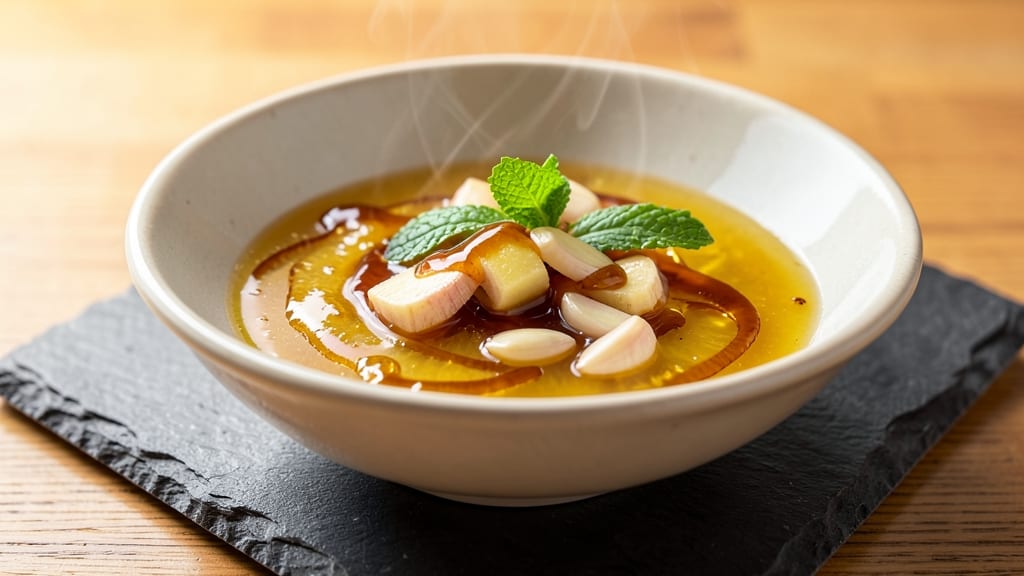
This Asian pineapple sauce recipe transforms simple ingredients into a tropical tangy glaze that elevates grilled meats, noodles, and more. The perfect balance of sweet pineapple, zesty vinegar, and aromatic ginger creates a versatile sauce that adds depth to any dish.
What sets this recipe apart is how quickly it comes together—just 15 minutes of simmering and blending delivers restaurant-quality results with minimal effort.
The sauce begins with fresh pineapple juice, which provides natural sweetness and a bright, tropical flavor. A touch of rice vinegar adds tanginess, while ginger and garlic bring warmth and complexity. Simmering these ingredients reduces the sauce to a thick, glossy consistency perfect for glazing or dipping.
The best part? It keeps well in the refrigerator for up to a week, making it ideal for meal prep.
What you’ll end up with is a rich, glossy sauce that caramelizes beautifully when brushed over grilled chicken, pork, or shrimp. It also works as a vibrant dipping sauce for spring rolls or a tangy topping for noodle dishes.
The aroma alone will make your kitchen smell like a tropical paradise, while the flavor delivers a perfect harmony of sweet, tangy, and savory notes.
Use this sauce as a glaze for meats, a dip for appetizers, or a topping for stir-fries and noodles. Its versatility makes it a must-have in your cooking arsenal. Let’s get started!
Ingredients for asian pineapple sauce
Tropical flavors in one jar—this sauce is your new weeknight hero.
| Ingredient | Amount | Notes |
|---|---|---|
| Fresh Pineapple Juice 🍍 | 1 cup | From ripe pineapple, no sugar added |
| Rice Vinegar 💧 | ½ cup | Seasoned or plain works |
| Fresh Ginger 🌿 | 2 tbsp | Grated, aromatic variety preferred |
| Garlic Cloves 🧄 | 4 cloves | Minced, fresh for best flavor |
| Low-Sodium Soy Sauce 🥢 | 2 tbsp | Kikkoman or similar brand |
| Honey 🍯 | 2 tbsp | Wildflower or clover preferred |
| Sesame Oil 🫒 | 1 tbsp | Toasted sesame oil for aroma |
| Cornstarch 🌾 | 1 tbsp | Diamond Crystal preferred |
| Water 💧 | 2 tbsp | Room temperature for slurry |
| Salt 🧂 | ½ tsp | Kosher or sea salt |
The pineapple juice is the heart of this sauce. Fresh is key—canned juice lacks that bright tropical punch. I grab Dole brand fresh pineapple juice when I can't find whole pineapples, but nothing beats freshly squeezed. Ginger and garlic are non-negotiable for that aromatic depth. Trader Joe's has pre-grated ginger in the freezer section—game changer when you're short on time. For the soy sauce, Kikkoman is my go-to, but any low-sodium brand works. The honey adds just enough sweetness to balance the tang—don't skip it, even if you're watching sugar.
No fresh pineapple juice? Coconut water works in a pinch, though it's milder. Swap rice vinegar for apple cider vinegar if that's what you have—just add a pinch more salt. The cornstarch slurry is what gives this sauce that perfect glossy finish. Arrowroot powder works too if you're out of cornstarch. For extra umami, add a dash of fish sauce (if not vegetarian) or miso paste. The sesame oil should be toasted—Trader Joe's has it pre-toasted in little bottles, or toast your own in a dry pan for 30 seconds.
This sauce keeps beautifully in the fridge for up to 1 week in an airtight container. For longer storage, freeze it in ice cube trays—perfect portions for later. The flavor actually improves over time as everything melds together. Double the batch and freeze half—you'll thank yourself later when you're craving that tropical tang. Store the sesame oil separately if you want to add it fresh before using, as its flavor can mellow in the fridge.
Why You'll Love This Recipe
- No Blender Needed: I swear by this—just a knife, a cutting board, and a pot. The pineapple juice and ginger mashing by hand gives it that real texture, not that smooth, store-bought mush. Plus, no cleanup beyond a single spoon.
- Tangy-Sweet Magic: That first sip? Chef’s kiss. The rice vinegar cuts through the pineapple’s sweetness while the garlic and soy sauce add this deep, savory punch—like a wake-up call for your taste buds. Honestly, I’ve drizzled it on everything from grilled chicken to cold noodles, and it’s always the star.
- Meal Prep MVP: Make a double batch—it keeps for a solid week in the fridge, and I use it in stir-fries, marinades, or even as a dip. (Yes, even on a Tuesday night when takeout feels like a chore.) The ginger and garlic mellow out over time, so it only gets better.
- Budget Brightener: Fresh pineapple is pricey, but you only need a cup of juice—no need to buy the whole fruit. Soy sauce and rice vinegar stretch far, and ginger lasts forever if you freeze it. Suddenly, fancy flavors feel totally doable without breaking the bank.
Step-by-step instructions for Asian pineapple sauce
This vibrant glaze comes together in minutes with bold tropical flavors.
Prepare the Ginger-Garlic Base
In a medium saucepan, combine the 1 cup fresh pineapple juice and 0.5 cup rice vinegar. Bring to a gentle simmer over medium heat until small bubbles form around the edges. This should take about 3-4 minutes—you'll smell the bright, tangy aroma of the vinegar mingling with the sweet pineapple.
While the mixture heats, add the 2 tablespoons grated fresh ginger and 4 minced garlic cloves. Stir constantly for 1-2 minutes until the garlic becomes fragrant and the ginger softens slightly. The garlic should turn translucent but not brown—that's your cue it's ready. Here's the thing: fresh ginger and garlic make all the difference in this sauce, so don't substitute with dried or powdered versions.
Build Flavor with Soy and Sweetness
Reduce the heat to medium-low and stir in the 2 tablespoons low-sodium soy sauce and 2 tablespoons honey. Let the mixture simmer for 5-6 minutes until it thickens slightly and the liquid reduces by about one-third. You'll notice the sauce develop a glossy sheen and deepen in color to a beautiful amber hue. Taste as you go—this is where you can adjust the balance between sweet and savory. If it needs more tang, add a splash of rice vinegar. If it needs more depth, a pinch of salt will help.
Now add the 1 tablespoon sesame oil and stir gently. The oil will float on top initially, but keep stirring until it's fully incorporated. This step adds that signature nutty aroma that ties all the flavors together. The sauce should now smell like a tropical vacation—bright, sweet, and just a touch funky from the fermented soy sauce.
Thicken the Glaze to Perfection
In a small bowl, whisk together the 1 tablespoon cornstarch and 2 tablespoons water to create a smooth slurry. This is your secret weapon for achieving that perfect glossy consistency. Slowly drizzle the slurry into the simmering sauce while stirring constantly with a wooden spoon. The moment you add it, the sauce will start to thicken noticeably—keep stirring for another 2-3 minutes until it reaches a coating consistency that clings beautifully to meats or noodles.
Add the 0.5 teaspoon salt and give it one final taste. The sauce should balance sweet, tangy, savory, and umami perfectly. If you're using this for grilled meats, you can stop here. For pasta dishes, you might want to thin it slightly with 1-2 tablespoons of water if needed. The sauce should be thick enough to coat the back of a spoon but still flow smoothly.
Finish and Use Immediately
Remove the sauce from heat and let it cool for 2-3 minutes. This brief resting period allows the flavors to meld completely. The sauce will continue to thicken slightly as it cools, so don't worry if it looks perfect while hot but seems too thick when cool—it's normal. For the best results, use the sauce immediately on grilled chicken, pork, or shrimp, or toss with cooked noodles. If you need to store it, transfer to an airtight container and refrigerate for up to 5 days. Reheat gently in a saucepan over low heat, stirring occasionally to prevent scorching.
This sauce is incredibly versatile—drizzle it over seared tuna, use it as a marinade for 30 minutes before grilling, or toss it with cold soba noodles for an instant upgrade. The key to success is fresh ingredients and patience during the simmering process. Trust me, your taste buds will thank you for the tropical explosion of flavors in every bite.
Pro Tips For Making Asian Pineapple Sauce
- STRAIN THE GINGER WELL: I learned this the hard way—grated ginger leaves gritty bits that ruin the sauce’s smooth texture. Use a fine-mesh sieve or cheesecloth, and press hard with a spoon. (Yes, even if you’re impatient like me.)
- SIMMER LOW AND SLOW: This sauce isn’t about quick reductions—it’s about flavor melding. Keep the heat at a bare simmer (tiny bubbles, not rolling) for at least 10 minutes. Rushing it leaves the garlic raw and the vinegar sharp.
- USE FRESH PINEAPPLE JUICE: Canned juice lacks the bright acidity and depth of fresh. If you’re using a whole pineapple, strain it through a sieve to remove pulp—it thickens the sauce in weird ways. (Your future self will thank you.)
- BALANCE THE SOY LAST: Taste before adding soy sauce—it’s salty and can overpower the tang. Add it gradually, one teaspoon at a time, while the sauce is still warm. Adjusting cold sauce ruins the balance.
Make-ahead tips for this asian pineapple sauce
Batch Prep Strategy
Double the recipe and store half in the freezer for future use. I freeze the sauce in 1-ounce portions using silicone ice cube molds—perfect for single servings or quick marinades. Label containers with the date and freeze for up to 3 months without quality loss. 🧊
Fridge Storage Tips
Transfer cooled sauce to an airtight glass container (I use Le Parfait 16-ounce jars) and store in the fridge for 5-7 days. The flavors actually deepen over time, so leftovers often taste better than fresh. Stir before using to redistribute any settled cornstarch.
Reheating Methods
For stovetop reheating, warm sauce in a small saucepan over low heat for 3-5 minutes, stirring constantly to prevent scorching. Add 1-2 teaspoons of water if it thickens too much.
Microwave reheating works too—heat for 30 seconds on medium power, then stir and reheat in 15-second bursts until warmed through.
Freezer Thawing
Thaw frozen sauce in the fridge overnight for best results. For quick use, place the frozen portion in a bowl with hot water for 5-10 minutes. Never microwave frozen sauce directly—it creates hot spots that can break down the cornstarch and alter the texture. Always stir thoroughly after thawing.
Sauce Versatility
Use your prepped sauce in multiple ways: as a marinade for 30 minutes before grilling, a glaze for 10 minutes on high heat, or a finishing sauce for noodles. The cornstarch helps it cling beautifully to foods, making it perfect for quick weeknight meals.
I keep a jar in my fridge at all times for spontaneous flavor boosts. ✨
Flavor Preservation
To maintain freshness, store sesame oil separately and add it fresh before using. The oil's delicate aroma can mellow in the fridge, but adding it just before serving keeps that nutty brightness.
For extra longevity, add a pinch of salt to stored sauce to prevent bacterial growth while maintaining flavor balance.
Nutrition facts
Frequently asked questions
Can I substitute fresh pineapple juice with canned?
Fresh pineapple juice gives the best bright, tropical flavor, but you can use canned pineapple juice in a pinch. Look for 100% pineapple juice with no added sugar. If using canned crushed pineapple, strain it first to remove chunks. The texture will be slightly less glossy, but the flavor will still be delicious.
How do I adjust the sweetness level?
Start with the 2 tablespoons of honey called for, then taste and adjust. For less sweetness, reduce honey to 1 tablespoon and add 1 extra teaspoon of rice vinegar for balance. If you prefer it sweeter, add up to 1 extra tablespoon of honey. Remember, the sauce will mellow slightly as it cools.
What's the best way to use this sauce on grilled meats?
Brush the sauce on meats during the last 5-7 minutes of grilling for maximum caramelization. For chicken or pork, grill over medium-high heat and baste frequently. For extra flavor, marinate the meat in half the sauce for 30 minutes before grilling, then brush with fresh sauce during cooking.
Can I make this sauce spicy?
Add 1 teaspoon of sriracha or ½ teaspoon of red pepper flakes to the simmering sauce. For heat control, start with less and adjust to taste. The chili will blend beautifully with the tropical flavors, creating a perfect balance of sweet, tangy, and spicy notes.
Why did my sauce turn out too thick?
This usually happens if you over-simmered or didn't add enough water when thinning. For next time, reduce the cornstarch to ½ tablespoon or add 1-2 tablespoons of water while reheating. The sauce should coat the back of a spoon but still flow smoothly. If it's too thick when cool, thin it with water before using.