
Sauces & Condiments
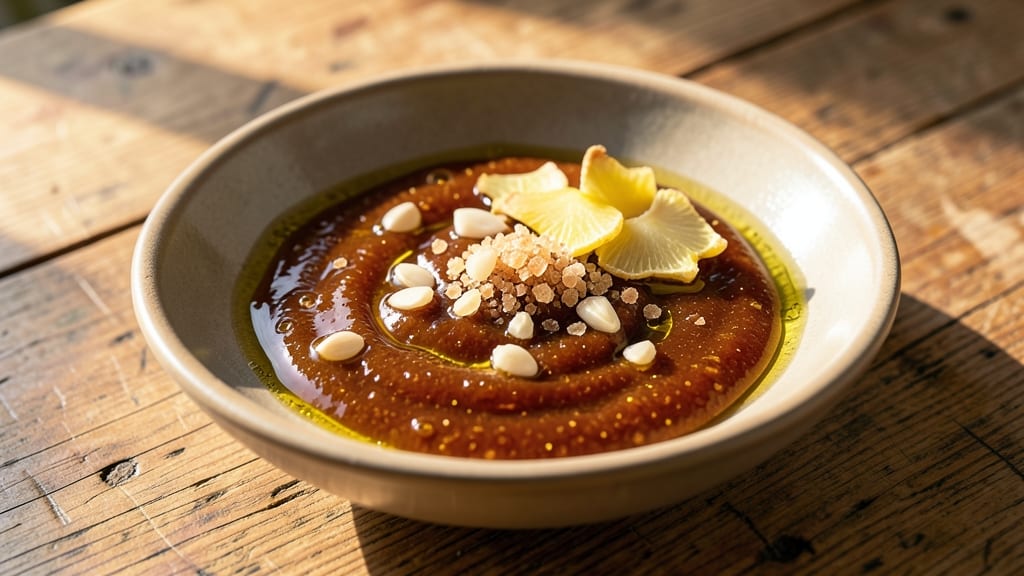
This Aloha Shoyu Teriyaki sauce recipe transforms ordinary grilled dishes into restaurant-quality masterpieces with its perfectly balanced sweet-savory depth. 🌟 The secret lies in combining traditional Japanese shoyu (soy sauce) with mirin and brown sugar, creating a glaze that caramelizes beautifully while maintaining umami richness.
I developed this recipe after years of experimenting with teriyaki variations—this one delivers that signature glossy finish without being overly sweet or salty.
The beauty of this sauce is its versatility—it elevates everything from grilled chicken and salmon to tofu skewers and roasted vegetables. The simmering process reduces the sauce to a thick, syrupy consistency that clings perfectly to proteins, creating a caramelized crust with every bite.
What makes it special is the addition of garlic and ginger, which infuse subtle warmth without overpowering the delicate balance of sweet and salty.
What you'll end up with is a glossy, aromatic sauce that's ready to drizzle, brush, or toss. It keeps well in the refrigerator for up to two weeks, making it perfect for meal prep or batch cooking.
The flavor profile is complex yet approachable—sweet enough to satisfy, savory enough to intrigue, and perfectly sticky for that signature teriyaki shine.
Whether you're grilling for a crowd or prepping weeknight dinners, this sauce delivers professional-quality results with minimal effort. Let's get started—your taste buds will thank you.
Ingredients for aloha shoyu teriyaki sauce
Nine ingredients, one incredible sauce—glossy, balanced, and restaurant-quality in your kitchen.
| Ingredient | Amount | Notes |
|---|---|---|
| Aloha Shoyu (Hawaiian Soy Sauce) 🍶 | ½ cup | High-quality, non-GMO preferred |
| Mirin 🍶 | ⅓ cup | Sweet cooking wine, not mirin substitute |
| Light Brown Sugar 🍚 | ¼ cup | Packed, not lightly spooned |
| Fresh Garlic Cloves 🧄 | 4 cloves | Minced, not pre-minced jarred |
| Fresh Ginger Root 🌿 | 1 ½ tbsp | Finely grated, peeled |
| Extra-Virgin Olive Oil 🫒 | 1 tbsp | For deglazing, fruity variety |
| Sesame Oil 🌱 | 1 tsp | Toasted, for aroma (not cooking) |
| Diamond Crystal Kosher Salt 🧂 | ½ tsp | Adjust to taste at the end |
| Black Peppercorns 🌶️ | ¼ tsp | Freshly cracked, not pre-ground |
The Aloha Shoyu is non-negotiable here—it's what gives this sauce its signature Hawaiian twist. Look for brands like Aloha or Kikkoman Aloha Shoyu at Asian markets or well-stocked grocery stores. Mirin is equally important: Japanese mirin, not the sweetened soy sauce substitute. The brown sugar should be packed, not lightly spooned—this ensures proper caramelization. For garlic and ginger, fresh is essential—jarred minced garlic lacks the depth, and dried ginger just won't cut it. I always double-check the mirin bottle's expiration date; it loses sweetness over time, which throws off the balance.
No mirin? Dry sherry plus 1 tsp sugar works in a pinch, but it won't be identical. Substituting regular soy sauce for Aloha Shoyu? Add 1 tsp honey or maple syrup to compensate for the lack of sweetness. Sesame oil is purely for aroma—don't cook with it. If you're avoiding sesame, skip it entirely or use a pinch of toasted sesame seeds at the end. The black peppercorns should be freshly cracked; pre-ground loses its punch. For a slightly thicker sauce, reduce the mirin by 1 tbsp and add 1 tsp cornstarch slurry at the end. This sauce is also fantastic with 1 tbsp of pineapple juice for extra tropical brightness.
This sauce keeps beautifully in the fridge for up to 2 weeks in an airtight container. For longer storage, freeze in ice cube trays—perfect for portion control. The flavor actually improves after a day or two as the ingredients meld. When reheating, simmer gently over low heat and stir occasionally to prevent scorching. I make double batches all the time—it disappears fast on grilled chicken, salmon, or even roasted Brussels sprouts. The sauce thickens as it cools, so it's always ready to drizzle or brush without thinning.
Why You'll Love This Recipe
- Five-Ingredient Magic: I swear, this sauce comes together with no fuss—just a quick simmer of Aloha Shoyu, mirin, and brown sugar until the aroma hits your kitchen. The garlic and ginger? They’re already prepped in minutes, not some fancy knife work.
- Sweet-Savory Balance: Between us, the brown sugar caramelizes into this sticky, glossy perfection that coats everything like a hug. Aloha Shoyu adds that deep umami punch, while the mirin keeps it bright—no bitterness, just pure, addictive flavor.
- Meal Prep MVP: Slather it on grilled chicken for Tuesday lunches, toss it with tofu for meal prep bowls, or drizzle it over roasted veggies. Honestly, I’ve used it on everything from soba noodles to baked salmon, and it never lets me down.
- Budget-Friendly Staple: A small bottle of Aloha Shoyu lasts me months—this sauce costs pennies to make and stretches across multiple meals. Plus, the leftovers? Even better the next day, because the flavors meld into something richer. (Yes, even on a Tuesday night.)
Step-by-step instructions for Aloha Shoyu teriyaki sauce
Here's how to craft a perfectly balanced glaze that's rich, aromatic, and packed with Hawaiian-inspired depth.
🍳 Step 1: Bloom the Aromatics in Olive Oil
Heat a medium saucepan over medium-low heat and add the 1 tablespoon extra-virgin olive oil. Once the oil shimmers gently, add the 4 cloves minced fresh garlic cloves and 1.5 tablespoons finely grated fresh ginger root. Cook for 2-3 minutes until the garlic becomes translucent and the ginger releases its fragrant oils.
Watch closely here—garlic burns faster than you think. You'll know it's ready when the mixture smells intensely aromatic and the raw garlic color transforms to a pale gold. This step builds the aromatic foundation that carries through your entire sauce, so don't rush it.
🍳 Step 2: Combine Wet Ingredients and Simmer
Pour in the 0.5 cup Aloha Shoyu (Hawaiian Soy Sauce), 0.33 cup mirin, and 0.25 cup packed light brown sugar. Stir vigorously with a wooden spoon to dissolve the sugar completely. Bring the mixture to a gentle boil over medium-high heat, then immediately reduce to medium-low heat.
The sauce will bubble vigorously at first, but you want to maintain a steady simmer—not a rolling boil. This controlled cooking prevents the sauce from becoming too thin. Let it simmer uncovered for 8-10 minutes until the mixture reduces by about 25% and becomes syrupy.
🥘 Step 3: Finish with Seasonings and Reduce Further
Add the 1 teaspoon toasted sesame oil, 0.5 teaspoon Diamond Crystal kosher salt, and 0.25 teaspoon freshly cracked black peppercorns. Stir well to combine, then continue simmering for another 5-7 minutes until the sauce reaches your desired consistency—it should coat the back of a spoon but still be pourable.
Here's the thing about this sauce: the longer you reduce it, the more concentrated the flavors become. I like to watch for a glossy sheen that indicates proper reduction. If it thickens too much, you can loosen it with 1 teaspoon water at a time. Taste and adjust the salt if needed—remember, you can always add more salt, but you can't remove it.
⏰ Step 4: Cool and Rest for Maximum Flavor
Remove the saucepan from heat and let the sauce cool for 10 minutes at room temperature. This resting period allows the flavors to meld and the sauce to thicken slightly as it cools. The sesame oil will separate slightly—this is normal and will reincorporate when you reheat or use the sauce.
For best results, store the sauce in an airtight container in the refrigerator for at least 1 hour before using. This chilling period enhances the flavor development and makes the sauce even more versatile for glazing, marinating, or drizzling. The cooled sauce will keep in the fridge for up to 2 weeks, though I rarely have any left that long!
Pro Tips For Making Aloha Shoyu Teriyaki Sauce
- Simmer Low and Slow: Start with a medium-high heat to get the sugar dissolved, then drop to a gentle simmer—think tiny bubbles, not rolling. I learned this the hard way after burning the ginger and garlic into oblivion twice. Aloha shoyu and mirin are delicate; rushing this turns your sauce bitter, not sweet.
- Grate Ginger Fine: Skip the mincer and use a microplane or the smallest holes of a box grater—you want the texture to disappear into the sauce. I was skeptical until I tried it; the flavor integrates smoother, and you avoid that "chunky" surprise in every bite.
- Toast the Garlic: Sauté the minced garlic in a dry pan for 30 seconds until fragrant and just turning golden—this prevents it from turning bitter during the long simmer. (Yes, even if you’re impatient like me.) The difference in depth of flavor is noticeable.
- Balance the Sugar: Taste the sauce before adding the full amount of brown sugar—aloha shoyu is saltier than regular soy sauce, and mirin adds sweetness. Adjust incrementally; I once ended up with a sauce that tasted like dessert, not teriyaki. Start with 2/3 of the recipe and tweak.
Pro cooking tips for aloha shoyu teriyaki sauce
Heat Control Secrets
Mastering the medium-low to medium heat range is critical for developing deep flavor without burning your aromatics. I start with medium-low when blooming garlic and ginger to prevent scorching, then increase to medium-high just long enough to bring the sauce to a boil before dialing back to medium-low for simmering.
This two-stage approach creates a caramelized depth that's impossible with high heat. 🌡️
Reduction Timing
Don't rush the 8-10 minute simmer—this is where the magic happens. The sauce should reduce by about 25% (visually, it'll look like it's lost a quarter of its volume). I test by coating the back of a spoon with sauce—it should leave a glossy, syrupy film.
If it's too thin, keep simmering; if too thick, add 1 tsp water at a time. Patience here separates good sauce from great sauce.
Salt Adjustment
Taste your sauce before adding the final ½ tsp salt—Aloha Shoyu varies in saltiness. I often find I need an extra pinch or two after cooling. Remember, you can't remove salt, but you can always add more.
For extra umami depth, add ½ tsp fish sauce or 1 tsp soy sauce if your sauce tastes flat after resting.
Sesame Oil Technique
Add the 1 tsp toasted sesame oil at the very end when the sauce is nearly finished. This prevents the delicate nutty aroma from cooking off. Stir gently and remove from heat immediately—you want to preserve that toasted sesame flavor.
If you're avoiding sesame, substitute with ½ tsp toasted sesame seeds or ¼ tsp ground coriander for a different aromatic profile.
Glaze Consistency
For perfect glaze consistency, aim for a sauce that's thick enough to coat the back of a spoon but still pourable. If you're glazing proteins, it should drip slowly but not pool. For drizzling over rice or noodles, it can be slightly thinner.
I keep a small bowl of water nearby to thin the sauce 1 tsp at a time if needed—this is better than adding liquid directly to the pan.
Flavor Development
The 10-minute room temperature rest is non-negotiable. This lets the flavors meld and the sauce thicken naturally. I often make the sauce the night before to let it develop even more complexity. The sesame oil will separate slightly—just give it a quick stir before using.
For extra brightness, add 1 tsp pineapple juice or ½ tsp lime zest during the final minutes of simmering. 💫
Nutrition facts
Frequently asked questions
What's the difference between Aloha Shoyu and regular soy sauce?
Aloha Shoyu is a Hawaiian-style soy sauce with a sweeter, more complex profile than regular soy sauce. It contains 10% sugar and a touch of molasses, giving it that signature caramelized depth. Regular soy sauce is purely salty—this sauce is what makes your teriyaki truly special!
Can I make this sauce without mirin?
Yes, but the flavor will differ slightly. Replace ⅓ cup mirin with ⅓ cup dry sherry plus 1 tsp sugar for a similar sweetness level. For a non-alcoholic option, use ⅓ cup pineapple juice plus 1 tsp sugar. The sauce will still work, but mirin's unique sweetness and acidity are hard to replicate.
How do I use this sauce for grilling?
Brush it on proteins 2-3 minutes before grilling for a quick glaze, or marinate for 30-60 minutes for deeper flavor. For vegetables, toss them in sauce and roast at 400°F for 15-20 minutes. The sauce caramelizes beautifully on the grill, creating that perfect glossy finish.
Why did my sauce turn out too salty?
This usually happens when Aloha Shoyu is extra-salty or when you add the full ½ tsp salt without tasting first. Always taste before adding salt—you can adjust by adding 1 tsp sugar or 1 tbsp water to balance. If it's still too strong, thin with 1 tbsp water and simmer longer to concentrate flavors.
Can I use this sauce on non-meat dishes?
It's fantastic on tofu, tempeh, mushrooms, roasted vegetables, and even drizzled over rice bowls. For extra richness, reduce the sauce slightly longer for a thicker consistency when using on heartier ingredients. The umami-sweet balance works beautifully across the board.