
Sauces & Condiments
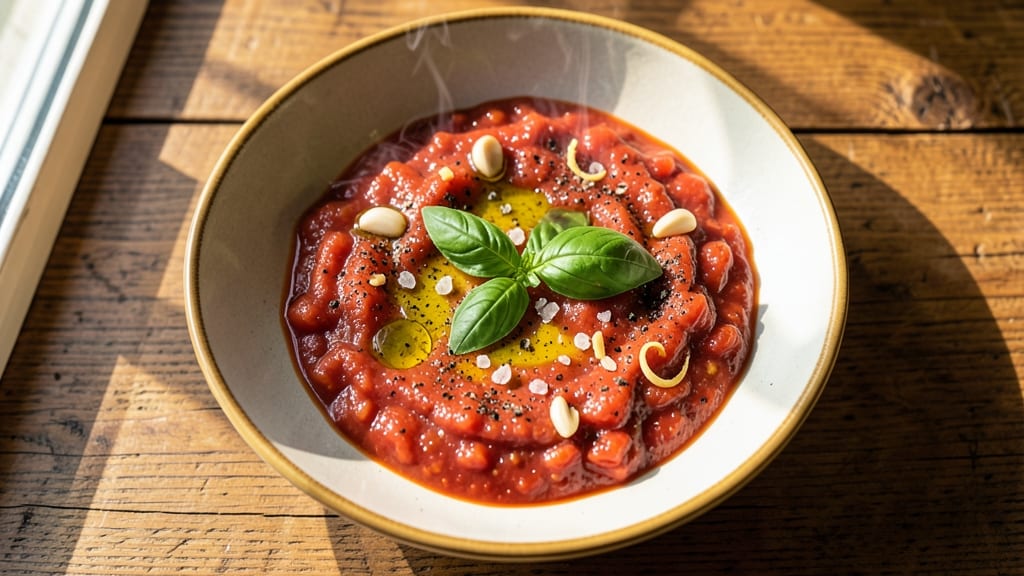
This artisan pizza sauce recipe transforms simple crushed tomatoes into a slow-simmered masterpiece with deep umami richness and bright basil zing. The secret lies in caramelizing aromatics and reducing the sauce until it achieves that perfect balance between sweetness and acidity—no sweetener needed.
Professional pizzerias rely on this technique to elevate their pies, and now you can recreate it at home with just five core ingredients.
The process begins with a gentle simmer that allows flavors to meld and intensify over 30 minutes, creating a sauce that's vibrant yet complex. Unlike store-bought versions, this recipe builds layers of flavor through proper technique: sweating garlic in olive oil, deglazing with crushed tomatoes, and finishing with fresh basil.
The result is a sauce that's bold enough for Neapolitan-style pies but versatile enough for white sauces or spicy arrabbiata variations.
What sets this sauce apart is its professional texture—smooth yet slightly chunky from crushed tomatoes—and its ability to enhance any pizza style. The slow reduction concentrates flavors while maintaining natural sweetness, and the basil adds a fresh, aromatic finish that keeps the sauce vibrant.
This isn't just a sauce; it's the foundation that transforms a simple pizza into a restaurant-quality masterpiece.
The best part? This sauce keeps beautifully in the fridge for up to 5 days or can be frozen for 3 months, making it perfect for batch cooking. Whether you're crafting a classic Margherita or experimenting with bold toppings, this versatile sauce delivers consistent, professional results every time.
Let's get started on creating your signature pizza sauce.
Ingredients for artisan pizza sauce
Five ingredients transform ordinary pizza sauce into a restaurant-quality masterpiece with deep umami and fresh basil zing.
| Ingredient | Amount | Notes |
|---|---|---|
| Extra-Virgin Olive Oil 🫒 | ½ cup | High-quality, fruity, cold-pressed |
| Garlic Cloves 🧄 | 4 cloves | Fresh, peeled, minced fine |
| Crushed Tomatoes 🍅 | 28 oz | San Marzano preferred, no added salt |
| Fresh Basil Leaves 🌿 | ½ cup | Packed, stems removed, chopped |
| Diamond Crystal Kosher Salt 🧂 | ½ tsp | Fine grain, for balancing flavor |
| Freshly Ground Black Pepper 🌶️ | ¼ tsp | Cracked peppercorns preferred |
| Red Wine Vinegar 🍷 | 1 tbsp | For bright acidity balance |
The olive oil and garlic are your flavor foundation—use the best extra-virgin you can find (look for harvest dates on the bottle). Garlic should be fresh, never pre-minced. San Marzano crushed tomatoes are worth the splurge for their natural sweetness and low acidity—Whole Foods or Trader Joe's carry them year-round. If you can't find San Marzano, Muir Glen Organic is a solid backup. The basil? Farmers market basil has that vibrant punch, but if you're using grocery store, pick the freshest bunch and chop it just before adding to the sauce.
No red wine vinegar? White wine vinegar or lemon juice works in a pinch, though the flavor profile shifts slightly. Short on garlic? Garlic powder at half the amount gets you close, but fresh is non-negotiable for that caramelized depth. The tomatoes can be fresh crushed if you prefer—just strain out the skins. For a smokier sauce, add 1/2 tsp smoked paprika with the salt. And if you're making a white sauce variation, simply omit the tomatoes and use 1 cup heavy cream instead, reducing it down with the aromatics.
This sauce develops better with time—let it sit at room temperature for 30 minutes before using for maximum flavor melding. In the fridge, it keeps for 5 days in an airtight container, with a thin layer of olive oil on top to preserve the basil's color. For freezing, portion into ice cube trays—perfect for single-use portions. The sauce actually improves after a day or two as the flavors continue to marry, so make extra if you can.
Why You'll Love This Recipe
- Here’s what sold me: the slow-sizzled garlic in olive oil until it’s golden but not burnt, then crushed tomatoes and fresh basil. It’s that perfect balance—sweet, tangy, and herby that makes every bite sing.
- Five-Ingredient Magic: I swear by this—just olive oil, garlic, tomatoes, basil, and salt. That’s it. No jars, no fuss, just pure, bright flavor that tastes like you spent hours simmering something fancy.
- Garlic-Basil Bomb: Here’s what sold me: the slow-sizzled garlic in olive oil until it’s golden but not burnt, then crushed tomatoes and fresh basil. It’s that perfect balance—sweet, tangy, and herby that makes every bite sing.
- Weeknight & Weekend: Use it on pizza, toss it with pasta, or drizzle it over grilled chicken. Honestly, I’ve even slathered it on toast with a sprinkle of cheese. It’s my go-to for when I’m too tired to think but still want something special.
Step-by-step instructions for slow-simmered artisan pizza sauce
Transform simple ingredients into a restaurant-quality sauce with deep umami and bright basil notes.
Bloom the Garlic in Olive Oil
Heat the 0.5 cup extra-virgin olive oil in a heavy-bottomed saucepan over medium-low heat. Add the 4 cloves minced garlic and cook for 3-4 minutes until the garlic becomes fragrant and just begins to turn golden. Watch closely—garlic burns quickly, and you want that sweet, nutty aroma without bitterness.
This step is crucial for developing flavor. The olive oil's fruity notes will mellow slightly while the garlic infuses its essence into the fat. Stir occasionally with a wooden spoon to distribute the garlic evenly without browning it. If the oil starts to smoke, reduce the heat immediately—you're aiming for gentle cooking, not frying.
Add Tomatoes and Simmer Until Thickened
Pour in the 28 oz crushed tomatoes and bring the mixture to a gentle simmer over medium heat. Stir occasionally to prevent sticking, and let it cook uncovered for 25-30 minutes until the sauce reduces by about one-third and thickens slightly. You're looking for a consistency where the sauce coats the back of a spoon but still has a velvety texture.
This slow simmering process breaks down the tomatoes' natural pectin, creating a rich, concentrated flavor. The sauce should develop a deep red color and a slightly glossy sheen. If it starts to stick to the pan, add a splash of water or a little more olive oil to maintain even cooking. Resist the urge to stir constantly—gentle, occasional stirring prevents the sauce from breaking down into a mushy texture.
Season and Balance the Sauce
Remove the sauce from heat and stir in the 0.5 tsp Diamond Crystal kosher salt, 0.25 tsp freshly ground black pepper, and 1 tbsp red wine vinegar. Taste and adjust the seasoning—this is where you fine-tune the balance between sweetness, acidity, and saltiness. The vinegar adds a bright tang that cuts through the richness of the tomatoes and olive oil, while the pepper provides a subtle warmth.
Let the sauce rest for 5 minutes to allow the flavors to meld. This resting period is essential—it lets the acidity mellow slightly and the salt penetrate the sauce more evenly. If you're impatient, you can proceed, but the flavors will be more harmonious after this short wait. The sauce should now have a rich, complex flavor with a perfect balance of sweet, tangy, and savory notes.
Incorporate Fresh Basil for Zing
Just before using the sauce, stir in the 0.5 cup chopped fresh basil leaves. The basil adds a vibrant, herbal brightness that contrasts beautifully with the deep umami of the tomatoes. Unlike dried basil, fresh basil releases its essential oils when heated gently, infusing the sauce with its signature aroma and flavor. Stir well to distribute the basil evenly throughout the sauce.
This final step is what elevates this sauce from ordinary to extraordinary. The basil not only adds freshness but also enhances the sauce's visual appeal with its bright green flecks. For the best results, use the sauce immediately—it's at its peak flavor and texture right now. If you need to store it, keep it refrigerated in an airtight container for up to 5 days, but the basil will continue to wilt slightly over time, so use it as soon as possible for the freshest taste.
Pro Tips For Making Artisan Pizza Sauce
- Low and Slow Cook: Cook your crushed tomatoes on the lowest heat you can tolerate—this isn’t a race. I learned this the hard way after burning a batch and ending up with a bitter, ashy mess. Let it simmer for at least 20 minutes, stirring occasionally, until the sauce thickens just enough to coat the back of a spoon.
- Minced Garlic First: Sauté your garlic in olive oil until it’s golden, not browned—this makes all the difference. If you’re impatient like me, resist the urge to rush it; overcooked garlic turns bitter and ruins the sauce’s delicate balance.
- Salt in Stages: Add half the kosher salt at the start, then taste and adjust as you go. The crushed tomatoes can vary in saltiness, so waiting to season fully means you won’t overdo it. (Your future self will thank you.)
- Basil at the End: Tear the basil leaves by hand and add them in the last 2 minutes of cooking—this keeps their bright flavor intact. If you’re using dried basil, skip it entirely; fresh is non-negotiable here. (Yes, even if you’re short on time.)
Essential equipment for great artisan pizza sauce
Heavy-Bottomed Saucepan
This is your workhorse for even heat distribution and gentle simmering. I use a 3-quart stainless steel saucepan like the All-Clad Stainless—it handles the slow reduction beautifully without hot spots.
For budget-friendly options, Cuisinart MultiClad or Calphalon Classic are excellent alternatives. Avoid thin, non-stick pans—they can't handle the prolonged simmering without warping or releasing flavors. 🔥
Wooden Spoon
A long-handled wooden spoon is essential for stirring without scratching your pot. I prefer olive wood from Oxo Good Grips—it's durable and won't impart flavors. Avoid metal utensils during simmering as they can react with the acidity in tomatoes.
The spoon's gentle stirring helps maintain the sauce's natural texture while preventing sticking. For extra durability, keep it in a dish rack to dry completely after washing.
Fine-Mesh Strainer
If you prefer a smoother sauce, a fine-mesh strainer like the OXO Good Grips helps remove any tomato skins or basil stems. Place it over a bowl to catch the strained sauce. For a chunkier texture (which I prefer for pizza), skip straining—just stir well to distribute the basil.
The strainer also comes in handy if you're using fresh tomatoes that need skin removal. Store it in a dry place to prevent rusting.
Digital Kitchen Scale
Precision matters with ingredients like garlic and salt. My go-to is the OXO Good Grips Digital Scale—it's accurate to 0.1 grams and has a tare function for easy measurements. For garlic, mincing 4 cloves should yield about 12 grams of finely chopped pieces.
The scale ensures consistent results, especially when scaling up or down the recipe. Keep it on your counter for quick, accurate measurements during prep.
Glass Storage Containers
For fridge storage, amber glass jars (like Le Parfait) preserve the sauce's color and flavors better than plastic. The dark glass blocks light, which can degrade the basil's vibrancy over time. Portion the sauce into 1-cup jars for easy use—just grab what you need for a single pizza.
For freezing, transfer to silicone ice cube trays for single-serving portions. Always leave 1-inch headspace to prevent expansion cracks.
Immersion Blender (Optional)
If you love ultra-smooth sauces, an immersion blender like the Ninja CB101 lets you blend directly in the pot. Pulse for 10-15 seconds to break up any remaining tomato chunks without losing the sauce's natural body.
Avoid over-blending—you want to preserve some texture for pizza. For a marbleized effect, blend half the sauce, then swirl it back in. Store the blender's cord in a dry, coiled position to extend its life.
Nutrition facts
Frequently asked questions about artisan pizza sauce
Can I make this sauce without fresh basil?
Yes, but the flavor will be less vibrant. Use 1 teaspoon dried basil (or 1/2 teaspoon basil powder) instead, but add it during the simmer rather than at the end. For a different twist, try 1/2 teaspoon dried oregano or 1/4 teaspoon red pepper flakes for heat. The sauce will still taste great—just with a different herbal profile.
How do I adjust this recipe for a white sauce variation?
Replace the crushed tomatoes with 1 cup heavy cream and 1/2 cup whole milk. Simmer with the garlic and olive oil for 15-20 minutes until slightly thickened, then finish with 1/4 cup grated Parmesan and 1/2 teaspoon nutmeg. For a garlic-white sauce, add 2 extra minced garlic cloves during the simmer. This creates a rich, creamy base perfect for white pizza.
Why did my sauce turn out too acidic?
This usually happens when using tomatoes with high acidity or adding too much vinegar. Balance it by stirring in 1/2 teaspoon sugar or 1/4 teaspoon honey while warm. For future batches, try San Marzano tomatoes (naturally sweeter) and reduce vinegar to 1/2 tablespoon. Taste as you go—you can always add more sweetener, but you can't remove excess acid.
Can I make this sauce in a slow cooker?
Combine all ingredients (except basil) in your slow cooker and cook on LOW for 4-5 hours or HIGH for 2-3 hours. The low-and-slow method enhances the umami flavors even more. Just before serving, stir in the fresh basil. For best results, use a 3-4 quart slow cooker to prevent overflowing. The texture will be slightly thicker than stovetop, which works great for pizza.
How much sauce should I use per pizza?
For a 12-inch pizza, spread 1/2 to 2/3 cup of sauce (about 1/4 inch thick). For Neapolitan-style, use the lighter amount—it's designed to complement rather than overwhelm. If using thick toppings (like sausage or veggies), reduce sauce to 1/3 cup to prevent a soggy crust. Always spread sauce evenly to ensure consistent cooking.