
Sauces & Condiments
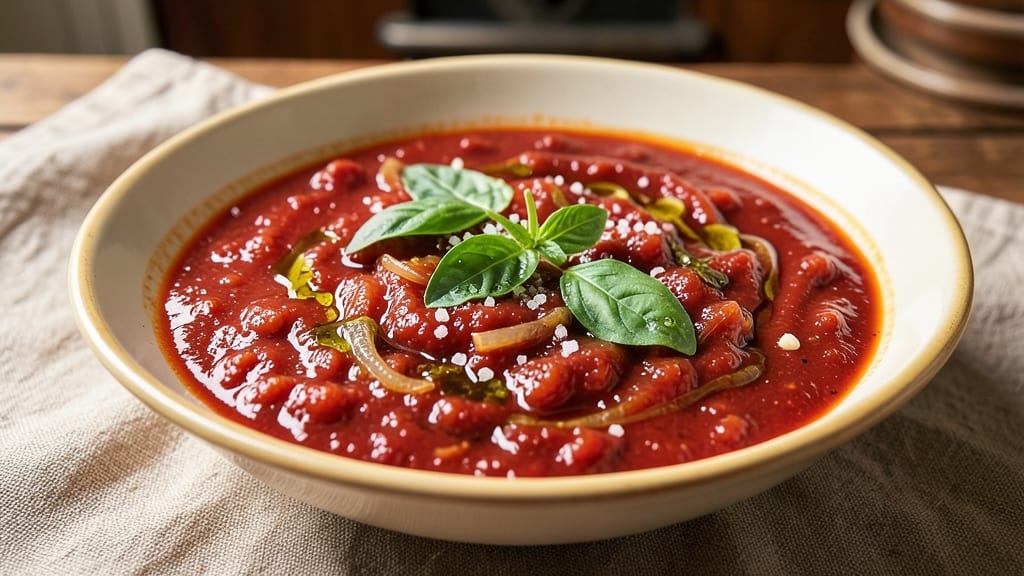
Barefoot Contessa's tomato sauce transforms simple ingredients into a rich, velvety sauce that tastes like it simmered all day—even when it doesn’t. The secret lies in low-and-slow cooking, where canned tomatoes deepen in flavor while aromatics like garlic and onion build layers of umami that elevate any dish.
This isn’t just a sauce; it’s the foundation for meals that taste like they came from a bustling Italian kitchen.
The recipe relies on a foolproof technique: simmering until the sauce thickens naturally, without added thickeners that mask the tomatoes’ natural sweetness. Fresh basil, added at the end, delivers that signature bright zing that sets this sauce apart from store-bought versions.
The result? A sauce so versatile it works as a pasta topping, pizza base, or even a dipping sauce for crusty bread.
What makes this sauce truly special is its adaptability—scale it down for a weeknight dinner or double the batch for meal prep. The flavors only get better with time, making it perfect for storing in the fridge or freezer.
Whether you’re a seasoned cook or a beginner, this recipe delivers restaurant-quality results with minimal effort.
The key to success? Patience and attention to detail—letting the sauce reduce slowly and balancing acidity with a pinch of sugar. Trust the process, and you’ll have a sauce that’s bold, balanced, and bursting with flavor, just like Ina Garten’s iconic creations. Let’s get simmering!
Ingredients for barefoot contessa tomato sauce
The foundation of restaurant-quality tomato sauce starts with these ten essential ingredients.
| Ingredient | Amount | Notes |
|---|---|---|
| San Marzano Crushed Tomatoes 🍅 | 28 oz | High-quality, no salt added |
| Extra-Virgin Olive Oil 🫒 | ½ cup | Fruity, peppery variety preferred |
| Yellow Onion 🧅 | 1 whole | Finely diced, about 1.5 cups |
| Garlic Cloves 🧄 | 4 cloves | Peeled and minced finely |
| Fresh Basil Leaves 🌿 | ½ cup | Packed, stems removed |
| Diamond Crystal Kosher Salt 🧂 | 1 tsp | For seasoning, adjust to taste |
| Granulated Sugar 🍚 | 1 tsp | Balances acidity naturally |
| Red Wine Vinegar 🍷 | 1 tbsp | Brightens the sauce |
| Freshly Ground Black Pepper 🌶️ | ½ tsp | Freshly cracked for depth |
| Freshly Grated Parmesan Cheese 🧀 | ¼ cup | For finishing, optional |
The San Marzano tomatoes are non-negotiable for this recipe—their natural sweetness and low acidity create the perfect base. Whole Foods and specialty Italian markets carry them in cans, or look for the San Marzano label at Trader Joe's. The olive oil should be extra-virgin with noticeable peppery bite—California avocado or Italian brands like Bertolli or Filippo Berio excel here. Fresh basil matters too; garden-fresh or farmers market varieties have the brightest flavor, but store-bought works if the leaves are vibrant and not wilted. For the onions, yellow or red varieties both work, but avoid sweet onions—they can overpower the sauce's balance.
No San Marzano tomatoes? High-quality crushed tomatoes in a heavy-duty can (like Muir Glen) are the next best option. Swap the red wine vinegar for lemon juice if needed, though it won't have the same depth. Fresh basil wilt fast, so dried basil at one-third the amount is a decent substitute, though it lacks that signature zing. The sugar is crucial—it rounds out the acidity, so don't skip it even if the tomatoes seem sweet enough. For a vegetarian twist, add 1 tsp nutritional yeast at the end for extra umami. If you're short on time, pre-minced garlic from a jar works, but fresh is always better for that aromatic punch.
This sauce tastes even better the next day as the flavors meld. Store it in an airtight glass jar in the fridge for up to 5 days, or freeze in 1-cup portions for 3 months. For meal prep, double the batch—it reheats beautifully and freezes perfectly. When reheating, add a splash of water or broth to loosen the sauce if it thickens too much. The Parmesan, if using, should be added just before serving to prevent clumping. For a restaurant-worthy finish, stir in a generous pinch of black pepper and adjust the salt to taste—this sauce should be rich, balanced, and bold without being overpowering.
Why You'll Love This Recipe
- No Chopping Struggle: That San Marzano magic means I just crush tomatoes—no peeling cans, no messy seeds. The onions and garlic? One knife, five minutes max. Honestly, I’ve made this while scrolling through emails.
- Garlic-Basil Bomb: Low and slow in olive oil until the garlic turns golden—that’s the secret. Fresh basil at the end? It’s like a hug for your taste buds. I’ll be real: my husband sniffs the pot before it’s even done.
- Pasta’s Best Friend: Slap this on spaghetti, toss it with grilled chicken, or freeze half for lazy Mondays. Here’s what sold me—it’s the only sauce that works for both weeknight dinners and fancy guests. (Yes, even on a Tuesday night.)
- Fridge Goldmine: A big batch keeps for days, and it only gets richer. I freeze portions in jars—no waste, no stress. Between us, this is my budget-friendly way to feel like a chef without breaking the bank.
Step-by-step instructions for Barefoot Contessa's tomato sauce
Here's how to craft a restaurant-worthy tomato sauce with deep umami and vibrant freshness.
Sauté Aromatics in Olive Oil
Heat the 0.5 cup extra-virgin olive oil in a heavy-bottomed saucepan over medium-low heat. Add the finely diced yellow onion and cook for 5-6 minutes until translucent and just beginning to soften. I like to use a wide pan for this step to prevent overcrowding, which can lead to steaming instead of browning.
Once the onions are tender, add the 4 cloves minced garlic and cook for another 30 seconds—just until fragrant. Garlic burns quickly, so keep a close eye on it. The goal here is to build a flavor base that will infuse the entire sauce. If you smell the garlic becoming bitter, remove the pan from heat immediately and let it cool slightly before proceeding.
Incorporate Tomatoes and Seasonings
Pour in the 28 oz San Marzano crushed tomatoes and stir to combine with the aromatics. Add the 1 tsp granulated sugar, 1 tsp Diamond Crystal kosher salt, 1 tbsp red wine vinegar, and 0.5 tsp freshly ground black pepper. The sugar helps balance the acidity of the tomatoes, while the vinegar brightens the overall flavor profile.
Bring the mixture to a gentle simmer over medium-low heat. I recommend using a saucepan with a lid to help concentrate the flavors as the sauce reduces. Let it simmer uncovered for 20-25 minutes, stirring occasionally to prevent sticking. You'll notice the sauce darkening slightly and becoming thicker as it develops its rich, complex flavor.
Simmer and Develop Depth
After the initial simmering, reduce the heat to low—this is where the sauce transforms. Continue simmering uncovered for another 30-40 minutes, stirring every 10 minutes to prevent a skin from forming. The sauce should reduce to a thick, velvety consistency with a glossy sheen.
This slow simmering process allows the natural sweetness of the tomatoes to caramelize, while the acidity mellows into a balanced, rich flavor. You're looking for a sauce that coats the back of a spoon and has a deep, concentrated tomato aroma. If the sauce becomes too thick, you can add a splash of water or pasta water to loosen it to your desired consistency.
Finish with Fresh Basil and Parmesan
Once the sauce has reached your desired consistency, remove it from the heat and stir in the 0.5 cup fresh basil leaves. The basil should be added just before serving to preserve its vibrant flavor and aroma. Let the sauce sit for 5 minutes to allow the basil to infuse, then taste and adjust the seasoning if needed.
Finally, stir in the 0.25 cup freshly grated Parmesan cheese to add a nutty depth and creaminess to the sauce. The Parmesan should melt smoothly into the sauce, creating a luxurious finish. Serve the sauce immediately over your favorite pasta or use it as a base for other Italian dishes. The fresh basil and Parmesan elevate the sauce from simple to extraordinary.
Pro Tips For Making Barefoot Contessa Tomato Sauce
- Sweat the Onion First: Don’t rush this—cut the onion into even ¼-inch slices and cook them in the olive oil over medium heat until they’re translucent and just starting to turn golden. I learned the hard way that skipping this step leaves your sauce with a raw onion aftertaste, no matter how long you simmer it.
- Crush Garlic Lightly: Use the flat side of your knife to smash the garlic cloves (2-3) into a paste before adding them to the pot. This prevents burning and lets the flavor infuse evenly. I was skeptical until I tried it—now I never go back.
- Simmer Low and Slow: After adding the crushed tomatoes, reduce the heat to the lowest setting you can tolerate and let it bubble gently for at least 45 minutes. The sauce will thicken and deepen in flavor—rushing it leaves it thin and underdeveloped.
- Add Basil Late: Tear the basil leaves and stir them in only during the last 10 minutes of cooking. This keeps their bright flavor intact instead of turning bitter. (Yes, even if you’re impatient like me.)
Pro cooking tips for great barefoot contessa tomato sauce
Low-and-Slow Simmering
This sauce thrives on patience—simmering at low heat (180-200°F) for 50-60 minutes total builds depth that canned or rushed versions lack. I use a heavy-bottomed Dutch oven like Le Creuset to prevent hot spots that can burn the sauce.
Keep the lid slightly ajar after the initial simmer to let excess moisture evaporate while concentrating flavors. Stir every 10 minutes to prevent sticking and ensure even reduction. 🌡️
Balancing Acidity
The 1 tbsp red wine vinegar brightens the sauce, but if your tomatoes taste particularly tart, reduce to ½ tbsp. For extra balance, add ½ tsp sugar—it’s subtle but rounds out flavors beautifully.
Taste as you go: the sauce should be rich, not sour. If it’s too acidic, a pinch of sugar or a splash of pasta water (which is slightly alkaline) can help neutralize.
Fresh Basil Timing
Adding basil at the end is non-negotiable—cooking it releases bitterness and kills its vibrant aroma. Tear the leaves by hand (not chop) to preserve their delicate oils. For a restaurant-style finish, I like to add 2 tbsp chopped basil to the sauce and reserve 2 tbsp whole leaves for garnish.
If using dried basil, add ½ tsp during simmering, but expect less zing.
Parmesan Perfection
Use freshly grated Parmesan—pre-shredded cheese contains anti-caking agents that make the sauce grainy. Stir in just before serving to avoid clumping. For extra richness, add 1 tbsp heavy cream along with the Parmesan.
If you’re vegan, swap in nutritional yeast for a cheesy depth. Always taste after adding cheese—adjust salt if needed, as Parmesan can be salty.
Sauce Consistency Hacks
If your sauce thickens too much, loosen it with 1-2 tbsp water or pasta water (which contains starch). For a glossy finish, stir in 1 tsp olive oil at the end. If it’s too thin, simmer uncovered for 10-15 more minutes to reduce further.
The ideal consistency should coat the back of a spoon but still be pourable—thick enough for pasta but smooth enough for dipping bread. 💡
Equipment Essentials
A wide saucepan (like All-Clad Stainless Steel) prevents overflowing, while a wooden spoon gently stirs without scratching. For flavor control, I use a thermometer to monitor heat—180-200°F is ideal.
A fine-mesh strainer helps remove basil stems if you prefer a smoother texture. Investing in quality tools makes all the difference in professional results. ✨
Nutrition facts
Frequently asked questions
Why does the recipe call for San Marzano tomatoes specifically?
San Marzano tomatoes are the gold standard for tomato sauce because their low acidity and natural sweetness create a richer, more balanced flavor. Their thick flesh also breaks down beautifully during simmering, giving you that velvety texture without needing extra thickeners. If you can't find them, look for high-quality crushed tomatoes in heavy-duty cans like Muir Glen.
Can I make this sauce without fresh basil?
Yes, but the flavor will be different. Use ½ teaspoon dried basil instead, added during simmering, but expect less vibrant aroma. For a brighter alternative, try ½ teaspoon lemon zest or 1 tablespoon chopped parsley at the end. Fresh basil is key for that signature Barefoot Contessa zing, though!
How do I fix a sauce that's too acidic or too bland?
For too acidic sauce, stir in ½ teaspoon sugar or a splash of pasta water (which is slightly alkaline). For bland sauce, add ½ teaspoon salt or a pinch of red pepper flakes for depth. Always taste as you go—this sauce should be rich and balanced, not one-dimensional.
Can I use this sauce for dishes other than pasta?
This versatile sauce works as a pizza base, dipping sauce for crusty bread, or even a topping for grilled chicken or fish. For pizza, spread it thinly and add toppings after baking. For dipping, thin it slightly with water or broth. The possibilities are endless—just adjust seasoning to match your dish!
What’s the best way to store leftover sauce?
Store in an airtight glass jar in the fridge for up to 5 days, or freeze in 1-cup portions for 3 months. When reheating, add a splash of water or broth to restore smoothness. The flavors actually improve after resting, making it perfect for meal prep!