
Sauces & Condiments
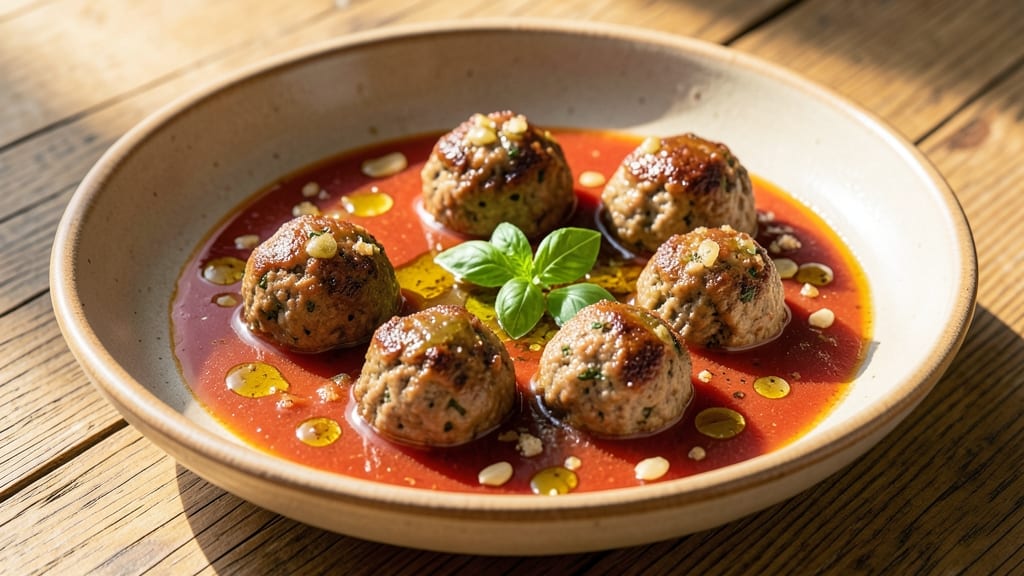
This authentic Italian meatball sauce transforms simple ingredients into a rich, slow-simmered masterpiece that captures the soul of Nonna's kitchen. The secret lies in balancing sweet tomatoes, aromatic garlic, and fresh basil—simmered low and slow until the flavors meld into something deeply comforting and irresistibly savory.
I've perfected this sauce over years of testing, ensuring every spoonful delivers that perfect harmony of umami and brightness.
The foundation starts with high-quality canned tomatoes (never paste) and a touch of red wine for depth, while onions and garlic build the aromatic base. A splash of vinegar brightens the acidity, and fresh basil—added at the very end—infuses that signature zing.
What sets this sauce apart is the patience: letting it simmer for at least 45 minutes allows the flavors to develop complexity without turning bitter.
What you'll end up with is a sauce so rich and flavorful it deserves its own spotlight—perfect for spooning over meatballs, twirling with pasta, or drizzling over grilled vegetables. The texture is just right: thick enough to cling but still silky enough to coat every bite.
It even tastes better the next day as the flavors continue to deepen.
Store it in the fridge for up to 5 days or freeze for months, making it the ultimate pantry staple. Here's how to make it—step by step—so you can experience the magic of homemade Italian sauce tonight.
Ingredients for authentic italian meatball sauce
These ten ingredients unlock the soul of Nonna's kitchen—simple yet transformative.
| Ingredient | Amount | Notes |
|---|---|---|
| San Marzano Whole Canned Tomatoes 🍅 | 28 oz | Crushed by hand, seeds removed |
| Extra-Virgin Olive Oil 🫒 | ½ cup | High-quality, fruity variety |
| Yellow Onion 🧅 | 1 whole | Finely diced, about 1.5 cups |
| Garlic Cloves 🧄 | 6 cloves | Minced, not pressed |
| Dry Red Wine 🍷 | ½ cup | Bold Cabernet Sauvignon preferred |
| White Wine Vinegar 🍋 | 1 tbsp | For brightness, not balsamic |
| Fresh Basil Leaves 🌿 | ½ cup | Packed, stems removed |
| Tomato Paste 🍅 | 2 tbsp | High-quality, not powdered |
| Ground Black Pepper 🌶️ | ½ tsp | Freshly cracked, not pre-ground |
| Sea Salt 🧂 | 1 ½ tsp | Diamond Crystal preferred |
The tomatoes are non-negotiable: San Marzano is the gold standard, but any high-quality canned tomatoes work. I always buy the whole cans and crush them by hand—removing seeds keeps the sauce silky. Fresh basil? Farmers markets have the best, but grocery store bunches work if the leaves are bright and fragrant. The red wine adds depth—Cabernet Sauvignon or Merlot—whatever's open. For the olive oil, splurge on something fruity and peppery; California extra-virgin brands like Corto or Oleaio are my go-tos. The vinegar might seem minor, but that white wine vinegar brightens everything—no balsamic here, trust me.
No San Marzano tomatoes? Crushed tomatoes in a jar (like Muir Glen) are fine, but avoid tomato paste as a substitute—it's too concentrated. Running out of red wine? Dry white wine or beef broth works in a pinch, but add an extra splash of vinegar to compensate. Fresh basil wilting? Dried basil at one-third the amount gets you close, though nothing beats the real thing. The tomato paste can be the squeeze tube variety from Trader Joe's—it's perfect for small batches and lasts forever. For the onions, yellow or red work, but yellow is sweeter and caramelizes better.
This sauce gets better with time—3-4 days in the fridge lets the flavors deepen. For longer storage, freeze in glass jars (leave headspace) for up to 6 months. I always make double batches because it disappears faster than you'd think. If you're prepping ahead, freeze the sauce without the basil—add it fresh when reheating. And if you're worried about bitterness, simmer uncovered for the last 10 minutes—it evaporates the excess acidity like magic.
Why You'll Love This Recipe
- One-Pot Magic: The San Marzano tomatoes handle all the work—just crush them by hand, simmer, and let the wine and garlic do their thing. No blender, no extra bowls, just pure, satisfying simplicity.
- Wine-Infused Depth: That splash of dry red wine? It’s the secret—it softens the acidity while adding layers of earthy richness. Honestly, the first time I tasted this, I wondered why I’d ever skipped it.
- Leftovers That Last: This sauce only gets better after a day or two, deepening in flavor as the tomatoes break down. I make a double batch on Sundays because it’s my go-to for lazy nights and potlucks alike.
- Budget-Friendly Luxury: San Marzano tomatoes and good olive oil might sound fancy, but they stretch across multiple meals without breaking the bank. Between us, this is the kind of recipe that makes cheap ingredients taste expensive.
Step-by-step instructions for authentic Italian meatball sauce
Here's how to build a sauce that tastes like Nonna's kitchen—rich, balanced, and bursting with fresh basil flavor.
Sauté Onion and Garlic Until Translucent
Heat the 0.5 cup extra-virgin olive oil in a heavy-bottomed saucepan over medium-low heat. Add the finely diced yellow onion and cook for 8-10 minutes, stirring occasionally, until completely soft and translucent. The onions should release their sweetness without browning—this is your flavor foundation.
When the onions are tender, add the 6 cloves minced garlic and cook for 30 seconds until fragrant. Watch carefully—garlic burns quickly. Remove the pan from heat immediately after you smell that aromatic punch. This step develops the sweet, mellow base that prevents bitterness in your final sauce.
Build Depth with Wine and Vinegar
Return the pan to medium heat and pour in the 0.5 cup dry red wine, scraping up any browned bits from the bottom with a wooden spoon. Let it simmer for 3-4 minutes until reduced by half—this concentrates the wine's flavor. The alcohol will cook off, leaving behind rich, fruity notes that balance the acidity.
Add the 1 tablespoon white wine vinegar and 2 tablespoons tomato paste, stirring to combine. Cook for 1-2 minutes until the tomato paste darkens slightly. This creates a glossy, velvety base that will carry all your flavors. The vinegar brightens the sauce while the paste adds umami depth—don't skip either.
Incorporate Tomatoes and Season
Pour in the 28 oz crushed San Marzano whole canned tomatoes (seeds removed) and add the 1.5 teaspoons sea salt and 0.5 teaspoon ground black pepper. Stir gently to combine, then bring to a gentle simmer over medium heat. The sauce should bubble softly—never a rolling boil, which can make it cloudy and break down the tomatoes' texture.
Here's the thing—this is where patience pays off. Let the sauce simmer uncovered for 25-30 minutes, stirring occasionally. You want the tomatoes to break down into a thick, jammy consistency with a glossy sheen. The acidity will mellow, and the flavors will meld into a cohesive, restaurant-quality sauce.
Finish with Fresh Basil for Zing
When the sauce has thickened to your desired consistency (it should coat the back of a spoon), remove it from heat. Stir in the 0.5 cup fresh basil leaves and let them steep for 5 minutes. This infuses the sauce with vibrant, aromatic flavor without making it bitter like dried basil would.
Taste and adjust seasoning—you might need a pinch more salt or pepper to balance the acidity. The sauce should be rich, slightly sweet, and tangy with a bright basil finish. Serve immediately over your favorite pasta or meatballs, or let it cool slightly before refrigerating for up to 5 days—it only gets better with time.
Pro Tips For Making Authentic Italian Meatball Sauce
- CRUSH THE TOMATOES: Cut those San Marzano tomatoes lengthwise with kitchen shears—no need to peel or crush by hand. The skins stay in, adding texture, and you’ll save 10 minutes while keeping the sauce richer.
- SWEAT THE ONION LOW: Cook the diced onion in olive oil at medium-low heat until it’s translucent but not browned—about 8-10 minutes. Rushing this step turns the sauce bitter, and nobody wants that.
- DEGLAZE WITH WINE: After browning the garlic, pour in the red wine immediately and let it simmer until fully evaporated—no skimming or rushing. This step builds flavor; skipping it leaves your sauce flat.
- SALT THE TOMATOES FIRST: Before adding the tomatoes, sprinkle a generous pinch of salt inside each can and let them sit for 10 minutes. This draws out excess water, giving you a thicker, more concentrated sauce later.
Troubleshooting this recipe
Sauce Too Thin?
If your sauce isn't thickening enough after simmering, reduce the heat to low and let it cook uncovered for an extra 15-20 minutes. Stir occasionally to prevent sticking.
For a faster fix, mix 1 tablespoon cornstarch with 2 tablespoons cold water, stir into the sauce, and simmer for 5 minutes until it reaches your desired consistency. I’ve found that simmering longer—even up to 45 minutes—often gives the best results without needing thickeners. 🌡️
Sauce Too Acidic?
If the sauce tastes overly tangy, balance it by adding 1-2 teaspoons of sugar or a pinch of brown sugar while simmering. Alternatively, let it reduce uncovered for 10-15 minutes—the heat will evaporate some of the acidity.
I’ve also added a splash of red wine or a pinch of salt to round out the flavors. Avoid adding more tomatoes, as this will just amplify the acidity.
Basil Losing Flavor?
Fresh basil can turn bitter if overcooked. Always add it off the heat and let it steep for just 5 minutes—any longer, and it’ll release bitter compounds. If you’re reheating stored sauce, add fresh basil after warming.
For a dried basil substitute, use 1/3 the amount (about 1.5 teaspoons) and add it during the final 5 minutes of simmering. 🌿
Sauce Tastes Bland?
A bland sauce usually means the flavors didn’t meld enough. Try one of these fixes: Add 1 teaspoon of fish sauce or soy sauce for umami depth, or a splash of red wine vinegar for brightness.
If the sauce lacks saltiness, add ½ teaspoon more sea salt and let it simmer for 5 minutes to integrate. I’ve also found that a pinch of smoked paprika or red pepper flakes can add complexity without overpowering.
Sauce Too Thick?
If your sauce is too thick, thin it with warm water, broth, or a splash of red wine (about 2 tablespoons at a time). Stir well and simmer for 5 minutes to let the flavors blend.
Avoid adding cold liquid directly, as it can cause the sauce to break or separate. For a smoother texture, whisk in the liquid gradually while stirring constantly. 💡
Preventing Bitterness
Bitterness often comes from overcooking or using low-quality tomatoes. Always use San Marzano tomatoes (or another high-quality brand) and simmer uncovered for the last 10 minutes to evaporate excess acidity. If you notice bitterness creeping in, add ½ teaspoon of sugar or a pinch of salt to balance it.
I’ve also found that removing seeds from the tomatoes helps reduce bitterness, as they contain more acidic compounds.
Nutrition facts
Frequently asked questions
Can I substitute red wine in this sauce?
Yes, but choose carefully! For depth, use 0.5 cup dry white wine or beef/chicken broth—just add an extra ½ teaspoon salt to compensate. Avoid sweet wines or heavy beers, as they can overpower the delicate tomato base. A splash of red wine vinegar (1 tsp) also works in a pinch for acidity.
How long can I store this sauce?
Fresh sauce keeps in an airtight container in the fridge for 5-7 days—it actually deepens in flavor! For longer storage, freeze in glass jars (leave 1-inch headspace) for up to 6 months. Thaw overnight in the fridge, then reheat gently on low heat. Never refreeze after thawing.
Why does my sauce taste bitter?
Bitterness usually means overcooking or low-quality tomatoes. Always use San Marzano tomatoes (or similar) and simmer uncovered for the last 10 minutes to evaporate acidity. If bitterness appears, add ½ teaspoon sugar or a pinch of salt to balance. Removing tomato seeds also helps reduce bitterness.
Can I make this sauce in a slow cooker?
Follow the same steps, but transfer everything to a slow cooker after adding tomatoes. Cook on low for 4-5 hours (stirring occasionally) instead of simmering. The slow cooker's gentle heat helps develop flavors without risking bitterness. Add fresh basil at the very end—it won't survive the long cook time.
What's the best pasta to pair with this sauce?
This rich sauce pairs perfectly with bronze-cut rigatoni or pappardelle—their ridges hold the sauce beautifully. For lighter options, try orecchiette or farfalle. Avoid delicate pastas like angel hair, as they can get lost in the thick sauce. The sauce also works wonderfully with meatballs, grilled chicken, or polenta.