
Sauces & Condiments
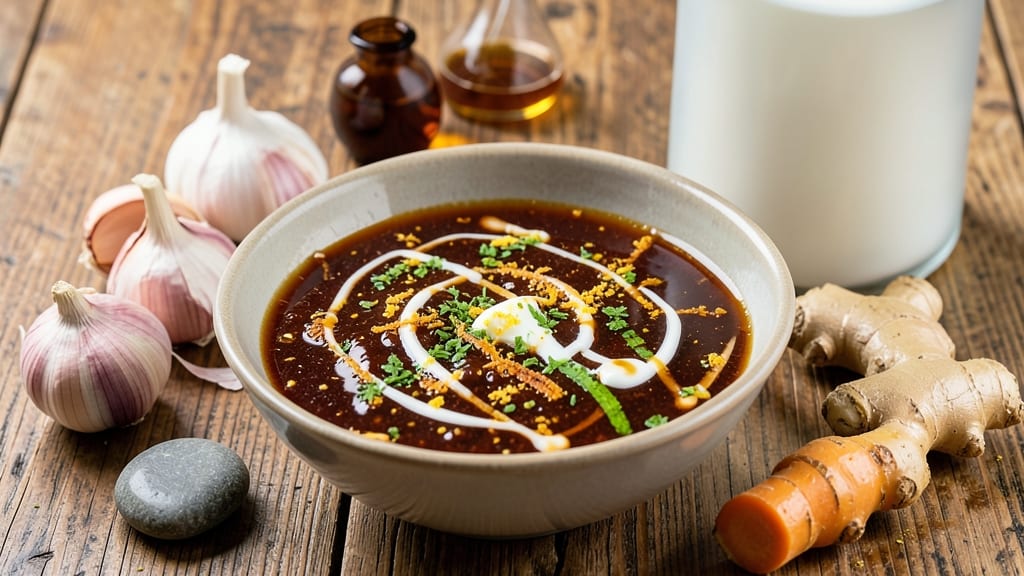
This anti-inflammatory teriyaki sauce recipe transforms traditional flavors with turmeric, ginger, and garlic for a gluten-free, nutrient-packed glaze that elevates grilling, marinades, or dipping. The golden-hued sauce delivers bold umami while harnessing the power of anti-inflammatory spices—ginger for joint support, turmeric for its potent antioxidants, and garlic for immune-boosting benefits.
What sets this apart is its versatility: use it as a marinade for chicken or tofu, a glaze for roasted veggies, or a dipping sauce for fresh spring rolls.
The foundation of this sauce is a simple balance of wet and dry ingredients—coconut aminos for gluten-free depth, coconut milk for creaminess, and a touch of maple syrup to enhance the caramelized finish.
Simmering reduces the sauce to a glossy consistency that clings beautifully to proteins and vegetables, while the spices infuse every drop with warmth. Unlike store-bought versions, this recipe avoids refined sugars and artificial additives, making it ideal for those managing inflammation or seeking cleaner eating.
What you’ll achieve is a gluten-free teriyaki sauce that’s rich in flavor and functional benefits, with no compromises on taste. The sauce’s vibrant color and aromatic profile make it as appealing to the palate as it is to the body, thanks to the turmeric’s earthy notes and ginger’s zesty kick.
Best of all, it stores well in the fridge for up to 10 days, so you can batch-prep and enjoy the health benefits throughout the week.
Whether you’re grilling for a crowd or meal-prepping for the week, this sauce delivers restaurant-quality results with a nutritional edge. Ready in under 30 minutes, it’s the perfect way to add depth to your meals while supporting overall wellness. Let’s get started!
Ingredients for anti inflammatory teriyaki sauce
Golden-hued, nutrient-packed sauce with turmeric and ginger for anti-inflammatory benefits.
| Ingredient | Amount | Notes |
|---|---|---|
| Coconut Aminos 🥄 | ½ cup | Gluten-free soy sauce substitute |
| Full-Fat Coconut Milk 🥥 | ½ cup | For creaminess and depth |
| Fresh Ginger Root 🌿 | 3 tbsp | Finely grated, organic preferred |
| Fresh Turmeric Root 🧡 | 2 tbsp | Finely grated, vibrant color |
| Garlic Cloves 🧄 | 4 cloves | Minced, fresh preferred |
| Pure Maple Syrup 🍯 | 2 tbsp | For natural sweetness |
| Extra-Virgin Olive Oil 🫒 | 2 tbsp | For richness and balance |
| Fresh Lemon Juice 🍋 | 2 tbsp | Brightens flavors, fresh squeezed |
| Ground Black Pepper 🌶️ | ½ tsp | Freshly cracked, enhances heat |
| Sea Salt 🧂 | ½ tsp | Diamond Crystal preferred |
The turmeric and ginger are the stars here—look for fresh roots at your local health food store or Asian market for maximum potency. Trader Joe's carries organic ginger and turmeric in the produce section, and they're usually bright and firm, which means they're fresh. If you can't find fresh roots, ground spices work in a pinch, but they lack the vibrant color and depth. The coconut aminos are non-negotiable for that authentic umami without the gluten—Laotian brand is my go-to, but any gluten-free soy sauce substitute will do. For the best flavor balance, use full-fat coconut milk—it adds richness that light versions can't match.
No coconut aminos? Gluten-free tamari is your best bet, but it'll have a slightly different flavor profile. Fresh ginger and turmeric unavailable? Powdered versions at half the amount will work, though the sauce won't be as visually striking. Want to boost the anti-inflammatory benefits even more? Add a pinch of black pepper—it increases turmeric's bioavailability by up to 2000%. The maple syrup can be swapped for agave nectar or date syrup if you prefer a different sweetness profile. Fresh lemon juice is key—bottled versions won't give you the same bright, tangy kick.
This sauce keeps beautifully in the fridge for up to 10 days when stored in an airtight container. For longer storage, freeze it in ice cube trays—perfect for portion control when you're ready to use it. The flavors actually deepen over time, so it's worth making a batch and keeping it on hand. If you're using it as a marinade, reserve 2 tbsp for basting while cooking. The sauce reheats well—just warm it gently on the stove or microwave for 20-30 seconds. It's especially good when reduced slightly for a more concentrated flavor.
Why You'll Love This Recipe
- No Chopping Hassle: I swear by this sauce because it’s the only teriyaki I make without dicing ginger or mincing garlic—just grate the root and smash a few cloves. The food processor does the rest in under two minutes, and honestly? The texture’s smoother than store-bought.
- Golden, Creamy, Addictive: That first spoonful of coconut milk and turmeric? It’s like a warm hug for your taste buds. The ginger and garlic hit just enough to wake up your palate, but the coconut aminos keep it rich without being cloying—perfect for when you want flavor that lingers but doesn’t overpower.
- Weeknight to Party Fix: Slather it on grilled chicken for a 20-minute dinner, drizzle it over roasted veggies for a crowd, or toss it with tofu for a quick meal. I’ve even used it as a marinade for salmon before a dinner party—same sauce, zero stress, all wins.
- Lasts All Week: Between us, I make a double batch every Sunday. The sauce thickens beautifully in the fridge and reheats like a dream—no lumps, no weird textures. Plus, coconut milk is cheaper than you’d think, so I’m basically saving money while feeding my family better.
Step-by-step instructions for turmeric-ginger anti-inflammatory teriyaki sauce
This vibrant, gluten-free sauce delivers bold flavor with gut-friendly ingredients—let's make it together.
Grate and Mince the Aromatics
Start by finely grating the 3 tablespoons fresh ginger root and 2 tablespoons fresh turmeric root using a microplane or fine grater. The ginger should yield about 1 tablespoon of packed grated zest, while the turmeric will produce a bright, golden powder. I like to use a dedicated microplane for spices—it's easier to control the texture and prevents cross-contamination.
Next, mince the 4 cloves garlic as finely as possible. The goal is to create a smooth, velvety sauce, so smaller garlic pieces will blend more seamlessly. If you're using a knife, chop against the grain of the cloves for even mincing. Set these aromatics aside—they'll form the flavor foundation of your sauce.
Bloom the Spices in Olive Oil
Heat the 2 tablespoons extra-virgin olive oil in a small saucepan over medium-low heat. Add the grated ginger and turmeric, stirring constantly for 1-2 minutes until fragrant. You'll notice the spices release their essential oils, filling your kitchen with a warm, earthy aroma. This step is crucial—it develops the anti-inflammatory properties of the turmeric and ginger.
After 1 minute, add the minced garlic and cook for another 30 seconds until golden but not browned. Browned garlic can taste bitter, so keep a close eye on it. Immediately add the 0.5 teaspoon ground black pepper and 0.5 teaspoon sea salt, stirring to combine. The pepper enhances the turmeric's bioavailability, making this sauce not just delicious but also more effective for reducing inflammation.
Simmer the Sauce to Perfection
Pour in the 0.5 cup coconut aminos and 0.5 cup full-fat coconut milk, scraping up any browned bits from the bottom of the pan. These bits are packed with flavor—don't miss them! Bring the mixture to a gentle simmer over medium heat, then reduce the heat to low to maintain a steady bubble.
Simmer uncovered for 10-12 minutes, stirring occasionally, until the sauce thickens slightly and reduces by about one-third. You're looking for a glossy, syrupy consistency that will beautifully coat your grilled proteins. The coconut milk adds creaminess while keeping the sauce dairy-free, and the coconut aminos provide that familiar umami depth without gluten.
Finish with Sweetness and Brightness
Remove the pan from heat and stir in the 2 tablespoons pure maple syrup and 2 tablespoons fresh lemon juice. The maple syrup balances the heat from the ginger and turmeric, while the lemon juice brightens the entire sauce. Taste and adjust the seasoning—you might need a pinch more salt or a splash of lemon juice to achieve the perfect balance of sweet, tangy, and spicy.
For a smoother texture, strain the sauce through a fine-mesh sieve to remove any lingering ginger fibers or garlic bits. If you prefer a slightly textured sauce, skip the straining. Transfer to a clean jar or airtight container and let it cool to room temperature. This sauce keeps well in the refrigerator for up to 5 days or can be frozen for 3 months, making it perfect for meal prep.
Pro Tips For Making Anti Inflammatory Teriyaki Sauce
- Simmer Low and Slow: This sauce isn’t a race—keep it at a bare simmer (tiny bubbles, not a rolling boil) for at least 20 minutes. I used to rush it, and the coconut milk would split or the ginger would stay raw-tasting. Let it work its magic; the flavors meld when it’s lazy, not frantic.
- Peel Ginger Like a Pro: Skip the knife for ginger—use a spoon’s back to scrape off the skin in one smooth motion. Then, slice thinly (1/8-inch or less) so it dissolves into silkiness instead of sitting as chunks. Thick slices? They’ll fight you the whole time.
- Toast Garlic Until Golden: Before adding raw garlic, dry-toast the cloves in a separate pan over medium heat for 2-3 minutes until fragrant and just turning golden. This deepens their flavor and cuts the sharpness—no more "garlicky punch" in every bite.
- Strain for Smoothness: After simmering, strain the sauce through a fine-mesh sieve to remove any fibrous ginger or turmeric bits. I know, it’s extra work, but it makes the sauce luxurious—especially if you’re drizzling it over delicate fish or tofu. No strainer? Cheesecloth works too.
Pro cooking tips for perfect results
Spice Bloom Mastery
Blooming your spices in extra-virgin olive oil over medium-low heat unlocks their full potential. Heat the oil until shimmering, then add grated ginger and turmeric for 1-2 minutes—this releases their essential oils and maximizes anti-inflammatory benefits.
I use a small saucepan to maintain precise temperature control, as overheating can make the spices bitter. The golden color from turmeric develops during this step, giving your sauce its vibrant hue. 🧡
Simmering Technique
Simmering at low heat for 10-12 minutes is key to achieving the perfect consistency. Keep the sauce uncovered to allow excess moisture to evaporate, creating a glossy finish. I stir every 2-3 minutes to prevent sticking and ensure even reduction.
The sauce should thicken enough to coat the back of a spoon but remain pourable. If it reduces too quickly, add 1 tablespoon water to maintain balance.
Straining Secrets
For a silky-smooth sauce, strain through a fine-mesh sieve lined with cheesecloth. This removes any fibrous ginger or garlic bits that could make the texture gritty. If you prefer a rustic look, skip straining—those tiny bits add subtle texture and visual interest.
I like to press the solids gently with a spoon to extract every last drop of flavor. The strained version works best for delicate dishes like tofu or fish, while the unstrained version shines on heartier proteins.
Flavor Balancing
Taste your sauce before finishing and adjust in layers. Need more depth? Add ½ teaspoon coconut aminos. Too sweet? Balance with 1 teaspoon lemon juice. The ideal ratio should be 1 part sweet (maple syrup), 2 parts savory (coconut aminos), and 1 part bright (lemon).
I find that letting the sauce sit for 10 minutes after removing from heat allows flavors to meld perfectly. This patience pays off in a well-rounded, complex sauce.
Heat Control Tips
Never let your sauce boil vigorously—this causes the coconut milk to separate and creates a skin on top. Maintain a gentle simmer by keeping heat at low and stirring occasionally. If you notice the sauce splitting, whisk in 1 teaspoon coconut milk to re-emulsify.
The goal is a smooth, velvety texture that clings beautifully to whatever you're cooking. A thermometer helps—aim for 180-190°F during simmering for optimal reduction.
Storage Hacks
For best results, store your sauce in an airtight glass jar in the refrigerator. The glass preserves flavor better than plastic and allows you to see the vibrant color. If you're freezing, portion into ice cube trays—this makes it easy to thaw exactly what you need.
I've found that reheating gently on the stove preserves the sauce's quality better than microwaving. When reheating, add 1 teaspoon water to prevent thickening. The sauce actually improves over time as flavors continue to develop. ✨
Nutrition facts
Frequently asked questions
Can I use ground turmeric and ginger instead of fresh?
You can substitute, but fresh roots deliver superior flavor and color. Use 1 teaspoon ground turmeric and 1½ teaspoons ground ginger—just know the sauce will be less vibrant. For maximum anti-inflammatory benefits, fresh is best, but ground works in a pinch when fresh isn't available.
How can I make this sauce vegan?
This recipe is already vegan! Simply ensure your coconut aminos are certified vegan (most brands are). The maple syrup and lemon juice are plant-based, and the olive oil provides richness without dairy. No substitutions needed—just follow the recipe as written.
Will this sauce work for stir-frying?
Use 2-3 tablespoons of this sauce per stir-fry to coat ingredients evenly. For extra gloss, reduce the sauce by simmering 5 extra minutes before using. It pairs beautifully with tofu, tempeh, or veggie stir-fries—just toss in at the end to prevent overcooking.
Can I add chili for heat?
Yes! For mild heat, add ½ teaspoon chili flakes when blooming spices. For spicy kick, stir in 1 teaspoon gochujang (Korean chili paste) at the end. Reduce the maple syrup slightly to balance the heat. Start with less—you can always add more, but you can't take it out!
How does this compare to traditional teriyaki?
This version is gluten-free and packed with anti-inflammatory spices, while traditional teriyaki uses soy sauce, mirin, and sugar. The ginger-turmeric blend gives it a warm, earthy depth missing in classic recipes. It's less sweet but more vibrant in color—perfect for health-conscious eaters who still want bold flavor.