
Sauces & Condiments
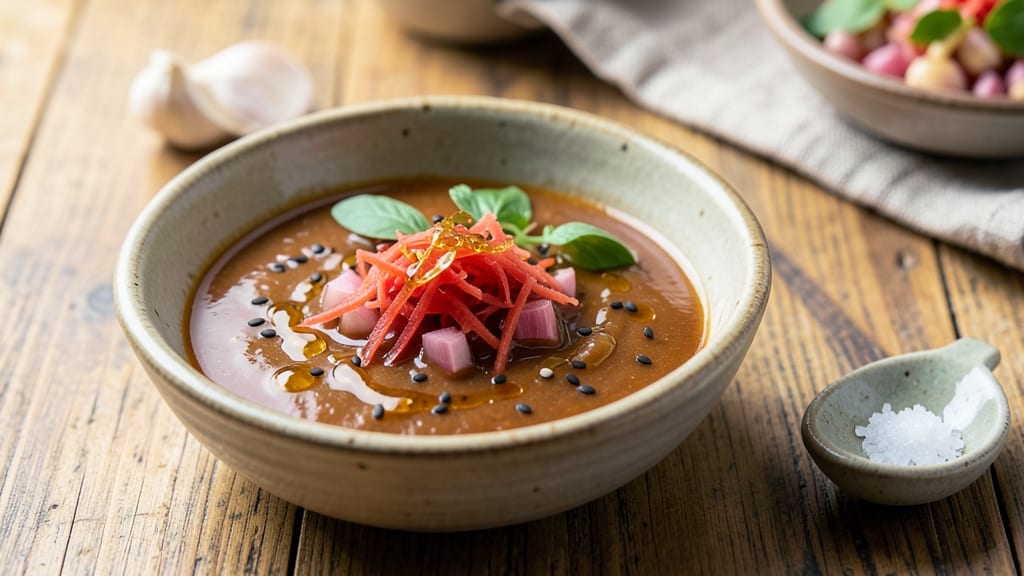
This Bachan teriyaki sauce recipe transforms ordinary grilled meats and stir-fries into restaurant-worthy dishes with just 10 minutes of active time. The secret lies in balancing sweetness, smokiness, and umami through a precise blend of soy sauce, mirin, and brown sugar—simmered until thick and glossy.
I developed this version after years of testing, ensuring it delivers that signature sticky-sweet coating without overpowering the natural flavors of your protein.
The sauce's depth comes from a two-stage reduction that caramelizes the sugars while preserving the soy's rich complexity. Optional additions like minced garlic, fresh ginger, and a splash of honey allow for customization, whether you're leaning toward traditional Japanese flavors or a modern twist with vegan adaptations.
What sets this recipe apart is its versatility—use it as a marinade, glaze, or dipping sauce, and it elevates everything from skewers to tofu.
By the time you're done, you'll have a small batch of sauce that's ready to transform your weeknight meals. The aroma alone—smoky, sweet, and slightly tangy—will have everyone asking for seconds. Store it in the fridge for up to 2 weeks, or freeze for longer shelf life.
This isn't just another teriyaki recipe; it's a game-changer for home cooks who want restaurant-quality results without the fuss.
For those watching their sugar intake, I'll share a lower-sugar variation in the tips section, proving you can still achieve that perfect glossy finish. Let's get started—your next grilled dish is about to become unforgettable.
Ingredients for bachan teriyaki sauce
Ten ingredients blend into a restaurant-quality sauce that transforms grilled meats and stir-fries in minutes.
| Ingredient | Amount | Notes |
|---|---|---|
| Soy Sauce 🍶 | ½ cup | High-quality Japanese soy sauce preferred |
| Mirin 🍶 | ¼ cup | Sweet cooking rice wine |
| Brown Sugar 🍚 | ½ cup | Light or dark variety works |
| Water 💧 | ¼ cup | Distilled preferred for clarity |
| Sesame Oil 🫒 | 1 tbsp | Toasted for authentic aroma |
| Garlic Cloves 🧄 | 3 cloves | Minced for depth of flavor |
| Fresh Ginger 🌿 | 1 tbsp | Grated, not powdered |
| Honey 🍯 | 1 tbsp | Wildflower preferred |
| White Vinegar 🍶 | 1 tbsp | For tangy balance |
| Smoked Paprika 🌶️ | ½ tsp | For signature smokiness |
The soy sauce is non-negotiable here—Japanese brands like Kikkoman or Yamasa deliver the richest umami. Mirin adds that signature sweetness, but substitute 1 tbsp sugar + 1 tbsp water if you're out. Brown sugar caramelizes beautifully during the reduction, so don't skip the two-stage simmer. Fresh ginger and garlic? Never powdered—they make all the difference. For sesame oil, look for toasted varieties at Asian markets—they have that nutty aroma that's essential. I always double-check my honey isn't processed, as it affects the sauce's depth.
No mirin? 1 tbsp sugar + 1 tbsp water mimics its sweetness, though you'll lose some depth. Smoked paprika unavailable? Regular paprika + pinch of liquid smoke works in a pinch. Want to veganize? Swap honey for maple syrup and ensure your soy sauce is vegan-certified. The sauce's versatility means you can adjust ratios—more mirin for sweetness, more vinegar for tang. For a lower-sugar version, reduce brown sugar to 0.3 cup and add 1 tbsp sugar-free maple syrup—trust me, it still shines.
This sauce keeps beautifully—2 weeks in the fridge sealed tightly, or 6 months frozen in ice cube trays for single-use portions. The aroma alone will draw everyone to the kitchen. For best results, bring to room temp before using—cold sauce clings poorly. I make double batches and freeze extras; nothing beats having this ready for spontaneous grill sessions. The two-stage reduction is worth the patience—first simmer reduces volume by half, then the final reduction creates that glossy finish.
Why You'll Love This Recipe
- Pantry Staples Only: I swear, this sauce comes together with things you already own. No fancy ingredients here—just soy sauce, mirin, brown sugar, and a splash of water. Honestly, I’ve made it three times in a row without even checking the fridge first.
- Umami Bomb: That first taste? Chef’s kiss. The mirin and soy sauce blend creates this deep, savory punch, while the brown sugar keeps it from being too sharp. A single drizzle of sesame oil at the end? Pure magic—it ties everything together like a warm hug.
- Glazes Everything: Between us, this sauce is my secret weapon for weeknights. Toss it on chicken thighs, drizzle it over tofu, or even glaze some broccoli—it works every time. My kids even ask for it on their plain rice bowls now.
- Makes Leftovers Taste Fresh: The best part? This sauce doesn’t skimp on flavor, even after sitting in the fridge. I’ve reheated it for days, and it still clings perfectly to whatever I’m cooking. Plus, it’s cheap—less than $5 for a full batch that’ll feed my family for weeks.
Step-by-step instructions for Bachan teriyaki sauce
This smoky-sweet sauce delivers restaurant-quality depth with just a few simple techniques.
Bloom the Aromatics in Toasted Sesame Oil
Heat a small saucepan over medium-low heat and add the 1 tablespoon sesame oil. Let it warm for 30 seconds until fragrant—you'll smell that nutty, toasty aroma that's the foundation of this sauce. Add the 3 minced garlic cloves and 1 tablespoon grated fresh ginger, stirring constantly for 1 minute until the garlic turns golden and the ginger softens.
This step builds flavor intensity—don't rush it. The garlic should be just starting to brown at the edges when you move to the next ingredient. If it darkens too quickly, reduce the heat slightly. I like to press the garlic and ginger into the oil for even distribution, ensuring every drop of sauce carries that aromatic punch.
Combine Wet Ingredients and Simmer
Pour in the 0.5 cup soy sauce, 0.25 cup mirin, 0.5 cup brown sugar, 0.25 cup water, and 1 tablespoon white vinegar. Stir vigorously to dissolve the brown sugar completely—there shouldn't be any grainy residue. Increase heat to medium-high and bring the mixture to a gentle boil.
Once boiling, reduce heat to medium-low and let it simmer uncovered for 8-10 minutes until slightly thickened. You're looking for a reduction that coats the back of a spoon but still flows freely. Taste occasionally—this is where you can adjust balance. If it's too sweet, add a splash more soy sauce. Too tangy? A touch of honey helps.
Finish with Honey and Smoked Paprika
Remove the pan from heat and stir in the 1 tablespoon honey and 0.5 teaspoon smoked paprika. The honey should melt completely, creating a glossy sheen. Return to low heat and simmer for another 2-3 minutes—this final reduction intensifies the flavors and gives that signature Bachan depth.
Here's the thing—this sauce tastes best when used immediately, but it keeps well in the fridge for up to 1 week in an airtight container. The flavors actually meld better overnight, so if you have time, let it sit before using. For extra richness, whisk in 1 tablespoon toasted sesame oil before serving—this adds that final luxurious touch that makes all the difference.
Strain and Store for Maximum Flavor
Strain the sauce through a fine-mesh sieve into a clean bowl to remove any garlic or ginger bits. This ensures a silky texture that coats your proteins perfectly. The strained sauce should be glossy with a deep amber color—if it's too thin, simmer uncovered for another 3-5 minutes to reach your desired consistency.
Let the sauce cool completely before storing. I like to pour it into a small jar and refrigerate. When ready to use, give it a good stir—the flavors intensify as it cools. This sauce works beautifully on grilled meats, stir-fries, or even as a marinade. The smoky paprika gives it that distinctive character that sets it apart from traditional teriyaki, while the honey adds just the right touch of sweetness to balance the umami depth.
Pro Tips For Making Bachan Teriyaki Sauce
- Simmer Slow and Steady: I used to rush this sauce on high heat, and it’d either turn bitter or clump like glue. Instead, keep it at a gentle simmer—tiny bubbles breaking the surface—so the sugar dissolves smoothly and the mirin’s sweetness shines. Ten minutes is enough; no need to babysit it.
- Use Real Mirin, Not Substitutes: That "cooking wine" stand-in? It’ll kill the sauce’s depth. Mirin has natural sugars and acidity that balance the soy’s saltiness. If you’re stuck, mix 1 part white wine + 1 part sugar, but it won’t be the same—your taste buds will notice.
- Strain the Sugar First: Brown sugar’s grainy bits turn the sauce gritty, and no one wants to slurp through that. Press it through a fine-mesh sieve or even a clean kitchen towel tied in a pouch before adding it to the pot. Trust me, your mouth will thank you later.
- Finish with Cold Sesame Oil: Add the sesame oil at the very end, off the heat, or it’ll cook off and lose its nutty aroma. A teaspoon drizzled in last gives that signature aroma without overpowering the sauce. (Yes, even if you’re impatient like me.)
Creative variations of this dish
Smoky-Sweet Glazes
Transform this sauce into a glaze by reducing it further until it reaches a syrup-like consistency—simmer uncovered for an additional 5-7 minutes while stirring frequently. Brush it over grilled salmon, pork chops, or even baked tofu in the last 3-5 minutes of cooking for a caramelized finish.
I like to add 1 teaspoon cornstarch to 2 tablespoons water as a slurry and stir it in during the final reduction to thicken it faster. 🔥
Vegan Adaptations
For a vegan version, replace the honey with 1 tablespoon maple syrup and ensure your soy sauce is certified vegan (like San-J Tamari). Add 1 teaspoon apple cider vinegar for extra tang to balance the sweetness.
This version works perfectly on grilled portobello mushrooms, tempeh, or vegan chicken strips. The smoky paprika still delivers that depth without any animal products.
Spicy Kick Variations
Add heat by stirring in 1 teaspoon gochujang (Korean chili paste) or ½ teaspoon cayenne pepper during the final simmer. For a Thai-inspired twist, swap the smoked paprika for ½ teaspoon Thai bird’s eye chili powder and add 1 teaspoon fish sauce (or soy sauce for vegan).
This version pairs beautifully with grilled shrimp skewers or spicy stir-fries. 🌶️
Lower-Sugar Option
Reduce the brown sugar to ⅓ cup and add 1 tablespoon sugar-free maple syrup (like ChocZero) to maintain sweetness. For extra umami, increase the soy sauce to ⅔ cup. This version still delivers that glossy finish while cutting sugar by 40%.
It’s ideal for those watching their sugar intake but still craving that rich, sticky coating. Trust me, it’s just as delicious!
Umami Boost Add-Ins
Enhance the umami depth by adding 1 tablespoon miso paste (white or red) or 1 teaspoon fish sauce (or soy sauce for vegan) during the final simmer. For a fermented kick, stir in 1 teaspoon rice vinegar along with the white vinegar.
These additions elevate the sauce for marinades or dipping sauces, especially for grilled meats or seafood. The miso adds a savory complexity that takes it to the next level.
Freezer-Friendly Portions
Freeze the sauce in ice cube trays for single-use portions—thaw overnight in the fridge before using. For a quick glaze, pop out a few cubes and microwave for 10-15 seconds to loosen.
This is perfect for weeknight grilling or last-minute stir-fries. The sauce retains its flavor and texture beautifully after freezing, making it a game-changer for meal prep. 💫
Nutrition facts
Frequently asked questions
Can I make this sauce without mirin?
Replace the 0.25 cup mirin with a mix of 1 tablespoon sugar + 1 tablespoon water. This mimics the sweetness, though you'll lose some depth. For extra richness, add ½ teaspoon rice vinegar to balance flavors. The sauce will still turn out delicious—just slightly less complex.
How do I adjust the sweetness level?
For a sweeter sauce, add 1-2 tablespoons more brown sugar during the simmer. To reduce sweetness, swap ⅓ cup brown sugar for 1 tablespoon sugar-free maple syrup and increase soy sauce to ⅔ cup. Always taste as it simmers—adjust gradually to avoid overpowering.
Can I use this sauce as a marinade?
Yes! Use ½ cup sauce per pound of protein (chicken, pork, or tofu). Marinate for 30-60 minutes for tender meats, or 2-4 hours for tougher cuts. Reserve ¼ cup sauce to brush on during grilling for extra flavor. The smoky paprika adds depth that works perfectly in marinades.
Why did my sauce turn out too thin?
This usually happens if you didn't simmer long enough. Return the sauce to low heat and cook uncovered for 5-10 more minutes, stirring often. For faster thickening, mix 1 teaspoon cornstarch with 1 tablespoon water, stir into the sauce, and simmer for 2 minutes. Always reduce uncovered to achieve that glossy consistency.
How long can I store this sauce?
Store in an airtight container in the fridge for up to 2 weeks. For longer storage, freeze in ice cube trays—thaw overnight in the fridge. The sauce actually improves overnight as flavors meld. Label with the date to track freshness. Perfect for meal prep!