
Sauces & Condiments
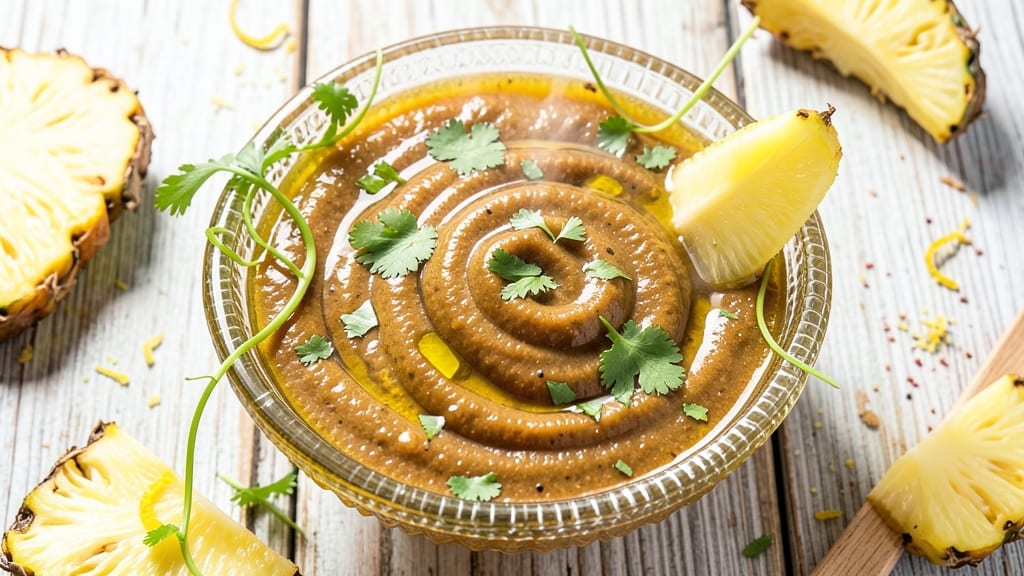
This Bahama Breeze Citrus Mustard Sauce transforms grilled meats and seafood into tropical masterpieces with just a few simple ingredients. The bright tang of lime and sweetness of pineapple create a perfect balance that cuts through rich proteins while adding a vacation-worthy flavor.
I developed this recipe after years of testing marinades and sauces for summer cookouts—it’s the one that always gets raves.
The secret lies in the combination of Dijon mustard for depth, fresh lime juice for zing, and pineapple juice for natural sweetness. A touch of honey balances the acidity, while fresh herbs like cilantro or basil add freshness.
This sauce isn’t just for grilling—it elevates tacos, roasted vegetables, and even deviled eggs with its vibrant, tropical profile.
What makes this sauce special is its versatility and shelf stability. You can make it ahead and store it in the refrigerator for up to 10 days, or even can it for longer shelf life.
The flavors meld beautifully over time, making it perfect for meal prep. Whether you're hosting a beach-themed barbecue or simply craving a taste of the tropics, this sauce delivers.
Ready in just 10 minutes, this recipe requires no cooking—just whisking together ingredients for a quick, foolproof condiment. The result is a glossy, tangy sauce that clings perfectly to grilled meats, adding a bright, citrusy kick with every bite. Let’s get started!
Ingredients for bahama breeze citrus mustard sauce
Nine simple ingredients for a sauce that transforms grilled meats into tropical delights.
| Ingredient | Amount | Notes |
|---|---|---|
| Dijon Mustard 🧄 | ½ cup | High-quality for best flavor |
| Fresh Lime Juice 🍋 | ½ cup | Strain seeds for smooth texture |
| Pineapple Juice 🍍 | ½ cup | Fresh or canned, no sugar added |
| Honey 🍯 | ¼ cup | Wildflower preferred for depth |
| Extra-Virgin Olive Oil 🫒 | ½ cup | Light fruity variety recommended |
| Fresh Cilantro Leaves 🌿 | ¼ cup | Finely chopped for freshness |
| Fresh Basil Leaves 🌿 | ¼ cup | Or sub equal amount fresh mint |
| Garlic Cloves 🧄 | 2 cloves | Minced for aromatic depth |
| Salt 🧂 | 1 tsp | Diamond Crystal preferred |
| Black Pepper 🌶️ | ½ tsp | Freshly ground for best flavor |
The Dijon mustard is the flavor anchor here—Maille or whole-grain varieties add the most depth. Fresh lime juice is non-negotiable; bottled lacks the zing. Trader Joe's carries great pineapple juice, but any unsweetened canned works. Honey should be wildflower or clover for that subtle floral note. The olive oil matters too—California avocado or Italian varieties pair beautifully with the citrus. For herbs, farmers markets often have fresher cilantro and basil than grocery stores, but the plastic-wrapped stuff at Whole Foods is surprisingly good.
No Dijon? Whole-grain mustard thinned with water works in a pinch. Substitute agave nectar for honey if avoiding refined sugar. Fresh herbs missing? Dried cilantro at half the amount or tarragon adds a similar brightness. The garlic can be roasted for a sweeter profile—simply wrap cloves in foil and microwave 30 seconds. For extra heat, add a pinch of cayenne. This sauce thrives on balance, so adjust sweetness and acidity to taste after mixing.
Store in a sealed jar with a thin layer of olive oil on top to preserve freshness. Keeps 10 days in the fridge or 3 months frozen. I double the batch and freeze half in ice cube trays—perfect for single-use portions. The flavors actually improve over time, making this ideal for meal prep. For canning, use USDA-approved methods with added vinegar for acidity.
Why You'll Love This Recipe
- Five-Ingredient Magic: I swear by this combo—Dijon, lime, pineapple juice, honey, and olive oil. No fancy techniques, no waiting for anything to bloom. Just whisk, taste, adjust. That’s it.
- Tangy-Sweet Balance: The lime and pineapple juice cut through the richness of the mustard and honey, but it’s not just tart—it’s bright. Like a summer breeze in sauce form, but with actual flavor.
- Dresses Up Anything: Slather it on grilled chicken, drizzle over fish tacos, or toss with roasted veggies. Honestly, I’ve used it as a marinade, a dip, and even a glaze for baked sweet potatoes. It’s my secret weapon for lazy nights.
- Makes Leftovers Taste Fresh: The acidity in the lime and pineapple keeps this sauce from turning sad in the fridge. I’ve had it last five days in the fridge—still vibrant, still delicious. No sad, watery sauces here.
Step-by-step instructions for bahama breeze citrus mustard sauce
This vibrant sauce comes together in minutes with simple techniques for maximum flavor impact.
Whisk Together the Citrus and Sweetener
In a medium bowl, combine the 0.5 cup Dijon Mustard, 0.5 cup Fresh Lime Juice, 0.5 cup Pineapple Juice, and 0.25 cup Honey. Use a whisk to blend thoroughly until the mixture is completely smooth—no streaks of honey or mustard should remain. The citrus juices will immediately brighten the mustard, creating a tangy base.
Here's the thing—don't rush this step. The mustard needs to fully emulsify with the liquids to prevent separation later. If you notice any separation after whisking, give it another 10 seconds with the whisk. This foundational blend carries the entire sauce's character, so take your time.
Incorporate the Aromatics and Seasonings
Add the 2 cloves Garlic Cloves (minced), 1 tsp Salt, and 0.5 tsp Black Pepper to the citrus mixture. Stir well to distribute the garlic evenly—you want every bite to carry that aromatic punch. The salt and pepper will balance the sweet and tangy flavors, creating depth.
Real talk: Freshly minced garlic makes a noticeable difference. If you're using pre-minced garlic from a jar, drain it well to avoid watering down your sauce. The garlic should dissolve completely into the mixture after stirring for about 30 seconds. If you see any chunks remaining, crush them with the back of your spoon.
Slowly Emulsify the Olive Oil
With the motor running on low speed, very slowly drizzle in the 0.5 cup Extra-Virgin Olive Oil. This gradual addition is critical—adding oil too quickly causes the sauce to break. You want a smooth, velvety texture, not a separated dressing. Keep whisking until the oil is fully incorporated and the sauce thickens slightly.
Watch for that moment when the sauce transforms from a thin liquid to a thick, glossy emulsion. It should coat the back of a spoon without dripping. If it looks too thin, whisk in another 1 teaspoon of Dijon Mustard to help bind it. This step takes patience, but it's worth it for that restaurant-quality finish.
Fold in the Fresh Herbs
Remove the bowl from the whisk and gently fold in the 0.25 cup Fresh Cilantro Leaves and 0.25 cup Fresh Basil Leaves using a rubber spatula. Chop the herbs finely first if they're large—this ensures even distribution and prevents clumps. The herbs add a bright, fresh finish that cuts through the richness of the oil and sweetness of the honey.
Taste the sauce at this stage. It should be perfectly balanced—tangy from the lime, sweet from the honey, with a subtle heat from the mustard and garlic. If it needs more brightness, add another 1 tablespoon of Fresh Lime Juice. If it's too sharp, balance it with a touch more honey. Adjustments now prevent overcompensation later.
Rest and Adjust for Perfect Texture
Cover the bowl with plastic wrap and let the sauce rest at room temperature for 15-20 minutes. This resting period allows all the flavors to meld together and the emulsion to stabilize. Don't skip this—it's when the magic happens. After resting, give it one final taste and adjust seasoning if needed.
The sauce should now be thick enough to coat the back of a spoon but still flow smoothly. If it's too thick for your liking, thin it with 1-2 teaspoons of water or Pineapple Juice. If it's too thin, let it sit uncovered for another 10 minutes to thicken slightly. This versatile sauce is now ready to elevate grilled meats, seafood, or even as a marinade.
Pro Tips For Making Bahama Breeze Citrus Mustard Sauce
- Whisk in stages: Start by mixing the Dijon and honey—this smooths out the mustard’s graininess before adding liquids. Dumping everything in at once creates lumps, and nobody wants to deal with that when you’re ready to drizzle.
- Strain the lime juice: Fresh lime juice has pulp, and that’s fine for cocktails, but in a sauce? It turns gritty. Strain it through a fine-mesh sieve or cheesecloth—your sauce will feel silky, not sandy.
- Balance the honey last: Taste before adding honey. The pineapple juice and lime can trick you into thinking it’s sweeter than it is. Add honey gradually—you can always fix too little, but you can’t undo too much.
- Use cold mustard: Dijon mustard thins when warm. If you’re mixing this sauce over heat (or even just after opening the jar), pop it in the fridge for 10 minutes first. Cold mustard emulsifies better, so your sauce stays smooth, not broken.
Serving suggestions for this dish
Grilled Meats Showcase
This sauce transforms grilled chicken into a tropical masterpiece—try it on bone-in thighs or breasts for maximum flavor absorption. I love brushing it on pork chops or shrimp skewers during summer cookouts.
For extra char, grill the meat first, then baste with the sauce in the final 2 minutes of cooking. 🔥
Seafood Pairings
Salmon and mahi-mahi become restaurant-worthy with this sauce. Drizzle 2 tablespoons over 6-ounce fillets before grilling, or serve as a dipping sauce for shrimp tacos. The citrus cuts through the richness of fatty fish beautifully.
I also use it as a marinade for swordfish steaks—just let them soak for 15-20 minutes before cooking.
Vegetable Elevations
Roasted sweet potatoes or asparagus get a zesty upgrade when tossed with 1 tablespoon of sauce per pound of veggies. The acidity tenderizes grilled zucchini and eggplant while adding a bright contrast. For a showstopper, drizzle over grilled corn on the cob with a sprinkle of chili powder. 🌱
Breakfast Twists
Add a dash of cayenne to the sauce and use it as a deviled egg topping—just pipe it over the yolks. It also works as a dipping sauce for fried plantains or arepas.
For a brunch special, brush it on grilled ham steaks or serve with scrambled eggs for a tropical-inspired breakfast. The honey balances the acidity perfectly.
Tropical Cocktail Pairings
Serve this sauce with piña coladas or rum punch for a flavor bridge between drinks and food. The citrus notes complement dark rum cocktails like Mai Tais, while the sweetness pairs well with coconut cream drinks.
For a savory-sweet twist, drizzle over grilled pineapple slices and serve alongside mojitos. 🍹
Make-Ahead Serving Tips
Store extra sauce in small glass jars for easy grab-and-go applications. I keep a jar in my fridge for quick grilled cheese sandwich upgrades—just spread it on warm bread with turkey slices.
For parties, set up a self-serve station with the sauce, grilled skewers, and tortillas for DIY tacos. The sauce keeps well for 10 days, so prep ahead for stress-free entertaining. ✨
Nutrition facts
Frequently asked questions
Can I substitute pineapple juice with another fruit juice?
Yes, you can use orange juice or mango nectar as substitutes, but the flavor profile will shift slightly. Pineapple adds a unique sweetness and tropical brightness that's hard to replicate. If using orange juice, reduce the honey by 1 tablespoon since oranges are naturally sweeter. For a deeper tropical flavor, try passion fruit juice mixed 50/50 with pineapple juice.
Why did my sauce separate? How can I fix it?
Separation usually happens when oil is added too quickly or the mustard isn't properly emulsified. To fix it, whisk in 1 teaspoon of Dijon Mustard at a time while adding 1 tablespoon of warm water until smooth. For prevention, always whisk the citrus and mustard mixture for at least 2 minutes before adding oil. If the sauce is already separated, you can also blend it briefly in a food processor to re-emulsify.
How can I make this sauce spicier?
Add ½ teaspoon of cayenne pepper or 1 teaspoon of hot sauce like Cholula or Tabasco. For a smoky kick, stir in ½ teaspoon of smoked paprika. If you prefer fresh heat, finely mince ½ jalapeño (seeds removed) and fold it in with the herbs. Remember, the sauce can be adjusted after resting—taste before serving to avoid overpowering the tropical flavors.
Can I make this sauce without fresh herbs?
Use 1 teaspoon of dried cilantro and 1 teaspoon of dried basil instead, but reduce the amount by half since dried herbs are more concentrated. For extra flavor, add ½ teaspoon of dried thyme or 1 teaspoon of fresh tarragon if available. If you're missing both fresh and dried herbs, omit them—the sauce will still taste great, just with slightly less freshness.
How should I store leftover sauce?
Transfer the sauce to an airtight glass jar and refrigerate for up to 10 days. For longer storage, freeze in ice cube trays for single-use portions or in a sealed container for 3 months. To preserve freshness, always keep a thin layer of olive oil on top before sealing. When reheating, gently warm in a saucepan over low heat and whisk until smooth—never microwave directly as it can cause separation.