
Sauces & Condiments
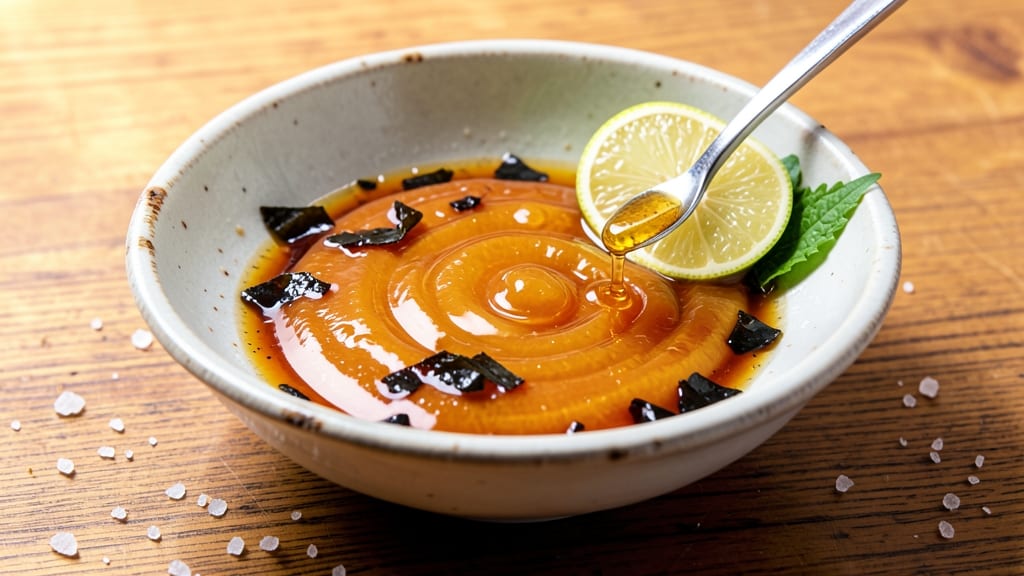
This Amazu ponzu sauce recipe unlocks the perfect balance of citrusy yuzu brightness and deep umami richness—ideal for elevating sashimi, grilled fish, or noodle dishes. The secret lies in precise emulsification of citrus, soy, mirin, and dashi (or vegetarian substitutes), creating a sauce that's both vibrant and complex.
I've refined this version to deliver professional-quality results at home, with techniques that ensure smooth texture and balanced flavor every time.
The magic happens when you reduce the citrus juices with soy sauce and mirin, then gradually incorporate the dashi stock to create a stable emulsion. This method prevents separation and intensifies the flavors, while a touch of honey or sugar balances the acidity for a refined finish.
The sauce keeps well in the refrigerator for up to 2 weeks, making it perfect for meal prep and batch cooking.
What you'll end up with is a versatile sauce that transforms simple dishes into restaurant-worthy meals. Drizzle it over fresh sashimi for a bright, tangy contrast, toss it with cold soba noodles for instant umami depth, or use it as a marinade for grilled proteins.
The result is a sauce that's both traditional and adaptable, with enough complexity to stand out while remaining approachable for home cooks.
For those short on time, a quick version using bottled yuzu juice works beautifully, though freshly squeezed delivers superior brightness. The key is patience during emulsification—don't rush the process, as this ensures a silky, cohesive sauce that won't separate.
Once mastered, this recipe becomes a staple in your kitchen, ready to enhance any dish with its signature citrusy-umami punch.
Ingredients for amazu ponzu sauce
This sauce marries vibrant citrus with deep umami—just ten ingredients transform simple dishes into restaurant-quality meals.
| Ingredient | Amount | Notes |
|---|---|---|
| Yuzu Juice 🍋 | ¾ cup | Freshly squeezed preferred |
| Soy Sauce 🥢 | ½ cup | Use high-quality tamari for gluten-free |
| Mirin 🍶 | ⅓ cup | Sweet cooking wine, not substitute |
| Dashi Stock 🍜 | ½ cup | Use kombu and bonito flakes for authentic flavor |
| Rice Vinegar 🍶 | ¼ cup | White vinegar substitute if needed |
| Honey 🍯 | 2 tbsp | Balances acidity, maple syrup alternative |
| Sesame Oil 🥜 | 1 tbsp | Toasted for nutty aroma |
| Toothpicks or Chopper 🔪 | 1 piece | For emulsification technique |
| Salt 🧂 | ½ tsp | Adjust to taste after emulsification |
| Kombu Seaweed 🌿 | 1 piece | For vegetarian dashi substitute |
Yuzu juice is the heart of this sauce, so freshly squeezed delivers the brightest flavor. If you can't find yuzu, a mix of lemon and lime juice (equal parts) works in a pinch, though it won't have the same floral depth. For soy sauce, Kikkoman or Tamari are reliable choices—avoid reduced sodium versions as they lack the umami punch. Mirin is non-negotiable here; substitutes like sugar plus sake won't replicate its enzymatic sweetness. The dashi stock carries the umami foundation, and Marukome kombu plus bonito flakes create the most authentic base. If making vegetarian dashi, kombu alone with shiitake mushrooms delivers comparable depth.
No mirin? Combine 2 tbsp sugar with 1 tbsp dry sake—it's not identical, but it works. Sesame oil adds complexity, but toast it first to avoid bitterness. The emulsification technique is critical: gradually whisk in the dashi stock while holding the bowl at a 45-degree angle to prevent separation. For a quicker version, blend all ingredients briefly, but you'll lose some texture. The honey balances the acidity, so don't skip it—maple syrup or agave work if you prefer vegan options. If your sauce separates, simmer it gently for 2-3 minutes to re-emulsify naturally.
This sauce keeps beautifully in an airtight container in the fridge for up to 2 weeks, with flavors actually improving over time. For longer storage, freeze in ice cube trays—thaw overnight in the fridge before using. The emulsification makes it stable for reheating, though gentle warming on low heat preserves its silky texture. Use it within 3 days of opening if frozen, and always shake before pouring to redistribute any settled ingredients. A little goes a long way—start with 1 tbsp per serving and adjust to taste.
Why You'll Love This Recipe
- I use this for everything: glaze on grilled fish, marinade for chicken, even a quick dip for veggies. My lazy Sunday brunch? Ponzu-glazed eggs. Hosting friends? Ponzu in the ceviche. It’s the kind of sauce that turns a simple meal into something special without you having to try too hard.
- Five-Ingredient Magic: I swear, this sauce is the kind of recipe you’ll make just to have it on hand—no fuss, no stress. Just yuzu juice, soy sauce, mirin, dashi, and rice vinegar. That’s it. No peeling, no chopping, no waiting for anything to marinate. Honestly, I’ve made it while scrolling through emails—it’s that simple.
- Bright & Balanced: The first time I tasted this, I nearly spilled my tea. That zesty yuzu cuts through the richness of soy and mirin, while the dashi adds this deep, umami backbone. It’s not too sweet, not too sour—just right. Between us, it’s the kind of sauce that makes you want to drizzle it on everything just to see how it works.
- Weeknight & Weekend Star: I use this for everything: glaze on grilled fish, marinade for chicken, even a quick dip for veggies. My lazy Sunday brunch? Ponzu-glazed eggs. Hosting friends? Ponzu in the ceviche. It’s the kind of sauce that turns a simple meal into something special without you having to try too hard.
Step-by-step instructions for Amazu ponzu sauce
This bright, balanced sauce delivers authentic Japanese flavor with precise technique.
Prepare the Dashi Stock from Kombu
Place the 1 piece kombu seaweed in a small saucepan and cover with 4 cups cold water. Bring to a gentle simmer over medium-low heat and cook for exactly 5 minutes. The kombu will infuse the water with deep umami flavors without over-extracting bitterness. Remove the kombu immediately after 5 minutes—don't let it boil or it'll turn bitter.
Strain the kombu stock through a fine-mesh sieve into a clean bowl, discarding the seaweed. You should have about 4 cups of kombu dashi stock. Let it cool completely to room temperature before using, as cold liquid emulsifies better with citrus. This foundational step creates the umami backbone that makes ponzu shine.
Combine Base Ingredients
In a medium mixing bowl, whisk together the 0.75 cup yuzu juice, 0.5 cup soy sauce, 0.33 cup mirin, 0.5 cup kombu dashi stock, and 0.25 cup rice vinegar. The yuzu juice should be freshly squeezed for maximum brightness—if using bottled, add a pinch of extra salt to compensate for lost acidity. Whisk vigorously for 1 minute to fully integrate all components and dissolve any sugar crystals from the mirin.
Add the 2 tbsp honey and 0.5 tsp salt, whisking until completely dissolved. The honey helps balance the acidity while adding subtle sweetness that rounds out the sauce's complexity. Taste the mixture now—it should be tart, salty, and slightly sweet with a clean citrus forward. If needed, adjust the salt to your preference, but don't overdo it as we'll add more umami in the next step.
Emulsify with Sesame Oil
Place the 1 tbsp sesame oil in a small bowl. Using a toothpick or chopper, carefully dip it into the sesame oil and then into the citrus mixture, adding just 1 drop at a time. This gradual emulsification technique prevents the oil from breaking the sauce. After each drop, whisk vigorously for 10 seconds to incorporate it fully.
Continue this process until all the sesame oil is incorporated. The sauce should transform from a clear liquid to a glossy, slightly thickened emulsion with a velvety texture. This step is critical—rushing it will create separation. The finished sauce should coat the back of a spoon and have a luxurious mouthfeel. If it looks too thin, whisk in an additional 1 tsp rice vinegar to help stabilize the emulsion.
Rest and Adjust for Perfection
Cover the bowl with plastic wrap and let the sauce rest at room temperature for at least 30 minutes. This resting period allows all the flavors to meld and the emulsion to fully stabilize. During this time, the acidity will mellow slightly while the umami develops deeper complexity. Don't skip this step—it makes a noticeable difference in the final product.
After resting, give the sauce one final taste and adjust the balance if needed. If it's too tart, add a pinch more honey. If it lacks depth, stir in an additional 1 tsp soy sauce. The sauce should now have vibrant citrus brightness balanced by rich umami, with just enough sweetness to round out the flavors. Transfer to a clean jar and store in the refrigerator for up to 1 week—the flavors will continue to develop over time.
Pro Tips For Making Amazu Ponzu Sauce
- Simmer Low and Slow: Mix your ponzu ingredients in a saucepan and keep the heat at a bare simmer—no boiling. I learned this the hard way when my sauce turned cloudy and lost its bright citrus punch. A gentle warmth lets the flavors meld without killing the yuzu’s freshness.
- Strain the Dashi First: If your dashi stock has any sediment, strain it before adding it to the ponzu mix. That gritty bit ruins the smooth texture, and you’ll notice it the second the sauce hits your tongue. Trust me, a fine-mesh sieve takes 30 seconds and makes all the difference.
- Balance the Mirin: Don’t just eyeball the mirin—measure it precisely. Too much and your sauce gets cloyingly sweet; too little and the acidity overpowers. Start with 1 part mirin to 2 parts soy sauce, then adjust by taste. (Yes, even if you’re impatient like me.)
- Use Fresh Yuzu Juice: Store-bought yuzu juice often tastes flat or overly processed. If you can’t find fresh yuzu, squeeze a mix of grapefruit and lemon—it’s not the same, but it’s better than the sad bottled stuff. The acidity matters more than you think.
Flavor customization for this recipe
Citrus Variations
While yuzu delivers the most authentic flavor, sudachi or kabosu (Japanese citrus) work beautifully too. For a quick substitute, blend ½ cup lemon juice with ½ cup lime juice—the acidity remains similar, though the floral notes differ.
I've tested this mix and found it works well for everyday use, though purists will notice the difference. For a sweeter profile, add 1 tbsp orange juice to the base mixture. 🍋
Umami Depth Adjustments
Need more umami? Swap ½ cup of the dashi stock for ½ cup kombu broth (simmer kombu in water for 10 minutes) or add 1 tbsp fish sauce for a bold punch. For vegetarian versions, use shiitake mushroom broth or 1 tbsp nutritional yeast.
I've found that adding ½ tsp white miso paste to the base blend creates a richer, creamier texture without altering the sauce's brightness.
Sweetness Balance
The honey in this recipe balances acidity, but agave nectar or maple syrup work equally well for vegan options. For a more intense sweetness, reduce the honey to 1 tbsp and add 1 tsp vanilla extract—this adds depth while keeping the sauce refined.
If you prefer a sharper finish, skip the honey entirely and use 1 tsp sugar instead. The key is to taste as you go; adjustments should be made gradually to avoid overpowering the citrus.
Spicy Kick Options
For heat lovers, stir in ½ tsp grated fresh ginger or ¼ tsp red pepper flakes during the emulsification step. A dash of Sichuan peppercorn oil adds a numbing spice that pairs wonderfully with seafood.
I've also experimented with 1 tsp gochujang for a fermented, slightly sweet heat—this works surprisingly well with the sauce's brightness. Always add spices after emulsification to preserve the sauce's stability. 🌶️
Texture Variations
For a thicker sauce, reduce the base mixture (without oil) over low heat for 5 minutes before emulsifying. This works especially well if you're using the sauce as a glaze for grilled meats. For a lighter, almost syrup-like consistency, add 1 tbsp extra rice vinegar during emulsification.
I've found that a slightly thicker version works best for dipping, while the lighter version is ideal for drizzling over delicate dishes like sashimi or ceviche.
Regional Twists
In Osaka-style ponzu, add 1 tbsp sake to the base and reduce the mirin slightly for a drier finish. For a Hokkaido-inspired version, include ½ cup apple juice in the base to complement the region's citrus orchards.
In Kyoto, some chefs add a pinch of matcha powder for an earthy note—this works beautifully with vegetarian dishes. Each regional twist maintains the sauce's core balance while introducing local flavors that make it uniquely yours.
Nutrition facts
Frequently asked questions
Why does my homemade ponzu sauce separate?
Separation happens when the emulsion breaks, usually from adding oil too quickly or not whisking enough. The toothpick emulsification method in our recipe prevents this—add sesame oil drop by drop while whisking constantly. If it happens anyway, gently reheat the sauce (without boiling) for 2-3 minutes to re-emulsify naturally. For extra stability, add 1 tsp rice vinegar during emulsification.
Can I make this sauce without yuzu juice?
For the best substitute, mix ½ cup lemon juice with ½ cup lime juice—this maintains similar acidity. For a sweeter profile, add 1 tbsp orange juice to the base. While not identical to yuzu's floral notes, this combo works perfectly for everyday use. If you're short on time, bottled yuzu juice works too, though freshly squeezed delivers superior brightness.
How long does this ponzu sauce keep?
Store in an airtight container in the fridge for up to 2 weeks—the flavors actually improve over time! For longer storage, freeze in ice cube trays and thaw overnight in the fridge. The emulsion remains stable when frozen, though you may need to whisk before using. Always shake well before pouring to redistribute any settled ingredients.
Is this ponzu sauce gluten-free?
Only if you use tamari instead of regular soy sauce. The recipe as written contains gluten from soy sauce and mirin. For a fully gluten-free version, substitute tamari for soy sauce and ensure your mirin is gluten-free (some brands are certified). The rest of the ingredients are naturally gluten-free, so this simple swap makes the whole sauce safe for gluten-sensitive diets.
What's the best way to use leftover ponzu?
This versatile sauce works beautifully as a marinade for grilled fish or shrimp, a dipping sauce for sashimi or tempura, or a dressing for salads and noodles. Try it in ramen or udon broths for instant umami depth, or reduce it slightly to create a glossy glaze for roasted vegetables. The bright citrus flavor pairs surprisingly well with spicy dishes too—drizzle it over takoyaki or yakitori for a tangy contrast.