
Sauces & Condiments
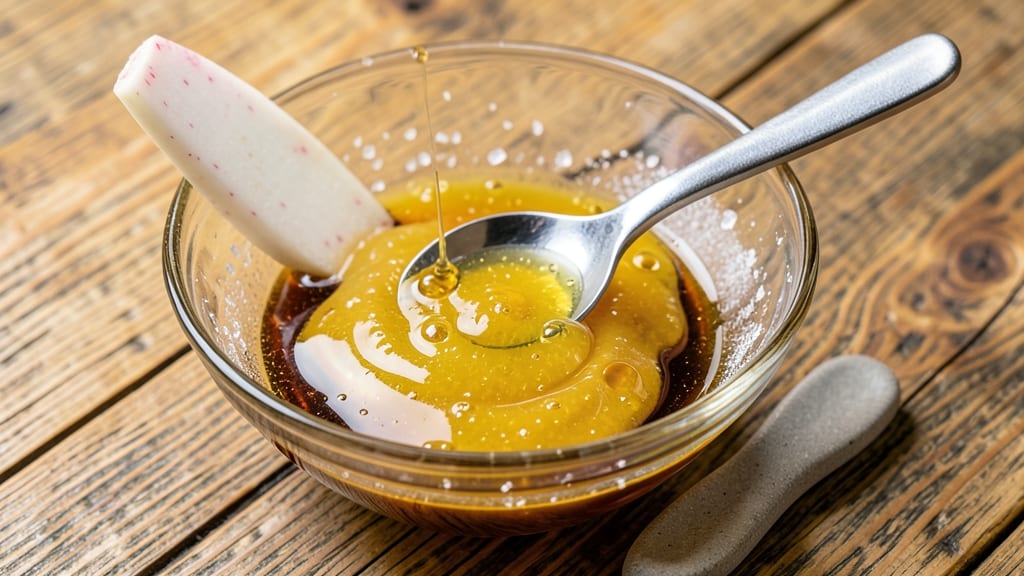
This basic ponzu sauce recipe delivers the perfect balance of bright citrus, umami depth, and subtle sweetness in just 10 minutes—ideal for elevating seafood, noodles, or grilled dishes. 💛 The secret lies in combining yuzu juice (or subbed with lemon and lime), soy sauce, and mirin for a tangy yet complex flavor profile that transforms simple meals into restaurant-quality experiences.
What sets this ponzu apart is its versatility—use it as a dipping sauce for sashimi, a marinade for chicken or fish, or a dressing for salads. The recipe maintains a simple 5-ingredient base while allowing room for customization with optional vinegar or sugar to adjust acidity or sweetness.
No special equipment is needed beyond a whisk or blender.
The result is a smooth, velvety sauce with a vibrant citrus aroma and a perfectly balanced flavor—neither too sharp nor overly salty. The sauce keeps well in the fridge for up to 10 days, making it a go-to pantry staple for quick meals.
Whether you're serving fresh sushi or grilled shrimp, this ponzu will add a bright, tangy kick.
For extra depth, let the sauce sit for 30 minutes before using—this allows the flavors to meld and intensify. Store it in an airtight container, and you’ll always have a ready-made sauce for last-minute meals. Let’s make it!
Ingredients for basic ponzu sauce
Five core ingredients plus optional umami boosters create this vibrant ponzu sauce.
| Ingredient | Amount | Notes |
|---|---|---|
| Yuzu Juice 🍋 | ½ cup | Freshly squeezed preferred |
| Soy Sauce 🍶 | ¼ cup | High-quality, preferably Japanese |
| Mirin 🍷 | ¼ cup | Sweet cooking wine |
| Rice Vinegar 🍶 | ⅛ cup | Optional for acidity adjustment |
| Granulated Sugar 🍚 | 2 tbsp | Adjusts sweetness balance |
| Dashi Powder 🍜 | ½ tsp | For umami depth (optional) |
| Sesame Oil 🫒 | 1 tsp | Toasted for aroma |
| Toasted Sesame Seeds 🌾 | 1 tsp | Garnish for texture |
Yuzu juice is the heart of ponzu, delivering that signature bright citrus tang. If you can't find yuzu, blend equal parts lemon and lime juice—it won't be identical, but still delicious. For authentic flavor, Japanese yuzu juice from specialty stores like Mitsua or Niji is ideal. The soy sauce should be high-quality Japanese—Kikkoman or Yamasa work well. Mirin adds sweetness and depth; avoid sweetened versions as they can overpower the balance. For extra umami, dashi powder (like Hondashi) elevates the sauce significantly—it's worth the small investment for restaurant-quality results.
No mirin? Substitute with 1 tbsp sugar plus 2 tbsp dry white wine—it won't be identical, but works in a pinch. Want more acidity? Add an extra 1 tbsp rice vinegar. The sugar can be adjusted to taste—start with 2 tbsp and add more if you prefer sweeter ponzu. Sesame oil adds aroma but can be omitted if you prefer a cleaner flavor profile. For a smoother sauce, strain through a fine-mesh sieve after blending. The optional dashi powder is non-negotiable for authentic umami—don't skip it if you want that restaurant-quality depth.
Ponzu keeps beautifully in the fridge for up to 10 days in an airtight container. For best flavor, let it sit for 30 minutes before using—this allows the flavors to meld. If storing longer than 3 days, add a thin layer of olive oil on top to preserve freshness. The sauce thickens slightly when refrigerated, so whisk or shake before using. Garnish with toasted sesame seeds just before serving for that perfect textural contrast—toast them in a dry pan for 30 seconds until fragrant.
Why You'll Love This Recipe
- I’ll be real: mirin and yuzu juice aren’t cheap, but a little goes a long way. A single batch stretches across multiple meals, and you can even swap in a pinch of honey if mirin’s out of reach. Plus, it’s way cheaper than buying pre-made sauce that’s half water and half mystery.
- Five-Ingredient Magic: Honestly, I’ll never overcomplicate sauce again. Just yuzu juice, soy sauce, mirin, rice vinegar, and sugar—no hidden spices or fancy techniques. The bright citrus from the yuzu cuts through the richness of the soy, while the mirin adds that sweet, glossy depth without tasting cloying.
- Bright & Tangy: That first sip? It’s like a wake-up call for your taste buds. The yuzu’s sharp citrus plays off the umami of soy sauce, but the mirin smooths it out—no bitterness, just a clean, addictive balance. I’ve tried store-bought ponzu, but this? It’s actually fresh and layered.
- Weeknight Workhorse: Between us, this sauce is my lazy dinner’s best friend. Drizzle it over grilled fish in 10 minutes, toss it with noodles, or even use it in a quick vinaigrette. And if I make a big batch? It lasts in the fridge for weeks, so I’m never scrambling for a last-minute flavor boost.
Step-by-step instructions for bright citrus-yuzu ponzu sauce
This Japanese citrus sauce comes together in minutes with precise technique.
🍳 Step 1: Whisk Together the Base Ingredients
In a small saucepan, combine the 0.5 cup yuzu juice, 0.25 cup soy sauce, and 0.25 cup mirin. Place over medium heat and bring to a gentle simmer. You'll notice the mixture immediately begins to perfume the kitchen with bright citrus notes—this is your first sensory checkpoint. The yuzu juice should be fresh for maximum tanginess, but even bottled works in a pinch.
Simmer for 3-4 minutes until the mixture reduces slightly and begins to thicken. You're not looking for a dramatic reduction, just enough to meld the flavors. Stir occasionally to prevent scorching at the edges. The sauce should smell vibrant and complex, with the sweetness of mirin balancing the acidity of the yuzu.
🍳 Step 2: Add Acid and Sweetness for Balance
Reduce heat to low and stir in the 0.125 cup rice vinegar and 2 tbsp granulated sugar. The vinegar will create a subtle effervescence as it mixes. Taste the sauce at this stage—it should be pleasantly acidic with a developing sweetness. If using 0.5 tsp dashi powder, sprinkle it in now and stir until fully dissolved. This optional ingredient adds umami depth that elevates the sauce from good to exceptional.
Simmer for another 2-3 minutes until the sugar dissolves completely and the sauce reaches your preferred consistency. It should coat the back of a spoon but remain pourable. The rice vinegar helps brighten the citrus flavor while preventing the sauce from becoming too sweet. For a smoother texture, strain through a fine-mesh sieve if you prefer no pulp.
🍳 Step 3: Finish with Aromatics and Test
Remove the sauce from heat and let it cool slightly for 2 minutes. This cooling period allows the flavors to settle and prevents the sesame oil from becoming bitter. Stir in the 1 tsp sesame oil and 1 tsp toasted sesame seeds. The oil should integrate smoothly, adding a nutty aroma that complements the citrus. The sesame seeds will provide textural contrast when garnished.
Taste and adjust seasoning if needed. You might find the sauce needs a touch more sweetness, acidity, or saltiness. Remember, ponzu should balance tart, sweet, salty, and umami flavors. If it's too acidic, add a pinch more sugar. If too sweet, a splash of rice vinegar helps. The sauce should be vibrant, complex, and ready to transform any dish.
Pro Tips For Making Basic Ponzu Sauce
- STRAIN IT TWICE: The first strain catches the obvious pulp, but I learned the hard way—tiny fibers linger and make your sauce gritty. Use a fine-mesh sieve or cheesecloth, then press the pulp with a spoon. If you’re lazy (like me sometimes), run it through a nut milk bag for silky results.
- SWEETEN WITH WARMTH: Dump that sugar in cold and you’ll end up with grainy sludge. Warm the sugar with a splash of yuzu juice or mirin first—just until it dissolves completely. This isn’t about caramelizing; it’s about making sure every drop of ponzu is smooth, not sandy.
- BALANCE THE ACID: Skip tasting as you go, and you’ll either drown in vinegar or drown in soy. Mix the rice vinegar and yuzu juice first, then add soy and mirin gradually. Adjust to taste—if it’s too sharp, a pinch more sugar; if it’s flat, a splash of vinegar. Your palate is the best tool here.
- USE STALE MIRIN: Fresh mirin is sweet but lacks depth. If you’ve got a bottle older than six months, use it—it’s more umami-rich and won’t overpower the sauce. No old mirin? Add a teaspoon of sake or a pinch of salt to fresh mirin for balance. Trust me, the difference is noticeable.
Creative variations of this basic ponzu sauce
Spicy Yuzu Ponzu
For a kick, add 1 tsp chili flakes or 1 tbsp gochujang to the base ingredients. This variation works beautifully with spicy tuna rolls or grilled shrimp skewers.
I find 1 tsp chili flakes adds just enough heat without overpowering the citrus. 🌶️ For extra depth, blend in 1 tsp grated fresh ginger after simmering—it brightens the sauce and balances the spice.
Sweet Mango Ponzu
Blend ½ cup puréed ripe mango with the yuzu juice before simmering for a tropical twist. This fruity ponzu pairs perfectly with grilled chicken or shrimp tacos.
The mango adds natural sweetness, so reduce the sugar to 1 tbsp. For a smoother texture, strain through a fine-mesh sieve after blending. 🥭
Smoky Garlic Ponzu
Infuse the mirin with 3 minced garlic cloves and ½ tsp smoked paprika before combining with other ingredients. This smoky version elevates grilled meats and roasted vegetables. Let the garlic and paprika steep in the mirin for 10 minutes before using. The smokiness complements the citrus beautifully. 🔥
Herb-Infused Ponzu
Add 2 tbsp finely chopped cilantro or basil to the finished sauce for a fresh herbal note. This variation works well with Vietnamese-inspired dishes or summer salads.
For a stronger flavor, muddle the herbs with the yuzu juice before simmering. The herbs add brightness and a subtle earthiness that pairs well with seafood. 🌿
Dairy-Free Ponzu
Skip the optional dashi powder and replace it with ½ tsp nori flakes for umami without dairy. This version is perfect for vegan diets while keeping the sauce rich and flavorful.
The nori adds a subtle oceanic note that enhances the citrus. Store in an airtight container to preserve freshness. 🌊
Winter Citrus Ponzu
Swap yuzu for orange juice and add 1 tsp grated orange zest for a seasonal twist. This warmer version pairs well with roasted root vegetables or hearty stews. The zest adds aromatic depth, while the orange juice provides a milder citrus tang. Adjust sugar to 3 tbsp for balance. ❄️
Nutrition facts
Frequently asked questions
What's the best substitute for yuzu juice?
If you can't find yuzu, blend equal parts lemon and lime juice for a close substitute. For extra depth, add ½ teaspoon grated orange zest to mimic yuzu's complexity. The key is balancing tartness—start with slightly less juice than the recipe calls for and adjust to taste.
Can I make ponzu without mirin?
Yes! Replace mirin with 1 tablespoon sugar plus 2 tablespoons dry white wine. For a non-alcoholic version, use 1 tablespoon honey and 2 tablespoons apple cider vinegar. The sauce will still develop sweetness and depth, though the flavor profile will differ slightly.
How do I prevent ponzu from being too acidic?
Balance acidity by adjusting the sugar or adding a splash of rice vinegar. For every 1 tablespoon of extra vinegar, add ½ teaspoon more sugar to maintain harmony. Taste frequently—ponzu should be tangy but not overwhelming. Let it sit for 30 minutes before tasting to allow flavors to meld.
Is ponzu safe to freeze?
Yes, ponzu freezes beautifully for up to 3 months. Use an airtight container and leave ½ inch headspace for expansion. Thaw overnight in the refrigerator and give it a good stir—it may separate slightly. For best texture, avoid refreezing. The flavor remains vibrant, though the texture may become slightly grainier.
What are the best dishes to serve with ponzu?
Ponzu shines with grilled fish, sushi rolls, ramen, or as a marinade for chicken skewers. Its bright citrus cuts through richness, making it perfect for fatty meats or rich noodle dishes. For a quick appetizer, drizzle over chilled seafood or use as a dipping sauce for tempura.