
Sauces & Condiments
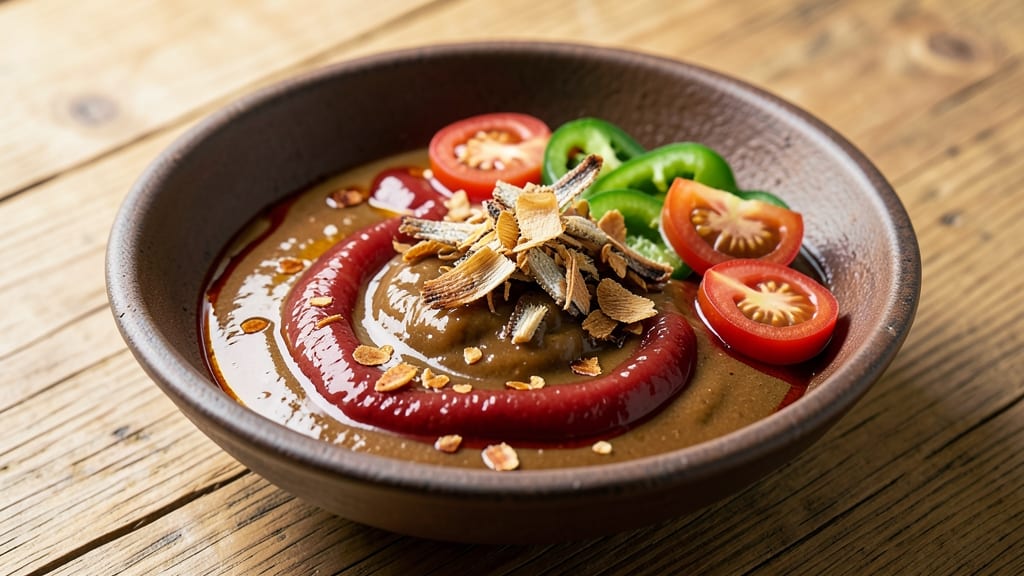
This aso sauce recipe transforms humble ingredients into a rich, velvety sauce that carries the soul of Nigerian cuisine. 🌟 The secret lies in balancing palm oil's depth with the smoky intensity of iru (locust beans) and fish, creating a sauce that's both vibrant and complex.
What sets this version apart is the careful blending of tomatoes and peppers, which develops layers of umami that elevate any dish it accompanies.
The process is straightforward yet requires patience—simmering the base until the flavors meld creates that signature depth. Traditional methods call for fresh ingredients, but modern adaptations work beautifully with canned tomatoes and blended peppers.
This sauce isn't just for stews; it's a flavor powerhouse for soups, rice dishes, and even as a marinade for grilled meats.
What you'll achieve is a sauce that's rich in color and flavor, with a smooth texture that coats every bite. The palm oil base provides a luxurious mouthfeel, while the iru and fish add that unmistakable umami punch.
The result is a sauce that's versatile enough for weeknight meals but impressive enough for special occasions.
Storage is simple—keep it refrigerated for up to 5 days or freeze for longer shelf life. The flavors actually improve over time, making this a perfect make-ahead sauce. Let's get started on creating this essential Nigerian staple that brings warmth and depth to every meal.
Ingredients for aso sauce
Eleven essential ingredients blend into a velvety sauce with deep umami and vibrant color.
| Ingredient | Amount | Notes |
|---|---|---|
| Red Palm Oil 🫒 | ½ cup | High quality, unrefined preferred |
| Dried Iru (Locust Beans) 🌿 | ½ cup | Soaked overnight, then blended |
| Dried Smoked Fish 🐟 | ½ cup | Stockfish or similar, chopped small |
| Canned Tomato Paste 🍅 | ¼ cup | San Marzano preferred, no additives |
| Fresh Bell Peppers 🌶️ | 2 whole | Red or yellow, deseeded and chopped |
| Fresh Tomatoes 🍅 | 2 whole | Medium-sized, chopped or blended |
| Scotch Bonnet Peppers 🌶️ | 2 whole | Seeds removed, chopped fine |
| Garlic Cloves 🧄 | 4 cloves | Peeled and minced |
| Onions 🧅 | 1 whole | Medium, chopped |
| Ground Black Pepper 🌶️ | 1 tsp | Freshly ground for best flavor |
| Salt 🧂 | 1 tsp | Diamond Crystal preferred |
The palm oil is non-negotiable—unrefined red palm oil gives that signature rich color and earthy depth. West African markets or specialty stores carry the best quality, but if you're stuck with regular grocery stores, look for brands like Palm & Pineapple. The iru (locust beans) and smoked fish are the umami powerhouses. Soak the iru overnight to soften it completely before blending—this makes all the difference. For smoked fish, stockfish works best, but any dried fish will do in a pinch. Freshness matters here: if your tomatoes or peppers have any bruising, skip them—they'll make the sauce bitter.
No red palm oil? Substitute with a mix of olive oil and a pinch of paprika for color, but you'll lose that authentic depth. Running low on iru? Dried mushrooms or soy sauce can add umami, though nothing quite replaces it. Fresh peppers too spicy? Remove seeds and membranes first, then blend with some of the cooking liquid to mellow the heat. The garlic and onions can be sautéed with a bit of oil first to deepen their flavor—worth the extra minute. For a quicker version, use blended canned tomatoes instead of fresh, but adjust the seasoning since canned tomatoes are often saltier.
This sauce tastes even better the next day as flavors meld. Store it in an airtight container in the fridge for up to 5 days, or freeze for 3 months. The oil will solidify when chilled—just reheat gently to restore its velvety texture. Double the batch if you're feeding a crowd; it's perfect for meal prep. The sauce thickens as it cools, so you can always thin it with a splash of water or broth when reheating. Always taste before serving—adjust salt and pepper to balance the flavors.
Why You'll Love This Recipe
- Five-Ingredient Magic: I swear by this recipe because it’s that simple. Soak the iru and smoked fish overnight—yes, it’s worth it—and the rest? Just blend, simmer, and let the red palm oil work its deep, rich spell. No fancy techniques, just honest flavor.
- Umami Bomb: That first spoonful of blended iru and smoked fish? It’s like a flavor grenade. The tomato paste adds sweetness, but the iru’s earthy punch and smoked fish’s savory depth make this sauce ridiculously addictive—especially when you toss it with pounded yam or eba.
- Weeknight Workhorse: I make a big batch every Sunday because this sauce does it all. Use it for lunch, dinner, or even as a dipping sauce for plantains. Freezes like a dream too, so I always have it on hand when I’m too tired to think.
- Budget Flex: Honestly, this is one of my go-to recipes when money’s tight. Dried fish and iru stretch forever, and a single can of tomato paste goes a long way. Yet it tastes like I spent hours in the kitchen—because the red palm oil makes it feel special.
Step-by-step instructions for aso sauce
Master this rich, layered sauce with bold flavors and perfect texture through precise technique.
🍳 Step 1: Toast the Dried Ingredients for Deep Flavor
Heat the 0.5 cup red palm oil in a medium saucepan over medium-low heat. Add the 0.5 cup dried iru (locust beans) and 0.5 cup dried smoked fish, stirring constantly for 5-7 minutes until the iru turns a rich, toasted brown and the fish pieces begin to crisp slightly.
Watch closely—the iru should smell nutty and aromatic, not burnt. If it darkens too quickly, reduce heat immediately. This toasting step develops the umami depth that defines authentic aso sauce. Once properly toasted, remove from heat and let cool for 2 minutes before blending.
👨🍳 Step 2: Blend the Toasted Base with Fresh Ingredients
Transfer the toasted iru and smoked fish to a blender. Add the 2 whole chopped fresh tomatoes, 2 whole deseeded chopped fresh bell peppers, 2 whole chopped Scotch bonnet peppers, 1 whole chopped onion, and 4 cloves minced garlic cloves. Pulse until combined, then blend on high for 1-2 minutes until completely smooth.
Here's the thing—you want a velvety puree without any graininess. If needed, add 1-2 tablespoons water to help with blending. The mixture should be thick but pourable. Set aside while you prepare the cooking base.
🔥 Step 3: Cook the Blended Mixture to Thicken
Return the saucepan to medium heat and add the blended mixture. Stir in the 0.25 cup canned tomato paste and bring to a gentle simmer. Cook uncovered for 15-20 minutes, stirring occasionally, until the sauce thickens noticeably and coats the back of a spoon.
You'll see the sauce transform from a thin puree to a glossy, velvety consistency. The color should deepen to a rich, tomato-red hue. If it thickens too quickly, add 1-2 tablespoons water to maintain proper texture. This cooking time develops the sauce's signature body.
🥘 Step 4: Season and Simmer to Perfection
Stir in the 1 tsp ground black pepper and 1 tsp salt, then reduce heat to low. Let the sauce simmer gently for another 10 minutes, stirring occasionally, until it reaches your desired thickness—it should coat the back of a spoon but still be pourable.
Taste and adjust seasoning if needed. The sauce should be rich, slightly sweet from the tomatoes, with a deep umami punch from the iru and smoked fish. If it needs more depth, add a pinch more salt. For extra heat, you can add a small amount of the reserved Scotch bonnet seeds (if you didn't remove all).
⏰ Step 5: Rest and Serve with Confidence
Remove from heat and let the sauce rest for 5 minutes. This resting period allows the flavors to meld completely and the sauce to thicken slightly as it cools. The final texture should be smooth, velvety, and perfectly balanced between sweet, spicy, and umami.
Serve immediately over your choice of protein—beef, chicken, or fish—with your favorite Nigerian staples like jollof rice or pounded yam. The sauce should cling beautifully to every bite, delivering layers of complex flavor with each spoonful. Store any leftovers in the refrigerator for up to 5 days, or freeze for 3 months.
Pro Tips For Making Aso Sauce
- Toast the Iru First: I learned this the hard way—skipping the toasting step makes your sauce taste bitter. Dry-roast the dried iru in a pan over medium heat for 3-4 minutes until it smells nutty and darkens slightly. This brings out the real flavor and prevents that chalky aftertaste that ruins everything.
- Use Medium Heat for Oil: High heat burns red palm oil faster than you can blink, turning it acrid. Keep it at a steady medium simmer—just enough to see tiny bubbles forming around the edges of your pot. If it starts smoking, you’ve gone too far, and the sauce will taste harsh.
- Soak Smoked Fish Properly: Dried smoked fish needs a good soak (at least 20 minutes) to soften, but don’t overdo it—it’ll turn mushy. Rinse it first to remove dust, then soak in warm water. After soaking, squeeze out excess water before blending; wet fish makes the sauce watery and dull.
- Blend Tomato Paste with Oil: Sounds weird, but it works: mix the tomato paste with a spoonful of red palm oil before adding it to the pot. This helps it disperse smoothly instead of clumping, giving you a richer, silkier sauce. Skip this, and you’ll end up with streaks of thick paste floating in your dish.
Serving suggestions for this dish
Protein Pairings
This sauce shines with grilled chicken or beef, where its rich texture clings beautifully. I love serving it with marinated chicken thighs cooked over charcoal—the smoky flavors complement the sauce's depth.
For a lighter option, try pan-seared tilapia or shrimp skewers, where the sauce's acidity balances delicate fish flavors. 🌟
Carb Companions
Nigerian staples like jollof rice or pounded yam are perfect, but don't limit yourself. The sauce works wonderfully with garlic fried rice or even crispy plantains. For a fusion twist, serve over buttered egg noodles—the sauce's umami elevates simple carbs into something extraordinary. Trust me, it's a game-changer!
Vegetable Boosters
Add fresh spinach or kale to your dish—the sauce's acidity helps tenderize leafy greens beautifully. I often stir in 2 cups chopped spinach during the last 5 minutes of simmering.
For extra texture, include roasted bell peppers or caramelized onions as garnishes. These additions brighten the dish without overpowering the sauce's complex flavors.
Garnish Ideas
Fresh cilantro or parsley adds a bright contrast to the rich sauce. I like sprinkling 1 tbsp chopped cilantro just before serving. For a crunchy element, top with toasted peanuts or fried plantain chips.
These garnishes not only enhance presentation but also add exciting textures that make every bite more satisfying.
Sauce Applications
Don't limit aso sauce to just soups! Use it as a marinade for grilled meats or a dipping sauce for spring rolls. I've even used it as a base for pasta dishes—toss it with fettuccine and top with grilled chicken for an African-Italian fusion.
The possibilities are endless once you understand its versatility. 💡
Storage Tips
Leftovers keep beautifully in the fridge for 5 days or frozen for 3 months. When reheating, add 1-2 tbsp water to restore the velvety texture.
I always double the batch because this sauce disappears fast—it's perfect for meal prep. The flavors actually improve overnight, making it ideal for busy weeknights. ✨
Nutrition facts
Frequently asked questions about aso sauce
Can I make aso sauce without iru (locust beans)?
Yes, but the umami depth will be noticeably different. For a substitute, use 1/4 cup soy sauce or 2 tbsp fish sauce plus 1 tbsp dried mushrooms to mimic the savory complexity. The sauce will still work, but traditional iru gives that unmistakable African flavor profile that's hard to replicate.
How do I adjust the spice level in aso sauce?
Start by removing all seeds and membranes from the Scotch bonnet peppers before blending. For extra heat, add 1/2 tsp cayenne pepper or a small amount of reserved seeds during the final simmer. If you prefer mild sauce, reduce the number of Scotch bonnet peppers to just 1 whole pepper and increase the bell peppers to 3 whole peppers instead.
Is aso sauce gluten-free?
Traditional aso sauce is naturally gluten-free as long as you use gluten-free ingredients. The key components—palm oil, iru, smoked fish, tomatoes, and peppers—are all gluten-free. Always check your tomato paste and canned tomatoes for hidden gluten additives. The sauce pairs beautifully with gluten-free rice or plantain dishes.
Why did my aso sauce turn out too thin?
This usually happens when the sauce wasn't simmered long enough or too much liquid was added during blending. For next time, simmer uncovered for the full 25-30 minutes and stir frequently. If it's already too thin, you can thicken it by mixing 1 tbsp cornstarch with 2 tbsp water, then stirring it into the hot sauce until it reaches your desired consistency.
Can I make aso sauce with store-bought tomato sauce instead of fresh tomatoes?
Yes, but you'll need to adjust the seasoning. Use 1 cup tomato sauce instead of fresh tomatoes and reduce the canned tomato paste to 1 tbsp. Add 1/2 tsp sugar to balance the acidity and 1/4 tsp onion powder to compensate for the missing fresh onion flavor. The texture will still be rich, though slightly less vibrant in color.