
Sauces & Condiments
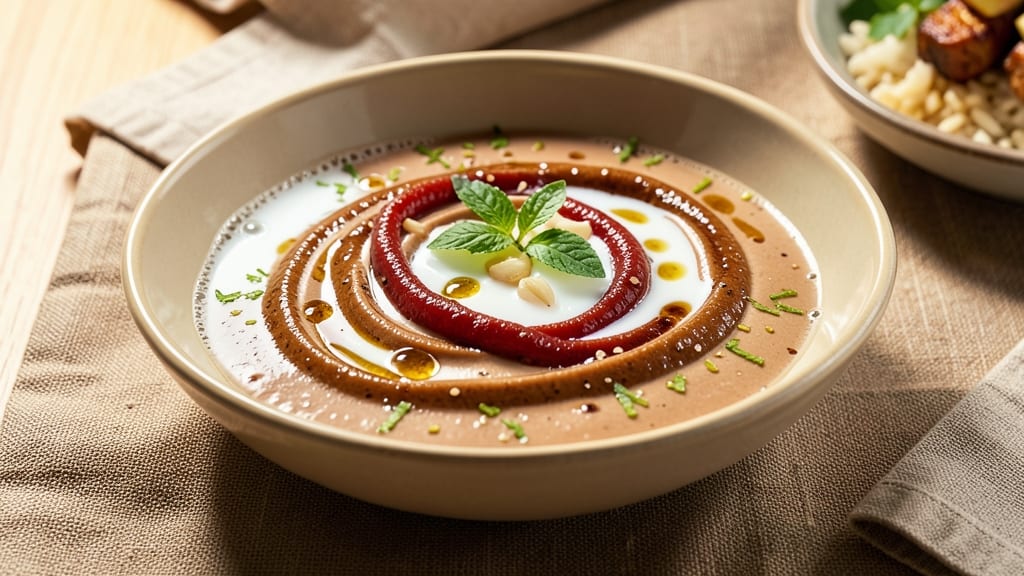
This almond butter satay sauce recipe transforms simple pantry staples into a velvety, tangy condiment that elevates any dish. The rich nutty depth of almond butter blends seamlessly with tamarind's bright acidity, creating a sauce that's both complex and approachable.
Perfect for vegan diets, this recipe delivers restaurant-quality flavor without animal products.
The secret lies in balancing sweetness and acidity—just enough tamarind paste for that signature tang, complemented by coconut milk for creaminess. A touch of garlic and lime zest adds aromatic depth, while a pinch of chili powder brings subtle heat.
Unlike traditional satay sauces, this version uses plant-based ingredients without sacrificing richness.
What you'll create is a smooth, clingy sauce that enhances grilled meats, tofu skewers, or even drizzled over noodles. The almond butter provides a luxurious texture, while the tamarind keeps it vibrant and tangy.
This sauce stores beautifully in the fridge for up to two weeks, making it ideal for meal prep.
Pair it with your favorite proteins or use it as a dipping sauce for fresh vegetables. The versatility of this recipe makes it a must-have for any kitchen, offering bold flavor with minimal effort. Let's get started!
Ingredients for almond butter satay sauce
Nine simple ingredients create a velvety, tangy sauce perfect for vegan meals and beyond.
| Ingredient | Amount | Notes |
|---|---|---|
| Almond Butter 🥜 | ½ cup | Creamy, unsweetened preferred |
| Tamarind Paste 🍯 | ¼ cup | Unsweetened, smooth texture |
| Coconut Milk 🥥 | 1 can | Full-fat, 13.5 oz can |
| Garlic Cloves 🧄 | 3 cloves | Fresh, minced for depth |
| Lime Zest 🍋 | 1 tsp | Freshly grated for brightness |
| Lime Juice 🍋 | 2 tbsp | Freshly squeezed |
| Chili Powder 🌶️ | ½ tsp | Adjust for heat preference |
| Soy Sauce 🍶 | 1 tbsp | Tamari for gluten-free option |
| Maple Syrup 🍁 | 1 tbsp | Pure, grade B preferred |
| Water 💧 | ½ cup | For thinning consistency |
The almond butter is the heart of this sauce—creamy, unsweetened gives the richest texture. Trader Joe's or Maranatha brands are my go-tos for quality, but any natural almond butter works. Tamarind paste can be tricky to find; check the international aisle at Whole Foods or order online if needed. Fresh garlic and lime zest are non-negotiable here—they elevate the sauce from good to restaurant-quality. For the coconut milk, full-fat canned is essential; it provides the creaminess that lighter versions lack.
No tamarind paste? Substitute 2 tbsp lemon juice plus 1 tbsp brown sugar, though it won't be identical. Short on almond butter? Cashew butter works in a pinch, though the flavor will differ slightly. The chili powder can be adjusted—start with less if you're sensitive to heat. Soy sauce lovers can use coconut aminos for a gluten-free alternative. For extra depth, add a pinch of smoked paprika or a dash of liquid smoke. If the sauce turns out too thick, thin with more water or coconut milk; if too thin, simmer longer to reduce.
This sauce keeps beautifully in an airtight container in the fridge for up to 2 weeks. The flavors actually improve over time as they meld. For longer storage, freeze in ice cube trays—perfect for portion control. Reheat gently on low heat or microwave until warmed through. The sauce pairs wonderfully with grilled tofu, tempeh, or even roasted vegetables. A drizzle over noodles or a dip for fresh spring rolls makes it incredibly versatile.
Why You'll Love This Recipe
- Five-Ingredient Magic: I swear by this combo—just blend, simmer, and boom. No fancy techniques, no last-minute grocery runs. The tamarind paste does the heavy lifting while I chop garlic in 30 seconds flat.
- Nutty-Tangy Balance: That creamy almond butter meets the bright lime zest and sharp tamarind like a flavor hug. Honestly, I can taste the coconut milk’s richness cutting through the heat—it’s the kind of sauce that makes you lick the bowl.
- Weeknight to Party: Slather it on grilled chicken for a quick weeknight dinner, or drizzle it over roasted veggies for a crowd. Between us, it’s my go-to for game day snacks—no one suspects how effortless it is.
- Leftovers That Last: This sauce actually improves after sitting overnight. I’ll make a double batch on Sundays, store it in the fridge, and use it all week—no waste, no stress. Plus, the almond butter keeps it rich without breaking the bank.
Step-by-step instructions for almond butter satay sauce
Here's how to create a perfectly balanced sauce with creamy almond richness and tangy tamarind depth.
Bloom the Almond Butter and Garlic
In a medium saucepan over medium-low heat, add the 0.5 cup almond butter and 3 cloves minced garlic cloves. Stir constantly for 3-4 minutes until the mixture becomes smooth and fragrant. The almond butter will melt and create a thick, creamy base for your sauce.
This low-and-slow approach prevents burning the garlic while allowing its flavors to develop fully. You'll know it's ready when the mixture smells nutty and aromatic, with no raw garlic taste remaining. If you notice any browned bits forming, immediately reduce the heat to low and continue stirring until smooth.
Incorporate Tamarind and Coconut Milk
Add the 0.25 cup tamarind paste and 1 can coconut milk to the saucepan. Stir well to combine, then increase heat to medium. Bring the mixture to a gentle simmer, which should take about 3-5 minutes, while continuing to stir occasionally.
The tamarind paste will dissolve into the mixture, creating a slightly tangy, fruity depth that balances the richness of the almond butter. You'll see the sauce thicken slightly as the coconut milk heats up. Keep a close eye on the pan to prevent it from boiling over, as coconut milk can be prone to splattering when heated.
Add Aromatics and Seasonings
Stir in the 1 tsp lime zest, 2 tbsp lime juice, 0.5 tsp chili powder, 1 tbsp soy sauce, and 1 tbsp maple syrup. Continue simmering for 5-7 minutes over medium-low heat, stirring frequently, until the sauce thickens to your desired consistency.
The lime zest and juice add a bright citrus note that cuts through the richness, while the chili powder introduces subtle heat. The soy sauce enhances umami depth, and the maple syrup adds a touch of natural sweetness. You'll notice the sauce becoming glossy and slightly thicker as it simmers. If it becomes too thick before reaching your desired consistency, you can add the 0.5 cup water gradually to thin it out.
Simmer and Adjust Seasoning
Reduce the heat to low and let the sauce simmer for an additional 3-5 minutes, allowing all the flavors to meld together. Taste the sauce and adjust the seasoning if needed. If it needs more tang, add a bit more lime juice. For more heat, add a pinch of chili powder. If it needs more sweetness, add a touch more maple syrup.
This is where you fine-tune the sauce to your personal preference. The sauce should have a perfect balance of sweet, tangy, nutty, and slightly spicy flavors. Once you're satisfied with the taste, remove the sauce from heat. For the best results, let it cool slightly before using it to coat your satay skewers, as this allows the flavors to settle and intensify.
Pro Tips For Making Almond Butter Satay Sauce
- STIR CONSTANTLY ON LOW: The second you add tamarind paste, the sauce can seize up—it’s thick, sticky, and stubborn. Keep the heat low and stir with a wooden spoon or silicone spatula every 30 seconds until it smooths out. I learned this the hard way when I walked away for "just a minute" and ended up with a lumpy, scorched mess.
- TOAST THE ALMOND BUTTER: Skip the raw almond butter if you want depth. Spread a thin layer in a dry pan over medium-low heat for 2-3 minutes, stirring until it smells toasty and nutty—not burnt. This step cuts through the coconut milk’s richness and adds a caramelized edge that store-bought versions miss. (Yes, even if you’re impatient like me.)
- DILUTE TAMARIND PASTE FIRST: Tamarind paste is a brick unless you break it down. Mix it with 2 tablespoons of warm water or coconut milk before adding it to the pot—this prevents clumps and ensures it dissolves completely. I used to force it in whole, and the sauce always had gritty bits. Trust me, this small step makes a real difference.
- SALT THE COCONUT MILK: Unsweetened coconut milk is bland, and if you skip salting it, your sauce will taste flat. Add a pinch of salt (about ¼ teaspoon) when you whisk in the coconut milk—it balances the tamarind’s tartness and rounds out the almond butter’s nuttiness. I was skeptical until I tried it; now I never leave it out.
Serving suggestions for leftovers
Grilled Protein Pairings
This almond butter satay sauce transforms grilled tofu and tempeh into showstoppers. Marinate 12 oz firm tofu or 8 oz tempeh in ¼ cup sauce plus 1 tbsp soy sauce for 30 minutes before grilling.
The sauce caramelizes beautifully on the grill, creating a sticky, flavorful crust. For extra texture, thread grilled chunks onto skewers with bell peppers and red onion. 🔥
For meat lovers, use the sauce as a marinade for chicken thighs or pork tenderloin. The almond butter's richness complements the natural sweetness of pork, while chicken absorbs the tangy flavors perfectly.
I like to grill the meat first, then baste with extra sauce in the final 2 minutes of cooking for maximum flavor impact.
Vegetable Dips
Serve this sauce as a vibrant dip for fresh spring rolls or crispy fried wontons. The tangy-sweet balance makes it irresistible with steamed veggies like broccoli, snap peas, or jicama sticks.
For extra crunch, toss 1 cup shredded cabbage and ½ cup shredded carrots with 1 tbsp lime juice and serve alongside the sauce in small bowls.
Try it with roasted sweet potato wedges or crispy Brussels sprouts>. The nutty depth pairs wonderfully with the earthy flavors of root vegetables. For a complete appetizer spread, arrange the sauce in a small bowl surrounded by cucumber slices and mint leaves for a refreshing presentation.
Noodle Elevations
Drizzle this sauce over rice noodles or udon noodles for an instant upgrade. Toss 2 servings cooked noodles with 2 tbsp sauce and top with crushed peanuts and thinly sliced scallions. The sauce clings beautifully to the noodles, creating a restaurant-quality dish in minutes. 🍜
For a cold noodle salad, chill the sauce slightly and toss with chilled soba noodles, edamame, and shredded cucumber. The tangy-sweet flavors shine in this refreshing summer dish. I like to add ½ tsp sesame oil to the sauce before tossing for extra depth.
Breakfast Twists
Yes, this sauce works for breakfast! Spread it on toasted bagels or sourdough toast with avocado slices and cherry tomatoes for a savory-sweet morning treat. The almond butter adds richness that balances the tangy tamarind perfectly. For extra protein, top with scrambled tofu or crumbled tempeh.
Mix 2 tbsp sauce into scrambled eggs for a flavorful twist on breakfast classics. The sauce adds a subtle sweetness that pairs wonderfully with the eggs' savory notes. I also love using it as a dip for breakfast tacos with black beans and sautéed mushrooms.
Nutrition facts
Frequently asked questions
Can I make this almond butter satay sauce without tamarind paste?
For a quick substitute, mix 2 tablespoons lemon juice with 1 tablespoon brown sugar to mimic the tangy-sweet balance. The flavor won't be identical, but it works in a pinch. If you want a closer approximation, try 1 tablespoon date syrup or 1 tablespoon balsamic vinegar instead.
How do I adjust the thickness of the sauce?
If your sauce is too thick, stir in 1-2 tablespoons water or coconut milk gradually until you reach your desired consistency. For a thicker sauce, simmer uncovered for 5-10 extra minutes to reduce the liquid. The sauce should coat the back of a spoon but still be pourable for dipping or basting.
Is this sauce suitable for nut allergies?
No, this recipe contains almond butter and is not safe for those with nut allergies. For a nut-free alternative, substitute the almond butter with sunflower seed butter or soy nut butter (ensure it's made from soybeans only). The texture will be slightly different, but the tangy-sweet flavor profile remains intact.
Can I make this sauce ahead of time?
Yes! This sauce actually tastes better when made a day in advance. Store it in an airtight container in the fridge for up to 2 weeks. The flavors meld and deepen over time. For longer storage, freeze in ice cube trays—perfect for portion control. Thaw overnight in the fridge before using.
What's the best way to use leftover sauce?
Leftover sauce is incredibly versatile! Use it as a marinade for grilled proteins, a dip for veggie sticks, or a glaze for roasted vegetables. It also works as a flavorful sauce for stir-fries or a drizzle over rice noodles. For extra richness, stir in 1 teaspoon sesame oil before using.