
Sauces & Condiments
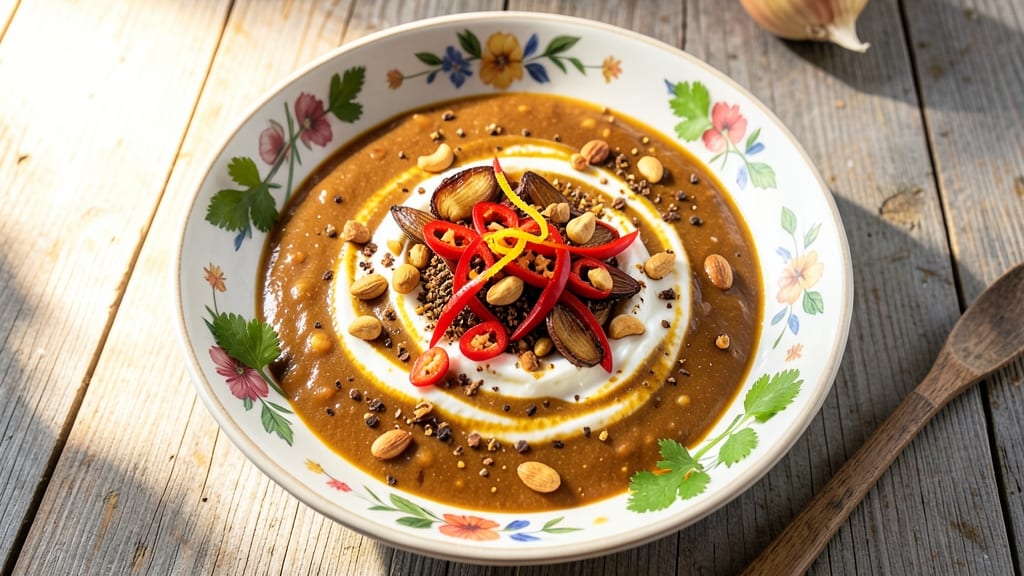
This Bali peanut sauce recipe transforms simple ingredients into a velvety, aromatic sauce that elevates satay, noodles, or grilled meats with every spoonful.
The secret lies in balancing toasted peanuts, fragrant spices, and rich coconut milk for a texture that's both smooth and just slightly chunky—perfect for dipping, drizzling, or marinating.
The sauce begins with dry-roasted peanuts, which release their natural oils and deepen the nutty flavor when blended with garlic, ginger, and a blend of warm spices like coriander and turmeric.
Simmering the mixture with coconut milk creates a luscious base that's creamy yet light, with just enough heat from a touch of chili to keep it vibrant. This isn't just a sauce—it's a flavor bomb that turns ordinary meals into something extraordinary.
What makes this recipe truly versatile is its adaptability. Use it as a dipping sauce for crispy satay skewers, a marinade for tofu or chicken, or a bold topping for rice bowls and salads.
The sauce thickens as it cools, so you can adjust the consistency with water or coconut milk to achieve that signature Bali peanut sauce texture—smooth enough to coat, but still rich enough to satisfy. It's the kind of sauce that disappears faster than you can say "satay night."
With just 10 ingredients and 20 minutes of active time, this recipe delivers restaurant-quality results without the fuss. The key is patience—letting the spices bloom in the coconut milk and allowing the peanuts to infuse fully.
Once you taste the difference between this homemade version and store-bought, there's no going back.
Ingredients for bali peanut sauce
Ten ingredients for a sauce that brings Bali's bold flavors to your kitchen table.
| Ingredient | Amount | Notes |
|---|---|---|
| Dry-Roasted Peanuts 🥜 | 1 cup | Unsalted, toasted until fragrant |
| Garlic Cloves 🧄 | 4 cloves | Fresh, peeled and minced |
| Fresh Ginger 🌿 | 1 ½ tbsp | Finely grated, about 1-inch piece |
| Coconut Milk 🥥 | 1 can | Full-fat, 13.5 oz can |
| Red Curry Paste 🌶️ | 1 tbsp | Mild or medium heat preferred |
| Ground Coriander 🌿 | 1 tsp | Freshly ground for best flavor |
| Turmeric Powder 🌶️ | ½ tsp | Bright yellow color preferred |
| Red Chili Flakes 🔥 | ½ tsp | Adjust for heat preference |
| Soy Sauce 🍶 | 1 tbsp | Light or dark preferred |
| Lime Juice 🍋 | 1 tbsp | Freshly squeezed |
| Vegetable Oil 🫒 | 1 tbsp | For sautéing spices |
The peanuts are the heart of this sauce, so toast them until golden and fragrant—that's where the deep, nutty flavor comes from. Trader Joe's and Whole Foods carry unsalted dry-roasted peanuts in bulk, which are perfect here. Fresh ginger and garlic should smell bright and zesty; if they're musty, swap them out. The coconut milk can be full-fat or light, but full-fat gives that signature richness. For the curry paste, Maesri or Thai Kitchen brands are my go-tos—they've got the right balance of heat and depth. Toast the spices in oil for 30 seconds to bloom their flavors—don't skip this step, it's what makes the sauce sing.
No fresh ginger? Substitute 1 tbsp of ginger paste or 1 tsp of ground ginger, but fresh is ideal. Running low on soy sauce? Tamari or coconut aminos work in a pinch. If you can't find red curry paste, mix 1/2 tsp each of ground cumin, turmeric, and cayenne with a pinch of sugar to mimic the flavor. The lime juice should be freshly squeezed—bottled won't cut it. For extra creaminess, add 1 tbsp of tahini to the finished sauce. And if you want to make it spicier, add a dash of sambal oelek at the end. This sauce is incredibly versatile—use it as a dip, marinade, or drizzle, but always let it sit for 10 minutes after blending so the flavors meld.
Store leftovers in an airtight container in the fridge for up to 5 days. The sauce thickens as it cools, so add a splash of water or coconut milk to loosen it before using. It freezes beautifully for 3 months, though the texture may separate slightly upon thawing—just stir in a little extra coconut milk to restore creaminess. For a quick fix, double the recipe and freeze half—you'll thank yourself later. This sauce is best made fresh, but the leftovers are still delicious, especially on noodles or over grilled tofu.
Why You'll Love This Recipe
- Few Ingredients, Big Payoff: I swear by this—just five things in the pantry (peanuts, garlic, ginger, coconut milk, curry paste) and you’ve got a sauce that tastes like a Bali street food feast. No fancy gadgets, no hidden steps, just a pan and a whisk.
- Crunchy-Creamy Magic: That first bite of toasted peanuts against the velvety coconut milk? It’s the kind of contrast that makes you pause mid-spoonful. The ginger and garlic hit just right—warm, spicy, but never overpowering.
- Dinner Party Ready: Slap it on grilled chicken, drizzle it over noodles, or serve it with steamed veggies—it works for date nights, lazy Sundays, or when your in-laws drop by unannounced. (Yes, even on a Tuesday night.)
- Leftovers That Don’t Suck: This sauce actually improves the next day—thicker, richer, and just as good cold. I’ve used it to glaze roasted veggies three days in a row, and no one’s complained. Budget-friendly? Absolutely. Wasteful? Never.
Step-by-step instructions for Bali peanut sauce
This rich, aromatic sauce balances nutty depth with bright, spiced complexity—perfect for satay or dipping.
Toast the Peanuts and Prepare Aromatics
Heat a dry skillet over medium heat and add the 1 cup dry-roasted peanuts. Toast them for 2-3 minutes until they turn a deeper golden brown and release their nutty aroma. Watch closely—they burn quickly once they start to darken. Transfer the toasted peanuts to a bowl and set aside.
In the same skillet, add the 1 tablespoon vegetable oil and warm over medium heat. Add the 4 cloves minced garlic cloves and 1.5 tablespoons finely grated fresh ginger. Sauté for 1-2 minutes until fragrant—you'll smell the garlic mellowing and the ginger releasing its bright, citrusy notes. This step builds the sauce's aromatic foundation.
Bloom the Spices and Curry Paste
Reduce the heat to medium-low and add the 1 tablespoon red curry paste, stirring constantly for 30 seconds until it darkens slightly and releases its deep, complex flavors. Immediately add the 1 teaspoon ground coriander, 0.5 teaspoon turmeric powder, and 0.5 teaspoon red chili flakes, stirring for another 30 seconds. The spices should bloom and fill your kitchen with warmth.
Here's the thing—don't rush this step. The spices need time to toast and release their oils, which carry the sauce's signature depth. If you smell burning, reduce the heat further. The paste will thicken slightly as it cooks, forming a rich, aromatic base.
Build the Sauce with Coconut Milk
Pour in the 1 can coconut milk and stir vigorously to combine with the spiced paste. Bring the mixture to a gentle simmer over medium heat, then reduce the heat to low. Let it simmer uncovered for 5-7 minutes, stirring occasionally, until the sauce thickens slightly and coats the back of a spoon. You'll notice the coconut milk separates slightly—this is normal and adds texture.
While simmering, taste the sauce and adjust the seasoning. If it needs more depth, add 1 tablespoon soy sauce. For brightness, add 1 tablespoon lime juice. The sauce should balance nutty, spicy, and tangy flavors with a velvety texture. If it's too thick, add 1-2 tablespoons water to reach your desired consistency.
Blend and Finish the Sauce
Transfer the sauce to a blender or food processor. Add the toasted peanuts and blend until smooth, scraping down the sides as needed. The sauce should be creamy with a fine peanut texture—no visible chunks. If it's too thick after blending, thin it with 1-2 tablespoons water until it reaches a pourable, dip-friendly consistency.
Return the blended sauce to the pot and warm through over low heat for 2-3 minutes. Taste again and adjust the seasoning—this is your final chance to balance the flavors. The sauce should coat your tongue with nutty richness, a hint of spice, and a bright finish. Serve immediately over satay skewers or with fresh vegetables for dipping.
Pro Tips For Making Bali Peanut Sauce
- TOAST PEANUTS FIRST: Skip the raw peanuts—toss them in a dry pan over medium heat for 3-4 minutes until they’re fragrant and just starting to brown. This deepens their nuttiness and prevents the sauce from tasting flat. (Yes, even if you’re using store-bought roasted peanuts, a quick toast revives them.)
- MINCE GINGER FINE: Use a microplane or knife to mince ginger into a paste, not just chop it. Finer ginger blends smoother and infuses the sauce more evenly, so you don’t get those stubborn chunks in your final drizzle. (I learned this the hard way after serving a sauce with a surprise bite.)
- SIMMER LOW AND SLOW: Reduce the coconut milk and curry paste on the lowest heat you can tolerate—no rushing. Skim off any foam that rises, and let it bubble gently for at least 15 minutes. This lets the flavors meld instead of splitting into separate layers of spice and sweetness.
- SALT THE PEANUTS LAST: Hold off on adding salt until the very end, right when you’re blending or drizzling. The peanuts absorb moisture and lose crunch if salted too early, and you’ll end up with a sauce that tastes bland because the salt gets diluted. (Your future self will notice the difference.)
Essential equipment for perfect results
Blender Essentials
You'll need a high-speed blender or food processor to achieve that signature smooth, creamy texture. I recommend a Ninja BN601 for its powerful motor that handles peanuts and coconut milk effortlessly.
If you're on a budget, a Cuisinart Mini-Prep Plus works well for smaller batches. Avoid cheap blenders—they struggle with nutty ingredients and can leave a gritty texture. 💫
Skillet Must-Haves
A 10-inch stainless steel skillet is ideal for toasting peanuts and sautéing aromatics. Brands like All-Clad or Calphalon distribute heat evenly and prevent burning. For a budget-friendly option, Farberware Classic skillets work perfectly. Avoid non-stick—it can't handle the high heat needed for proper peanut toasting.
Measuring Tools
Precision matters with spices and liquids. Use a spice grinder for fresh coriander and turmeric—Penzeys Spice grinders are my go-to. For liquid measurements, a glass measuring cup with markings is essential.
I keep a OXO Good Grips set on hand for accurate coconut milk and lime juice measurements. Don't eyeball it—these small adjustments make a big flavor difference.
Thermometer for Safety
A kitchen thermometer ensures your sauce reaches the perfect simmering temperature without burning. I use a Thermoworks ThermoPop—it's affordable and accurate. For peanut toasting, aim for 325-350°F internal temperature to develop maximum flavor without charring. This small investment prevents flavor disasters and ensures consistent results every time. 🌡️
Storage Containers
For leftovers, airtight glass containers preserve freshness and prevent absorption of fridge odors. I prefer Le Parfait glass jars with snap-on lids—they're microwave-safe and perfect for portion control. For freezing, use quart-sized freezer bags with the Seal-a-Meal system to remove excess air and prevent freezer burn.
Label everything—this sauce is so good you'll want to make it weekly!
Nutrition facts
Frequently asked questions
Can I use peanut butter instead of dry-roasted peanuts?
Peanut butter works in a pinch, but it won't give you the same rich, toasted peanut flavor. If you must substitute, use unsweetened natural peanut butter (no added oils or sugars) and reduce the coconut milk by 2 tablespoons to maintain balance. Toast the peanut butter in the skillet first to deepen its flavor before adding other ingredients.
How do I adjust the spice level for kids or sensitive palates?
Start by reducing the red chili flakes to ¼ teaspoon or omit them entirely. For extra mildness, add ½ teaspoon sugar or 1 teaspoon honey to balance any lingering heat. Always taste as you go—this sauce is infinitely adjustable!
Can I make this sauce without coconut milk?
Yes, but the texture will be thinner and less creamy. Replace the coconut milk with 1 cup heavy cream or full-fat Greek yogurt for richness. Add ½ teaspoon salt to compensate for the lack of coconut's natural sweetness. The nutty flavor will still shine through, just with a different mouthfeel.
Why did my sauce separate after blending?
This happens when coconut milk isn't fully emulsified. To fix it, blend the sauce again with 1-2 tablespoons warm water or coconut milk, then heat gently while stirring until smooth. For prevention, simmer the coconut milk longer (up to 10 minutes) before blending to break down its natural oils.
What's the best way to use leftover sauce?
Leftover sauce transforms into amazing dishes! Use it as a marinade for tofu or chicken (30 minutes max), stir into fried rice, or drizzle over grilled vegetables. For extra flavor, add 1 teaspoon fish sauce or sriracha when reheating. It also makes a fantastic noodle sauce—just thin with broth if needed!