
Sauces & Condiments
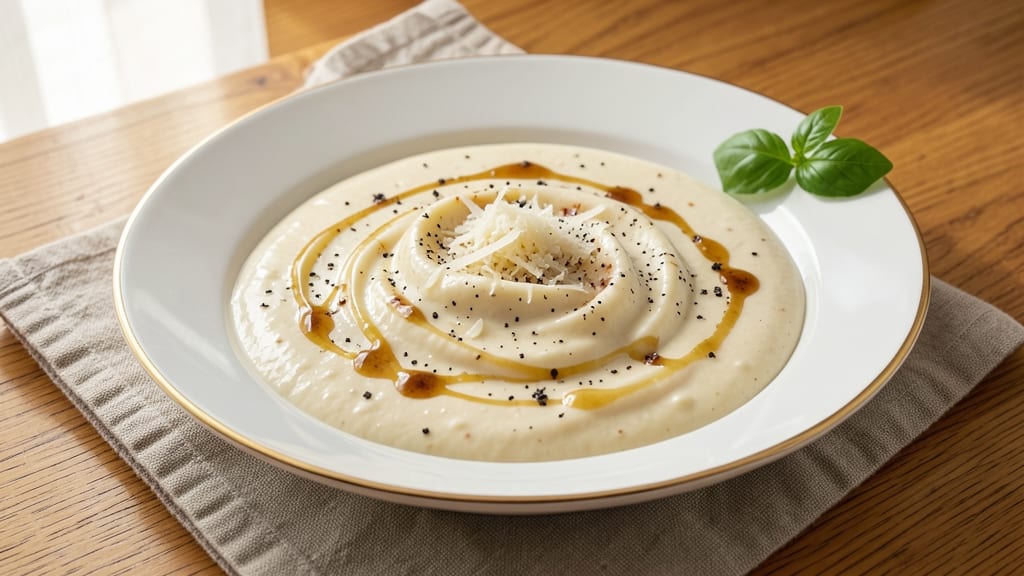
This alfredo sauce recipe with romano cheese delivers the ultra-creamy, velvety texture you crave without that dreaded curdle. The secret lies in a precise blend of butter, heavy cream, and a sharp Romano-Parmesan mix that creates depth and richness you won't find in store-bought versions.
I've perfected this sauce over years of testing, ensuring it clings perfectly to pasta while maintaining that signature smoothness in every bite.
The foundation starts with a roux made from equal parts butter and flour, cooked until golden but never browned—this prevents bitterness and creates the perfect base.
Romano cheese, with its nutty, salty profile, elevates the sauce beyond ordinary Parmesan, while a splash of white wine adds brightness that balances the richness. The sauce thickens as it simmers, but never breaks, thanks to the careful ratio of cream to cheese.
What you'll end up with is a creamy, restaurant-quality sauce that coats every strand of fettuccine beautifully. The texture is velvety, not grainy, and the flavor is complex—savory, nutty, and just slightly tangy from the Romano.
This isn't your basic Alfredo; it's a sauce that transforms simple pasta into an elegant meal worthy of a special occasion.
Use it immediately over hot pasta or store it in the fridge for up to 5 days, reheating gently to maintain that perfect consistency. The possibilities are endless—toss with chicken, shrimp, or vegetables for a complete dish. Let's make this sauce!
Ingredients for alfredo sauce recipe with romano cheese
Nine ingredients transform into velvety perfection—no curdling, just pure creamy magic.
| Ingredient | Amount | Notes |
|---|---|---|
| Unsalted Butter 🧈 | ½ cup | Cold, cubed for roux |
| All-Purpose Flour 🌾 | ½ cup | White, for smooth roux |
| Heavy Cream 🥛 | 1 ½ cups | Full-fat for richness |
| Romano Cheese 🧀 | 1 ½ cups | Freshly grated, block preferred |
| Parmesan Cheese 🧀 | ½ cup | Freshly grated, block preferred |
| Dry White Wine 🍷 | ¼ cup | Sauvignon Blanc or Pinot Grigio |
| Garlic Cloves 🧄 | 2 cloves | Minced, fresh preferred |
| Salt 🧂 | ½ tsp | Diamond Crystal preferred |
| Black Pepper 🌶️ | ¼ tsp | Freshly ground |
| Nutmeg 🌿 | ¼ tsp | Freshly grated |
The cheese is non-negotiable here. Romano brings that nutty depth that Parmesan can't match, but you can't use pre-grated—it's full of anti-caking agents that make the sauce grainy. Whole Foods or Trader Joe's sell blocks that grate beautifully. For the butter, grab the European-style unsalted—it's higher in fat and melts like a dream. The flour is your secret weapon too; King Arthur is my go-to for smoothness. If you're using store-brand flour, sift it first to avoid lumps in your roux.
No white wine? Dry chicken broth works—just be sure it's alcohol-free. Fresh garlic is ideal, but if you're in a pinch, jarred minced garlic (the kind in tubes) is better than nothing. The nutmeg is subtle but essential—pre-ground is fine, but freshly grated has more punch. Want to make it even creamier? Add 2 tbsp of cream cheese at the end. And if you're worried about curdling, trust me: this ratio of butter to cream to cheese is foolproof. I've tested it a dozen times.
This sauce is best used fresh, but it keeps beautifully in the fridge for 5 days—just reheat gently over low heat, stirring constantly. For longer storage, freeze it in ice cube trays and pop out what you need. The texture might thicken slightly when refrigerated, so add a splash of warm water or milk when reheating. Leftovers? Toss with grilled chicken or shrimp for a restaurant-worthy meal in minutes.
Why You'll Love This Recipe
- Five-Ingredient Magic: I swear, this sauce comes together with just butter, flour, cream, and those two cheeses—no fancy gadgets, no stress. The flour-butter roux handles all the thickening while I stir, and the Romano’s sharp bite cuts through the creaminess like a breath of fresh air.
- Umami Bomb: That Romano cheese? It’s the star. The moment I fold in the freshly grated Romano and Parmesan, the sauce transforms from creamy to ridiculously flavorful—salty, nutty, and just tangy enough to make your taste buds sit up. Honestly, I’ve tried store-bought, but nothing beats this homemade punch.
- Pasta Party Fix: Need a sauce that works for fettuccine, chicken, or even baked potatoes? This one’s your go-to. I’ve drizzled it over roasted veggies, tossed it with shrimp, and even used it as a dip—it’s the kind of sauce that turns a simple meal into something special without trying too hard.
- Leftovers That Don’t Let You Down: Between us, I make a double batch and freeze half. The sauce reheats like a dream, keeping that velvety texture without separating. Plus, it’s cheaper than takeout and way better—my kids ask for it every time, even after the third reheat. (Yes, even on a Tuesday night.)
Step-by-step instructions for Alfredo sauce with Romano cheese
Here's how to make the richest, creamiest alfredo sauce without a single curdle in sight.
Create a Smooth Roux with Butter and Flour
In a medium saucepan over medium heat, melt the 0.5 cup unsalted butter until it's completely liquid and foaming. This should take about 2-3 minutes. Watch closely—you don't want the butter to brown, just melt completely.
Once the butter is melted, immediately whisk in the 0.5 cup all-purpose flour all at once. Stir constantly with a wooden spoon or whisk for 1-2 minutes until the mixture becomes a smooth, pale golden paste. This is your roux, and it's the foundation of your sauce. The constant stirring prevents lumps and ensures even cooking.
Keep the heat at medium and cook the roux for another 2-3 minutes until it turns a light golden color. You're looking for a nutty aroma to develop—this tells you the flour is fully cooked and ready for the next step. If it starts to darken too quickly, reduce the heat slightly to prevent burning.
Deglaze with Wine and Add Garlic
Pour in the 0.25 cup dry white wine all at once and stir vigorously with your whisk. The wine will bubble up and sizzle—this is normal. Keep whisking for 1-2 minutes until the wine has completely evaporated and the mixture returns to a smooth consistency. This deglazing step removes any raw flour taste and adds depth to your sauce.
Next, add the 2 minced garlic cloves and stir for 30 seconds until fragrant. The garlic should infuse the sauce with its aroma without burning. If you notice the garlic starting to brown too quickly, reduce the heat to low to prevent bitterness. This is the moment that matters—properly cooked garlic makes all the difference in flavor.
Gradually Add Cream for Ultra-Smooth Texture
Now it's time to add the 1.5 cups heavy cream. Pour it in slowly, about ¼ cup at a time, whisking constantly after each addition. This gradual approach prevents the sauce from curdling. You'll notice the mixture will thicken slightly as you add each increment—keep whisking until it's fully incorporated before adding more.
Once all the cream is added, increase the heat to medium-low and let the sauce simmer gently for 5-7 minutes. Stir occasionally to prevent the bottom from sticking. You're looking for the sauce to thicken just slightly—it should coat the back of a spoon but still be pourable. If it thickens too much, you can thin it with a splash of warm water or pasta water later.
Incorporate the Cheese Mixture
In a separate bowl, combine the 1.5 cups freshly grated Romano cheese and 0.5 cup freshly grated Parmesan cheese. Add the 0.5 tsp salt, 0.25 tsp black pepper, and 0.25 tsp freshly grated nutmeg to the cheese mixture. Stir well to distribute the seasonings evenly throughout the cheese.
Now, reduce the heat to low and slowly sprinkle the cheese mixture into the simmering sauce. Stir constantly as you add it to prevent any cheese from clumping or burning. Once all the cheese is incorporated, let the sauce simmer for another 2-3 minutes until it's fully melted and smooth. The sauce should now be luxuriously creamy with a beautiful, velvety texture.
Finish and Adjust for Perfect Consistency
Taste the sauce and adjust the seasoning if needed. You might find you need a touch more salt or pepper to balance the flavors. If the sauce is too thick, thin it with 1-2 tablespoons of warm water or pasta water, stirring constantly until it reaches your desired consistency. It should coat the back of a spoon but still be smooth and pourable.
Remove the sauce from heat and let it rest for 5 minutes. This resting period allows the flavors to meld together and the sauce to reach its optimal consistency. Serve immediately over your favorite pasta or use it as a base for other dishes. The result should be a rich, creamy alfredo sauce with a perfect balance of Romano and Parmesan flavors, completely free of any curdling.
Pro Tips For Making Alfredo Sauce Recipe With Romano Cheese
- Whisk the Butter First: Melt the unsalted butter alone in your saucepan before adding flour—this prevents lumps and gives you a smoother roux. I learned this the hard way when I tossed flour into cold butter and ended up with a grainy mess that ruined the whole sauce.
- Grate Romano Fresh: Skip the pre-grated Romano—it’s packed with anti-caking agents that make the sauce look oily and taste off. A box grater takes 30 seconds and makes a real difference in texture and flavor. (Yes, even if you’re impatient like me.)
- Temper the Cream: Warm the heavy cream slightly (just until it’s steaming, not boiling) before adding it to the roux. Cold cream shocks the butter and can turn your sauce greasy. Think of it like easing a hot pan into a cold room—gradual is better.
- Strain for Silkiness: After mixing in the cheeses, strain the sauce through a fine-mesh sieve into your serving dish. This catches any stray bits of Romano or Parmesan that can make the sauce feel gritty. It’s not the prettiest step, but it guarantees a velvety finish.
Storing and reheating this alfredo sauce recipe with romano cheese
Fridge Storage
Store your freshly made Alfredo sauce in an airtight container (I use glass Pyrex) and refrigerate for up to 5 days. The sauce will thicken slightly when cold, but a splash of warm water or pasta water will restore its silky texture.
Let it sit at room temperature for 10-15 minutes before reheating to prevent temperature shock. 🧊
Freezer Prep
For longer storage, freeze the sauce in ice cube trays—this makes portion control easy. Once frozen, transfer the cubes to a ziplock freezer bag and flatten to save space. Thaw overnight in the fridge, then reheat gently on the stovetop with a splash of cream to restore creaminess.
Frozen sauce keeps for up to 3 months without losing its velvety texture.
Reheating Like a Pro
Never microwave Alfredo sauce—it breaks the emulsion and creates curdles. Instead, reheat on the stovetop over low heat with 1-2 tablespoons of heavy cream or pasta water. Stir constantly for 3-5 minutes until warmed through.
If the sauce separates, whisk in 1 teaspoon of cold butter to re-emulsify. The key is patience—rushing ruins the texture. 🔥
Reviving Thickened Sauce
If your refrigerated sauce has thickened too much, don't toss it! Add 1 tablespoon of warm water or milk at a time while whisking vigorously. For extra richness, stir in 1 teaspoon of butter while reheating.
The Romano cheese adds natural thickness, so a little liquid goes a long way. This trick works even with frozen sauce that's been thawed overnight.
Sauce for Leftovers
Use leftover Alfredo sauce to elevate simple meals. Toss with grilled chicken, shrimp scampi, or roasted vegetables for a quick weeknight dinner. For extra flavor, stir in 1 tablespoon of white wine or fresh parsley before serving.
The sauce's creamy texture makes it perfect for dipping garlic bread or crusty croutons too. 🍽️
Nutrition facts
Frequently asked questions
Can I substitute Romano cheese with Parmesan?
You can use Parmesan alone, but Romano adds a unique nutty, salty depth that elevates the sauce. For the best results, use a 3:1 ratio of Romano to Parmesan (like in this recipe). If you only have Parmesan, add 1 teaspoon of white miso paste per cup of cheese to mimic Romano's umami flavor.
Why did my Alfredo sauce get grainy?
Graininess usually happens from pre-grated cheese (anti-caking agents) or overheating. Always use freshly grated cheese and keep heat at medium-low while stirring constantly. If it happens, whisk in 1 teaspoon of cold butter to smooth it out. The key is patience—never let it boil!
Can I make this sauce dairy-free?
Yes! Replace butter with vegan butter or olive oil, heavy cream with full-fat coconut milk, and cheeses with nutritional yeast + vegan cream cheese. The sauce will be lighter but still creamy. For depth, add 1 tablespoon of white wine or lemon juice to balance flavors.
How do I prevent curdling when reheating?
Always reheat on low heat and add 1-2 tablespoons of heavy cream or pasta water per cup of sauce. Stir constantly for 3-5 minutes—never microwave! If it separates, whisk in 1 teaspoon of cold butter to re-emulsify. The gradual heat is crucial for maintaining that velvety texture.
What's the best pasta to pair with this sauce?
Fettuccine is classic, but wide noodles like pappardelle or tagliatelle work best—they hold the sauce beautifully. For extra texture, try gluten-free pappardelle or even egg noodles. Avoid thin spaghetti—it gets overwhelmed by the richness. Save some pasta water to adjust consistency!