
Sauces & Condiments
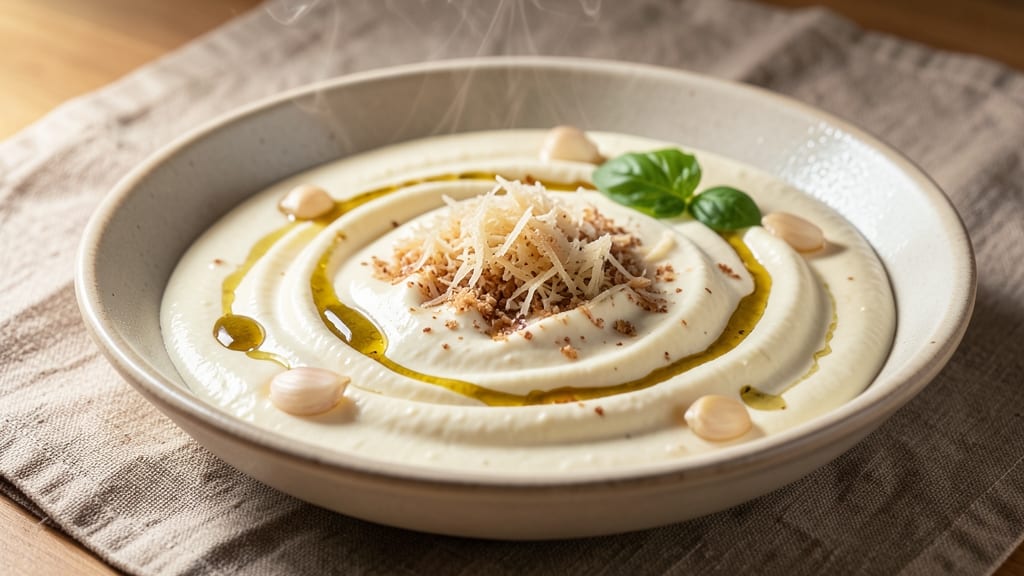
This Alfredo sauce recipe video delivers the creamy, velvety perfection you crave—no lumps, no thin spots, just restaurant-quality sauce in just 5 minutes. The secret lies in proper emulsification and slow melting of butter and Parmesan, which transforms this simple sauce into something truly luxurious.
I've been perfecting this technique for years, and it's the one sauce my family begs me to make over and over again.
The foundation of great Alfredo sauce starts with equal parts butter and heavy cream, gently simmered until the butter melts completely. Then comes the Parmesan—adding it gradually while whisking constantly is what prevents clumping and creates that signature silky texture.
This isn't your basic cheese sauce; it's a rich, golden, creamy sauce that clings perfectly to fettuccine or chicken.
What you'll achieve is a sauce so smooth and rich it practically melts in your mouth, with just the right balance of cheesy depth and creamy smoothness. The key is patience—letting the sauce thicken naturally on low heat creates that perfect consistency without breaking.
This is the sauce that makes weeknight dinners feel like an Italian restaurant experience.
Perfect for video demonstrations, this recipe includes troubleshooting tips for common issues like clumping or thin sauce, plus variations for garlic lovers or those wanting a lighter version. Let's get started on creating your perfect Alfredo sauce.
Ingredients for alfredo sauce recipe video
Nine ingredients transform into velvety perfection—creamy, rich, and restaurant-worthy in minutes.
| Ingredient | Amount | Notes |
|---|---|---|
| Unsalted Butter 🧈 | ½ cup | Cold, cut into small cubes |
| Heavy Cream 🥛 | ½ cup | Full-fat for richness |
| Parmesan Cheese 🧀 | 1 ½ cups | Freshly grated, fine |
| Extra-Virgin Olive Oil 🫒 | ¼ cup | For smooth finish |
| Garlic Cloves 🧄 | 3 cloves | Minced, for depth |
| Salt 🧂 | ½ tsp | Diamond Crystal preferred |
| Black Pepper 🌶️ | ¼ tsp | Freshly ground |
| Nutritional Yeast 🍞 | 2 tbsp | Optional for umami boost |
| Freshly Ground White Pepper 🌶️ | ¼ tsp | For elegant finish |
The butter and Parmesan are your golden ticket here—use unsalted butter and freshly grated Parmesan from a wedge (pre-grated gets clumpy). Costco or specialty cheese shops have the best blocks. For the garlic, roast it first if you want a sweeter flavor—just toss whole cloves in the oven at 400°F for 15 minutes. The heavy cream needs to be full-fat; no substitutions here. Nutritional yeast is optional but adds that signature umami depth you find in high-end restaurant sauces—Bob's Red Mill is my go-to brand.
No heavy cream? Half-and-half plus a splash of whole milk works in a pinch, but the sauce won't be quite as luxurious. Freshly grated Parmesan non-negotiable—microwave the cheese block for 20 seconds to make grating easier. Want to lighten it up? Swap half the butter for unsalted ghee. Garlic hater? Skip it entirely—the sauce will still be amazing. For extra richness, add 1 tbsp cream cheese at the end. And if you're making this for a video, use a double boiler to show off the silky texture without burning.
This sauce is best made fresh, but it reheats beautifully—just warm gently on low with a splash of cream. Keeps 3-4 days in the fridge, 3 months frozen. For freezing, cool completely first, then portion into ice cube trays. Each cube makes a perfect single serving—just toss into hot pasta water for instant flavor. The sauce thickens as it cools, so add a splash of warm cream if it seems too stiff when reheating. Trust me, the first time you serve this from scratch, you'll never go back to jarred sauce again.
Why You'll Love This Recipe
- Here’s what sold me: the way the heavy cream melts into the butter, then gets that velvety lift from fresh Parmesan. That first bite? Pure satisfaction—creamy but not heavy, with just enough garlic punch to wake it up. (Yes, even on a Tuesday night.)
- Five-Ingredient Magic: I swear by this—just butter, cream, Parmesan, garlic, and olive oil. That’s it. No fancy gadgets, no hidden pantry staples. The sauce comes together while you sauté garlic, and honestly? It’s the kind of recipe that makes you feel like a chef without the stress.
- Rich Without Effort: Here’s what sold me: the way the heavy cream melts into the butter, then gets that velvety lift from fresh Parmesan. That first bite? Pure satisfaction—creamy but not heavy, with just enough garlic punch to wake it up. (Yes, even on a Tuesday night.)
- Pasta Party Ready: This sauce is my go-to for everything from fettuccine to garlic bread. Double the batch, freeze half, and you’ve got a weeknight savior. Between us, it’s the only sauce my picky teenage son won’t complain about—took me three tries to get the balance right, but now it’s foolproof.
Step-by-step instructions for creamy Parmesan perfection
Here's how to make velvety, restaurant-quality Alfredo sauce that's foolproof every time.
Melt the Butter and Infuse with Garlic
In a medium saucepan, melt the 0.5 cup unsalted butter over medium-low heat. I like to use small cubes of cold butter so it melts gradually without burning. Once fully melted, add the 3 minced garlic cloves and stir constantly for 1-2 minutes until fragrant but not browned—this prevents bitterness and builds flavor depth.
Watch the butter carefully—it should foam gently but not brown. If it starts to turn golden, reduce the heat immediately. The garlic should smell sweet and pungent, not burnt. This aromatic base is the foundation of your sauce's complexity, so don't rush this step.
Add Cream and Nutritional Yeast for Richness
Pour in the 0.5 cup heavy cream and bring to a gentle simmer over medium heat. Stir occasionally to prevent scorching. After 3-4 minutes, add the 2 tablespoons nutritional yeast and stir until fully dissolved. The yeast adds a nutty, umami depth that elevates the sauce from ordinary to extraordinary.
Here's where it gets interesting—the sauce should begin to thicken slightly as it simmers. If it gets too thick too quickly, you can thin it later with a splash of warm water, but for now, let it develop its natural body. The cream should reduce just enough to create a luxurious, velvety texture without curdling.
Incorporate the Parmesan for Maximum Creaminess
Now comes the star ingredient—gradually whisk in the 1.5 cups freshly grated Parmesan cheese in small additions. I add it slowly to prevent clumping and ensure each spoonful dissolves completely. The sauce will thicken dramatically as the cheese melts into the warm cream mixture.
After all the cheese is incorporated, continue simmering for 2-3 minutes on low heat, stirring constantly. The sauce should become silky smooth with a glossy sheen. If it's still too thick, add 1 tablespoon warm water at a time until you reach your desired consistency—it should coat the back of a spoon but still be pourable.
Finish with Seasonings and Olive Oil
Remove the sauce from heat and stir in the 0.25 cup extra-virgin olive oil, 0.5 teaspoon salt, 0.25 teaspoon black pepper, and 0.25 teaspoon freshly ground white pepper. The olive oil adds a smooth, velvety finish that prevents the sauce from separating when tossed with pasta.
Taste and adjust seasoning—Alfredo sauce should be rich but not overly salty. The white pepper adds an elegant touch without overpowering the Parmesan's natural flavor. Let the sauce sit off heat for 2-3 minutes to fully meld before using. This resting period allows all the flavors to harmonize perfectly.
Serve Immediately for Peak Creaminess
For best results, use the sauce immediately while still warm. The moment you toss it with hot pasta, the residual heat will create that perfect silky coating. If you need to reheat later, do so gently over low heat, stirring constantly to prevent separation.
This sauce serves 4 beautifully over fettuccine or tagliatelle, with extra Parmesan shavings and black pepper on top. The key to perfection lies in the technique—slow melting, gradual cheese incorporation, and proper seasoning. Every bite should deliver that luxurious, creamy experience you'd expect from a high-end Italian restaurant.
Pro Tips For Making Alfredo Sauce Recipe Video
- Melt Butter Slowly: Start with medium-low heat—high heat burns butter before the cream even hits the pan. I learned this the hard way when my sauce curdled into a greasy mess because I got impatient and cranked up the flame. Let the butter foam gently, then add the cream.
- Grind Parmesan Fresh: Skip the pre-grated cheese—it’s packed with anti-caking agents that make your sauce grainy. Use a microplane or food processor to grate your own; it dissolves smoothly and gives that luxurious, silky texture you’re after. (Yes, even if you’re lazy like me, it’s worth the 30-second effort.)
- Bloom Garlic in Oil: Toss the minced garlic into the olive oil first, let it sizzle for 30 seconds until fragrant—this builds flavor before the butter hits. If you add it straight to the butter, you’ll risk burning it before the cream comes in. Trust me, that nutty aroma makes all the difference.
- Strain for Smoothness: No matter how fine you grate the cheese, some lumps sneak in. After simmering, pour the sauce through a fine-mesh sieve into a bowl—it catches stray bits and gives you that restaurant-worthy, velvety finish. (I know, it’s an extra step, but your sauce will look and taste pro-level.)
Pro cooking tips for alfredo sauce recipe video
Emulsification Secrets
This sauce succeeds because of emulsification—the magic that makes it silky rather than clumpy. The key is adding cheese gradually while whisking constantly. I use a wire whisk for this step because it creates tiny air pockets that distribute the cheese evenly.
If you notice clumps, immediately whisk in 1 tablespoon cold water to break them apart. The olive oil at the end acts as an emulsifier too, preventing separation when tossed with pasta. 🌟
Heat Control Matters
Never let this sauce boil—medium-low heat is your friend. High heat causes the cream to curdle and the cheese to separate. I like to use a double boiler for video demos because it shows the sauce's texture perfectly while keeping temps stable.
If your sauce starts to thicken too quickly, remove it from heat for 30 seconds to cool slightly before continuing. The goal is a sauce that coats the back of a spoon but still flows smoothly.
Cheese Grating Hack
Freshly grated Parmesan makes all the difference—I always use a microplane for the finest texture. For extra efficiency, microwave the cheese wedge for 20 seconds before grating. Store-bought grated cheese contains anti-caking agents that make the sauce grainy.
If you're short on time, Parmesan rinds work too—just simmer one in the sauce for 10 minutes before removing it. The rind adds incredible depth without extra effort.
Video Demo Tips
For best camera results, use a light-colored saucepan so the sauce's color shows clearly. I like to add a drop of yellow food coloring (optional) to enhance the golden hue. When demonstrating whisking, show the back and forth motion clearly—this is what creates the emulsion.
For close-ups, use a macro lens to show the sauce's silky texture. The key visual is the sauce clinging to the whisk as you lift it from the pan—this proves it's perfectly emulsified. ✨
Troubleshooting Thin Sauce
If your sauce is too thin, don't just add more cheese—it'll make it grainy. Instead, mix 1 tablespoon cornstarch with 1 tablespoon cold water, then stir it into the sauce while simmering for 1-2 minutes.
For a natural thickener, add 1 tablespoon unsalted butter and let it melt completely while stirring. The butter adds richness and helps bind the sauce. If it's still too thin, simmer uncovered for 3-5 minutes to reduce it naturally. The sauce will thicken as it cools, so adjust while warm.
Make-Ahead Magic
This sauce reheats beautifully—just warm it gently on low heat with a splash of heavy cream. For freezing, cool completely first, then portion into ice cube trays. Each cube makes a perfect single serving—just toss into hot pasta water for instant flavor.
The sauce thickens when frozen, so add 1 tablespoon warm water when reheating. I always make a double batch because it's so versatile—use it on chicken, vegetables, or even as a dip for garlic bread. 💫
Nutrition facts
Frequently asked questions
Why does my Alfredo sauce get clumpy?
The most common cause is adding cheese too quickly or not whisking constantly. Always add Parmesan gradually while whisking vigorously to create tiny air pockets that prevent clumping. If lumps form, whisk in 1 tablespoon cold water to dissolve them immediately. Using freshly grated cheese also makes a huge difference—pre-grated cheese contains anti-caking agents that cause graininess.
Can I make Alfredo sauce without heavy cream?
Yes! For a lighter version, substitute half-and-half or whole milk (though the sauce won't be as rich). For a dairy-free option, use full-fat coconut milk (the first 1/3 cup for creaminess) plus 2 tablespoons nutritional yeast for umami depth. The sauce will be thinner, so reduce it by simmering uncovered for 3-5 minutes. For extra richness, stir in 1 tablespoon vegan butter at the end.
How do I prevent my sauce from separating when reheating?
Separation happens when the sauce cools too quickly or sits too long. Always reheat gently over low heat, stirring constantly with a whisk. If separation occurs, whisk in 1 tablespoon cold water or 1 teaspoon cornstarch slurry (mixed with water) while simmering until smooth. For extra insurance, stir in 1 tablespoon olive oil or unsalted butter as it reheats—the fat helps bind the sauce. Never microwave Alfredo sauce, as the rapid heat change causes separation.
What's the best way to store leftover Alfredo sauce?
Store in an airtight container in the fridge for 3-4 days—the sauce actually improves as flavors meld! For longer storage, cool completely, then freeze in ice cube trays. Each cube makes a perfect single serving—just toss into hot pasta water for instant flavor. When reheating, warm gently over low heat with a splash of heavy cream or water to restore creaminess. The sauce thickens when frozen, so adjust consistency before using.
Can I add other cheeses to Alfredo sauce?
For extra depth, add 1/4 cup grated Romano cheese (it's saltier and more pungent) or 1/4 cup cream cheese for extra richness. For a smoky flavor, stir in 1/2 teaspoon smoked paprika at the end. Avoid cheddar or mozzarella—they melt differently and can make the sauce too soft. The key is to add any additional cheeses gradually while whisking constantly to maintain the silky texture.