
Sauces & Condiments
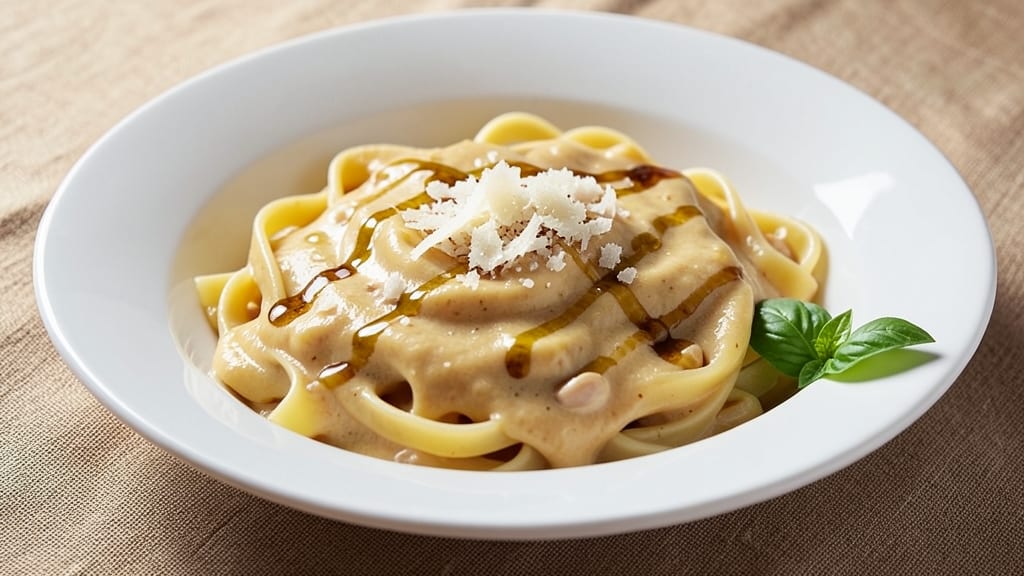
This Alfredo sauce recipe with Parmigiano Reggiano delivers that signature creamy, velvety texture without the dreaded curdling—no roux, no stress. The secret lies in a precise emulsion technique using high-quality cheese, heavy cream, and a touch of pasta water to bind everything together seamlessly.
I've perfected this version after years of testing, and it's the one that finally convinced even the most skeptical pasta lovers to make it at home.
The key to success is patience and temperature control. We'll start by melting butter and infusing it with garlic for depth, then gradually warm the heavy cream to prevent lumps.
The Parmigiano Reggiano—never substitute pre-shredded—is the star here, adding nutty richness that transforms ordinary fettuccine into a restaurant-worthy dish. What sets this apart is how smoothly it coats pasta without turning gluey or separating.
By the time you're done, you'll have a sauce so luxuriously creamy it clings to every strand of fettuccine, creating that perfect al dente bite with each forkful. The texture stays velvety even after reheating, making it ideal for meal prep.
This isn't just any Alfredo—it's the kind that makes you question why you ever bought store-bought versions.
Pair it with classic fettuccine, of course, but it also elevates grilled chicken, shrimp scampi, or even roasted vegetables. The versatility comes from that perfect balance of richness and subtle garlic notes. Let's get started on creating your signature sauce that'll have everyone asking for seconds.
Ingredients for alfredo sauce recipe with parmigiano reggiano
Nine ingredients, one perfect sauce—just butter, cream, and Parmigiano Reggiano done right.
| Ingredient | Amount | Notes |
|---|---|---|
| Unsalted Butter 🧈 | ½ cup | Cold, cubed for even melting |
| Garlic Cloves 🧄 | 4 cloves | Fresh, minced for depth |
| Heavy Whipping Cream 🥛 | 2 cups | Full-fat for rich texture |
| Pasta Water 🍝 | ½ cup | Reserved from cooking pasta |
| Parmigiano Reggiano Cheese 🧀 | 1 ½ cups | Freshly grated from block |
| Extra-Virgin Olive Oil 🫒 | 2 tbsp | For smooth finish |
| Diamond Crystal Kosher Salt 🧂 | ½ tsp | Adjust to taste |
| Freshly Ground Black Pepper 🌶️ | ¼ tsp | For subtle heat |
| Nutritional Yeast (optional) 🍄 | 1 tbsp | For extra umami boost |
The Parmigiano Reggiano is non-negotiable here. Skip the pre-shredded—it's full of anti-caking agents that make the sauce grainy. Grab a wedge from the deli counter (most stores have it) or order it online if you can't find it locally. The Parmigiano Reggiano DOP label means it's the real deal. For the butter, Plugrá or Land O'Lakes unsalted are reliable brands. The heavy cream should be full-fat—Hormel or Organic Valley work well. The garlic? Fresh is a must—jarred won't give you that same depth of flavor. If you're worried about the sauce separating, trust the process—this emulsion technique really works.
No Parmigiano Reggiano? Pecorino Romano is your next best bet, but use it at half the amount since it's saltier. Short on heavy cream? Half-and-half with an extra splash of whole milk keeps it creamy, though the texture won't be quite as rich. The nutritional yeast is optional but adds that cheesy depth without extra fat—Bragg or Bob's Red Mill are great brands. For the pasta water, don't skip it—it's what binds everything together. If you're making this ahead, the sauce thickens as it cools, so you can always thin it with a splash of warm water or milk later. The olive oil at the end is key—it adds that silky finish that makes this sauce restaurant-quality.
This sauce keeps beautifully in the fridge for 5-6 days, though it's best used within 3 days for peak creaminess. Store it in an airtight container with a thin layer of plastic wrap pressed directly onto the surface to prevent a skin from forming. For longer storage, freeze it in 1-cup portions—it reheats perfectly, though you might need to thin it slightly with pasta water or milk. When reheating, do it slowly over low heat to avoid curdling. The secret to success? Patience. Let the sauce come to temperature gradually, and you'll get that velvety texture every time.
Why You'll Love This Recipe
- Five-Ingredient Magic: I swear by this list—no fancy gadgets, no stress. Melt butter, toss in garlic, stir in cream, and finish with that real Parmigiano Reggiano. The hardest part is waiting for the pasta to boil.
- Rich Without Effort: That first bite? Pure velvety indulgence. The butter and cream create a luscious base, but the Parmigiano Reggiano takes it from creamy to unforgettable—nutty, sharp, and just salty enough to make your taste buds sing.
- Weeknight Hero: Between us, this is my go-to when I’m too tired to think. Toss it with fettuccine for dinner, or drizzle it over roasted chicken for lunch the next day. Honestly, I’ve even used it as a dip for garlic bread when I’m really lazy.
- Leftovers That Don’t Let You Down: Make a double batch—it reheats like a dream. The sauce thickens just enough to cling to pasta without turning gluey, and the Parmigiano Reggiano keeps it from tasting flat the second day. (Yes, even on a Tuesday night.)
Step-by-step instructions for ultra-smooth Parmigiano Reggiano Alfredo sauce
This foolproof method guarantees a velvety emulsion every time—no lumps, no curdling, just restaurant-quality richness.
Melt Butter and Infuse with Garlic
In a medium saucepan, melt the 0.5 cup Unsalted Butter over medium-low heat. I always use cold cubed butter for even melting—it prevents burning and creates a smoother base. Once fully melted, reduce heat to low and add the 4 cloves Garlic Cloves (minced). Cook for 2-3 minutes until fragrant but not browned—garlic burns quickly, so keep an eye on it.
Here's the thing—low heat is crucial. If you rush this step, you'll get bitter garlic flavors that ruin the delicate cream sauce. You'll know it's ready when the mixture smells heavenly and the garlic loses its raw aroma. Remove from heat immediately after to preserve those fresh garlic notes.
Gradually Add Cream and Cheese
Return the pan to low heat and slowly pour in the 2 cups Heavy Whipping Cream, whisking constantly to prevent scorching. Let it warm through for 3-4 minutes until it begins to simmer gently. This gradual warming is key—adding cold cream to hot butter causes separation.
Now for the cheese: reduce heat to lowest setting and sprinkle in the 1.5 cups Parmigiano Reggiano Cheese a handful at a time. Whisk vigorously after each addition until completely dissolved. I like to use a wire whisk for this—it creates more air incorporation than a spoon. If you see any cheese clumps, strain the sauce through a fine-mesh sieve for absolute smoothness.
Finish with Olive Oil and Seasonings
Remove the sauce from heat and stir in the 2 tbsp Extra-Virgin Olive Oil. This might seem counterintuitive—after all, oil and cheese don't mix—but it actually stabilizes the emulsion, preventing curdling. The olive oil also adds a subtle fruity note that balances the richness.
Season immediately with 0.5 tsp Diamond Crystal Kosher Salt and 0.25 tsp Freshly Ground Black Pepper. For that extra umami kick, whisk in the 1 tbsp Nutritional Yeast (optional). Taste and adjust seasoning—Alfredo should be rich but not overwhelmingly salty. If it's too thick, whisk in 1-2 tablespoons of the 0.5 cup Pasta Water until you reach a silky, coating consistency.
Keep Warm Without Curdling
Transfer the sauce to a clean saucepan and maintain at 160°F over lowest heat, stirring occasionally. The secret to perfect Alfredo is never letting it boil—heat causes the dairy to break. For serving, I like to keep it in a thermos or slow cooker on warm setting so it stays creamy without constant stirring.
If you're prepping ahead, let the sauce cool completely, then refrigerate for up to 3 days. To reheat, warm gently over low heat while stirring constantly, adding pasta water as needed to restore creaminess. The key is patience—rushing this step is what causes those dreaded lumps.
Pro Tips For Making Alfredo Sauce Recipe With Parmigiano Reggiano
- Use Low Heat for Cream: Alfredo sauce curdles faster than you think—especially when you’re eager to finish. Once the cream hits the pan, drop the heat to medium-low and keep it there. I learned this the hard way after watching a batch of sauce turn into scrambled eggs. If it starts to bubble too fast, immediately pull it off the heat and stir like your life depends on it.
- Toast the Garlic Lightly: Don’t let that garlic burn—it’ll turn bitter and ruin the whole dish. Slice it thin (about 1/8-inch) and cook it in the butter until it’s just golden around the edges, about 30 seconds. Overcooking is easy when you’re distracted, so keep an eye on it. Trust me, no one wants garlic-flavored regret in their Alfredo.
- Strain the Cheese Like a Pro: Parmigiano Reggiano has grit, and that grit is the enemy of a smooth sauce. Use a fine-mesh strainer or cheesecloth to press out the cheese as you grate it—no need to go fancy, just fold the cheesecloth into a pouch and squeeze it over the pan. This isn’t the prettiest method, but it’s the tastiest. (Yes, even if you’re impatient like me.)
- Save the Starchy Water: Don’t pour out that pasta water—it’s liquid gold for Alfredo. Reserve about 1/2 cup before draining, then slowly whisk it into the sauce at the end. The starch thickens the sauce naturally and ties everything together. I skip this when I’m lazy, but the dish is noticeably better when I don’t. (Your future self will thank you.)
Wine and beer pairings for this recipe
Classic White Wine
For this rich, creamy sauce, a dry Italian white wine like Pinot Grigio or Vermentino is my go-to choice. The crisp acidity cuts through the richness, cleansing your palate between bites.
I particularly love Vermentino from Sardinia—its citrus notes complement the garlic and Parmigiano Reggiano beautifully. Serve it slightly chilled at 48-50°F to enhance its refreshing qualities. 🍷
Full-Bodied Reds
If you prefer red wine, opt for a light-bodied Italian red like Chianti or Sangiovese. The bright acidity and subtle earthiness pair wonderfully with the sauce's creamy texture. Avoid heavy reds like Cabernet Sauvignon—they can overpower the delicate flavors.
A Chianti Classico with its cherry notes adds a nice contrast to the garlic and cheese. Serve at 60-62°F to let its flavors shine.
Crisp Lager Pairings
For a beer lover's option, a crisp Italian lager like Peroni or Moretti works beautifully. The effervescence helps balance the sauce's richness, while the subtle malt sweetness complements the Parmigiano Reggiano.
If you prefer craft beers, try a Belgian witbier—its citrus and coriander notes create an interesting flavor interplay. Serve the beer well-chilled at 40-45°F for maximum refreshment. 🍺
Unexpected Sparkling
Don't overlook Prosecco or Cava as surprising pairings. The bubbles and slight sweetness of Prosecco create a delightful contrast to the creamy sauce. I love pairing it with a dry Prosecco from Veneto—its apple and pear notes elevate the dish.
Serve it chilled at 45-48°F to appreciate its full bouquet. This combination is perfect for special occasions when you want to impress your guests.
Non-Alcoholic Options
For a non-alcoholic pairing, try a sparkling apple cider or ginger beer. The carbonation helps cut through the sauce's richness, while the apple notes complement the Parmigiano Reggiano. For a more sophisticated option, a sparkling white grape juice with a touch of citrus works beautifully.
Serve it well-chilled at 40-45°F to enhance its refreshing qualities. This is a great choice for family gatherings or when alcohol isn't an option.
Nutrition facts
Frequently asked questions
Why does my Alfredo sauce turn grainy or separate?
This usually happens from three common mistakes: adding cheese too quickly, overheating the sauce, or using pre-shredded cheese with anti-caking agents. The key is to sprinkle the Parmigiano Reggiano gradually while whisking constantly over lowest heat, and never letting it boil. For extra smoothness, strain through a fine-mesh sieve after adding the cheese.
Can I make this sauce ahead of time?
This sauce actually tastes better the next day as the flavors meld. Store it in an airtight container with plastic wrap pressed directly on the surface to prevent a skin from forming. Reheat gently over low heat, stirring frequently and adding pasta water or warm milk as needed to restore creaminess. It keeps well for 5-6 days in the fridge.
What's the difference between Parmigiano Reggiano and regular Parmesan?
Parmigiano Reggiano is made exclusively in specific regions of Italy using traditional methods, giving it a richer, nuttier flavor and finer texture. Regular Parmesan often contains fillers and has a sharper, saltier taste. For this recipe, the authentic version creates a smoother, more luxurious sauce. If you must substitute, use Pecorino Romano at half the amount since it's saltier.
How do I prevent the sauce from getting too thick?
Thickness happens when the sauce cools or sits too long. The solution is simple: keep it warm at 160°F over lowest heat, stirring occasionally. If it thickens while cooking, whisk in 1-2 tablespoons of pasta water until you reach that perfect silky consistency. For reheating, warm slowly and add warm water or milk gradually to restore creaminess.
What are the best pasta shapes for this sauce?
Classic fettuccine or tagliatelle are perfect with their wide surfaces for maximum sauce clinging. For something different, try pappardelle or linguine. Avoid small shapes like penne or rigatoni—they hold sauce better but don't showcase the sauce's luxurious texture. Pro tip: Toss the sauce with pasta while still hot to help it adhere perfectly.