
Sauces & Condiments
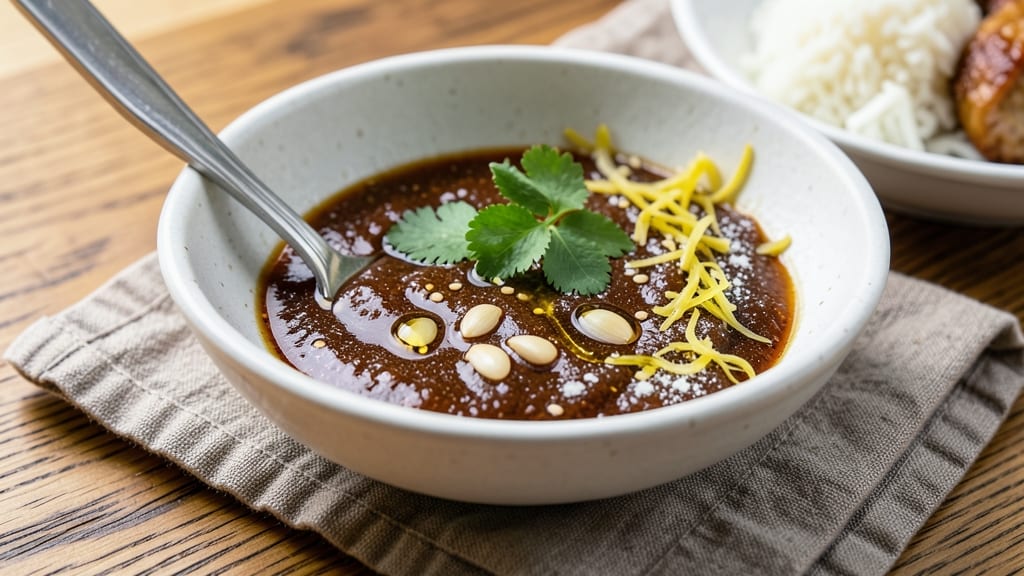
This stir fry sauce recipe transforms simple soy sauce and brown sugar into a deep umami-sweet gloss that clings to every wok-cooked bite. The secret lies in balancing salty, sweet, and savory notes through careful reduction, creating a sauce that elevates any stir-fry from ordinary to extraordinary.
I developed this formula after years of testing—it’s the one my family reaches for when we crave that restaurant-quality sheen without the fuss.
The foundation is straightforward: soy sauce for umami depth, brown sugar for caramelized sweetness, and a touch of garlic and ginger for aromatic warmth. What sets this apart is the slow reduction technique—simmering until the sauce thickens into a glossy, syrupy consistency that coats ingredients perfectly.
No complicated ingredients, just a 10-minute process that delivers professional results every time.
What you’ll end up with is a sauce that’s rich, balanced, and irresistibly sticky, ideal for locking in flavors during high-heat stir-frying. It works with chicken, tofu, vegetables, or noodles, adapting to any dish while maintaining its signature harmony of sweet and savory.
The best part? It keeps well in the fridge for up to a week, ready to transform your next meal.
For extra depth, I often add a splash of rice vinegar or a pinch of chili flakes—just enough to customize without overpowering. This is the kind of sauce that turns a simple weeknight dinner into something memorable. Let’s make it.
Ingredients for stir fry sauce recipe soy sauce brown sugar
Simple pantry staples transform into a restaurant-quality stir-fry sauce with perfect umami-sweet balance.
| Ingredient | Amount | Notes |
|---|---|---|
| Soy Sauce 🍶 | ½ cup | Light or dark variety preferred |
| Light Brown Sugar 🍚 | ⅓ cup | Packed firmly for accuracy |
| Garlic Cloves 🧄 | 3 cloves | Minced for aromatic depth |
| Fresh Ginger 🌿 | 1 tbsp | Finely grated, not powdered |
| Sesame Oil 🫒 | 1 tbsp | Toasted sesame oil for nuttiness |
| Cornstarch 🌾 | 1 tsp | For thickening consistency |
| Water 💧 | ¼ cup | Room temperature preferred |
| Rice Vinegar 🍶 | 1 tbsp | Optional for brightness |
| Red Chili Flakes 🌶️ | ½ tsp | Adjust for heat preference |
The soy sauce and brown sugar are the dynamic duo here. La Choy or Kikkoman soy sauce work perfectly, but any light or dark variety will do—just avoid reduced or flavored versions that can throw off the balance. For brown sugar, Domino or C&H are reliable, but pack it firmly into the measuring cup for accuracy. Fresh garlic and ginger are non-negotiable—they bring the aromatic foundation that separates homemade sauce from store-bought. I always grab extra ginger at Trader Joe's because it keeps longer than garlic. Toast your sesame oil in a dry pan for 30 seconds before adding to the sauce—this deepens its nutty flavor without overpowering.
No sesame oil? Vegetable oil plus a pinch of toasted sesame seeds works in a pinch (literally). Short on brown sugar? White sugar plus a splash of molasses mimics the caramel notes. The cornstarch is key for that glossy finish—don't skip it. For extra depth without extra effort, I sometimes add a dash of fish sauce (1/2 tsp) if I'm making it for seafood stir-fries, but it's optional. The rice vinegar and chili flakes are customizable—start with the amounts listed, then adjust to taste. Pro tip: if you're using pre-minced garlic or ginger from a jar, rinse it first to remove excess liquid that can dilute your sauce.
This sauce thickens as it cools, so don't over-reduce it. Store in an airtight container in the fridge for up to 1 week—the flavors actually improve overnight. For longer storage, freeze in ice cube trays and transfer to a bag. Each cube makes a perfect single-use portion for a quick stir-fry. To reheat, gently warm in a small saucepan over low heat, adding a splash of water if it thickens too much. Leftovers? Toss them into fried rice or drizzle over noodles—they disappear just as fast as the first batch.
Why You'll Love This Recipe
- Five-Ingredient Magic: I swear by this combo—soy sauce’s umami punch meets caramelized brown sugar’s warmth, while garlic and ginger add that je ne sais quoi. Honestly, the sesame oil finish? That’s what turns it from good to "I’ll make this again tomorrow."
- Weeknight Hero: No chopping, no fuss—just mince garlic, grate ginger, and toss everything in one bowl. Between us, this sauce is my secret weapon when I’m staring at a fridge full of random veggies or last night’s protein. (Yes, even on a Tuesday night.)
- Leftovers That Shine: Make a double batch and store it—this sauce actually improves over time as the flavors meld. Drizzle it on cold noodles, toss with reheated rice, or glaze roasted chicken. My college kid still texts me asking for the recipe.
- Budget-Friendly Flex: Brown sugar and soy sauce stretch your dollar without sacrificing flavor. I’ll be real: this is the kind of sauce that makes a $5 bag of frozen stir-fry veggies taste like a restaurant special. Plus, it’s the only sauce I buy in bulk.
Step-by-step instructions for stir fry sauce with soy sauce and brown sugar
This umami-sweet sauce delivers restaurant-quality wok perfection every time—crispy edges, glossy finish, and layers of flavor.
Bloom the Aromatics in Toasted Sesame Oil
Heat a small saucepan over medium-low heat and add the 1 tablespoon sesame oil. Let it warm for 30 seconds until fragrant but not smoking—you should smell that nutty toasted aroma. Add the 3 minced garlic cloves and 1 tablespoon finely grated fresh ginger, stirring constantly for 1 minute until the garlic turns golden and the ginger softens.
This step is where the magic begins. The garlic should sizzle gently without browning—if it darkens too quickly, reduce the heat immediately. The oil carries the aromatic compounds that form the sauce's flavor foundation. Don't skip this step; these aromatics are what elevate a simple stir fry sauce to something extraordinary.
Combine Wet Ingredients and Simmer
Pour in the 0.5 cup soy sauce and 0.33 cup packed light brown sugar, stirring vigorously to dissolve the sugar completely. Add the 0.25 cup room temperature water and 1 tablespoon rice vinegar, then bring the mixture to a gentle simmer over medium heat. Let it cook for 3-4 minutes until the sugar begins to caramelize slightly—you'll see it turn from clear to a light amber color.
Here's the thing—you want the sugar to dissolve but not burn. If it starts to darken too quickly, reduce the heat to low and stir more gently. The sauce should coat the back of a spoon but still be pourable. This is the moment that matters: balancing the sweetness with the deep umami of the soy sauce creates that perfect harmony we're after.
Thicken and Season
In a small bowl, whisk together the 1 teaspoon cornstarch with 2 tablespoons of the simmering sauce to create a slurry. Slowly pour this back into the saucepan while stirring constantly. The sauce will thicken almost immediately—keep stirring for another 1-2 minutes until it reaches a glossy, syrupy consistency that coats the back of a spoon.
Stir in the 0.5 teaspoon red chili flakes and taste immediately. This is your chance to adjust the balance—add a pinch more sugar if it's too salty, or a splash more water if it's too thick. The sauce should be vibrant, slightly spicy, and perfectly balanced between sweet, salty, and umami. If it's too thin, whisk in another ½ teaspoon cornstarch mixed with 1 teaspoon water.
Finish and Test for Perfection
Remove the sauce from heat and let it cool for 2 minutes. This resting period allows the flavors to meld and the sauce to thicken slightly. Give it a final taste—it should be glossy, slightly sticky, and packed with flavor. For the ultimate finish, drizzle in another ½ teaspoon sesame oil and toss gently to emulsify.
Here's how to know you've nailed it: when you pour the sauce over your stir fry, it should cling beautifully to the vegetables and meat, creating that signature glossy sheen. The sauce should be vibrant, with visible flecks of chili flakes and a perfect balance of sweetness that complements the savory elements of your dish. If it's too thick, thin with a splash of hot water; if too thin, simmer briefly to reduce.
Pro Tips For Making Stir Fry Sauce Recipe Soy Sauce Brown Sugar
- Melt the Sugar Slowly: Dump that brown sugar straight into a hot pan and you’ll end up with a grainy, uneven sauce. Instead, whisk it into the soy sauce first—just a tablespoon at a time—until it fully dissolves. Then heat the mixture on low while stirring constantly. I used to rush this and end up with sugar clumps that refused to break down, no matter how much I stirred later.
- Grate Ginger Like It’s 1995: Skip the microplane for ginger if you want real flavor. Use a sharp knife and stand over the board—grate it in long, thin strips, then chop those strips into tiny pieces. Fresh ginger has oils that release better this way, and you’ll taste the difference in your sauce. (Yes, it’s more work, but your stir-fry will thank you.)
- Minimize the Sesame Oil: That little bottle of sesame oil is potent—way more than you think. Start with half a teaspoon, stir it in at the very end, and taste. You’re not seasoning a salad; you’re adding aroma. Too much and your sauce will taste bitter. I learned this after overdoing it and having to toss half the batch.
- Bloom the Garlic First: Toss your minced garlic into the pan before the soy sauce and sugar. Let it sizzle for 10 seconds until it’s just turning golden—this deepens the flavor without burning. Then add the wet ingredients. I used to add garlic last, and the sauce always tasted flat. (And no, garlic powder won’t cut it here.)
Flavor customization for this stir fry sauce recipe soy sauce brown sugar
Sweet Heat Variations
Crank up the heat by adding 1 teaspoon gochujang (Korean chili paste) or ½ teaspoon sriracha instead of chili flakes. For smoky depth, swap ½ teaspoon smoked paprika and reduce the sugar slightly to ¼ cup.
I love this variation for spicy beef stir-fries—it adds a slow-building warmth that lingers. 🌶️
Umami Boosters
Elevate the savory profile with 1 teaspoon fish sauce (for seafood) or ½ teaspoon oyster sauce (for chicken). For vegetarian versions, add 1 teaspoon mushroom powder or a splash of vegetable broth.
These tweaks deepen the complexity without overpowering the soy-brown sugar base. Trust me, your stir-fry will taste like it came from a dim sum cart.
Fruity Twists
Brighten the sauce with 1 tablespoon pineapple juice or ½ teaspoon orange zest for a tropical twist. I especially love this in summer stir-fries with bell peppers and shrimp.
For a dessert-friendly version, reduce the soy sauce to ¼ cup and add 1 teaspoon vanilla extract—it’s perfect for glazing grilled peaches or pineapple. 🍍
Herb Infusions
Fresh herbs add vibrant layers. Try 1 tablespoon chopped cilantro or 1 teaspoon chopped Thai basil for a Southeast Asian vibe. For a Mediterranean touch, add ½ teaspoon dried oregano and a pinch of cinnamon.
These herbs work best when added at the very end—just stir them in after the sauce cools for 2 minutes.
Nutty Depth
Add ½ teaspoon toasted sesame seeds or 1 teaspoon peanut butter for nutty richness. The peanut butter version is a game-changer for satay-inspired stir-fries—just whisk it in gently after removing from heat.
For extra crunch, sprinkle crushed peanuts on top before serving. These additions work surprisingly well with both savory and slightly sweet dishes.
Acid Balance
Adjust the tang with 1 tablespoon lime juice (for zesty brightness) or 1 teaspoon apple cider vinegar (for subtle depth). I find lime works best with seafood, while apple cider vinegar complements heartier proteins like pork.
These acid notes cut through the sweetness and keep the sauce from feeling heavy. 🍋
Nutrition facts
Frequently asked questions
Can I substitute white sugar for brown sugar in this stir-fry sauce?
Yes, but you'll lose the caramel depth that brown sugar provides. Use the same amount of white sugar plus ½ teaspoon molasses per ¼ cup to mimic the flavor. The sauce will still work, though it won't have that rich, molasses-like undertone that makes this recipe special.
How do I adjust the sauce if my stir-fry has a lot of vegetables?
For vegetable-heavy stir-fries, add 1 extra tablespoon of water to the sauce before thickening. Vegetables absorb moisture quickly, so you'll want a slightly thinner consistency that still clings well. Also consider adding ½ teaspoon cornstarch slurry at the end if you need extra cling.
Why did my sauce turn out too salty?
This usually happens when the soy sauce overpowers the other flavors. Balance it by adding 1 extra tablespoon of brown sugar and ½ teaspoon rice vinegar. The acidity helps cut through the saltiness while the extra sugar restores the sweet-savory balance. Taste as you go—small adjustments make all the difference!
Can I make this sauce without cornstarch?
Yes, but it won't be as glossy. Replace the cornstarch with 1 teaspoon arrowroot powder or 1 tablespoon tomato paste (for extra depth). Simmer the sauce 2-3 minutes longer to achieve a similar thickness. The texture will be slightly different but still delicious for tossing with stir-fry ingredients.
How long will this sauce keep in the fridge?
The sauce stays fresh for up to 1 week when stored in an airtight container. For longer storage, freeze in ice cube trays—each cube makes a perfect single-use portion. Thaw overnight in the fridge before using. The flavors actually improve slightly after the first day as the ingredients meld together!