
Sauces & Condiments
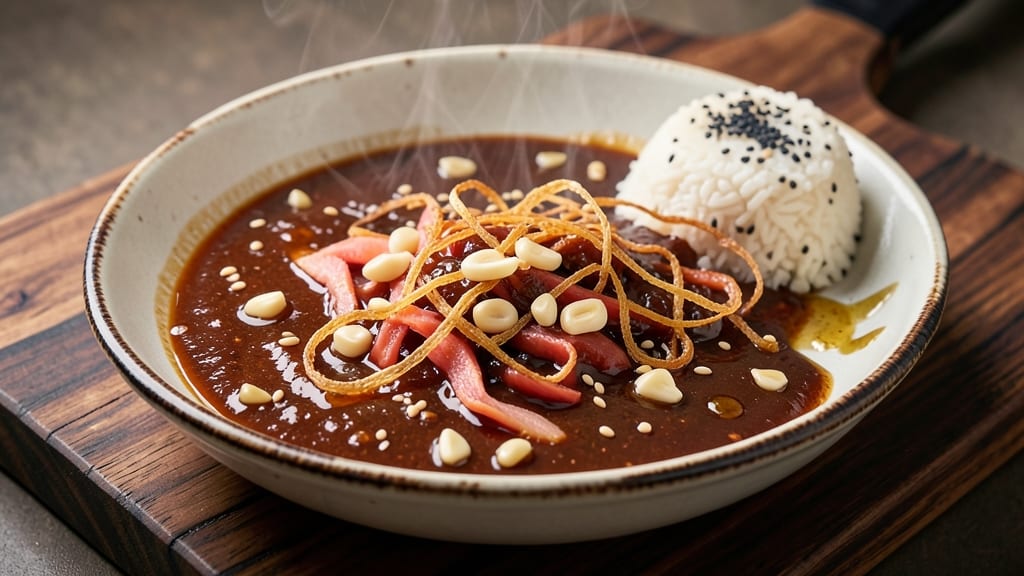
This awesome stir-fry sauce recipe delivers that perfect umami-packed balance of soy, ginger, and garlic that transforms simple stir-fries into restaurant-quality meals. The secret lies in a simple 5-ingredient blend that creates a rich, aromatic sauce with just the right amount of depth and complexity—no complicated techniques required.
What sets this apart is the way fresh ginger and garlic infuse the sauce while simmering, creating layers of flavor that cling to every bite of protein and vegetable.
The sauce comes together in 15 minutes with pantry staples you likely already have: soy sauce, rice vinegar, brown sugar, and a touch of cornstarch for that signature glossy finish.
The beauty of this recipe is its versatility—it works equally well with chicken, beef, tofu, or shrimp, adapting to whatever protein you're cooking. I developed this version after testing dozens of stir-fry sauces, and it consistently delivers that perfect harmony of salty, sweet, and savory notes.
What makes this sauce truly special is how it enhances rather than overpowers your stir-fry. The ginger adds a subtle warmth, the garlic brings aromatic depth, and the soy sauce provides that essential umami foundation.
When you toss it with hot stir-fried ingredients, the sauce clings beautifully, creating a glossy coating that's both flavorful and visually appealing. This isn't just a sauce—it's the secret weapon that elevates any stir-fry from ordinary to extraordinary.
Once you make this sauce, you'll want to keep it on hand for quick weeknight meals. It stores perfectly in the refrigerator for up to 10 days or can be frozen for 3 months, making it ideal for meal prep.
Whether you're cooking for one or feeding a crowd, this sauce delivers consistent, professional-quality results every time. Let's get started on creating your new stir-fry essential!
Ingredients for awesome stir fry sauce
Five simple ingredients transform into the perfect umami-packed stir-fry sauce for restaurant-quality meals.
| Ingredient | Amount | Notes |
|---|---|---|
| Soy Sauce 🍶 | ½ cup | Low-sodium preferred for balance |
| Rice Vinegar 🍶 | ¼ cup | White or seasoned variety |
| Fresh Ginger 🌿 | 2 tbsp | Finely grated, aromatic |
| Garlic Cloves 🧄 | 4 cloves | Minced, fresh preferred |
| Brown Sugar 🍯 | 2 tbsp | Light or dark variety |
| Cornstarch 🌾 | 1 tsp | For glossy finish |
| Sesame Oil 🫒 | 1 tbsp | Toasted, for aroma |
| Water 💧 | ¼ cup | Room temperature |
| Red Pepper Flakes 🌶️ | ½ tsp | Optional, for heat |
| Salt 🧂 | ½ tsp | Adjust to taste |
The ginger and garlic are the flavor powerhouses here. Fresh ginger from the produce section (not the jarred kind) gives that zesty punch, and garlic cloves should be minced right before using—don't skip this part. I always grab the ginger at Whole Foods when I can, but regular grocery store ginger works fine too. For the soy sauce, Kikkoman or La Choy are solid choices, but any good-quality soy sauce will do. The brown sugar adds just enough sweetness to balance the umami—don't substitute white sugar here, it lacks the caramel notes.
No fresh ginger? Ginger powder at half the amount works in a pinch, but you'll lose some depth. Running out of sesame oil? Toasted sesame seeds can replace it, but you'll need about twice as much. The cornstarch is key for that glossy finish—arrowroot powder works too if you're out. Want more heat? Add extra red pepper flakes or a dash of sriracha. The rice vinegar can be swapped for apple cider vinegar if that's what you've got, but it'll have a slightly different tang.
This sauce keeps beautifully—10 days in the fridge or 3 months frozen. I like to freeze it in ice cube trays for easy single-use portions. For meal prep, make a double batch and store it in a sealed jar. The flavors actually get better over time, so don't rush to use it all at once. If it thickens too much, just stir in a splash of water. The sesame oil should be added right before serving to preserve its aroma.
Why You'll Love This Recipe
- Five-Ingredient Magic: I swear by this—just soy sauce, vinegar, ginger, garlic, and brown sugar. No fancy pantry trips, no measuring cups that never fit right. Honestly, I’ve made it while microwaving leftovers in the same room.
- Umami Bomb: That first hit of ginger and garlic sizzling in the pan? It’s like a flavor explosion. The brown sugar cuts through the sharpness, leaving you with something rich but bright—perfect for when you want depth without heaviness.
- Weeknight Workhorse: Slap this on chicken, tofu, or even cold noodles. I’ve used it for quick takeout nights, lazy Sunday lunches, and even drizzled it over grilled fish. Between us, it’s the sauce that makes my freezer meals actually exciting.
- Budget Cheat Code: A splash of soy, a pinch of sugar—this sauce costs pennies but tastes like a restaurant. I’ve stretched a jar of soy sauce for months by making big batches. (Yes, even on a Tuesday night.)
Step-by-step instructions for umami-packed stir fry sauce
This sauce comes together in minutes but delivers restaurant-quality depth every time.
Bloom the Aromatics in a Saucepan
Combine the 2 tablespoons finely grated fresh ginger and 4 minced garlic cloves in a small saucepan over medium heat. Let them cook for 1-2 minutes until fragrant and just beginning to turn golden. This step unlocks their full flavor potential—don't rush it or you'll miss the aromatic depth.
Watch closely as the ginger and garlic cook. You'll know they're ready when the kitchen fills with that warm, spicy aroma and the mixture takes on a light golden hue. This is your signal to move to the next ingredient. If you smell burning, reduce the heat immediately—charred aromatics will make the sauce bitter.
Add Wet Ingredients and Simmer
Pour in the 0.5 cup soy sauce, 0.25 cup rice vinegar, 2 tablespoons brown sugar, and 0.25 cup water. Stir well to combine all ingredients thoroughly. Bring the mixture to a gentle boil over medium-high heat, then immediately reduce to medium-low heat and let it simmer for 5 minutes.
The sauce should reduce slightly during this time, becoming thicker and more concentrated. You'll notice the sugar starts to dissolve, creating a subtle sweetness that balances the savory soy and tangy vinegar. Stir occasionally to prevent sticking—this sauce shouldn't be left unattended as it can burn quickly.
Thicken with Cornstarch Slurry
In a small bowl, whisk together the 1 teaspoon cornstarch with 2 tablespoons cold water until completely dissolved. This creates a smooth slurry that will give your sauce that perfect glossy finish. Pour the slurry into the simmering sauce while stirring constantly.
Continue cooking for another 2-3 minutes until the sauce thickens noticeably. It should coat the back of a spoon smoothly without being gluey. If it thickens too quickly, add 1 tablespoon water at a time until you reach the ideal consistency. The sauce should be thick enough to cling to stir-fried vegetables and meat but still flow easily.
Finish with Flavor Boosters
Remove the sauce from heat and stir in the 1 tablespoon sesame oil, 0.5 teaspoon salt, and 0.5 teaspoon red pepper flakes (if using). The sesame oil adds a nutty aroma that elevates the sauce instantly, while the salt and red pepper flakes balance the flavors perfectly. Let the sauce sit for 2-3 minutes to allow all the ingredients to meld together.
Taste the sauce and adjust the seasoning if needed. You might want to add a pinch more salt if your soy sauce was low-sodium, or a touch more brown sugar if you prefer it sweeter. The sauce should have a perfect balance of sweet, salty, tangy, and umami flavors with just a hint of heat from the red pepper flakes. This is your chance to customize it to your exact taste preferences.
Use Immediately or Store Properly
This sauce is best used immediately on fresh stir-fried vegetables, tofu, or proteins. The high heat of stir-frying will enhance all the flavors even more. If you need to store it, let it cool completely, then transfer to an airtight container and refrigerate for up to 5 days. When reheating, warm it gently over low heat, stirring occasionally, until hot throughout.
For best results, don't reheat the sauce more than once as the cornstarch can break down and make the sauce grainy. If you're making a large batch, consider dividing it into smaller containers before storing. The sauce will keep its vibrant flavors and perfect texture when stored properly, ready to transform any simple stir-fry into a gourmet meal.
Pro Tips For Making Awesome Stir Fry Sauce
- MINCE THAT GINGER: I used to waste half the ginger root by peeling it like an apple—don’t. Just scrub off the skin with a spoon, then slice thinly (1/8-inch) and smash it with the flat side of your knife before adding to the pan. That way, it infuses faster and doesn’t clump like a sad, overcooked mess.
- SAUTÉ GARLIC LOW: Garlic burns in 10 seconds flat, and burnt garlic ruins everything. Cook it on medium-low until just golden (about 1-2 minutes), then pull the pan off the heat for the last 30 seconds while you add the soy sauce. The residual heat finishes it without charring—trust me, your sauce won’t taste like shoe leather.
- DILUTE THE VINEGAR: Straight rice vinegar can turn your sauce harsh. Mix it with equal parts water (or a splash of the pan’s cooking liquid) before adding to the sauce. This balances the acidity and keeps the flavors smooth—no more puckering like you just ate a lemon wedge.
- SWEETEN AT THE END: Brown sugar caramelizes fast and burns just as quick. Toss in the sugar with the vinegar mixture right before turning off the heat—it’ll dissolve instantly and add depth without turning your sauce into a sticky disaster. (Yes, even if you’re impatient like me.)
Essential equipment for perfect results
Saucepan Essentials
Your 10-inch stainless steel saucepan is the workhorse for this recipe. I love using All-Clad's tri-ply stainless because it heats evenly and prevents scorching. If you're on a budget, a Calphalon nonstick saucepan works great too—just use lower heat to avoid sticking.
The saucepan should have medium-high heat control to properly bloom the aromatics without burning them. 🔥
Measuring Tools
Precision matters with stir-fry sauce, so invest in good measuring spoons and a liquid measuring cup. I prefer OXO's good grips for their durability and accuracy. For the cornstarch slurry, a small whisk (like Zyliss 3-in-1) ensures smooth dissolving.
A fine-mesh strainer comes in handy if you prefer your sauce completely smooth—just strain out any ginger fibers after simmering. ✨
Heat Control Tools
An instant-read thermometer (I use ThermoWorks Thermapen) helps monitor your sauce's temperature during simmering. Aim for 180-190°F—this ensures proper thickening without scorching. A wooden spoon (like OXO's bamboo-handled) prevents scratching your saucepan while stirring.
For the sesame oil finishing touch, I keep a small squeeze bottle handy to add it right before serving. 🌡️
Storage Containers
For refrigeration, use glass mason jars (like Ball canning jars) or silicone-lidded containers (such as Rubbermaid Brilliance). These maintain freshness and make portioning easy. For freezing, quart-sized freezer bags (like Ziploc) work best—leave 1-inch headspace for expansion.
I also keep a small ladle (about 2 oz capacity) for easy sauce serving from the fridge. ❄️
Optional Extras
A mortar and pestle (like Kuhn Rikon) comes in handy if you want to grind whole spices for variations. For heat lovers, a mini food processor (such as Cuisinart DLC-5) helps finely mince garlic and ginger faster.
I also keep red pepper flakes and sriracha in small jars for quick heat adjustments. These extras let you customize the sauce to your exact preferences. 🌶️
Nutrition facts
Frequently asked questions
Can I make this stir-fry sauce without fresh ginger?
Yes, but you'll lose some depth of flavor. Use 1 teaspoon ground ginger instead of the 2 tablespoons fresh called for. For best results, toast the ground ginger in a dry pan for 30 seconds to enhance its aroma before adding to the sauce.
How do I adjust the sweetness or spice level?
For more sweetness, add 1 extra tablespoon brown sugar during simmering. For extra heat, increase the red pepper flakes to 1 teaspoon or add 1 teaspoon sriracha at the end. Taste as you go—this sauce is highly customizable!
What's the best way to use leftover sauce?
Store in an airtight container for up to 10 days in the fridge or 3 months frozen. Reheat gently over low heat, stirring constantly. For quick meals, drizzle over noodles, rice bowls, or even grilled proteins. The sauce reheats beautifully!
Can I make this sauce gluten-free?
Simply substitute the soy sauce with tamari or coconut aminos (use the same amount). The flavor profile remains rich and umami-packed while being completely gluten-free. Just ensure your other ingredients are certified gluten-free if needed.
Why did my sauce turn out too thick?
This usually happens if you overcook the cornstarch slurry. Thin with 1 tablespoon water at a time while reheating. For future batches, reduce simmering time to 1-2 minutes after adding the slurry. The sauce should coat the back of a spoon but still flow smoothly.