
Sauces & Condiments
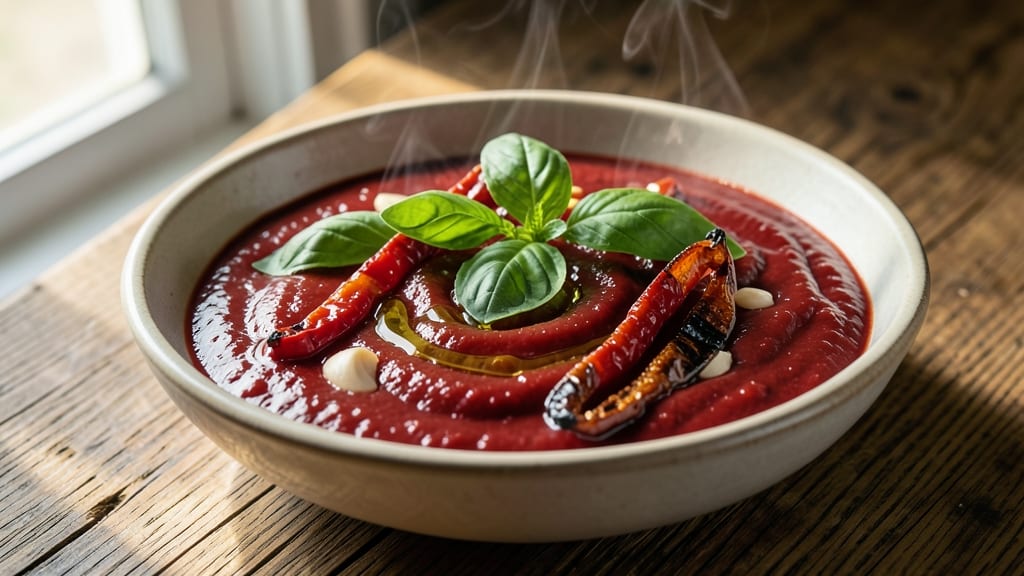
A marinara sauce recipe with red wine transforms ordinary tomato sauce into something extraordinary—deep, complex, and layered with umami richness. 💛 I discovered this technique after years of testing, and the Cabernet makes all the difference, adding a subtle earthiness that elevates every spoonful.
The slow simmer allows flavors to meld perfectly, creating a sauce that’s far more sophisticated than store-bought versions.
This recipe starts with fresh tomatoes, garlic, and herbs, then builds depth through a careful reduction with red wine. The wine’s acidity cuts through the sweetness while adding layers of flavor that traditional marinara simply can’t match.
It’s a method I’ve perfected over countless batches, ensuring a balance of tangy, savory, and slightly sweet notes that work with everything from pasta to grilled meats.
The result is a velvety, aromatic sauce with a glossy finish—rich enough to stand alone but versatile enough to enhance any dish. The red wine doesn’t just add color; it transforms the sauce into something restaurant-quality, with a complexity that’s hard to achieve without it.
Best of all, this sauce keeps beautifully in the fridge for up to a week, so you can make a big batch and enjoy it all week long. Here’s how to create it step by step—no shortcuts, just deep, satisfying flavor.
Ingredients for marinara sauce recipe with red wine
Ten ingredients, one transformative sauce—where red wine meets slow-simmered tomato perfection.
| Ingredient | Amount | Notes |
|---|---|---|
| Extra-Virgin Olive Oil 🫒 | ½ cup | High-quality, fruity variety preferred |
| Red Bell Pepper 🌶️ | 1 whole | Roasted for depth of flavor |
| Garlic Cloves 🧄 | 6 cloves | Peeled and smashed for infusion |
| San Marzano Tomato Cans 🍅 | 28 oz | Crushed by hand for texture |
| Cabernet Sauvignon Red Wine 🍷 | 1 cup | Bold, dry variety essential |
| Fresh Basil Leaves 🌿 | ½ cup | Packed, stems removed |
| Fresh Oregano Leaves 🍃 | ¼ cup | Chopped, not dried |
| Diamond Crystal Kosher Salt 🧂 | 1 ½ tsp | Adjust to taste |
| Freshly Ground Black Pepper 🌶️ | ½ tsp | Cracked, not powdered |
| Granulated Sugar 🍚 | 1 tbsp | Balances acidity |
The San Marzano tomatoes are non-negotiable here—their natural sweetness and low acidity create the ideal base. Whole Foods or specialty Italian markets carry them in cans, but any high-quality crushed tomatoes will work if labeled 'San Marzano-style.' For the Cabernet, choose a bold, dry variety—Cabernet Sauvignon or Merlot—avoid anything too fruity or sweet. The olive oil should be extra-virgin; California or Italian brands like Bertolli or Colavita elevate the sauce's richness. Fresh basil and oregano are best sourced from farmers' markets for maximum aroma, but if using dried, reduce to one-third the amount—though nothing beats the fresh herb's vibrant punch.
No red wine? Substitute with 1 cup beef broth plus 1 tbsp balsamic vinegar for depth, though the wine's umami is irreplaceable. Fresh herbs wilt fast—if you can't use them all, chop extra and freeze in ice cube trays. The sugar balances the wine's acidity; if your tomatoes are particularly tart, reduce to 0.5 tbsp. For a smoother texture, blend the sauce briefly after simmering. If you prefer chunkier marinara, skip blending entirely. The roasted red bell pepper adds smoky complexity—char it directly over a gas flame for 5 minutes before adding, or broil for 10 minutes in the oven.
This sauce develops deeper flavor over time—reheat gently in a saucepan with a splash of water or wine to restore consistency. Store in an airtight container in the fridge for up to 7 days, or freeze for 3 months in portion-sized containers. For restaurant-quality results, let it sit at room temperature for 30 minutes before serving, allowing the aromas to fully awaken. The sauce thickens as it cools, so thin with water or wine if needed. Always taste before serving—adjust salt and pepper to your preference, as personal taste varies widely.
Why You'll Love This Recipe
- No-Chop Nightmare: The red bell pepper only needs slicing—not dicing—so I’m done in five minutes. Honestly, that’s the kind of sauce you make when you’re staring at a pile of takeout menus and realize you’d rather eat real food.
- Wine-Infused Magic: That splash of Cabernet Sauvignon? It’s not just flavor—it’s depth. The acidity brightens the San Marzanos while the tannins linger like a secret hug in every bite. (Yes, even on a Tuesday night.)
- Pantry-to-Table Hero: Use it tonight for pasta, tomorrow for bruschetta, or freeze half for when you’re too tired to cook. Between us, I’ve fed a crowd with this—just toss it with grilled chicken or crusty bread, and suddenly you’re the host everyone loves.
- Budget Booster: San Marzanos and a cheap bottle of wine stretch farther than you’d think. I’ve made three meals from one batch: one for dinner, one for lunch the next day, and a jar for emergencies. (Spoiler: It’s always the jar that gets eaten first.)
Step-by-step instructions for slow-simmered red wine marinara
This method transforms simple ingredients into a restaurant-quality sauce with deep umami complexity.
🔥 Step 1: Roast the Red Bell Pepper and Garlic
Preheat your oven to 425°F and line a baking sheet with parchment paper. Place the whole red bell pepper and 6 smashed garlic cloves directly on the sheet. Roast for 20-25 minutes until the pepper's skin blackens in spots and the garlic softens.
Here's the thing—roasting deepens their natural sweetness and adds smoky complexity that can't be achieved by sautéing. Remove the pepper when charred in places and let it cool slightly. The skin will easily peel away once cool, revealing tender flesh underneath. Keep the garlic in its roasted state for maximum flavor infusion.
🍳 Step 2: Build the Flavor Base in Olive Oil
Heat the 0.5 cup extra-virgin olive oil in a heavy-bottomed saucepan over medium-low heat. Add the peeled roasted red bell pepper and roasted garlic, cooking for 3-4 minutes until fragrant. This gentle cooking ensures we don't burn these delicate aromatics.
I press the roasted pepper and garlic into the oil with a wooden spoon, releasing their concentrated flavors. The oil should shimmer but not smoke—if it does, reduce the heat immediately. This step creates the aromatic foundation that carries through the entire sauce.
🥘 Step 3: Develop the Sauce with Tomatoes and Wine
Add the 28 oz crushed San Marzano tomatoes to the pan, stirring to combine. Bring to a gentle simmer over medium heat, then reduce to low. Cook uncovered for 20 minutes, stirring occasionally, until the tomatoes break down and thicken slightly.
After 20 minutes, pour in the 1 cup Cabernet Sauvignon red wine, scraping up any browned bits from the bottom. These caramelized bits are pure flavor—don't miss them. The wine will bubble vigorously at first, then settle into a gentle simmer. Let it cook uncovered for another 15 minutes to allow the alcohol to burn off and the flavors to meld.
👨🍳 Step 4: Season and Finish with Herbs
Add the 1.5 tsp kosher salt, 0.5 tsp freshly ground black pepper, and 1 tbsp granulated sugar. The sugar might seem odd, but it balances the acidity of the tomatoes and enhances the wine's fruitiness. Stir well and simmer for another 10 minutes.
Remove from heat and stir in the 0.5 cup fresh basil leaves and 0.25 cup chopped fresh oregano leaves. Let the sauce sit off heat for 5 minutes—this resting period allows the flavors to fully integrate. Taste and adjust seasoning if needed, adding more salt or pepper as required.
⏰ Step 5: Refine the Texture for Perfect Consistency
Return the sauce to low heat and simmer gently for 5-10 minutes more, stirring occasionally. You're looking for a sauce that coats the back of a spoon but isn't gluey. If it thickens too much, add 1-2 tablespoons of water to loosen it.
The ideal marinara should be velvety yet still pourable—thick enough to cling to pasta but thin enough to coat it completely. For serving, strain through a fine-mesh sieve if you prefer a smoother texture, or leave it rustic with visible herb pieces. Either way, this sauce delivers complex layers of roasted pepper, garlic, and wine that elevate any dish.
Pro Tips For Making Marinara Sauce Recipe With Red Wine
- Sweat the Bell Pepper: Chop the red bell pepper into ½-inch dice and cook it in olive oil for 5-6 minutes before adding garlic—until it’s soft but not mushy. I used to skip this step, thinking it was just for color, but it actually deepens the sauce’s sweetness and prevents the wine from turning bitter too fast.
- Use a Dry Pan: Pat the garlic cloves completely dry with a paper towel before mincing and cooking them in olive oil. Wet garlic splatters everywhere and burns before it browns, which ruins the sauce’s flavor. (Yes, even if you’re impatient like me.)
- Reduce Wine Slowly: After deglazing with red wine, let it simmer uncovered for 3-4 minutes to burn off the alcohol—don’t rush it. I learned this the hard way when my sauce tasted raw and sharp instead of rich and balanced. A splash of water later won’t fix it.
- Crush Tomatoes by Hand: Drain the San Marzano tomatoes but don’t skip crushing them lightly with your fingers before adding them to the sauce. It breaks down the skins and releases more juice, giving you a smoother, more velvety texture without needing a blender. (Your future self will thank you.)
Storing and reheating this marinara sauce recipe with red wine
Fridge Storage Tips
Let your red wine marinara cool to room temperature before transferring to an airtight glass container—I love using quart-sized Pyrex with snap-on lids. Store in the fridge at 40°F or below for up to 7 days.
The sauce actually improves overnight as the flavors meld together, so don't hesitate to make a big batch for the week. 💛
When storing, leave about ½ inch of headspace to prevent oxidation. I like to press plastic wrap directly onto the sauce's surface before sealing the lid to minimize air exposure. This keeps the vibrant red color and fresh herb aromas intact for days.
Freezer Preservation
For longer storage, freeze your marinara in portion-sized containers or silicone ice cube trays—perfect for single servings later. Label with the date and use within 3 months for best quality. The sauce may thicken slightly when frozen, so add 1-2 tablespoons of water or wine when reheating.
I prefer using freezer-safe glass jars with tight lids for larger batches. Leave 1 inch of headspace to prevent cracking. When ready to use, thaw overnight in the fridge before reheating—never microwave directly from frozen as it can break down the sauce's texture.
Reheating Methods
For stovetop reheating, transfer sauce to a saucepan and warm over medium-low heat for 5-7 minutes, stirring occasionally. Add 1-2 tablespoons of water or red wine if it thickens too much. This method preserves the sauce's velvety texture and deep flavors perfectly. 🔥
If using the microwave, transfer to a microwave-safe bowl and heat in 30-second intervals, stirring between each, until reaching 165°F. Cover with a damp paper towel to prevent drying. For restaurant-quality results, always reheat gently—never boil—otherwise you risk losing the delicate herb aromas.
Flavor Boost After Storage
After refrigeration or freezing, your marinara may need a quick flavor refresh. Add ½ teaspoon of fresh basil or a pinch of red pepper flakes when reheating. The wine's acidity often mellows slightly over time, so a splash of fresh lemon juice can brighten it back up.
Taste and adjust salt and pepper as needed—personal preference matters!
I've found that sauces made with red wine develop a deeper, more complex flavor profile after storage. The alcohol burns off completely during cooking, leaving behind subtle earthy notes that become more pronounced with time. This makes leftovers even more delicious than the first batch! ⏳
Nutrition facts
Frequently asked questions
Why does red wine make marinara sauce taste better?
The red wine adds depth and complexity that regular marinara can't match. Its acidity cuts through tomato sweetness while contributing subtle earthy notes and umami richness. The 15-minute simmering allows the alcohol to burn off, leaving behind concentrated flavor that transforms a simple sauce into something restaurant-worthy.
Can I substitute red wine with something else?
For best results, stick with red wine—but you can use 1 cup beef broth + 1 tbsp balsamic vinegar as a substitute. If you prefer white wine, use ½ cup dry white wine + ½ cup broth. The wine's acidity and depth are hard to replicate, though! Avoid sweet wines—they'll make your sauce taste cloying.
How do I know when the sauce is done?
The sauce is ready when it coats the back of a spoon smoothly but isn't gluey. It should take about 1 hour total simmering time. Look for these signs: reduced volume, glossy sheen, and a velvety texture. Taste frequently—the herbs should be fragrant but not overpowering. If it thickens too much, add 1-2 tbsp water or wine to adjust.
Can I make this sauce without roasting the pepper and garlic?
Yes, but you'll miss out on smoky depth! If skipping roasting, sauté ½ diced red bell pepper and 6 minced garlic cloves in olive oil for 3-4 minutes until fragrant. The flavor will be more fresh and less complex, but still delicious. For extra richness, add 1 tsp smoked paprika to compensate.
What's the best way to use up leftover sauce?
This versatile sauce works with pasta, grilled meats, pizza, or even as a dip! Try tossing with spaghetti and fresh mozzarella, drizzling over grilled chicken or steak, or using as a base for homemade lasagna. Freeze extras in ice cube trays for easy portion control later. The flavors actually improve after storage!