
Sauces & Condiments
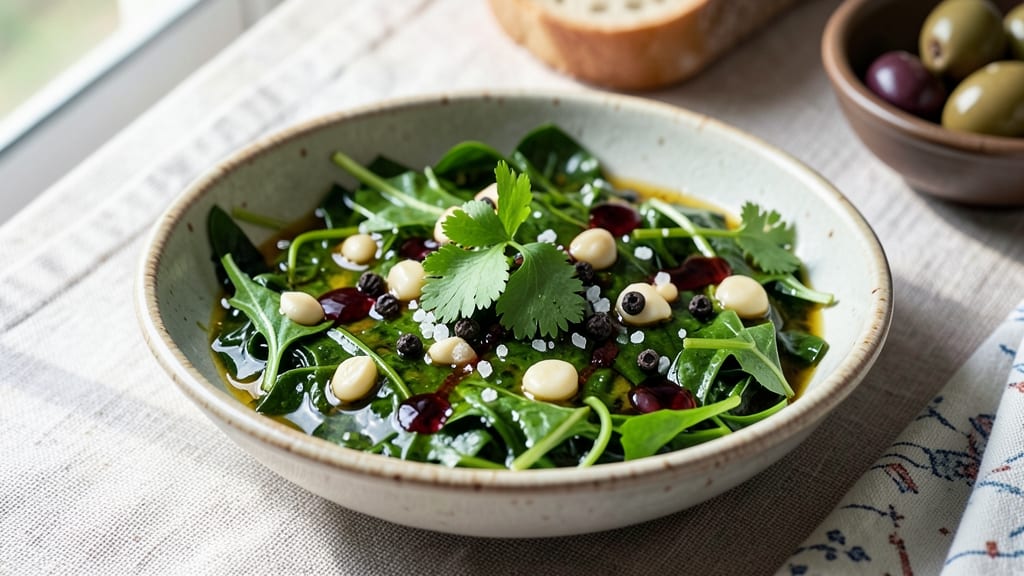
This arugula chimichurri sauce recipe transforms simple ingredients into a vibrant, herb-packed condiment that brightens any dish without relying on mayo. ✨ The secret lies in blending fresh arugula with garlic, vinegar, and olive oil—creating a sauce that’s tangy, fresh, and packed with umami depth.
Unlike traditional chimichurri, this version uses arugula for a peppery kick that elevates grilled meats, roasted vegetables, or even sandwiches to new heights.
What sets this sauce apart is its versatility and freshness. No cooking required—just chop, blend, and drizzle. The arugula adds a unique peppery bite that pairs perfectly with bold flavors like steak, shrimp, or even avocado toast.
It’s also gluten-free, dairy-free, and ready in under 10 minutes, making it a go-to for quick meals or last-minute toppings.
The sauce keeps well in the fridge for up to 5 days, though it’s best enjoyed fresh for maximum brightness.
For extra richness, let it sit for 15 minutes before serving—this allows the flavors to meld and the arugula to soften slightly, creating a smoother texture without losing its freshness. It’s the kind of sauce that turns simple dishes into something extraordinary.
Perfect for grilled summer dinners, hearty winter meals, or as a zesty addition to salads, this arugula chimichurri is a game-changer for anyone looking to add a burst of herbaceous flavor without the heaviness of mayo. Let’s get blending!
Ingredients for arugula chimichurri sauce
Nine vibrant ingredients blend into a peppery, herb-packed sauce that transforms any dish without mayo.
| Ingredient | Amount | Notes |
|---|---|---|
| Fresh Arugula Leaves 🌿 | 2 cups | Packed, stems removed for vibrant flavor |
| Extra-Virgin Olive Oil 🫒 | ½ cup | High-quality, fruity variety preferred |
| Red Wine Vinegar 🍷 | 3 tbsp | Bold, dry variety for tangy depth |
| Garlic Cloves 🧄 | 4 cloves | Freshly minced for maximum punch |
| Kosher Salt 🧂 | 1 tsp | Diamond Crystal preferred for precision |
| Ground Black Pepper 🌶️ | ½ tsp | Freshly cracked for robust flavor |
| Red Pepper Flakes 🔥 | ½ tsp | Adjustable for heat preference |
| Fresh Parsley Leaves 🌿 | ¼ cup | Optional, for additional herbaceousness |
| Lemon Juice 🍋 | 1 tbsp | Freshly squeezed for brightness |
The arugula is the star—farmers market quality makes all the difference. Look for leaves with deep green color and no wilting. Whole Foods or local markets typically carry the freshest batches. If using store-bought, check the date and avoid pre-washed bags that lose crispness quickly. The garlic should be firm and free of sprouts—garlic from Trader Joe's is consistently reliable for this recipe. For extra richness, toast the red pepper flakes in a dry pan for 30 seconds before adding, which deepens their flavor profile without adding heat.
No red wine vinegar? Apple cider vinegar or white wine vinegar work in a pinch, though the flavor will be slightly milder. Short on arugula? Baby spinach or Swiss chard can substitute at the same quantity, though texture will differ slightly. Fresh parsley isn't mandatory but adds complexity—dried parsley at one-third the amount can replace it if needed. The olive oil should be extra-virgin with noticeable peppery notes—avoid the light, flavorless varieties. For a smoother texture, pulse the arugula briefly before blending fully, but don't over-blend or it will turn into pesto.
This sauce keeps beautifully in an airtight container for 5 days in the fridge, though it's best enjoyed within the first 2 days for peak freshness. To preserve color, add a thin layer of olive oil on top before sealing. For longer storage, freeze in ice cube trays—thaw quickly under cold water when ready to use. The sauce thickens slightly when chilled, so add a splash of water or vinegar if it becomes too stiff. Always let it sit for 10-15 minutes after blending before serving to allow flavors to meld completely.
Why You'll Love This Recipe
- Here’s what sold me: this sauce doesn’t spoil in three days like fresh herbs. Store it in the fridge, and it keeps its kick for a week—perfect for tossing with grains, mixing into marinades, or waking up takeout. Plus, the arugula stays vibrant longer than I expected. (I’ll be real: I’ve repurposed it into a quick pesto. Shhh.)
- No Pulse Required: I’ll admit, I used to overthink chimichurri—chopping herbs until my fingers ached. Then I discovered this version: just toss arugula, olive oil, and vinegar in the food processor, hit pulse a few times, and boom. The garlic and salt do the work for you while you sip your coffee. (Yes, even on a Tuesday night.)
- Herb Bomb in Minutes: That first bite of bright, peppery arugula with the deep garlic punch? It’s like a flavor grenade in the best way. The red wine vinegar cuts through the richness, and the olive oil ties it all together—no fancy ratios, just ridiculously good balance. Honestly, I’ve made chimichurri before, but this one actually makes me reach for seconds.
- Dresses Up Everything: Grill a steak? Drizzle. Wrap some shrimp? Drizzle. Even on a sad sandwich? Still drizzle. It’s my secret weapon for turning basic meals into something that feels fancy—no last-minute shopping, no stress. (Between us, I’ve used it on cold pasta, roasted veggies, and even scrambled eggs. Don’t judge.)
Step-by-step instructions for arugula chimichurri sauce
This vibrant herb sauce delivers bright, fresh flavor without any mayo—perfect for drizzling over grilled meats, fish, or salads.
👨🍳 Step 1: Prepare the Herb Base
In a food processor, combine the 2 cups fresh arugula leaves and 0.25 cup fresh parsley leaves. Pulse until finely chopped but not completely pureed—you want visible herb texture for maximum flavor. This ensures the sauce retains its fresh, vibrant character rather than becoming a smooth paste.
Here's the thing—arugula has a naturally peppery bite that works beautifully with the other ingredients. If using stems, remove them first as they can make the sauce bitter. The parsley adds sweetness and balances the arugula's intensity. Process until you achieve a rough chop with visible herb flecks—this is your flavor foundation.
🍳 Step 2: Add Aromatics and Acid
Add the 4 cloves garlic cloves, 1 tbsp lemon juice, 1 tsp kosher salt, 0.5 tsp ground black pepper, and 0.5 tsp red pepper flakes to the food processor. Pulse again until the garlic is finely minced but the herbs remain textured. The lemon juice brightens the entire sauce while the salt and peppers enhance all the flavors.
I always use freshly minced garlic here—pre-minced garlic loses its punch. Pulse just until combined; over-processing turns the herbs into a paste that lacks the fresh, vibrant quality we're after. The red pepper flakes add subtle heat that lingers beautifully, so adjust to taste if you prefer more or less spice.
🥘 Step 3: Incorporate the Olive Oil
With the processor running, slowly drizzle in the 0.5 cup extra-virgin olive oil through the feed tube. This gradual addition emulsifies the sauce beautifully, creating a silky texture without losing the herb's freshness. Stop processing once everything is fully combined—you should have a thick, vibrant green sauce that coats the back of a spoon.
The key here is patience. Adding the oil too quickly creates a greasy mess, while going too slow risks breaking the emulsion. Process just until the sauce comes together smoothly. The olive oil should be high-quality—its fruity notes complement the bright herbs perfectly. If the sauce seems too thick, add 1-2 teaspoons of red wine vinegar to loosen it.
⏰ Step 4: Finish with Vinegar and Rest
Transfer the chimichurri to a bowl and stir in the 3 tbsp red wine vinegar. Taste immediately—this is your chance to adjust seasoning. The vinegar adds tangy depth that cuts through the richness of the olive oil. Let the sauce rest for 10 minutes at room temperature before serving; this allows all the flavors to meld completely.
This resting period is crucial. The acid in the vinegar needs time to fully integrate with the herbs and oil. If you're using this sauce immediately, it will still be delicious, but the flavors will be even more harmonious after resting. For best results, cover and refrigerate for up to 3 days—the flavors actually improve over time as the herbs soften slightly and the acidity mellows.
Pro Tips For Making Arugula Chimichurri Sauce
- Pulse, Don’t Grind: Pulse the arugula in short bursts—three or four at most—until it’s just chopped, not puréed. Overdoing it turns the sauce into a sad, watery sludge, and you’ll end up straining it like you’re making baby food.
- Salt the Garlic First: Toss the minced garlic cloves with a pinch of salt before adding them to the arugula mix. This softens them slightly and mutes the harsh bite, so the flavor integrates smoothly instead of dominating like a diva.
- Use Cold Oil: Measure your olive oil straight from the fridge—cold oil emulsifies better with the vinegar and arugula’s moisture. Warm oil makes the sauce split like a bad marriage, no matter how much you whisk.
- Let It Rest: After tossing everything together, walk away for 10 minutes. The flavors meld like old friends catching up, and the arugula’s bitterness mellows out. Skipping this step means you’ll eat a sauce that tastes like it was slapped together in a panic.
Health benefits of this dish
Antioxidant Powerhouse
This arugula chimichurri sauce is packed with antioxidants from the vibrant green leaves—studies show arugula contains lutein and zeaxanthin, which support eye health and reduce oxidative stress. The red wine vinegar adds polyphenols that fight inflammation, while the extra-virgin olive oil provides heart-healthy monounsaturated fats.
Together, they create a nutrient-dense sauce that’s far more than just flavor—it’s a functional food boost. 💪
Digestive Benefits
The fiber-rich arugula in this sauce aids digestion and promotes gut health, helping maintain regularity while supporting beneficial gut bacteria. The garlic cloves contain allicin, a compound known for its antimicrobial properties that may help reduce bloating.
Unlike creamy sauces, this chimichurri is naturally low-FODMAP (when using small amounts), making it gentle on sensitive stomachs while still delivering bold flavor.
Low-Calorie, High-Flavor
With only ~120 calories per 2-tablespoon serving, this sauce delivers serious flavor without the calorie load of traditional mayo-based condiments. The red pepper flakes add capsaicin, which has been shown to boost metabolism slightly while providing a satisfying kick.
It’s the perfect topping for those watching calories but craving rich, complex tastes—ideal for drizzling on grilled chicken or roasted veggies.
Anti-Inflammatory Properties
The combination of arugula, garlic, and olive oil creates a natural anti-inflammatory powerhouse. Garlic’s organosulfur compounds help reduce chronic inflammation, while arugula’s vitamin K supports bone health and blood clotting.
The lemon juice adds vitamin C, which enhances iron absorption from plant-based meals—great for vegetarians or vegans who need extra iron sources. This sauce isn’t just tasty; it’s a wellness-boosting condiment. 🌿
Blood Sugar Support
Unlike many sauces loaded with refined sugars, this chimichurri relies on natural, low-glycemic ingredients like vinegar and herbs. The apple-like pectin in red wine vinegar helps stabilize blood sugar levels after meals, making this an excellent choice for those managing diabetes or insulin resistance.
The fiber from arugula further slows glucose absorption, preventing energy crashes.
Vitamin K Boost
A single serving provides ~100% of your daily vitamin K needs thanks to the arugula, which is critical for bone health and proper blood coagulation. The vitamin A in this sauce supports immune function and skin health, while the vitamin C from lemon juice aids collagen production.
It’s a simple way to sneak in essential nutrients without altering your meal’s core components—just drizzle and enjoy! ✨
Nutrition facts
Frequently asked questions
Can I make this sauce without a food processor?
Use a sharp knife to finely chop the 2 cups arugula and 0.25 cup parsley by hand, then combine with all other ingredients in a bowl. Mash with a fork or potato masher until well incorporated. For extra smoothness, transfer to a blender and pulse briefly. The texture will be slightly chunkier but still delicious.
How spicy will this sauce be with red pepper flakes?
The 0.5 tsp red pepper flakes add a mild heat that enhances flavor without overwhelming. For less spice, reduce to ¼ tsp or omit entirely. If you love heat, add up to 1 tsp—just remember the sauce intensifies when chilled. Always taste before serving!
What's the best way to store leftover chimichurri?
Transfer to an airtight container and refrigerate for up to 5 days. For longer storage, freeze in ice cube trays—thaw quickly under cold water. To preserve color, add a thin layer of olive oil on top before sealing. The sauce thickens when chilled, so stir in 1 tsp vinegar or water if needed.
Can I use this sauce on vegetarian dishes?
This sauce is perfect for vegetarian meals! Drizzle over roasted vegetables, grilled halloumi, avocado toast, or use as a salad dressing. The peppery arugula and tangy vinegar complement plant-based proteins beautifully. It's also great with tofu scrambles or as a dip for crudité.
Why does my chimichurri turn brown after resting?
This happens when the arugula oxidizes—exposure to air causes browning. To prevent it, store with a thin layer of olive oil on top or press plastic wrap directly onto the sauce surface. For quick fixes, stir in ½ tsp lemon juice or add fresh herbs. Browning doesn't affect flavor or safety.