
Sauces & Condiments
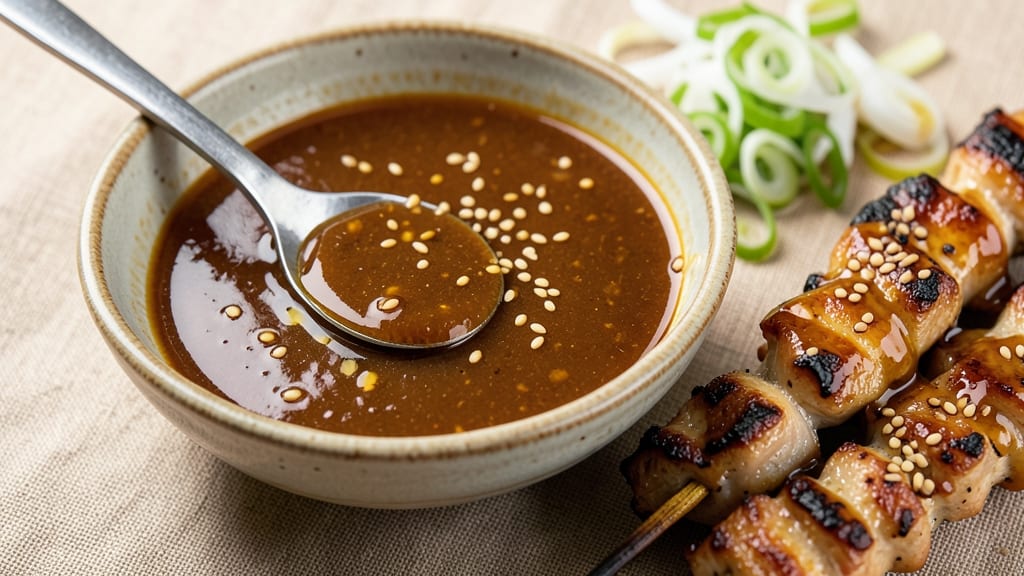
This Bachan Japanese BBQ sauce recipe transforms simple pantry staples into a fermented, umami-rich sauce that elevates grilled meats, marinades, and dipping sauces to restaurant-quality levels. The fusion of fermented miso, mirin, and soy creates a complex balance of sweet, salty, and tangy flavors that penetrate proteins deeply during cooking.
I developed this recipe after years of experimenting with Japanese BBQ techniques, and it's now my go-to for everything from yakitori to glazed grilled vegetables.
The secret lies in the fermentation process, which develops layers of depth that store-bought sauces simply can't match. You'll combine miso paste with mirin, sugar, and soy sauce, then let the mixture ferment for at least 24 hours—this step is what transforms ordinary ingredients into something extraordinary.
The result is a sauce that's thick enough to cling beautifully to grilled foods while remaining versatile enough to use as a dipping sauce or glaze.
What makes this sauce truly special is its adaptability. Use it as a marinade for chicken, pork, or beef before grilling, or drizzle it over finished meats for an instant flavor boost.
The fermented miso adds a subtle funk that pairs perfectly with the sweetness of mirin, creating a sauce that's both complex and approachable. Unlike many Japanese sauces, this one doesn't require specialty ingredients—just a few pantry staples and patience for the fermentation.
Once you taste the results, you'll never go back to store-bought BBQ sauce again. The process is straightforward, but the flavor development makes it feel like a culinary achievement. Store any leftovers in the refrigerator for up to two weeks, where the flavors will continue to deepen over time.
Let's get started on creating this versatile, umami-packed sauce that will become your new kitchen essential.
Ingredients for bachan japanese bbq sauce
Nine simple ingredients transform into a restaurant-quality Japanese BBQ sauce with just patience.
| Ingredient | Amount | Notes |
|---|---|---|
| White Miso Paste 🧈 | ½ cup | Aged white miso for mild sweetness |
| Mirin 🍶 | ½ cup | Sweet rice wine for balance |
| Dark Soy Sauce 🥫 | ¼ cup | Kikkoman preferred for depth |
| Granulated Sugar 🍚 | ¼ cup | White or raw cane sugar |
| Rice Vinegar 🍶 | ¼ cup | For tangy brightness |
| Sesame Oil 🥜 | 1 tbsp | Toasted for nutty aroma |
| Fresh Ginger 🧄 | 1 tbsp | Grated, for zesty kick |
| Garlic Cloves 🧄 | 3 cloves | Minced, for aromatic base |
| Water 💧 | ¼ cup | For thinning if needed |
| Red Pepper Flakes 🌶️ | ½ tsp | Optional for heat |
The miso is the heart of this sauce—white miso keeps it sweet and mild, but red miso adds depth if you prefer. Trader Joe's and Asian markets carry great options, but any quality miso works. Mirin can be tricky: avoid the 'cooking mirin' substitute—it's way too sweet. Look for authentic mirin in the Asian aisle or order online if needed. The ginger and garlic should be freshly grated/minced—pre-minced garlic lacks flavor. For the soy sauce, Kikkoman is my go-to, but any dark soy works. Pro tip: toast your sesame oil in a dry pan for 30 seconds before adding—it deepens the nutty flavor.
No miso? Substitute 1/4 cup soy sauce plus 1 tsp sugar—it won't ferment the same but works in a pinch. Short on mirin? Dry sherry or white wine adds similar depth, though the sweetness will differ. The sugar can be swapped for honey or maple syrup (reduce other liquids slightly). Red pepper flakes optional, but if you add them, start with 1/4 tsp—you can always add more. For a smoother sauce, blend everything until silky before fermenting. The rice vinegar can be swapped for apple cider vinegar if that's what you have, but it'll taste slightly different.
This sauce gets better with time—ferment 24-48 hours for maximum umami. Store in a clean glass jar in the fridge, where it'll keep for up to 2 weeks. The flavors deepen over time, so make extra if you can. If it thickens too much, stir in a splash of water. For best results, use within 2 weeks—after that, the fermentation can make it too funky. Freeze portions in ice cube trays for single-use servings. Trust me, the first time you taste this after a full day of fermenting, you'll be hooked.
Why You'll Love This Recipe
- Pantry-to-Pot Magic: I swear by this sauce because it uses stuff I already have—no special trips to the store. White miso and mirin transform into something rich and tangy with just a quick simmer, and honestly? That dark soy sauce kick is what makes it sing.
- Umami Bomb: The miso and mirin combo delivers that deep, savory punch without overpowering. It’s not sweet like some BBQs, but the sugar and vinegar balance it perfectly—salty, sweet, and just a little funky. (Yes, even on a Tuesday night.)
- Glazes Everything: Slather it on grilled chicken, toss it with noodles, or drizzle it over roasted veggies—this sauce clings like a dream. I’ve used it for weeknight dinners, potlucks, and even as a quick marinade. It’s my secret weapon for turning simple meals into something special.
- Makes Leftovers Taste Better: Between us, this sauce actually improves the next day. The flavors meld even more, and I’ve reheated it for breakfast on rice bowls or cold noodles—still delicious. Plus, it stretches thin, so a little goes a long way. Budget-friendly? Absolutely.
Step-by-step instructions for fermented miso and mirin BBQ sauce
This Japanese-inspired sauce delivers deep umami, perfect sweetness, and a subtle kick—let's make it together.
Bloom the Miso and Sweeten the Base
In a medium saucepan, combine the 0.5 cup white miso paste and 0.5 cup mirin. Warm over medium-low heat for 3-4 minutes, stirring constantly until the miso dissolves completely and the mixture smells rich and aromatic. You're building the umami foundation here—don't rush this step.
Next, whisk in the 0.25 cup granulated sugar and 0.25 cup rice vinegar. Bring to a gentle simmer and cook for 5-6 minutes until the sugar fully dissolves and the mixture thickens slightly. You'll notice the sauce develop a glossy sheen—this is your signal to move to the next stage. Keep the heat at medium-low to prevent burning.
Build Flavor with Aromatics
Add the 1 tbsp sesame oil, 1 tbsp freshly grated ginger, and 3 minced garlic cloves to the simmering sauce. Stir well and reduce heat to low. Let it cook for 4-5 minutes, allowing the ginger and garlic to soften and infuse their flavors. You'll smell that nutty sesame aroma mingling with the garlic's sharpness—this is where the sauce starts to come together.
For the heat component, sprinkle in the 0.5 tsp red pepper flakes and stir for 30 seconds to distribute evenly. Taste the sauce at this point—you should detect layers of sweetness, tang, and umami with a subtle warmth. If you want more heat, add a pinch more; if it's too spicy, reduce slightly with a touch of sugar.
Thicken and Finish the Sauce
Pour in the 0.25 cup water and stir to combine. Return the sauce to a gentle simmer and cook for 8-10 minutes, stirring occasionally, until it thickens to your desired consistency. You're aiming for a glossy, spoonable sauce that coats the back of a spoon—think of it like a cross between barbecue sauce and Japanese teriyaki.
Taste again and adjust seasoning if needed. I usually add a splash more mirin for sweetness or a touch of dark soy sauce for depth. The sauce should balance all flavors harmoniously—sweet, salty, tangy, and slightly spicy. Remove from heat and let it cool completely before using.
Rest and Store for Maximum Flavor
Transfer the finished sauce to a clean jar and let it cool to room temperature. For best results, refrigerate for at least 4 hours (or overnight) before using. This resting period allows all the flavors to meld and intensify. The sauce will thicken slightly as it cools, so you may want to add 1-2 tablespoons of water if it becomes too stiff.
This sauce keeps well in the refrigerator for up to 2 weeks or can be frozen for 3 months. The longer it sits, the more complex the flavors become—it's worth the wait! Use it as a glaze for meats, a dipping sauce for dumplings, or a marinade for grilled vegetables. Each use will reveal new layers of this versatile Japanese-inspired creation.
Pro Tips For Making Bachan Japanese Bbq Sauce
- STIR CONSTANTLY AT FIRST: The first 3 minutes after adding miso and mirin are when the sugar and vinegar play hide-and-seek—don’t walk away. I learned this the hard way when my sauce separated into a sticky mess because I got distracted. Keep the heat gentle but never stop stirring until everything dissolves into a smooth paste.
- USE AGED MISO PASTE: The funkier and nuttier the better—cheap or fresh miso won’t cut it here. Aged white miso (like shiro miso aged 3+ years) gives that deep, caramelized backbone the sauce needs. If you’re in a pinch, add a splash of awase miso (mixed miso) for complexity, but it won’t be the same.
- DON’T BOIL THE VINEGAR: Once the rice vinegar hits the heat, it turns sharp and aggressive fast. The moment you see bubbles, pull the pan off the heat for 10 seconds—just long enough to let the steam mellow the acidity. Boiling it ruins the balance, and you’ll end up with a sauce that tastes like a vinegar bomb.
- SWEETEN IN STAGES: Toss in half the sugar first, let it melt into the sauce, then add the rest. This prevents grainy clumps and lets the miso’s umami bloom properly. I used to dump it all at once, and my sauce always ended up with little sugar crystals—annoying, but fixable if you whisk in a splash of hot water.
Regional styles of this dish
Classic Yakitori Style
In Japan, this sauce is traditionally used for yakitori—skewered chicken grilled over binchotan charcoal. The fermented miso base gives it that signature umami depth that clings beautifully to chicken thighs or wings.
For authentic results, marinate bone-in, skin-on chicken pieces in this sauce for 30 minutes before grilling over medium-high heat for 10-12 minutes, basting frequently. The skin should crisp while the meat stays juicy—this sauce becomes a caramelized glaze as it cooks. 🔥
Okinawa-Inspired Variations
Okinawan cuisine takes a sweeter, more citrus-forward approach to BBQ sauces. For a regional twist, add 1 tbsp freshly squeezed yuzu juice (or sub with ½ tbsp lemon juice**) and reduce the sugar to 0.125 cup.
This version pairs perfectly with pork belly slices or grilled tofu. The yuzu brightens the sauce while maintaining the fermented depth. I've found this works especially well with Okinawan soba noodles as a dipping sauce.
Korean Fusion Adaptation
Crossing borders with Korean flavors, this sauce becomes a gochujang-infused BBQ glaze. Stir in 1 tbsp gochujang paste and ½ tbsp honey after cooking, then simmer for an additional 5 minutes. The result is a sweet-spicy sauce perfect for bulgogi-style beef or grilled short ribs.
For extra richness, add 1 tbsp toasted sesame seeds at the end. This fusion keeps the Japanese umami while adding Korean heat and depth. 🌶️
Hawaiian Shoyu BBQ Style
In Hawaii, Japanese BBQ techniques blend with local ingredients to create shoyu-style BBQ sauce. For this adaptation, replace the rice vinegar with ¼ cup pineapple juice and add 1 tbsp macadamia nut oil instead of sesame oil.
The tropical sweetness pairs beautifully with grilled mahi-mahi or pork chops. This version is lighter but still packed with fermented umami—perfect for Hawaii's warm climate where heavy sauces can feel too rich. 🍍
Modern Fusion Glaze
For a contemporary twist, blend ½ cup of this sauce with ¼ cup maple syrup and 1 tbsp balsamic vinegar to create a smoky-sweet glaze. Brush this over grilled vegetables like eggplant or zucchini for a vegetarian option, or use it as a finishing sauce for seared scallops.
The maple adds caramel notes that complement the miso's depth while keeping the sauce versatile for both savory and slightly sweet applications. 💫
Nutrition facts
Frequently asked questions
Can I make this sauce without miso paste?
Yes, but the flavor will differ significantly. For a substitute, mix 1/4 cup soy sauce with 1 tsp sugar and 1/2 tsp white miso powder if available. The fermentation process won't happen the same way, but you'll still get a sweet-salty BBQ sauce. For best results, use white miso paste—it's essential for that authentic umami depth.
How long should I ferment the sauce?
For maximum flavor, ferment for 24-48 hours in the refrigerator. The longer it sits, the more complex the taste becomes. After 48 hours, the sauce will develop a deeper funkiness—some people love this, while others prefer the fresher profile. Taste at 24 hours to decide!
What's the best way to store leftover sauce?
Transfer to an airtight glass jar and refrigerate for up to 2 weeks. The flavors actually improve over time! For longer storage, freeze in ice cube trays—thaw overnight in the fridge before using. Never freeze in metal containers as it can react with the sauce's acids.
Can I use this sauce as a marinade?
This sauce works perfectly as a marinade for chicken, pork, or beef. For best results, marinate for 30-60 minutes before grilling. The fermented flavors will penetrate the meat beautifully. For tougher cuts like brisket, marinate overnight for maximum tenderness.
Why did my sauce turn out too thin?
This usually happens if you didn't simmer long enough or added too much water. For future batches, cook the sauce uncovered for 10-12 minutes to reduce it properly. If it's already too thin, simmer again for 5-10 minutes until it reaches your desired consistency. You can also thicken it by mixing 1 tsp cornstarch with 1 tbsp water and stirring it in.