
Sauces & Condiments
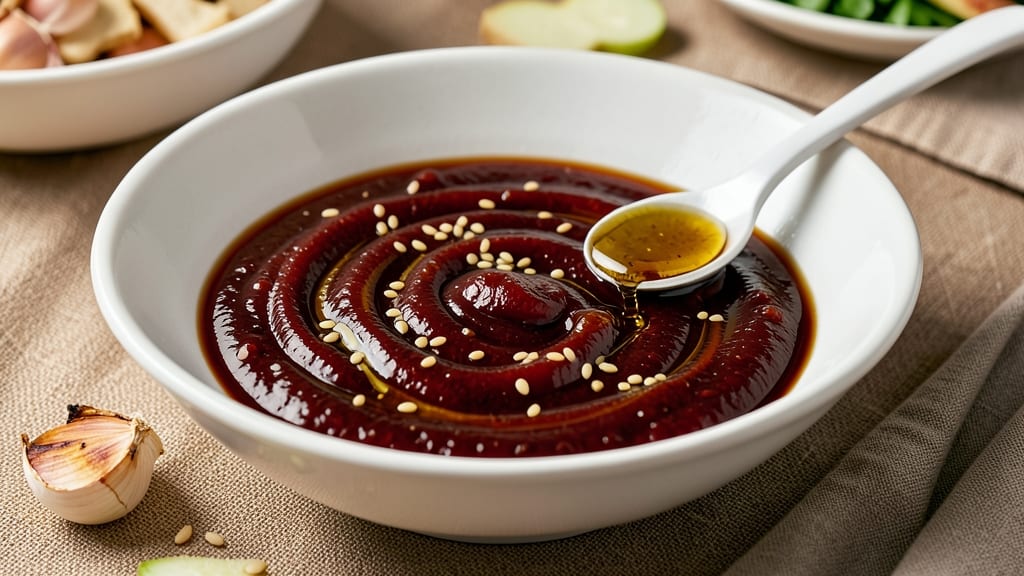
This Korean gochujang sauce recipe transforms simple ingredients into a fermented, umami-rich condiment that adds depth to everything from stir-fries to marinades. The balance of sweet, spicy, and tangy flavors comes from fermented gochujang paste, garlic, and a touch of honey—no complicated techniques required.
What makes this sauce special is its versatility: use it as a dipping sauce, stir-fry base, or even a glaze for grilled meats.
The secret lies in the fermentation process, which develops complex flavors over time. While traditional methods rely on natural fermentation, this recipe offers a quick, modern adaptation that delivers restaurant-quality results in minutes.
The sauce thickens beautifully when simmered, creating a glossy, clingy texture that coats every bite. For extra richness, a splash of vinegar brightens the heat, while sesame oil adds nutty depth.
Once made, this sauce keeps in the fridge for up to two weeks, allowing flavors to meld and intensify. It’s perfect for adding a bold kick to noodles, dumplings, or even as a marinade for tofu or chicken.
The best part? You can easily adjust the spice level to suit your taste—whether you prefer a gentle warmth or fiery heat. Let’s get started on this flavor-packed essential.
For those avoiding sugar, swap honey for maple syrup or agave, and use coconut aminos instead of soy sauce. The result remains just as vibrant and full of character. This isn’t just a sauce—it’s a flavor multiplier that elevates any dish with minimal effort.
Ingredients for korean gochujang sauce
Nine ingredients blend fermented heat, nutty depth, and tangy brightness for a versatile sauce.
| Ingredient | Amount | Notes |
|---|---|---|
| Fermented Gochujang Paste 🌶️ | ½ cup | High-quality, vibrant red paste |
| Sesame Oil 🫒 | 2 tbsp | Toasted sesame oil preferred |
| Rice Vinegar 🍶 | ¼ cup | White or seasoned rice vinegar |
| Raw Honey 🍯 | 2 tbsp | Substitute maple syrup for vegan |
| Garlic Cloves 🧄 | 4 cloves | Freshly minced for potent flavor |
| Low-Sodium Soy Sauce 🥢 | 2 tbsp | Coconut aminos for gluten-free |
| Ginger Root 🌿 | 1 tbsp | Freshly grated, aromatic |
| Water 💧 | ¼ cup | Room temperature preferred |
| Diamond Crystal Kosher Salt 🧂 | ½ tsp | Adjust to taste |
| Toasted Sesame Seeds 🌰 | 1 tbsp | For garnish, optional |
The gochujang paste is non-negotiable—opt for Hanjin or Hwang Apricot for authentic depth, available at Asian markets or well-stocked grocery stores. Look for vibrant red color and a slightly sticky texture, indicating proper fermentation. Sesame oil should be toasted (not refined), and Honeyville or Wholesome Sweeteners brands offer reliable quality. Fresh ginger and garlic are essential for aromatic complexity; organic varieties from the produce section ensure maximum flavor punch. For those avoiding sugar, local raw honey or 100% pure maple syrup maintains the sauce's balance without compromising texture.
No gochujang? Substitute 1 tbsp miso paste + 1 tsp red pepper flakes for umami and heat. Sesame oil shortage? Swap in avocado oil at half the amount, though the flavor profile shifts slightly. Soy sauce unavailable? Coconut aminos or tamari work equally well, though tamari offers a more robust depth. For a less spicy version, reduce gochujang to 0.375 cup and add 1 tsp sugar to balance. The sauce thickens as it cools, so simmer 3-5 minutes longer if you prefer a glossier consistency. Vegan adaptation? Replace honey with agave nectar and ensure all other ingredients are plant-based.
Store in an airtight glass jar in the fridge for up to two weeks, where flavors deepen over time. The sauce thickens further when chilled—stir vigorously before each use. For longer storage, portion into ice cube trays, freeze, then transfer to a bag for up to three months. Garnish with toasted sesame seeds just before serving to preserve their crunch. This sauce reheats beautifully—simmer 2-3 minutes on low heat or microwave in 20-second bursts, stirring between each. Double the batch for meal prep; it elevates everything from grilled tofu to stir-fried noodles with minimal effort.
Why You'll Love This Recipe
- Five-Ingredient Magic: I swear, this sauce comes together with just a spoon and a bowl—no fancy tools, no stress. The gochujang and honey blend like they’ve been friends forever, while the garlic sizzles in seconds.
- Umami Bomb: That first taste? Sweet, spicy, and funky all at once, thanks to the fermented gochujang and sesame oil. It’s the kind of flavor that makes you pause mid-bite, like, "Wait, why didn’t I do this sooner?"
- Dip, Drizzle, Devour: Slather it on grilled chicken, toss it with noodles, or just eat it straight with rice crackers. It’s my go-to for lazy dinners, potlucks, or when I’m too tired to plan but still want something ridiculously good.
- Pantry Goldmine: A little goes a long way—this sauce keeps for weeks in the fridge, and I’ve stretched one batch into three meals. Plus, the ingredients? Most are already lurking in my pantry, saving me money and trips to the store.
Step-by-step instructions for Korean gochujang sauce
This vibrant sauce delivers fermented depth, balanced sweetness, and umami richness in just minutes.
Bloom the Gochujang and Aromatics
In a medium saucepan, combine the 0.5 cup fermented gochujang paste, 2 tbsp sesame oil, 2 tbsp low-sodium soy sauce, and 1 tbsp freshly grated ginger root. Place over medium-low heat and whisk continuously for 3-4 minutes until the mixture becomes fragrant and slightly thickened. You'll notice the gochujang's deep red color intensify as it blooms, releasing its complex fermented notes. This step develops the sauce's foundational flavor without burning the delicate spices.
Here's the thing—don't rush this process. The slow heating allows the gochujang's natural sugars to caramelize gently, creating a smoother texture. If you see any oil separating, simply stir more vigorously to re-emulsify. The sauce should smell earthy with hints of sweetness and subtle heat, not overpoweringly spicy yet.
Incorporate Sweetness and Acid
Add the 2 tbsp raw honey and 0.25 cup rice vinegar, whisking constantly to fully incorporate. The honey will immediately begin to dissolve, creating a glossy sheen on the surface. Simmer the mixture for 2-3 minutes until the honey is completely integrated and the sauce reaches a gentle bubble. You're looking for a balance here—the honey should mellow the gochujang's initial heat while maintaining its complexity.
I always taste at this stage to gauge the sweet-sour balance. If the sauce tastes too sharp, add a touch more honey. If it's too sweet, a splash of additional rice vinegar (up to 1 tbsp) will rebalance the flavors. The sauce should coat the back of your spoon with a velvety texture, not be overly syrupy or watery.
Build Depth with Garlic and Water
Remove the pan from heat and let it cool slightly for 1 minute. Add the 4 cloves minced garlic and 0.25 cup water, then return to low heat. Simmer gently for 3-4 minutes, stirring frequently, until the garlic is fragrant but not browned. The water helps thin the sauce slightly while allowing the garlic to infuse its aromatic qualities without burning.
Watch the sauce carefully during this stage—it should maintain a smooth consistency without separating. If you notice any oil separation, whisk vigorously to re-emulsify. The garlic should become translucent and aromatic, adding another layer of depth to the sauce's flavor profile. This is where the sauce transforms from simple to truly complex.
Season and Finish
Add the 0.5 tsp diamond crystal kosher salt and taste immediately. Adjust the salt if needed—Korean sauces often benefit from careful seasoning to enhance all the components. Return the sauce to a gentle simmer for 1-2 minutes to allow all the flavors to meld completely. The sauce should now have a perfect balance of sweet, spicy, umami, and tangy notes.
For the final touch, remove from heat and stir in the 1 tbsp toasted sesame seeds, reserving some for garnish. These seeds add a nutty crunch and visual contrast. The sauce should be smooth with just a hint of texture from the seeds. If you prefer a completely smooth sauce, you can strain it through a fine-mesh sieve before serving.
Rest and Serve
Let the sauce rest for 10-15 minutes at room temperature. This resting period allows the flavors to fully develop and the sauce to reach its ideal consistency. The texture should be thick enough to coat the back of a spoon but still pourable. If it thickens too much, simply whisk in 1-2 teaspoons of water to achieve your desired consistency.
This sauce works beautifully as a dipping sauce for dumplings, a marinade for proteins, or a glaze for grilled vegetables. For best results, serve it warm or at room temperature. The flavors will continue to evolve slightly as it sits, developing even more complexity over the next few hours. Store any leftovers in an airtight container in the refrigerator for up to 1 week, though I rarely have any left that long!
Pro Tips For Making Korean Gochujang Sauce
- Bloom the Garlic First: Smash those garlic cloves with the flat side of your knife before mincing—it releases more flavor without burning. I learned this the hard way after my sauce tasted bland; prepping garlic this way makes a real difference, especially when you’re balancing the heat of gochujang.
- Low and Slow for Honey: Don’t dump raw honey in at full heat—it scorches faster than you think. Warm the sauce on medium-low, then whisk in the honey while stirring constantly. My first batch turned bitter because I rushed it; now I let it simmer gently for 2-3 minutes after adding it.
- Toast Sesame Oil Last: Add sesame oil off the heat or your sauce will taste bitter. Heat the gochujang, vinegar, and honey first, then remove the pan and drizzle in the oil while stirring. It’s the only way to keep that nutty aroma intact—trust me, I’ve ruined three batches by ignoring this.
- Balance the Vinegar Gradually: Rice vinegar can make the sauce too sharp if you add it all at once. Start with half the amount, taste, then adjust—you can always add more, but you can’t take it out. I was skeptical until I tried it; now I taste as I go, especially if I’m using a stronger vinegar.
Troubleshooting your korean gochujang sauce
Too Thin Texture
If your sauce turns out too thin, don’t panic—simmer it uncovered over low heat for 5-7 minutes while stirring occasionally. The water content will evaporate gradually, thickening the sauce naturally.
For an instant fix, mix 1 tsp cornstarch with 1 tbsp cold water, stir into the sauce, and simmer for 1-2 minutes until it reaches your desired consistency. 🔥
Oil Separation
Gochujang is naturally oily, so separation can happen if not stirred properly. To fix this, whisk vigorously for 1-2 minutes to re-emulsify the oils. For prevention, keep heat at medium-low and stir constantly during cooking.
If the sauce still separates, add 1 tsp rice vinegar to help stabilize the mixture—it acts as a natural emulsifier.
Overpowering Heat
If the spice level feels too intense, balance it with 1 tsp honey or 1 tsp sugar to mellow the heat. For a milder version from the start, reduce gochujang to 0.375 cup and add 1 tbsp extra rice vinegar to brighten the flavors.
Taste as you go—Korean sauces should deliver heat with depth, not just burn.
Grainy or Clumpy Sauce
Strain the sauce through a fine-mesh sieve to remove any gritty bits from the gochujang or garlic. If clumps persist, blend the sauce briefly with an immersion blender for a silky texture.
For prevention, ensure all ingredients (especially garlic) are finely minced before cooking—this avoids chunks and creates a smoother sauce.
Flat or Bland Flavor
If your sauce lacks depth, boost umami by adding 1 tsp fish sauce (or 1 tsp soy sauce for vegan) and simmer for 2 more minutes. For extra richness, stir in 1 tsp toasted sesame oil at the end.
Taste and adjust—sometimes a pinch of black pepper or a splash of rice vinegar can elevate the profile significantly.
Fermentation Issues
If your gochujang smells sour or off, it may be spoiled. Use high-quality, fresh gochujang (like Hanjin or Hwang Apricot) and store it in the fridge after opening.
For a fresher taste, simmer the sauce for 5-7 minutes to sterilize it slightly. If the smell persists, discard and start fresh—fermentation gone wrong can ruin the entire batch.
Nutrition facts
Frequently asked questions
Can I make this sauce without gochujang?
Yes! For a substitute, blend 1 tbsp miso paste with 1 tsp red pepper flakes and 1 tsp soy sauce to mimic gochujang's umami and heat. The sauce will have a different depth but still deliver rich, savory flavors. For a milder version, reduce the red pepper flakes to ½ tsp.
How long does this sauce keep, and can I freeze it?
The sauce stays fresh in an airtight container in the fridge for up to 2 weeks, with flavors deepening over time. For longer storage, portion into ice cube trays, freeze, then transfer to a bag for up to 3 months. Thaw overnight in the fridge—never microwave directly, as it can degrade the texture.
What are the best ways to use this sauce?
This versatile sauce works as a dipping sauce for dumplings or spring rolls, a marinade for tofu or chicken, and a glaze for grilled meats or vegetables. Try it in stir-fries, noodle dishes, or even as a base for fried rice. The balance of sweet, spicy, and umami makes it perfect for adding depth to any dish!
Why does my sauce look oily or separated?
Gochujang is naturally oily, so separation can happen if not stirred properly. Whisk vigorously for 1-2 minutes to re-emulsify, or add 1 tsp rice vinegar to help stabilize. For prevention, keep heat at medium-low and stir constantly. If the issue persists, blend briefly with an immersion blender for a smoother texture.
Can I adjust the spice level?
For less heat, reduce gochujang to 0.375 cup and add 1 tbsp extra rice vinegar to brighten flavors. To balance intense heat, stir in 1 tsp honey or 1 tsp sugar. Always taste as you go—Korean sauces should deliver heat with complexity, not just burn.