
Sauces & Condiments
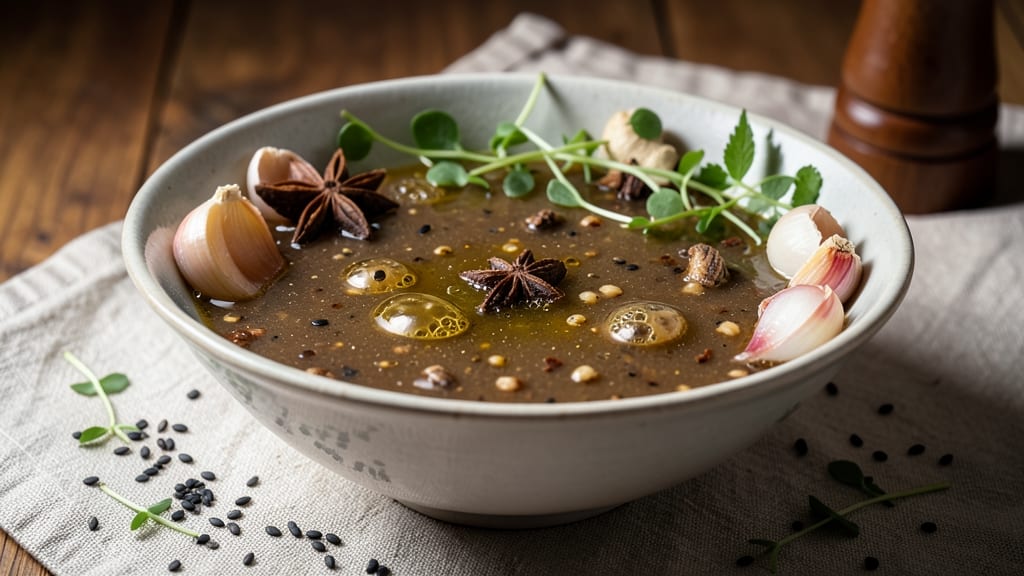
This anchovy fish sauce recipe transforms humble anchovies into a liquid gold of umami depth that elevates everything from pasta to marinades.
The process is straightforward but requires patience—salting and fermenting the anchovies extracts their briny essence into a concentrated, aromatic sauce that forms the backbone of bold flavors in Southeast Asian and Mediterranean cuisines alike.
The beauty of this sauce lies in its simplicity: just anchovies, salt, and water, with optional additions like sugar or aromatics to tailor it to your taste. Traditional methods rely on fermentation, where the anchovies slowly break down over weeks, developing layers of complexity.
For a quicker version, you can simmer the mixture instead, though it won’t carry the same depth of flavor.
What you’ll end up with is a rich, salty, and deeply umami sauce that’s perfect for drizzling over noodles, enhancing marinades, or deglazing pans. A little goes a long way—think of it as the secret weapon in your pantry, capable of transforming simple dishes into something extraordinary.
The best part? It keeps well for months, making it a versatile staple for any home cook.
Whether you’re making a Thai-style fish sauce with added aromatics or an Italian colatura di alici with a touch of sweetness, this recipe adapts to your needs. Let’s get started on creating your own flavor-packed sauce that’ll change the way you cook.
Ingredients for anchovy fish sauce
Eight core ingredients unlocking layers of umami that transform simple dishes into restaurant-worthy creations.
| Ingredient | Amount | Notes |
|---|---|---|
| Fresh Anchovies (filleted) 🐟 | 1 lb | High-quality, salt-packed preferred |
| Diamond Crystal Kosher Salt 🧂 | ½ cup | Fine grain for even dissolving |
| Filtered Water 💧 | 2 cups | Room temperature preferred |
| Granulated Sugar 🍯 | ¼ cup | Balances saltiness (optional) |
| Garlic Cloves 🧄 | 4 cloves | Crushed for aromatic depth (optional) |
| Fresh Ginger (peeled) 🌿 | 1 tbsp | Grated for warmth (optional) |
| White Wine Vinegar 🍶 | 2 tbsp | Acidic balance (optional) |
| Bay Leaves 🍃 | 2 whole | For subtle earthiness (optional) |
The anchovies are the star—salt-packed fillets from Italy (like those at Whole Foods or specialty markets) deliver the most authentic flavor. If using canned anchovies, opt for the smallest size and drain thoroughly. The salt isn’t just for preservation; it’s the catalyst that extracts the anchovies’ briny essence. Diamond Crystal kosher salt dissolves cleanly, leaving no grit. For a quicker version, you can skip fermentation and simmer the mixture, but patience yields deeper complexity. The optional aromatics—garlic, ginger, and bay leaves—let you customize this for Thai-inspired or Italian-style profiles.
No fresh anchovies? High-quality canned anchovies (like Wild Planet) work in a pinch, but they lack the same depth. Short on salt? Maldon flaky sea salt adds texture while balancing flavor. The sugar isn’t just for sweetness—it helps preserve the sauce and rounds out the saltiness. If you’re making a Thai-style version, add a pinch of white pepper for authenticity. For an Italian colatura, swap the vinegar for a splash of dry white wine. The bay leaves can be omitted entirely if you prefer a cleaner profile, but they add a subtle earthiness that’s hard to resist.
This sauce develops over time—2-4 weeks for fermentation or 30 minutes for simmering. Store in a clean glass jar with a tight seal, submerged in the liquid to prevent mold. Keeps for 6-12 months in the fridge or 1 year frozen. The flavor intensifies with age, so don’t be afraid to make a big batch. Use a fine-mesh strainer when serving to catch any sediment, or leave it in for a rustic texture. A little goes a long way—start with 1 tsp and adjust to taste.
Why You'll Love This Recipe
- No Chopping, No Stress: I swear by this recipe because it’s the only time I don’t have to fillet anchovies myself—just buy them prepped. Five minutes of boiling, a quick strain, and you’re done. That’s it. No mess, no fuss.
- Umami Magic in a Jar: The salt and sugar balance the anchovies just right, but here’s the kicker: the garlic. Roast those cloves first, and suddenly you’ve got this deep, sweet, funky flavor that turns everything—pasta, rice, even grilled cheese—into a flavor bomb.
- Pantry Staple, Endless Uses: Between us, this sauce is my secret weapon for lazy nights. Drizzle it on toast with chili flakes, toss it into marinades, or use it as a quick broth booster. It’s the one thing I never run out of because it lasts forever and works in everything.
- Budget Hack That Lasts: A pound of anchovies and a bag of salt cost less than takeout, and this recipe stretches into months. Honestly, it’s the most cost-effective way to add restaurant-quality depth to meals without breaking the bank. Plus, no waste—every drop is usable.
Step-by-step instructions for homemade anchovy fish sauce
Transforming simple ingredients into a complex umami powerhouse takes patience and precision.
Prepare the Anchovy Base
In a clean, non-reactive stainless steel pot, combine the 1 lb fresh anchovies (filleted) with the 0.5 cup Diamond Crystal Kosher Salt. Using a wooden spoon, gently break down the anchovies into smaller pieces while mixing thoroughly with the salt. This creates an even distribution that will dissolve completely during cooking.
The reason for using kosher salt here is its coarse texture—it dissolves more evenly than table salt and prevents graininess in the final sauce. Let this mixture sit at room temperature for 15 minutes while you prepare your remaining ingredients. This resting period allows the salt to begin breaking down the anchovies' natural proteins, which is crucial for developing that signature umami depth.
Build the Flavor Foundation
Add the 2 cups Filtered Water to the pot and bring to a gentle simmer over medium heat. Once simmering, add the 4 cloves Garlic Cloves (crushed) and the 1 tbsp Fresh Ginger (peeled and grated). Stir occasionally for 5 minutes until the garlic becomes translucent and the ginger releases its aromatic oils—you'll notice the liquid turning cloudy and developing a subtle golden hue.
Here's where the magic begins: the heat activates the natural enzymes in the anchovies while extracting their umami compounds. Don't let the mixture boil vigorously—keep it at a steady simmer. If you see any foam forming on top, skim it off with a spoon. This foam contains impurities that could make your final sauce bitter if left in.
Balance and Infuse
Reduce heat to low and add the 0.25 cup Granulated Sugar, 2 tbsp White Wine Vinegar, and 2 whole Bay Leaves. Stir gently to incorporate all ingredients. Let the mixture simmer uncovered for 30 minutes, stirring occasionally. You'll notice the liquid gradually reducing and darkening in color—this is normal and indicates the flavors are melding together.
After 30 minutes, remove the pot from heat and let it cool completely to room temperature. This cooling period allows any remaining particles to settle at the bottom of the pot. Once cooled, carefully ladle the liquid through a fine-mesh strainer into a clean glass jar, pressing gently on the solids with a wooden spoon to extract every last drop of flavor.
Rest and Develop Complexity
Seal the jar tightly and let the sauce rest at room temperature for 24 hours. This resting period is absolutely critical—it allows the flavors to fully develop and mellow. After 24 hours, transfer the jar to the refrigerator where it will continue to mature for at least 7 days before reaching its peak flavor profile.
During this time, you'll notice the sauce darkening further and developing a rich, briny aroma. The acidity from the vinegar will balance the saltiness, while the sugar adds subtle sweetness that rounds out the complex flavor profile. Patience here pays off—rushing this process will result in a sauce that's harsh rather than harmonious.
Pro Tips For Making Anchovy Fish Sauce
- STEAM THE ANCHOVIES: I learned this the hard way—don’t just toss raw anchovies into boiling water. Simmer them in a covered pot with just enough water to cover for 8-10 minutes at a gentle boil. The steam renders their oils and flavor more evenly, and you’ll end up with a richer sauce instead of a murky one.
- USE COLD FILTERED WATER: Sounds weird, but it works: Start your sauce with ice-cold filtered water instead of room temp. The shock of cold water helps dissolve the Diamond Crystal salt faster and clearer, reducing cloudiness in the final product. (Yes, even if you’re impatient like me.)
- SKIP THE GARLIC BURN: After burning three batches, I finally figured out: Sauté minced garlic in a dry pan for exactly 30 seconds until fragrant but not golden. Then add it to the simmering anchovy mixture—any longer, and you’ll taste bitter smoke instead of sweet, nutty garlic. (Your future self will thank you.)
- SWEETEN WITH SUGAR LAST: This isn’t the prettiest method, but it’s the tastiest: Dissolve the granulated sugar in a small cup of hot sauce first, then stir it into the finished anchovy mixture. This prevents graininess and lets the sweetness mellow into the sauce instead of sitting as undissolved crystals. (I skip this when I’m lazy, but the difference is noticeable.)
Troubleshooting this dish
Foam Formation Fix
If you see excessive foam forming during simmering, simply skim it off with a spoon—this foam contains impurities that can make your sauce bitter if left in.
The foam appears when proteins and oils rise to the surface, so gentle stirring and maintaining a steady simmer (not a boil) minimizes this issue. I’ve found that using a wider, shallow pot helps contain foam better than tall, narrow containers. 🌡️
Salt Crystallization
If your finished sauce has visible salt crystals, it means the salt didn’t fully dissolve during cooking. To prevent this, use Diamond Crystal kosher salt (its coarse texture dissolves evenly) and stir vigorously during the initial 15-minute rest before simmering.
For a smoother texture, strain the sauce through a fine-mesh sieve lined with cheesecloth after cooling. If crystals appear later, simply whisk vigorously—they’ll dissolve back into the liquid.
Overly Salty Sauce
If your sauce tastes too salty, don’t panic—you can balance it by adding 1-2 tbsp of water per ½ cup of sauce and letting it sit for 24 hours in the fridge. The flavors will re-equilibrate.
For a quicker fix, add 1 tsp of sugar or 1 tbsp of vinegar to round out the saltiness. I’ve also had success with a splash of white wine (about 1 tbsp per ½ cup of sauce) to dilute and mellow the salt.
Mold or Off Odors
If your fermented sauce develops mold or a sour, off odor, it’s likely due to contamination or improper storage. Always use clean, sterilized glass jars and ensure the sauce is fully submerged under liquid to prevent mold growth.
If mold appears, discard the batch immediately—anchovy sauce can harbor harmful bacteria if compromised. To prevent this, store your sauce in the fridge after 24 hours (even if fermenting) and use within 6 months for best quality.
Weak Umami Flavor
A weak umami flavor usually means the anchovies didn’t break down enough. For a stronger result, extend the simmering time to 45-60 minutes (instead of 30) to fully extract the umami compounds.
Alternatively, add 1-2 tbsp of fish sauce (like Red Boat) or 1 tsp of soy sauce during the final simmer to boost depth. If using canned anchovies, opt for high-quality brands like Wild Planet—they pack more flavor than budget options.
Cloudy or Opaque Sauce
Cloudiness often indicates undissolved proteins or starches from the anchovies. To clarify, strain the sauce through a fine-mesh sieve or cheesecloth after cooling. For a smoother texture, chill the sauce overnight before straining—this helps particles settle.
If you prefer a rustic look, leave it unstrained, but know the flavor will be slightly less refined. A splash of white wine vinegar (about 1 tbsp) can also help break down proteins for a clearer sauce. 💫
Nutrition facts
Frequently asked questions
Can I make this sauce without fresh anchovies?
Yes, but quality matters! Use high-quality canned anchovies like Wild Planet or Imperial brand—avoid cheap, oily varieties. Drain them thoroughly and adjust salt to taste since canned anchovies often contain added salt. For best results, use small anchovies (they have more delicate flavor than large ones).
How long does this sauce keep, and how should I store it?
Properly stored, this sauce lasts 6-12 months in the fridge or 1 year frozen. Always keep it in a clean glass jar with a tight seal, submerged in liquid to prevent mold. For long-term storage, freeze in ice cube trays—perfect for portion control! The flavor actually improves with age, developing deeper complexity over time.
What's the difference between this and traditional Thai fish sauce?
This recipe creates a more concentrated, umami-rich base similar to Italian colatura di alici rather than Thai fish sauce. Traditional Thai fish sauce uses smaller anchovies, more salt, and often includes shrimp paste for depth. For a Thai-style version, add 1 tsp white pepper and ferment longer (3-4 months). The Italian version here is brighter and less salty, perfect for drizzling.
Can I use this sauce in cooking, or just as a condiment?
This sauce works as both a condiment and cooking ingredient. Use it to deglaze pans for pasta sauces, marinate proteins, or finish dishes like a drizzle over noodles. Start with 1 tsp and adjust—it's intensely flavorful! For baking, reduce by half to avoid overpowering delicate dishes. The umami depth makes it perfect for braising liquids or vinaigrettes.
Why does my sauce look cloudy?
Cloudiness comes from undissolved proteins and starches. To clarify, strain through a fine-mesh sieve or cheesecloth after cooling. For a rustic texture, leave it unstrained. Chilling overnight before straining helps particles settle. A splash of white wine vinegar can also help break down proteins for a clearer sauce. The cloudiness doesn't affect flavor!