
Sauces & Condiments
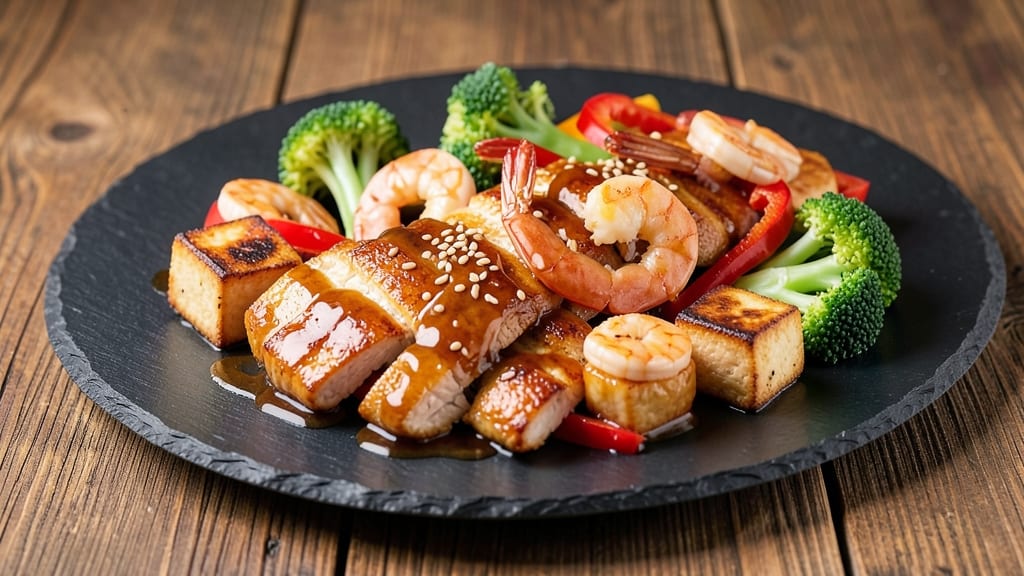
This Kikkoman teriyaki sauce stir fry recipe delivers restaurant-quality flavor in just 20 minutes—no fancy techniques required. The secret lies in high-heat searing and the right balance of sweet-savory sauce, transforming simple proteins and vegetables into a dish that tastes like it came from an Asian bistro.
I've perfected this method over countless weeknight dinners, and it never fails to impress.
The foundation starts with properly prepped ingredients: thinly sliced protein (chicken, shrimp, or tofu) and crisp-cut vegetables that cook quickly over high heat. A wok or large skillet is essential for that signature stir-fry texture, while Kikkoman teriyaki sauce ties everything together with its signature umami-sweet balance.
The key is adding the sauce at the right moment—just before serving—to maintain that glossy, caramelized finish.
What you'll end up with is a vibrant, aromatic stir fry where every bite delivers tender protein, crisp vegetables, and that perfect teriyaki gloss. The sauce clings beautifully to the ingredients, creating pockets of sweet-savory flavor in every mouthful.
This dish pairs perfectly with steamed jasmine rice, which soaks up any remaining sauce from the pan.
Whether you're feeding a family or meal prepping for the week, this stir fry scales effortlessly. The technique is simple enough for beginners but impressive enough for dinner guests. Let's get cooking—your taste buds will thank you.
Ingredients for kikkoman teriyaki sauce stir fry
High-heat proteins, crisp vegetables, and Kikkoman teriyaki—this stir fry delivers authentic bistro flavor in minutes.
| Ingredient | Amount | Notes |
|---|---|---|
| Boneless Chicken Breast 🍗 | 1 ½ lb | Thinly sliced against grain |
| Extra-Firm Tofu 🥬 | 1 block | Pressed and cubed |
| Large Shrimp 🦐 | 1 ½ lb | Peeled and deveined |
| Kikkoman Teriyaki Sauce 🍶 | ½ cup | Original or low-sodium |
| Bell Peppers 🧅 | 2 whole | Red/yellow, sliced thin |
| Broccoli Florets 🥦 | 3 cups | Cut into bite-sized pieces |
| Carrots 🥕 | 2 whole | Julienned into matchsticks |
| Garlic Cloves 🧄 | 4 cloves | Minced finely |
| Fresh Ginger 🌿 | 1 inch | Peeled and grated |
| Sesame Oil 🫒 | 1 tbsp | Toasted sesame preferred |
| Neutral Vegetable Oil 🫒 | 2 tbsp | High smoke point |
| Diamond Crystal Kosher Salt 🧂 | 1 tsp | For seasoning |
| Black Pepper 🌶️ | ½ tsp | Freshly cracked |
| Jasmine Rice 🍚 | 1 ½ cups | Uncooked, for serving |
| Green Onions 🧅 | 3 whole | Sliced thin for garnish |
The protein choice makes or breaks this dish. Chicken breast should be sliced against the grain for tenderness, while shrimp cooks in minutes—just don't overcrowd the pan. For tofu, press it for 20 minutes before cubing to prevent sogginess. Trader Joe's carries pre-sliced proteins if you're short on time, but fresh is always better. The bell peppers should be colorful and firm—red or yellow for sweetness, green for bite. Broccoli florets should be tightly packed; larger stems can be peeled for even cooking. Carrots should be fresh with vibrant orange color—julienne them yourself for perfect matchsticks.
No Kikkoman teriyaki? Substitute soy sauce plus 1 tbsp honey—it won't be identical but works in a pinch. Fresh ginger and garlic are non-negotiable for authentic flavor, but paste works at half the amount. The sesame oil adds depth—toasted sesame oil has more flavor than regular. Vegetable oil is just for searing; avocado oil works too if you prefer. For extra umami, add 1 tsp fish sauce (omit if vegetarian). The green onions are purely decorative but add freshness—substitute chives if needed. All vegetables should be cut to similar size for even cooking.
Prep vegetables first—they cook fastest. Store proteins in the fridge until ready to cook. Jasmine rice keeps for months in a sealed container; toast the grains for extra aroma. The teriyaki sauce can be stored in the fridge for 6 months after opening. For meal prep, cook proteins and vegetables separately, then combine with sauce just before serving to maintain texture. Leftovers reheat beautifully—microwave 1-2 minutes with a splash of water to restore moisture.
Why You'll Love This Recipe
- One-Pan Magic: I swear by this recipe because it’s actually one-pan—no fussing with multiple skillets or messy bowls. Toss the chicken, tofu, and shrimp straight into the same pan after searing, then pour in the teriyaki and peppers. Less cleanup, more time to actually eat.
- Sweet-Savory Balance: That Kikkoman teriyaki sauce? It’s the MVP here—salty, sweet, and just sticky enough to coat everything perfectly. The bell peppers add a little crunch, and honestly, the shrimp soaks up the sauce like a dream. It’s the kind of flavor that makes you reach for seconds without even thinking.
- Meal Prep MVP: Between us, this is my go-to for busy weeks. Cook a big batch on Sunday, and you’ve got lunch or dinner covered for days. The tofu and chicken stay tender, and the sauce keeps it tasting fresh—no sad, rubbery leftovers here. (Yes, even on a Tuesday night.)
- Budget-Friendly Flex: You can swap proteins based on what’s on sale—shrimp for chicken, chicken for tofu—and still end up with a dish that feels special. The teriyaki sauce stretches far, and bell peppers are cheap but pack a flavor punch. It’s the kind of recipe that makes grocery shopping feel like a win.
Step-by-step instructions for Kikkoman teriyaki stir fry
A perfectly balanced stir fry requires precise timing and technique. Here's how to create restaurant-quality teriyaki magic in one pan.
Prepare All Ingredients for Even Cooking
Begin by slicing the 1.5 lb boneless chicken breast against the grain into thin strips—this ensures tender, bite-sized pieces. Press the 1 block extra-firm tofu between paper towels for 15 minutes to remove excess water, then cut into ½-inch cubes. Peel and devein the 1.5 lb large shrimp, leaving the tails on for presentation.
Slice the 2 whole bell peppers into thin strips and cut the 3 cups broccoli florets into bite-sized pieces. Julienne the 2 whole carrots into matchsticks for even cooking. Mince the 4 cloves garlic cloves finely and grate the 1 inch fresh ginger—both should be as small as possible to release their flavors quickly. Thinly slice the 3 whole green onions for garnish.
Measure out the 0.5 cup Kikkoman Teriyaki Sauce, 1 tbsp sesame oil, 2 tbsp neutral vegetable oil, 1 tsp Diamond Crystal kosher salt, and 0.5 tsp black pepper—these will be your seasoning foundation. The key to a successful stir fry is having everything prepped and ready before you start cooking.
Cook the Protein in Stages for Perfect Texture
Heat a large wok or skillet over high heat until it's smoking. Add 1 tablespoon of the neutral vegetable oil and swirl to coat. Working in batches to avoid overcrowding, add the chicken breast strips and cook for 2-3 minutes until they're lightly browned on all sides. Remove and set aside.
Add another ½ tablespoon neutral vegetable oil to the pan and repeat with the tofu cubes, cooking for 3-4 minutes until golden brown. Remove and set aside with the chicken. Finally, add the remaining ½ tablespoon neutral vegetable oil and cook the shrimp for 1-2 minutes per side until they turn pink and opaque. Remove and set aside with the other proteins.
Cooking the proteins separately ensures they all finish at the same time and maintain their ideal texture—chicken fully cooked, tofu crispy, and shrimp tender without overcooking.
Stir-Fry the Vegetables Until Crisp-Tender
In the same pan, add 1 tablespoon neutral vegetable oil and increase heat to high. Add the garlic cloves and fresh ginger, stirring for 30 seconds until fragrant. Add the bell peppers, broccoli florets, and carrots, tossing constantly for 3-4 minutes until the vegetables are bright green and slightly blistered but still crisp.
This is where the stir fry transforms from ordinary to extraordinary—the high heat and constant tossing create those beautiful caramelized edges while keeping the centers tender. If the vegetables start to stick, add a splash of water and scrape up any browned bits from the bottom of the pan.
Combine Everything with Teriyaki Sauce
Return all the cooked proteins to the pan along with the 0.5 cup Kikkoman Teriyaki Sauce. Stir everything together for 1-2 minutes until the sauce coats the ingredients evenly. The sauce should glaze the proteins and vegetables, creating a glossy finish. If the mixture seems too thick, add 1-2 tablespoons of water to loosen it.
Season with the 1 tsp Diamond Crystal kosher salt and 0.5 tsp black pepper, then drizzle with the 1 tbsp sesame oil for added aroma. Taste and adjust seasoning if needed—this is your chance to balance the sweetness of the teriyaki with the savory flavors of the proteins and vegetables.
Serve Over Jasmine Rice with Garnish
Cook the 1.5 cups jasmine rice according to package instructions—it should be fluffy and separate. Divide the rice among plates and top each serving with the teriyaki stir fry. Garnish with the thinly sliced green onions and an extra drizzle of sesame oil for color and aroma.
Serve immediately while everything is hot and the sauce is still glossy. The stir fry should be vibrant, with tender proteins, crisp-tender vegetables, and a perfect balance of sweet and savory flavors in every bite. The rice acts as a neutral base that lets the stir fry shine.
Pro Tips For Making Kikkoman Teriyaki Sauce Stir Fry
- CUT CHICKEN IN HALF: Thick boneless chicken breasts dry out fast in stir-fries. Slice them horizontally into 1-inch thick cutlets—this keeps the meat juicy while still giving you that satisfying bite. I learned this the hard way after serving rubbery chicken to guests who politely lied about how good it was.
- PRESS TOFU DRY: Skip the paper towels—wrap extra-firm tofu in a clean kitchen towel and press it between two plates for 15 minutes. This removes excess moisture so it absorbs the teriyaki sauce instead of turning to mush. Sounds weird, but it works: your tofu will actually crisp up in the pan.
- SHRIMP IN BATCHES: Shrimp cook in seconds, but if you toss them all in at once, they’ll turn rubbery before the chicken’s done. Cook the shrimp first in a separate pan over high heat for 1-2 minutes, then set aside. They’ll stay tender while the rest of the stir-fry finishes.
- SAUCE LAST MINUTE: The teriyaki sauce is the star, but adding it too early makes everything soggy. Wait until the chicken and shrimp are nearly done, then pour in the sauce and toss for just 30 seconds—long enough to coat but not enough to steam the veggies. This keeps the bell peppers crisp and the sauce glossy.
Common mistakes when making this dish
Overcrowding the Pan
This is the most common mistake I see—packing too much into the pan at once. When you overcrowd, the ingredients steam instead of sear, leading to soggy proteins and mushy vegetables. The key is working in small batches, especially for proteins.
I cook chicken in one batch, tofu in another, and shrimp last to ensure each gets proper browning. A 12-inch wok or large skillet should only hold about ½ inch of ingredients at a time for optimal results. 🔥
Skipping the Prep Work
Rushing the prep is a recipe for disaster. Unevenly cut vegetables cook at different rates, while thick protein slices stay tough. Always slice proteins against the grain and cut vegetables into uniform sizes—about ¼-inch thick for bell peppers and matchstick carrots.
I spend 10-15 minutes prepping everything before touching the stove, which makes the actual cooking process smooth and efficient.
Using Low Heat
Stir-fries thrive on high heat—that's what creates the wok hei (breath of the wok) flavor. If your pan isn't smoking hot, you'll end up with bland, steamed ingredients instead of caramelized, flavorful bites.
I crank my burner to maximum heat and wait until the oil shimmers before adding ingredients. A carbon steel wok heats up faster than cast iron, so it's my preferred choice for stir-fries.
Adding Sauce Too Early
Teriyaki sauce should be the finishing touch, not the cooking medium. Adding it too soon causes the sauce to break down and turn into a thin, watery glaze. Instead, cook your proteins and vegetables first, then toss everything with the sauce just before serving.
This keeps the sauce glossy and concentrated. If you're worried about sticking, add a splash of water to deglaze the pan before adding the sauce.
Ignoring the Resting Time
Freshly cooked stir fry deserves a brief rest—about 2-3 minutes
I transfer the stir fry to a serving platter, cover it loosely with foil, and let it sit while I finish cooking the rice. This small step makes a big difference in texture and flavor. Not all oils are created equal for stir-frying. You need one with a high smoke point—like avocado, grapeseed, or peanut oil—to handle the high heat without breaking down. I avoid olive oil because it burns easily and imparts a bitter flavor. For extra aroma, I finish with 1 tbsp sesame oil after everything is cooked, but I never use it for initial searing.Using the Wrong Oil
Nutrition facts
Frequently asked questions
Can I use this recipe with frozen vegetables?
Fresh vegetables are ideal for texture, but you can use frozen if needed. Just thaw them completely first and pat them very dry to prevent excess moisture from steaming the stir fry. For best results, choose frozen stir-fry blends and cook them for 2-3 minutes less than fresh since they're pre-cut and may cook faster.
How do I adjust the sweetness in the teriyaki sauce?
Kikkoman's teriyaki sauce is already balanced, but if you prefer less sweetness, reduce the sauce by 2 tablespoons and add 1 teaspoon soy sauce for deeper umami. For extra sweetness, stir in ½ teaspoon honey or ¼ teaspoon sugar at the end. Always taste as you go!
What's the best way to reheat leftovers?
Reheat in a skillet over medium heat with 1 teaspoon neutral oil and 1 tablespoon water to restore moisture. Stir constantly for 2-3 minutes until everything is heated through. Microwave reheating works but can make vegetables soggy—always cover loosely with a damp paper towel.
Can I make this vegetarian?
Swap proteins for extra-firm tofu (press and cube) or mushrooms (shiitake or oyster work best). Add ½ cup edamame or 1 cup baby corn for extra texture. Keep the same cooking method—high heat and quick tossing—to maintain that signature stir-fry texture.
Why does my stir fry taste bland?
Blandness usually comes from low heat or insufficient seasoning. First, ensure your pan is smoking hot before adding ingredients. Second, taste before serving and adjust with salt, soy sauce, or a splash of rice vinegar for brightness. Fresh ginger and garlic are non-negotiable for authentic flavor—never skip them!