
Sauces & Condiments
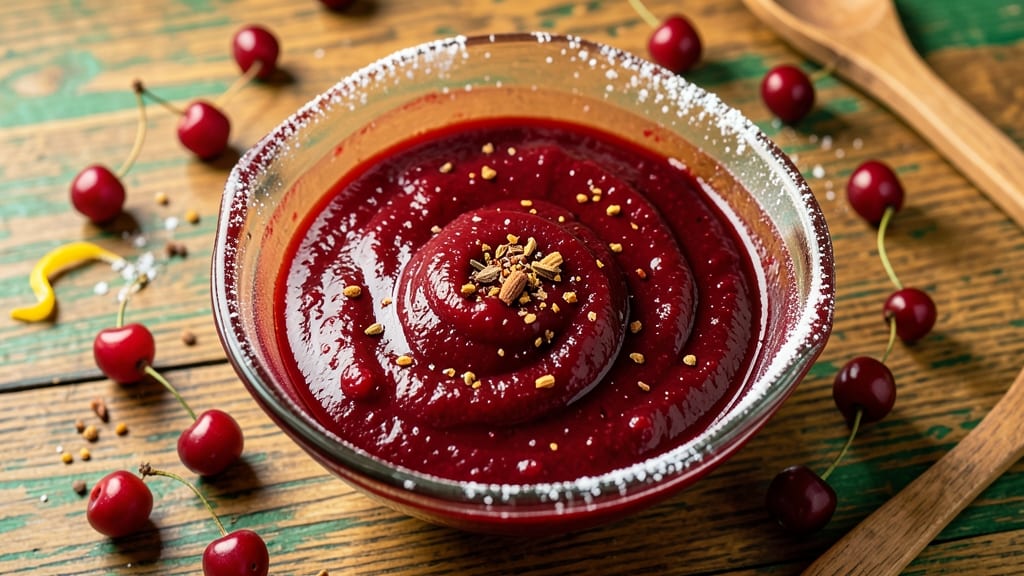
This chokecherry sauce recipe delivers the perfect tart-sweet balance that elevates pancakes, meats, and desserts with just a spoonful. The deep red sauce transforms simple dishes into something extraordinary, capturing the wild berry's natural intensity while softening it with just enough sweetness.
What makes this sauce special is its versatility—it works as a breakfast topping, a glaze for roasted meats, or even a cocktail mixer.
The secret lies in simmering chokecherries with aromatic spices like cinnamon and cloves until they break down into a thick, jam-like consistency. Unlike store-bought syrups, this homemade version develops complex flavors from slow cooking, creating a sauce that's rich, fruity, and subtly spiced.
No special equipment is needed—just a pot, a little patience, and fresh (or frozen) chokecherries.
By the end, you'll have a thick, spreadable sauce with a vibrant color and a flavor profile that bridges sweet and tart. The texture is perfect for drizzling over fluffy pancakes, brushing onto grilled pork chops, or swirling into cocktails.
It also stores beautifully in the refrigerator for up to two weeks, making it a pantry staple for quick flavor boosts.
Whether you're a breakfast enthusiast, a meat lover, or a cocktail creator, this sauce will become your go-to for adding depth and character to any dish. Here's how to make it—simple steps for a sauce that tastes like summer in every bite.
Ingredients for chokecherry sauce
Pantry staples meet wild berry magic—just ten ingredients for a sauce that transforms everything.
| Ingredient | Amount | Notes |
|---|---|---|
| Fresh or Frozen Chokecherries 🍒 | 2 cups | Pitted if fresh, thawed if frozen |
| Granulated Sugar 🍚 | 1 ½ cups | Adjust to taste for sweetness |
| Water 💧 | 1 cup | For simmering and thinning |
| Apple Cider Vinegar 🍎 | ½ cup | Balances tartness and preserves color |
| Ground Cinnamon 🌿 | 1 tbsp | Warmth without overpowering |
| Ground Cloves 🌶️ | ½ tsp | Subtle spice for depth |
| Orange Zest 🍊 | 1 tbsp | Brightens the sauce |
| Extra-Virgin Olive Oil 🫒 | 1 tbsp | For glossy finish |
| Salt 🧂 | ½ tsp | Enhances all flavors |
| Cornstarch Slurry 🌾 | 1 tbsp | 1 tbsp cornstarch + 1 tbsp water |
Chokecherries are the heart of this sauce, so quality matters. Fresh ones? Look for deep red, plump berries at farmers markets or specialty stores like Whole Foods. Frozen works too—just thaw them first. If you can't find chokecherries, a mix of tart cherries and blackberries is your best bet, though the flavor won't be identical. The vinegar is key here—it cuts through the sweetness while preserving that vibrant red color. I always grab Bragg Organic apple cider vinegar for its clean taste, but any good-quality vinegar will do. For the spices, Penzeys or bulk bins at natural food stores ensure freshness—ground spices lose potency fast.
No chokecherries? Tart cherries plus a splash of lemon juice get you close, though the sauce will be slightly less complex. Running short on vinegar? Substitute with lemon juice at half the amount, but you'll lose some of that deep, tangy balance. The cornstarch slurry is non-negotiable for thickness—skip it, and you'll end up with a runny syrup. For a smoother texture, strain the sauce through a fine-mesh sieve after cooking. Want more sweetness? Add another quarter cup sugar at the end. The olive oil at the finish isn't just for shine—it adds richness that rounds out the tartness. Trust me on the full-fat version.
This sauce keeps beautifully—2 weeks in the fridge sealed in a jar. For longer storage, freeze it in ice cube trays, then transfer to a bag. Thaw overnight in the fridge before using. The flavor actually improves after a day or two as the spices meld. I love drizzling it over warm pancakes or brushing onto grilled pork chops straight from the fridge—no reheating needed. If it thickens too much, just stir in a splash of water. And if you make extra? Gift it—everyone will want some
Why You'll Love This Recipe
- Five-Ingredient Magic: I swear, this sauce comes together with just a pot, a spoon, and zero fuss. Toss in frozen cherries (no pitting, no stress) and simmer—it’s basically set-it-and-forget-it while you handle the rest of dinner.
- Tart-Sweet Bliss: That perfect balance of vinegar’s tang and cinnamon’s warmth? It’s like a hug in sauce form. The cherries caramelize just enough to make every spoonful irresistibly rich, but not cloying—promise.
- Pantry Stash Hero: Already have sugar, vinegar, and spices? You’re halfway there. It’s my go-to for quick glazes, pie fillings, or even a fancy drizzle over yogurt—no extra shopping, just pure versatility.
- Lasts All Week: Make a big batch—it keeps for months in the fridge. Use it on pancakes, swirl it into oatmeal, or drizzle it over ice cream. Honestly, I’ve lost track of how many ways we’ve repurposed this stuff.
Step-by-step instructions for chokecherry sauce
Here's how to create a perfectly balanced chokecherry sauce that's rich, tangy, and ready for breakfast or desserts.
Prepare the Chokecherries
Start by pitting the fresh chokecherries if using, or simply thawing the frozen ones if they're still frozen. I like to work with room-temperature fruit, so transfer them to a bowl and let them sit for 10-15 minutes while you gather your other ingredients. This ensures even cooking and prevents the fruit from releasing too much liquid too quickly.
Once softened, transfer the 2 cups of chokecherries to a large saucepan. I use a heavy-bottomed pot for this step—it distributes heat evenly and prevents scorching. Add the 1.5 cups granulated sugar and stir until the sugar dissolves completely. This is where the magic begins—the sugar will help draw out the natural juices from the fruit while balancing its tartness.
Simmer and Thicken the Base
Pour in the 1 cup water and 0.5 cup apple cider vinegar, then stir well to combine. Place the saucepan over medium heat and bring the mixture to a gentle boil. Once boiling, reduce the heat to medium-low and let it simmer uncovered for 20-25 minutes, stirring occasionally. You'll notice the mixture thicken as it cooks, and the vibrant red color deepen—this is your cue that the flavors are melding beautifully.
After about 15 minutes, you'll see the sauce reduce significantly. This is when I add the 1 tbsp ground cinnamon, 0.5 tsp ground cloves, and 1 tbsp orange zest. Stir gently to distribute these spices evenly—don't worry if the zest floats to the top, as it will sink back down as the sauce thickens further.
Add Finishing Touches and Gloss
Continue simmering for another 5-10 minutes until the sauce reaches your desired consistency. It should coat the back of a spoon smoothly but still have a slight sheen—this indicates it's thick enough to cling to pancakes or drizzle over desserts. Taste and adjust the sweetness if needed; I often add a bit more sugar at this stage if the tartness of the chokecherries is too pronounced.
Once the sauce is nearly done, stir in the 1 tbsp extra-virgin olive oil and 0.5 tsp salt. The olive oil adds a luxurious finish, while the salt enhances all the flavors. Let the sauce simmer for another 1-2 minutes to fully incorporate these elements. The aroma at this point is irresistible—bright, spiced, and just sweet enough.
Thicken and Prepare for Serving
In a small bowl, whisk together the 1 tbsp cornstarch slurry (made from 1 tbsp cornstarch and 1 tbsp water) until smooth. Slowly pour this mixture into the simmering sauce while stirring constantly. The sauce will thicken almost immediately—keep stirring for 1-2 minutes until it reaches a glossy, syrupy consistency that coats the spoon completely.
Remove the sauce from heat and let it cool slightly for 5 minutes. This resting period allows the flavors to settle and the sauce to thicken further. If you're using it immediately, you can serve it warm straight from the pan. For best results, transfer it to a clean jar and let it cool completely before refrigerating. The sauce will keep in the fridge for up to 2 weeks, perfect for drizzling over pancakes, yogurt, or even as a glaze for roasted meats.
Pro Tips For Making Chokecherry Sauce
- Simmer Slow and Steady: I learned this the hard way—chokecherries are stubborn. Once they’re boiling, drop the heat to a gentle simmer (think tiny bubbles, not a rolling boil) or you’ll end up with a seared, bitter mess instead of jammy sauce. This keeps the fruit intact and lets the flavors meld properly.
- Pit First, Then Sweeten: Fresh chokecherries? Skip the whole-berry approach—pit them before cooking. I used to ignore this, and my sauce always had a weird texture from those tiny stones. A clean kitchen towel and a rolling pin work like a charm. (Yes, it’s tedious, but your teeth will thank you later.)
- Taste Early, Adjust Late: Add all the sugar at once? Don’t. Stir in half first, let the sauce cook for 10 minutes, then adjust. Chokecherries release pectin as they cook, so what tastes too tart raw might balance out perfectly. Trust the process—your first instinct is usually wrong.
- Vinegar Last, Not First: Apple cider vinegar brightens the flavor, but add it after the sugar dissolves. I was skeptical until I tried it—I used to toss it in early, and the sauce always tasted sharp and unfinished. A splash at the end ties everything together without overpowering the fruit’s natural sweet-tartness.
Best sauces and condiments for chokecherry sauce
Breakfast Toppings
This sauce transforms ordinary breakfasts into something extraordinary. Drizzle it over fluffy pancakes or crispy waffles for a tangy-sweet contrast that cuts through rich buttermilk flavors. I love adding a dollop of whipped cream on top for extra indulgence.
For a savory twist, brush it onto biscuits or French toast—the warmth of cinnamon and cloves pairs beautifully with buttery pastries. 🥞
Meat Glazes
Use this sauce as a sticky glaze for grilled or roasted meats like pork chops or ham. Brush it on during the last 5-10 minutes of cooking to caramelize the sugars and create a glossy finish.
It also works as a dipping sauce for pulled pork or BBQ sandwiches—just warm it slightly to enhance its depth. The vinegar and spices balance the richness of fatty meats perfectly.
Cocktail Mixers
Elevate your cocktails by adding 1-2 tablespoons of this sauce to drinks like whiskey sours or gin fizzes. The tartness brightens spirits, while the cinnamon and cloves add warmth.
I also love it in chilled sangria—just stir in ½ cup with 1 cup orange juice and ½ cup sparkling wine for a refreshing summer sipper. For a non-alcoholic option, mix it with sparkling water and a squeeze of lime.
Dessert Drizzles
Turn simple desserts into showstoppers with this sauce. Drizzle it over vanilla ice cream, cheesecake, or panna cotta for a burst of fruity flavor. It also pairs wonderfully with dark chocolate—try spreading it on sourdough toast and topping with chocolate shavings for a decadent treat.
For a festive touch, use it as a filling for thin waffle cones or crepes.
Yogurt Enhancer
Stir 1-2 tablespoons of this sauce into Greek yogurt for a breakfast or snack that’s creamy, tangy, and packed with flavor. The spices add warmth, while the fruitiness balances the richness of the yogurt.
I also mix it with oatmeal for a quick, flavorful bowl—just add ½ cup to warm oats with a sprinkle of granola. It’s a game-changer for boring yogurt bowls. 🥛
Savory Pairings
Don’t limit this sauce to sweet dishes—it’s fantastic with savory flavors too. Use it as a dipping sauce for cheese boards, especially with aged cheddar or blue cheese. The tartness cuts through the richness, while the spices add complexity.
It also works as a marinade for tofu or chicken—simmer the sauce with the protein for 15-20 minutes to infuse flavor before grilling or baking.
Nutrition facts
Frequently asked questions
Can I use tart cherries instead of chokecherries?
Yes, you can substitute tart cherries, but the flavor will be slightly different. Use 1.5 cups of pitted tart cherries plus 1 tablespoon lemon juice to mimic chokecherries' tartness. The sauce won't have the same depth of flavor, but it'll still work well for pancakes or desserts. For best results, add an extra pinch of cinnamon to compensate for the milder berry profile.
How do I adjust the sweetness if my chokecherries are very tart?
Start by tasting the sauce after 15 minutes of simmering. If it's too tart, add sugar 1 tablespoon at a time until balanced. For extra depth, let it simmer longer—the natural sugars will caramelize and mellow the tartness. If you prefer a sweeter sauce, increase the sugar to 1.75 cups at the beginning. The vinegar helps balance tartness, so don't reduce it too much.
Can I make this sauce without cornstarch?
If you're avoiding cornstarch, simmer the sauce uncovered for an extra 10-15 minutes to reduce it naturally. For a thicker consistency, mash some of the chokecherries with a fork before adding them to the pot. Alternatively, use 1 tablespoon honey or 1 teaspoon arrowroot powder mixed with water as a natural thickener. The texture will be slightly less glossy but still delicious.
How can I use up extra sauce if I make too much?
This versatile sauce has endless uses! Freeze it in 1-tablespoon portions for easy single servings. Use it as a glaze for roasted vegetables, a drizzle for grilled chicken, or even a marinade for tofu. Mix 1 tablespoon into yogurt or oatmeal, or blend it into smoothies for a fruity twist. The sauce also makes a fantastic gift—just jar it and tie a ribbon around the lid for a homemade touch.
Why did my sauce turn out too thin?
Thin sauce usually happens from not simmering long enough or adding too much liquid. Next time, simmer uncovered for 30-40 minutes to reduce it properly. If it's already too thin, mix 1 tablespoon cornstarch with 1 tablespoon water, stir it in, and cook for another 2-3 minutes. For a quicker fix, simmer the sauce in a shallow pan to evaporate excess moisture. Always taste as you go—adjusting heat and time is key to perfect thickness.