
Sauces & Condiments
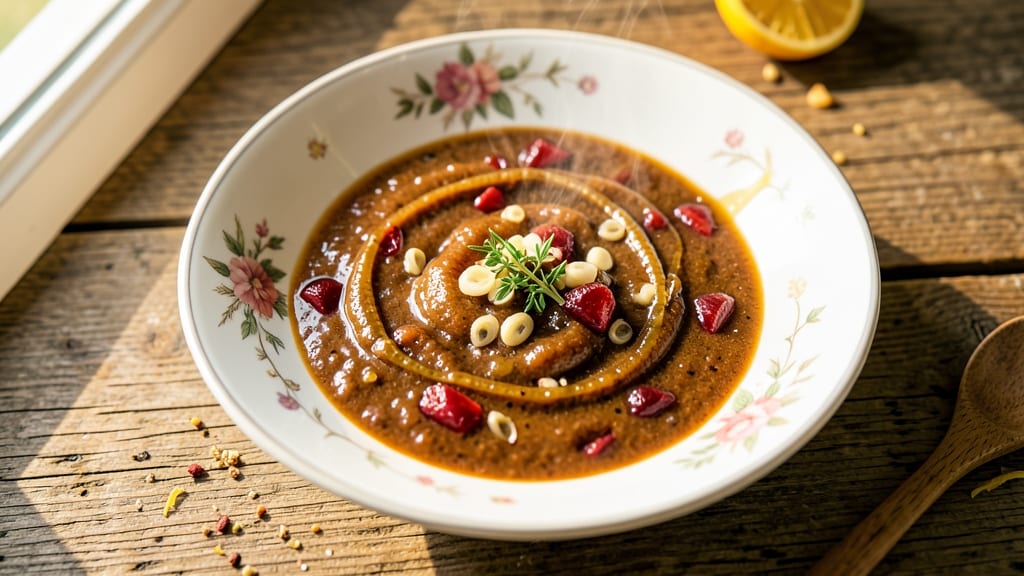
This apricot mustard sauce recipe transforms grilled meats into showstopping centerpieces with its perfect balance of sweet and tangy flavors. The secret lies in combining apricot preserves with Dijon mustard and a touch of vinegar, creating a sauce that's rich, glossy, and packed with depth.
I developed this recipe after years of experimenting with fruit-based sauces—it's the one that finally delivers that restaurant-quality finish without requiring advanced techniques.
The beauty of this sauce is its versatility—it works equally well as a glaze for pork chops, a dipping sauce for lamb kebabs, or even a spread for sandwiches.
The apricot preserves bring natural sweetness while the Dijon mustard adds that signature tang, and a splash of vinegar ensures the flavors cut through rich meats beautifully. What's more, this sauce comes together in just 10 minutes with simple pantry staples, making it perfect for weeknight dinners or special occasions.
What you'll end up with is a glossy, velvety sauce that clings perfectly to grilled proteins, enhancing their natural flavors rather than overpowering them. The balance of sweet and tangy creates a complex taste profile that's both sophisticated and approachable.
This isn't just another fruit sauce—it's a game-changer for anyone looking to elevate their grilling game with minimal effort.
The best part? This sauce keeps beautifully in the refrigerator for up to two weeks, so you can make a big batch and use it throughout the week.
Whether you're serving it with grilled chicken, pork tenderloin, or even as a glaze for roasted vegetables, this apricot mustard sauce will become your new go-to condiment. Let's get started on creating this flavorful masterpiece.
Ingredients for apricot mustard sauce
Sweet, tangy, and restaurant-quality—just 10 pantry staples transform grilled meats into showstoppers.
| Ingredient | Amount | Notes |
|---|---|---|
| Apricot Preserves 🍑 | ½ cup | High-quality, no added sugar preferred |
| Dijon Mustard 🌶️ | ¼ cup | Mild or strong depending on preference |
| Red Wine Vinegar 🍷 | 1 tbsp | For tangy brightness |
| Honey 🍯 | 1 tbsp | Optional, for extra sweetness |
| Shallots 🧅 | 2 whole | Finely minced for depth |
| Garlic Cloves 🧄 | 2 cloves | Minced for aromatic punch |
| Fresh Thyme Leaves 🌿 | ½ tsp | Or 1/4 tsp dried thyme |
| Extra-Virgin Olive Oil 🫒 | ¼ cup | For richness and gloss |
| Salt 🧂 | ½ tsp | Kosher or sea salt |
| Black Pepper 🌶️ | ¼ tsp | Freshly ground preferred |
The apricot preserves are the star here—look for brands with no added sugar like Bonne Maman or Smucker's for the most natural sweetness. Trader Joe's often carries excellent options at a great price. Dijon mustard should be the good stuff, not the yellow packet kind—Maille or Colman's are my go-tos. Shallots add that subtle depth that regular onions can't match, so if you've got them, use them. No shallots? A small yellow onion, finely minced, works in a pinch. The thyme? Fresh is ideal, but dried works at a quarter the amount—just make sure it's not ancient dust in your spice rack.
No honey? Maple syrup or agave will do, though honey's floral notes really elevate the sauce. Want more tang? Add another tablespoon of vinegar. Balsamic vinegar works too, but red wine vinegar gives that classic brightness. The olive oil matters here—use something fruity and high-quality. California olive oil brands like Corto or Bertolli are perfect. If you're feeling fancy, toast the shallots and garlic in the olive oil for 30 seconds before adding other ingredients—game-changer for depth. No fresh thyme? Dried is fine, just use less.
This sauce keeps beautifully for 2 weeks in the fridge, sealed in an airtight container. For extra shine, cover the surface with plastic wrap before sealing. Freezes for 3 months too, though the texture gets slightly thicker after thawing. I always make a double batch—one for grilling, one for sandwiches. The flavors actually improve after sitting overnight as everything melds together beautifully. Store it in a pretty jar on your pantry shelf so you'll use it up!
Why You'll Love This Recipe
- Five-Ingredient Magic: I swear by this—just blend, whisk, and taste. No peeling, no chopping, no fancy techniques. The shallots get a quick sauté, the preserves melt in, and boom: sauce ready.
- Sweet-Tangy Balance: That first bite? Chef’s kiss. The apricot’s jammy sweetness cuts through the sharp Dijon and vinegar, while honey rounds it out like a hug. Honestly, I’ll drizzle it on anything—grilled chicken, roasted veggies, even toast.
- Weeknight to Dinner Party: Make a double batch on Sunday and store it—it’s that good. Slather it on sandwiches for lunch, toss it with roasted carrots for dinner, or drizzle it over seared scallops when you’re feeling fancy. (Yes, even on a Tuesday night.)
- No-Waste Pantry Hero: I keep this recipe in my back pocket because it uses stuff I already have. A splash of vinegar, a spoon of honey, a jar of preserves—no extra shopping, no food going bad. Plus, it keeps for weeks in the fridge, so I’m never scrambling for a quick flavor boost.
Step-by-step instructions for apricot mustard sauce
This sauce comes together in minutes with bold flavors that'll elevate any grilled dish.
Sauté Shallots and Garlic Until Fragrant
Heat the 0.25 cup extra-virgin olive oil in a medium saucepan over medium-low heat. Add the 2 whole shallots that have been finely minced and cook for 3-4 minutes until they become translucent and just starting to soften. This is where the depth of flavor begins.
Add the 2 cloves minced garlic and cook for another 30 seconds until you can smell that aromatic punch filling your kitchen. Be careful not to let the garlic brown—it should be golden but not crispy. Remove the pan from heat for now and let the aromatics cool slightly while you prepare the other ingredients.
Whisk Together Wet Ingredients for Smooth Texture
In a separate bowl, combine the 0.5 cup apricot preserves, 0.25 cup Dijon mustard, 1 tbsp red wine vinegar, 1 tbsp honey, 0.5 tsp fresh thyme leaves, 0.5 tsp salt, and 0.25 tsp black pepper. Whisk vigorously for 1-2 minutes until everything is fully incorporated and smooth—no lumps should remain. The thyme leaves should be finely distributed throughout the mixture.
This is where the magic happens—the balance of sweet, tangy, and savory flavors comes together. The Dijon mustard adds depth, while the apricot preserves bring that fruity sweetness that pairs perfectly with grilled meats. The red wine vinegar cuts through the richness, and the honey rounds out the flavors beautifully.
Simmer the Sauce Until Thick and Glossy
Return the saucepan with the sautéed shallots and garlic to medium heat. Pour in the wet ingredient mixture and stir constantly for 3-4 minutes until the sauce begins to thicken. You'll notice it going from a loose consistency to something more cohesive and glossy.
If the sauce thickens too quickly, add 1-2 tablespoons of water to loosen it slightly. The goal is a smooth, velvety texture that clings beautifully to grilled meats. Taste and adjust seasoning if needed—you might want to add a touch more honey for sweetness or red wine vinegar for tang.
Finish with a Final Whisk for Perfect Consistency
Once the sauce reaches your desired thickness—it should coat the back of a spoon smoothly—remove it from heat. Give it one final whisk to ensure everything is perfectly combined. The sauce should be vibrant in color, with a beautiful balance of sweet and tangy notes.
Let the sauce sit for 2-3 minutes before serving to allow the flavors to meld completely. This sauce is best served warm, drizzled generously over grilled chicken, pork chops, or even as a dip for bread. The apricot and mustard combination creates a perfect harmony that'll make your dishes unforgettable.
Pro Tips For Making Apricot Mustard Sauce
- Sauté Shallots Slow: Don’t rush this step—cook the shallots over medium-low heat for 5-7 minutes until soft and translucent, not brown. I learned this the hard way when I burned them once and had to start over, ruining the whole batch. A little patience here keeps the sauce from tasting bitter.
- Strain the Preserves: If your apricot preserves are chunky, strain them through a fine-mesh sieve before adding to the sauce. This isn’t always necessary, but it makes the sauce silky smooth—especially if you’re drizzling it over delicate dishes like fish or chicken. (Yes, even if you’re impatient like me.)
- Balance Vinegar First: Taste the sauce before adding honey—start with the vinegar. Too much sweetness can overpower the tang, and you can’t fix that later. I was skeptical until I tried it; now, I always adjust the acid first, then tweak the sweetness.
- Warm Preserves Gently: Heat the apricot preserves in a small saucepan over low heat with a splash of water (about 2 tablespoons) to loosen them. Skipping this step makes the sauce clump like glue—trust me, you don’t want that. Stir constantly and keep it moving.
Best sauces and condiments for this recipe
Grilled Meat Glazes
This apricot mustard sauce is a game-changer for grilled pork chops, lamb chops, and even chicken thighs. Brush it on during the last 2-3 minutes of grilling for a caramelized, sticky finish.
I love using it on bone-in pork chops—the sauce clings beautifully to the meat while keeping it juicy inside. For extra drama, grill the meat first, then baste with warmed sauce before serving. 🔥
For ribeye steaks, reduce the sauce slightly to a thicker consistency before drizzling. The sweetness balances the richness of the beef perfectly. I recommend Maille Dijon mustard for a stronger kick or Colman's for a milder flavor.
The sauce also works wonders on grilled salmon—just add a pinch of smoked paprika to the recipe for a smoky twist.
Sandwich Spreads
Transform your sandwiches with this sauce as a spreadable condiment. Thin it slightly with 1-2 teaspoons of water or apple cider for a smoother texture. I love it on grilled chicken sandwiches, pork tenderloin panini, or even vegetarian wraps with roasted red peppers.
The sweet-tangy balance cuts through rich meats while adding a gourmet touch. 🥪
For a deconstructed charcuterie board, serve the sauce in a small bowl alongside prosciutto, aged cheddar, and crusty baguette. The contrast of salty, sweet, and tangy flavors is unbeatable.
You can also mix it into cream cheese for a sweet-and-sour spread that pairs perfectly with cucumber slices or smoked salmon.
Vegetable Drizzles
This sauce isn't just for meat—it elevates grilled vegetables like asparagus, zucchini, and portobello mushrooms. Toss them with the sauce after grilling and finish with toasted pine nuts or crumbled feta.
The sweetness complements the smoky char of grilled veggies beautifully. I often use it on roasted Brussels sprouts for a sweet-savory twist. 🥦
For a warm salad, drizzle the sauce over arugula, shaved fennel, and cherry tomatoes. Add shaved Parmesan and toasted walnuts for crunch. The acidity in the sauce brightens the salad, making it feel fresh and vibrant even in winter.
You can also use it as a dipping sauce for crudités like carrot sticks or celery.
Breakfast Twists
Start your day with this sauce on French toast or pancakes. Warm it slightly and drizzle over bacon, sausage, or fried eggs. The sweetness pairs surprisingly well with maple syrup and whipped cream.
I also love it on avocado toast with a sprinkle of flaky sea salt and red pepper flakes. 🍳
For a savory breakfast sandwich, spread it on sourdough toast with scrambled eggs and crispy bacon. The tangy-sweet flavor balances the richness of the eggs perfectly. You can even use it as a glaze for breakfast meats like grilled ham or turkey bacon. The possibilities are endless!
Nutrition facts
Frequently asked questions
Can I use apricot jam instead of preserves?
Yes, but there's a key difference! Preserves have more fruit chunks and less sugar than jam, which gives this sauce better texture and depth. If using jam, reduce the honey to 1 teaspoon to avoid excessive sweetness. For the best results, stick with high-quality preserves like Bonne Maman.
How do I adjust the sweetness or tanginess?
Easy! For more sweetness, add ½ teaspoon honey at a time. Need more tang? Add ½ teaspoon red wine vinegar or a pinch of lemon zest. Always taste as you go—this sauce is all about balance! The recipe's 1 tbsp honey and 1 tbsp vinegar create the perfect harmony.
Can I make this sauce without cooking?
For a no-cook version, simply whisk all ingredients together in a bowl. The sauce will be thinner but still delicious—great for sandwiches or dips. If you prefer a thicker consistency, simmer for 2-3 minutes until it coats the back of a spoon. The cooked version works best for glazing meats.
What's the best way to store leftovers?
Transfer to an airtight container and refrigerate for up to 2 weeks. For extra shine, press plastic wrap directly on the surface before sealing. Freeze for 3 months—just thaw in the fridge overnight. The flavors actually improve after sitting as everything melds together beautifully!
Can I use this sauce on seafood?
Yes! It pairs wonderfully with grilled salmon or shrimp skewers. For seafood, add a pinch of smoked paprika or fresh dill to complement the flavors. The sweet-tangy balance cuts through rich fish beautifully. Just avoid using it on delicate fish like sole—stick to heartier varieties.