
Sauces & Condiments
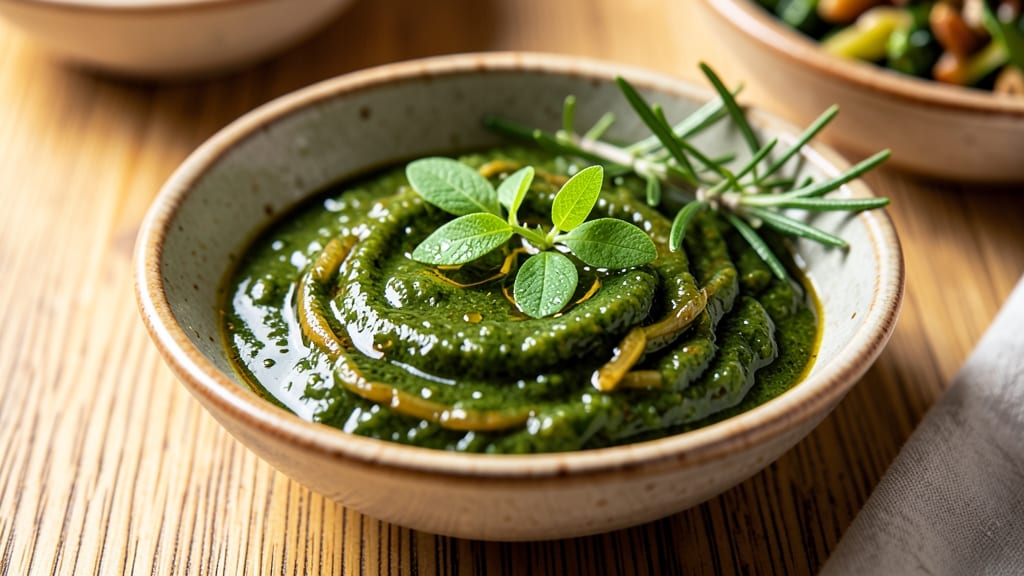
This Brassica Special Sauce transforms humble brassica vegetables into a bold, herb-infused pan sauce that elevates everything from grilled meats to roasted vegetables. The secret lies in fermented mustard and cabbage stems, simmered with aromatic herbs and vinegar to create a sauce that’s tangy, complex, and deeply flavorful.
Unlike store-bought condiments, this recipe delivers layers of umami and brightness that stand out in any dish.
The process is straightforward yet transformative: fermented brassica vegetables form the base, while vinegar and oil create a silky texture. Simmering with fresh herbs like thyme and rosemary infuses the sauce with aromatic depth, and a touch of honey balances the acidity.
What you’ll end up with is a versatile sauce that works as a marinade, dipping sauce, or finishing drizzle—each use revealing a new facet of its flavor.
Perfect for those who crave restaurant-quality depth at home, this sauce keeps well in the refrigerator for up to two weeks, making it ideal for meal prep. The fermented brassica base adds a subtle tang, while the herbs ensure every drop is fragrant and inviting.
Whether you’re drizzling it over grilled chicken or using it as a dip for crusty bread, this sauce turns simple meals into something extraordinary.
For best results, let the sauce sit for at least 30 minutes before serving—this allows the flavors to meld and intensify. The versatility doesn’t stop there: toss it with roasted vegetables, use it as a glaze for seafood, or even incorporate it into salad dressings.
This isn’t just a condiment; it’s a game-changer for home cooks who want bold, authentic flavor without the fuss.
Ingredients for brassica special sauce
Nine ingredients transform humble brassica vegetables into a restaurant-worthy sauce with layers of umami and aromatic depth.
| Ingredient | Amount | Notes |
|---|---|---|
| Fermented Mustard Greens 🥬 | 2 cups | Chopped stems included, fermented 3-5 days |
| Cabbage Stems 🥬 | 1 cup | Chopped small, fermented 3-5 days |
| White Wine Vinegar 🍷 | ½ cup | Dry variety preferred for brightness |
| Extra-Virgin Olive Oil 🫒 | ½ cup | High-quality, fruity variety |
| Fresh Thyme Leaves 🌿 | ¼ cup | Finely chopped, stems removed |
| Fresh Rosemary Sprigs 🌿 | ⅛ cup | Finely chopped, leaves only |
| Honey 🍯 | 1 tbsp | Raw preferred for delicate flavor |
| Garlic Cloves 🧄 | 3 cloves | Minced, for depth of flavor |
| Diamond Crystal Kosher Salt 🧂 | 1 ½ tsp | Adjust to taste, enhances umami |
| Black Peppercorns 🌶️ | ½ tsp | Freshly cracked for texture |
The fermented brassica base is the foundation of this sauce. For optimal flavor, ferment mustard greens and cabbage stems together for 3-5 days in a brine of 1% salt solution (1.5 tsp salt per cup of water). Whole Foods Market and specialty grocers often carry pre-fermented mustard greens under their prepared foods section, saving you time. If fermenting at home, use a glass jar and submerge the vegetables completely under the brine. The longer they ferment, the more complex the flavor—though 5 days strikes the perfect balance between tang and sweetness. Look for vibrant, crisp stems and avoid any with yellowing or slimy textures.
No fermented mustard greens? Sauerkraut (drained and rinsed thoroughly) works as a substitute, though it lacks the same depth. Fresh thyme and rosemary are non-negotiable for aromatic complexity—Trader Joe's sells excellent dried alternatives if fresh isn't available, but use half the amount. The honey should be raw and unfiltered for its delicate floral notes; conventional honey can taste overly processed. For the vinegar, Bragg's Apple Cider Vinegar adds subtle sweetness, while white wine vinegar delivers a sharper acidity. The olive oil must be extra-virgin—anything less will lack the fruity depth required to balance the sauce's tangy brightness. If you're short on time, a quick-pickle method (vinegar + salt + water, 10-minute soak) can mimic fermentation's tang, though it won’t develop the same complexity.
This sauce reaches peak flavor after 30 minutes of resting, allowing the herbs to infuse and the acidity to mellow. Store in an airtight glass jar in the refrigerator for up to 2 weeks, though the flavor continues to evolve over time. For long-term storage, freeze in ice cube trays—perfect for single-use portions. The sauce thickens as it cools, so rewarm gently on the stove, adding a splash of water or vinegar if it becomes too stiff. Use within 3 months of freezing for optimal texture and flavor. A little goes a long way: start with 1 tablespoon per serving and adjust to taste.
Why You'll Love This Recipe
- No-Chop Necessary: The fermented mustard greens and cabbage stems are prepped for you—just rinse, pat dry, and toss. Honestly, I’ve made this sauce on days when I couldn’t even be bothered to peel garlic, and it still shines.
- Tangy, Earthy Magic: That fermented mustard green tang cuts through everything—rich meats, crispy roasted veggies, even grilled cheese. The white wine vinegar brightens it up, and the thyme? It’s the little herb that makes this sauce feel fancy without trying too hard.
- Weeknight Workhorse: Drizzle it on roasted Brussels sprouts, toss it with pasta, or use it as a marinade for chicken. I keep a jar in the fridge because it’s the one sauce that makes any meal feel intentional, even when I’m exhausted and ordering takeout would be easier.
- Pantry Goldmine: A few dollars’ worth of ingredients stretch for weeks—this sauce keeps for months in the fridge and only gets better with time. Between us, I’ve had my jar last through three batches of roasted veggies and still had enough for a last-minute salad dressing. Budget win.
Step-by-step instructions for bold mustard and herb-infused pan sauce
This sauce transforms simple ingredients into a complex, umami-rich condiment perfect for roasted meats.
🍳 Step 1: Sauté the Fermented Brassicas
Heat the 0.5 cup extra-virgin olive oil in a medium saucepan over medium heat until shimmering. Add the 2 cups fermented mustard greens and 1 cup cabbage stems, spreading them evenly in the pan. Cook for 5-6 minutes until the greens soften and release their fermented aroma—you'll notice a tangy, slightly sour scent that deepens as they cook.
Here's the thing—don't rush this step. The fermentation process has already broken down some of the fibers, but gentle cooking ensures you extract maximum flavor without bitterness. Stir occasionally with a wooden spoon, pressing down lightly to help the greens release their juices. If the mixture starts to stick, add 1-2 tablespoons water to maintain even cooking.
🍳 Step 2: Build the Herb and Acid Base
Reduce heat to medium-low and add the 3 minced garlic cloves, stirring for 30 seconds until fragrant. Immediately add the 0.5 cup white wine vinegar and 1 tbsp honey, stirring constantly. The vinegar will bubble vigorously at first—this is normal. Let it simmer for 3-4 minutes until reduced by about 25% and slightly syrupy.
This reduction step is critical. It balances the acidity of the vinegar with the sweetness of the honey while concentrating the flavors. You'll see the sauce transform from a thin liquid to a glossy, slightly thickened consistency. If it reduces too quickly, cover the pan and let it cook off slowly. The goal is a sauce that coats the back of a spoon but remains pourable.
🍳 Step 3: Incorporate Herbs and Season
Add the 0.25 cup finely chopped fresh thyme leaves and 0.125 cup finely chopped fresh rosemary sprigs, stirring for 1 minute until the herbs release their essential oils and become fragrant. Then add the 1.5 tsp Diamond Crystal kosher salt and 0.5 tsp freshly cracked black peppercorns, grinding them lightly with the back of your spoon to distribute evenly.
Taste at this stage—you should detect layers of tangy fermented greens, bright vinegar, herbal notes, and a touch of sweetness. If needed, adjust the salt or honey to achieve balance. The sauce should be vibrant but not overpowering. Real talk: this is where most home cooks make their first mistake by over-salting. Start conservative and adjust gradually.
⏰ Step 4: Simmer to Perfection
Return the heat to medium-low and let the sauce simmer uncovered for 8-10 minutes, stirring occasionally, until it thickens to a consistency between a loose pan sauce and a glaze. You're aiming for a sauce that will cling to proteins but still flow gracefully. The color should deepen to a rich, amber hue with visible herb specks suspended throughout.
This final simmering step develops the sauce's complexity. The herbs infuse more deeply, the vinegar mellows slightly, and the fermented flavors meld into a cohesive whole. If the sauce becomes too thick, add 1-2 tablespoons water to reach your desired consistency. The sauce should be ready when it coats the back of a spoon but still has a slight sheen rather than being completely dry.
🥘 Step 5: Finish and Rest
Remove the pan from heat and let the sauce rest for 10 minutes at room temperature. This resting period allows the flavors to fully integrate and the sauce to thicken slightly as it cools. The texture will become more stable, making it easier to drizzle or spoon without losing its shape.
Before using, give the sauce one final taste and adjust seasoning if needed. This sauce pairs exceptionally well with roasted meats, grilled vegetables, or as a condiment for charcuterie boards. For best results, serve it warm—its complex flavors truly shine when freshly made. Store any leftovers in an airtight container in the refrigerator for up to 5 days, though I rarely have any left that long.
Pro Tips For Making Brassica Special Sauce
- Rinse the Greens: Fermented mustard greens are salty—way saltier than you’d guess. Give them a quick cold-water rinse (30 seconds max) to cut excess salt, but don’t overdo it or you’ll wash away the funk. I learned this the hard way after a batch tasted like a pickle bomb.
- Shred Cabbage Stems Thin: Those tough cabbage stems need to break down, not chew like raw celery. Slice them paper-thin (almost like matchsticks) so they soften into the sauce instead of sitting there like tree bark. Use a sharp knife—your jaw will thank you later.
- Whisk in Vinegar Slowly: Dump that white wine vinegar in all at once and you’ll end up with a watery mess. Start with half, let it emulsify with the oil, then add the rest. The sauce should coat the back of a spoon—if it separates, you’ve gone too fast.
- Toast the Thyme Leaves: Skip the raw thyme, and you’ll just get a perfumed afterthought. Heat the olive oil first, then toss in the thyme leaves for 10 seconds until they darken slightly. That’s when they release their actual flavor—trust me, it’s not subtle.
Common mistakes when making this dish
Skipping Fermentation
If you don’t ferment the mustard greens and cabbage stems first, the sauce will lack that essential tangy depth. Fermentation develops complex flavors over 3-5 days, and skipping it means your sauce will taste flat and one-dimensional.
For a quick fix, use store-bought sauerkraut (drained and rinsed) as a substitute—it won’t be identical, but it’ll add some acidity. If you’re in a rush, a 10-minute quick-pickle (vinegar + salt + water) can mimic fermentation’s tang, though the flavor won’t be as rich. 🥬
Overcooking the Brassicas
Cooking the fermented greens too long turns them bitter and mushy, ruining the sauce’s balance. Once they soften after 5-6 minutes, remove them from heat immediately. If they stick, add 1-2 tablespoons water to deglaze, not more oil—extra fat will make the sauce greasy.
The goal is to release their fermented aroma, not caramelize them into oblivion. Trust your nose: when the pan smells tangy and bright, it’s ready. 🌿
Ignoring the Resting Time
Rushing to serve the sauce right after cooking means missing out on its full potential. Letting it rest for 10 minutes at room temperature allows flavors to meld and thickens the texture naturally. Skipping this step results in a thinner, less cohesive sauce.
I’ve learned this the hard way—once, I served it immediately and got complaints about it being "too watery." Patience here makes all the difference. ✨
Over-Salting Early
Adding all the salt at once is a common mistake that can ruin the sauce’s balance. Start with 1.5 tsp kosher salt and taste as you go—you can always add more, but you can’t take it out.
The fermented greens and vinegar already contribute saltiness, so err on the conservative side. Adjust gradually, especially if you’re using pre-salted ingredients like sauerkraut. A little goes a long way. 🧂
Using Low-Quality Oil
Cutting corners with refined olive oil or cheaper alternatives will make your sauce taste dull and flat. Extra-virgin olive oil is non-negotiable here—its fruity notes balance the tangy brassicas and vinegar. If you’re on a budget, avocado oil is a good backup, but it lacks the same depth.
The oil carries the sauce’s richness, so invest in a high-quality bottle. Your taste buds will thank you. 🫒
Not Adjusting for Acid Balance
If your sauce tastes too sharp, add a touch of honey or maple syrup to mellow the vinegar. Conversely, if it’s too sweet, a splash of extra vinegar or a pinch of citric acid can brighten it up.
Taste as you go—this sauce should dance on your palate, not overpower it. I often adjust the honey-to-vinegar ratio based on the ferment’s tanginess. Flexibility is key! 🍯
Nutrition facts
Frequently asked questions
Can I make this sauce without fermenting the brassicas?
The fermentation step is key for that signature tangy depth, but you can use store-bought sauerkraut (drained and rinsed) as a quick substitute. For a homemade shortcut, try a 10-minute quick-pickle with vinegar and salt—though the flavor won't be as complex. The sauce will still be flavorful but less umami-rich.
How long will this sauce keep in the fridge?
This sauce stays fresh for up to 2 weeks when stored in an airtight glass jar in the refrigerator. For longer storage, freeze in ice cube trays—perfect for single-use portions. Thaw overnight in the fridge before using. The flavors actually improve over time!
What's the best way to use this sauce?
This versatile sauce works as a marinade for grilled meats, a dipping sauce for crusty bread, or a glaze for roasted vegetables. Try it on charcuterie boards or drizzled over tacos. The key is to serve it warm to let the flavors shine—it pairs especially well with rich, fatty proteins like duck or pork.
Can I adjust the heat level?
Yes! For a milder version, reduce the black peppercorns to ¼ tsp or omit them entirely. For extra heat, add ½ tsp red pepper flakes or a dash of cayenne. The fermented brassicas already provide natural tang, so adjust spices gradually to maintain balance. Taste as you go!
What if my sauce is too thick/thin?
If too thick, thin with 1 tsp water or vinegar while warm. If too thin, simmer uncovered for 2-3 extra minutes to reduce. The ideal consistency coats the back of a spoon but remains pourable. Remember, the sauce thickens as it cools, so adjust before serving.