
Sauces & Condiments
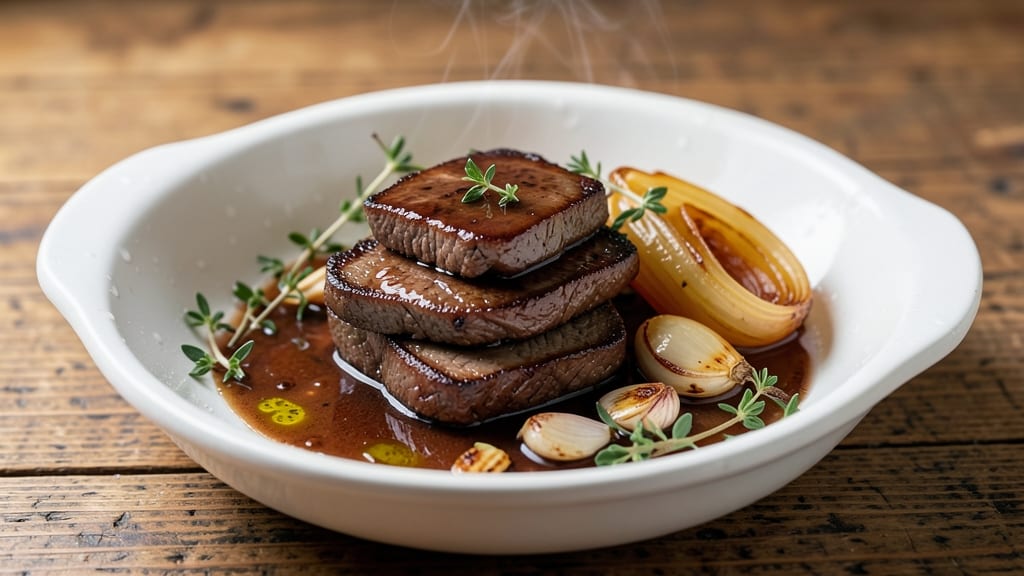
This beef liver sauce recipe transforms humble ingredients into a rich, velvety sauce with deep umami flavor and bright herbaceous notes. Pan-roasting the liver creates a concentrated base that simmers into a luxurious condiment perfect for drizzling over meats, eggs, or pasta.
The technique is straightforward but yields professional results—no shortcuts, just pure flavor development.
The foundation begins with caramelized onions and garlic, which form the sauce's aromatic backbone. A splash of red wine deglazes the pan, dissolving flavorful browned bits while adding acidity to balance the richness.
Simmering with beef broth and fresh herbs like thyme and bay leaf transforms simple ingredients into something extraordinary—complex, savory, and deeply satisfying.
What you'll end up with is a glossy, velvety sauce that coats everything it touches, enhancing rather than overpowering. The liver adds a meaty depth that elevates the sauce beyond basic preparations, while the herbs keep it bright and fresh.
This isn't just a condiment; it's a flavor enhancer that turns ordinary dishes into something special.
Store it in the refrigerator for up to a week or freeze for longer preservation—its versatility makes it a pantry staple. Whether you're finishing off a steak, enriching a pasta dish, or drizzling over roasted vegetables, this sauce delivers restaurant-quality results at home.
Ingredients for beef liver sauce
Ten ingredients crafting umami richness and herbaceous brightness in every spoonful.
| Ingredient | Amount | Notes |
|---|---|---|
| Beef Liver 🥩 | 8 oz | Fresh, trimmed of connective tissue |
| Yellow Onions 🧅 | 1 ½ cups | Thinly sliced, caramelized |
| Garlic Cloves 🧄 | 6 cloves | Minced, for depth of flavor |
| Dry Red Wine 🍷 | ½ cup | Bold variety like Cabernet Sauvignon |
| Beef Broth 💧 | 2 cups | Homemade or high-quality store-bought |
| Fresh Thyme 🌿 | ¼ cup | Leaves only, finely chopped |
| Fresh Bay Leaves 🍃 | 2 whole | For aromatic complexity |
| Extra-Virgin Olive Oil 🫒 | ½ cup | High-quality, fruity variety |
| Unsalted Butter 🧈 | 2 tbsp | Cold, for finishing |
| Diamond Crystal Kosher Salt 🧂 | 1 ½ tsp | Adjust to taste |
The beef liver is the heart of this sauce—freshness is critical. Look for vibrant, deep-red liver at your local butcher shop or high-end grocery stores like Whole Foods or Eataly. Trim away any connective tissue before cooking, as it can make the sauce bitter. The onions should caramelize to a deep amber color, which takes patience but builds the sauce's foundation. For the red wine, Cabernet Sauvignon or Merlot work best—their bold profiles complement the liver's intensity without overpowering it. If you're using dried thyme, reduce the amount to one-third of the fresh measurement, but fresh is ideal for that bright herbal note.
No red wine? Substitute with an equal amount of beef broth, though the sauce will be slightly less complex. Fresh thyme unavailable? Dried thyme works at one-third the quantity, but the flavor won't be as vibrant. For a deeper umami punch, add a 1 tbsp of soy sauce or a splash of fish sauce, though the latter is optional depending on dietary preferences. The olive oil should be extra-virgin—California or Italian varieties like Colavita or Bertolli add a fruity brightness that cuts through the richness. If you're short on time, pre-minced garlic from a jar works, though fresh is always superior for flavor.
This sauce peaks after 5-7 days in the refrigerator, as the flavors meld and deepen over time. Store it in an airtight container with a thin layer of olive oil on top to preserve freshness. For longer storage, freeze in ice cube trays—3 months of rich flavor waiting to elevate your dishes. The sauce thickens as it cools, so reheat gently on low heat, stirring occasionally. It's worth making a double batch; this sauce transforms everything from steak to roasted vegetables into a gourmet experience.
Why You'll Love This Recipe
- Pan in Hand: I swear by this recipe because it’s one pan, one sauce, done. Sear the liver in batches—no crowding—then deglaze with red wine while you dice onions. That caramelized fond? Pure flavor gold with zero extra effort.
- Umami Bomb: The combo of seared liver, garlic, and reduced wine creates a sauce that’s deep, rich, and slightly tangy—like a fancy bistro dish but made with pantry staples. Honestly, the beef broth ties it all together with that savory depth you can’t fake.
- Leftovers for Days: Make a big batch and freeze it—this sauce thaw-and-go magic is real. Toss it with pasta, drizzle over steak, or even mix into mashed potatoes. My freezer’s always stocked because it’s that reliable.
- Budget Powerhouse: Liver’s cheap, but it packs a punch—this recipe stretches into multiple meals without breaking the bank. Plus, using wine and broth instead of fancy sauces keeps costs low while delivering restaurant-quality results. (Yes, even on a Tuesday night.)
Step-by-step instructions for pan-roasted beef liver sauce
Transform simple ingredients into a rich, umami-packed sauce through precise technique and patience.
Sear the Beef Liver for Maximum Flavor
Heat the 0.5 cup extra-virgin olive oil in a heavy-bottomed skillet over medium-high heat until shimmering but not smoking. Pat the 8 oz beef liver completely dry with paper towels—this ensures a proper sear. Season generously with 1.5 tsp diamond crystal kosher salt on both sides, pressing firmly so the seasoning adheres.
Place the liver in the skillet and cook undisturbed for 2-3 minutes per side until the exterior develops a deep mahogany crust with slight charring. The interior should remain pink and just beginning to firm up—overcooking will make it tough. Transfer the liver to a plate and let rest for 5 minutes before slicing into ¼-inch thick pieces. Reserve the browned bits in the pan for the sauce base.
Caramelize Onions and Build the Sauce Foundation
In the same skillet (no need to clean it—the fond is pure flavor), reduce heat to medium-low and add the 1.5 cups yellow onions. Cook for 15-20 minutes, stirring occasionally, until deeply caramelized with a rich amber hue. This slow process develops complex sweetness that forms the sauce's backbone.
When the onions are nearly done, add the 6 cloves minced garlic and cook for 30 seconds until fragrant but not browned. Immediately deglaze the pan with the 0.5 cup dry red wine, scraping up all the browned bits with a wooden spoon. Let the wine reduce by half—this concentrated flavor is essential for depth.
Simmer with Broth and Aromatics
Pour in the 2 cups beef broth and add the 2 whole fresh bay leaves and 0.25 cup fresh thyme. Bring to a gentle simmer, then reduce heat to maintain a barely perceptible bubble. Skim off any foam that rises to the surface—this ensures a clean, velvety sauce texture. Simmer uncovered for 15 minutes to allow flavors to meld and the sauce to thicken slightly.
Here's the thing—this is where patience pays off. The sauce should reduce enough to coat the back of a spoon but remain fluid enough to coat the liver slices. If it thickens too much, whisk in 1-2 tablespoons of hot broth to adjust consistency. The thyme and bay leaves should infuse the liquid with their aromatic essence, creating a balanced herbal brightness.
Finish with Butter for Richness
Remove the skillet from heat and stir in the 2 tbsp cold unsalted butter, allowing it to melt and emulsify into the sauce. This final step adds luxurious mouthfeel and balances the acidity from the wine. Return the sliced beef liver to the skillet and gently toss to coat completely in the sauce. Let it warm through for 1-2 minutes off direct heat.
Taste and adjust seasoning—you may need a pinch more salt to harmonize the flavors. The sauce should be rich yet bright, with layers of caramelized onion, wine acidity, and herbal complexity. Serve immediately over polenta or crusty bread to capture the sauce at its peak texture and temperature.
Pro Tips For Making Beef Liver Sauce
- SEAR THE LIVER FAST: Get your pan screaming hot—medium-high isn’t enough—and cook the liver in batches if needed. Overcrowding steams it instead of searing, and you’ll end up with sad, gray chunks instead of rich, caramelized flavor. Two minutes per side max, until just firm to the touch.
- SWEAT ONIONS LOW AND SLOW: Skip the high-heat rush—onions should melt into the pan like butter, not brown like they’re in a hurry. Ten minutes over low heat with a splash of wine halfway through guarantees they’ll be silky smooth, not bitter or burnt. (Yes, even if you’re impatient like me.)
- DEGLAZE WITH WINE IMMEDIATELY: As soon as the liver hits the plate, pour that red wine into the pan while it’s still hot. Scrape every last bit of fond off the bottom with a wooden spoon—this is where the flavor lives. Let it reduce by half before adding broth, or you’ll dilute the sauce into nothing.
- STRAIN THE BROTH FIRST: Unless you’re using store-bought broth with mystery bits, strain it before adding to the sauce. Liver sauce isn’t a stew—you want it silky, not gritty. A fine-mesh sieve takes 30 seconds and makes a real difference. (I learned this the hard way after chewing on a surprise onion skin.)
Best sauces and condiments for this recipe
Classic Red Wine Reduction
This sauce's backbone is a red wine reduction that transforms the liver's natural umami into a velvety, concentrated flavor. After searing the liver, deglaze the pan with ½ cup bold red wine like Cabernet Sauvignon—its tannins cut through the richness while dissolving those precious browned bits.
Let it reduce by half before adding broth, which intensifies the wine's depth. I always use Whole Foods' 365 brand for consistency, but any high-quality dry red works. The reduction should take about 5 minutes—don't rush it. 🍷
Herb-Infused Broth Base
The beef broth forms the sauce's liquid foundation, but it's the fresh thyme and bay leaves that elevate it to restaurant quality. Add 2 whole bay leaves and ¼ cup fresh thyme (never dried here—freshness matters) to the simmering broth.
These aromatics infuse the sauce with bright, earthy notes that balance the liver's intensity. Simmer uncovered for 15 minutes to let the flavors meld without losing moisture. Skim off any foam that rises—this keeps the sauce silky smooth. 🌿
Butter Finish Technique
The cold butter finish is non-negotiable for texture and richness. Stir in 2 tablespoons cold unsalted butter at the very end—this creates a luxurious, velvety mouthfeel that coats every bite. The butter also tempers the wine's acidity, creating harmony.
I use Plugrá brand for its high butterfat content, but any European-style butter works. Let the butter melt completely before serving, but don't overheat or it'll separate. This step turns a good sauce into a great one. 🧈
Umami Boosters
For an extra layer of depth, consider adding 1 tablespoon soy sauce or ½ teaspoon fish sauce during the simmering stage. These ingredients amplify the liver's natural umami without overpowering. I often use Kikkoman soy sauce for its balanced profile.
If you're vegetarian or avoiding fish sauce, a splash of mushroom broth works too. The key is to add these late—after the wine has reduced but before the butter finish. 💡
Storage Secrets
This sauce tastes even better after 2-3 days of refrigeration as the flavors deepen. Store it in an airtight glass container with a thin layer of olive oil on top to preserve freshness. For longer storage, freeze in ice cube trays—thawed portions work perfectly for quick meals.
Reheat gently on low heat, stirring occasionally to prevent separation. The sauce will thicken as it cools, so add a splash of warm water if needed. ❄️
Nutrition facts
Frequently asked questions
Can I substitute chicken liver for beef liver in this sauce?
Yes, but expect a milder flavor profile. Chicken liver has less umami depth than beef, so you may want to add ½ teaspoon fish sauce or 1 extra bay leaf to compensate. The texture will be slightly more delicate—cook it for 1-2 minutes less per side to avoid overcooking.
How do I prevent the sauce from becoming too thick?
If your sauce thickens beyond a spoon-coating consistency, simply whisk in 1-2 tablespoons of hot beef broth while simmering. For a smoother texture, strain the sauce through a fine-mesh sieve before serving. The key is maintaining a gentle simmer—never boil vigorously, or it'll reduce too quickly.
What are the best dishes to serve with this sauce?
This versatile sauce elevates steak, roasted potatoes, or crusty bread as a dip. Try drizzling it over pasta (like fettuccine) or using it as a finishing sauce for grilled meats. For a unique twist, spoon it over poached eggs—the richness pairs beautifully with runny yolks.
Can I make this sauce ahead of time?
This sauce actually improves with 2-3 days of refrigeration as flavors meld. Store it in an airtight glass container with a layer of olive oil on top. For longer storage, freeze in ice cube trays—thawed portions work perfectly for quick meals. Reheat gently on low heat, stirring occasionally.
Why does my sauce taste bitter?
Bitterness usually comes from overcooking the liver or onions. Ensure your liver is not over-seared (it should be pink inside) and onions are caramelized but not burnt. Balance the flavor with a pinch of sugar or a splash of lemon juice at the end. Fresh thyme and bay leaves should be added late to avoid over-infusing.