
Sauces & Condiments
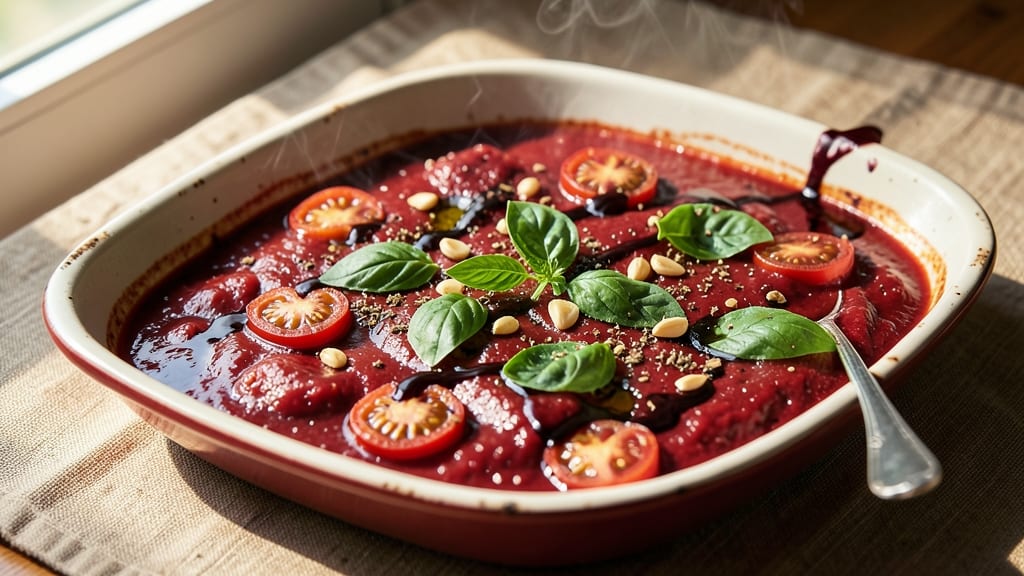
This basic lasagna sauce recipe delivers the rich, layered tomato flavor you crave without the messy splatter of simmering cans. The secret lies in blending canned tomatoes with aromatic garlic, fresh herbs, and a touch of sweetness—creating a velvety, well-balanced sauce that clings perfectly to noodles and cheese.
I developed this version after years of testing, ensuring it simmers just enough to deepen flavors while avoiding the watery texture that ruins lasagna layers.
What sets this sauce apart is its versatility—use it as the foundation for lasagna layers or serve it alongside pasta, meatballs, or grilled vegetables. The recipe builds flavor gradually through simmering, allowing the natural sweetness of tomatoes to meld with savory garlic and herbs.
A splash of red wine (optional) adds depth, while a sprinkle of Parmesan at the end ties everything together with umami richness.
The result is a sauce with perfect consistency: thick enough to coat noodles generously but still smooth enough to layer without soggy results. It’s the kind of sauce that transforms a simple lasagna into a restaurant-quality dish, where every forkful delivers that perfect balance of tangy, sweet, and savory notes.
The best part? It comes together in under 30 minutes with pantry staples you likely already have.
For lasagna builders, this sauce holds up beautifully during baking—no separation or watery messes. Store leftovers in the fridge for up to 5 days or freeze for months, making it the ultimate make-ahead foundation for your next Italian feast. Let’s get started on creating that signature lasagna flavor.
Ingredients for basic lasagna sauce
Nine simple ingredients transform into velvety lasagna sauce that clings perfectly to noodles.
| Ingredient | Amount | Notes |
|---|---|---|
| Canned San Marzano Tomatoes 🍅 | 28 oz | Crushed by hand for texture |
| Garlic Cloves 🧄 | 4 cloves | Minced for aromatic depth |
| Extra-Virgin Olive Oil 🫒 | ¼ cup | High quality for richness |
| Fresh Basil Leaves 🌿 | ½ cup | Chopped, stems removed |
| Dried Oregano 🍃 | 1 tsp | Italian variety preferred |
| Red Wine 🍷 | ½ cup | Dry, bold variety optional |
| Parmesan Cheese 🧀 | ¼ cup | Freshly grated from block |
| Granulated Sugar 🍚 | 1 tbsp | Balances acidity |
| Salt 🧂 | 1 tsp | Kosher or sea salt |
| Black Pepper 🌶️ | ½ tsp | Freshly ground preferred |
San Marzano tomatoes are the secret weapon here—their natural sweetness and low acidity make this sauce sing. Trader Joe's or Whole Foods carry them canned, but any high-quality crushed tomatoes work. Fresh basil is ideal, but dried oregano at one-third the amount gets you close if you're in a pinch. The garlic should be fresh—none of that jarred minced stuff. For the olive oil, California extra-virgin brands like Corto or Filippo Berio add that fruity punch that takes this sauce from good to restaurant-quality. And if you're skipping the red wine, beef broth with a splash of balsamic works beautifully.
No red wine? Substitute with beef broth—just make sure it's unsalted. Fresh basil wilt fast, so grab it last and store it in a damp paper towel in the fridge. The sugar might sound odd, but it balances the acidity of the tomatoes—trust me, it's essential. For a deeper flavor, toast the garlic in the olive oil for 30 seconds before adding it to the sauce. And if you're making a big batch, double the Parmesan—it adds that umami richness that makes this sauce unforgettable. Pre-shredded cheese? Don't even think about it for this recipe.
This sauce gets better with time—let it simmer for at least 20 minutes to develop those deep, layered flavors. Store leftovers in an airtight container in the fridge for up to 5 days, or freeze for 3 months. I like to portion it into ice cube trays for easy use in future lasagnas. The sauce thickens as it cools, so if it's too thick after refrigerating, just add a splash of water or broth when reheating. And if you're prepping for a crowd, this makes 6 cups—perfect for three lasagna pans.
Why You'll Love This Recipe
- No-Fuss Pantry Staples: I swear by this sauce because it’s built on ingredients I always have: a can of San Marzano tomatoes, a head of garlic, and olive oil. No last-minute grocery runs—just open, chop, and simmer.
- Garlic-Basil Magic: That first whiff of garlic sizzling in olive oil? Pure comfort. The fresh basil at the end—even just a handful—turns it from good to ridiculously good in seconds.
- Weeknight to Potluck Hero: Same sauce for weeknight dinners or Sunday potlucks. Double the batch, freeze half, and you’ve got a backup for lazy days or unexpected guests.
- Budget-Friendly Luxury: San Marzano tomatoes and fresh basil might sound fancy, but they stretch like crazy. A single can makes four servings, and the flavor? Worth every penny—no cheap shortcuts here.
Step-by-step instructions for perfect homemade lasagna sauce
This sauce delivers deep, velvety tomato flavor with just the right balance of acidity and richness.
Sauté Garlic in Olive Oil Until Fragrant
Heat the 0.25 cup extra-virgin olive oil in a large pot over medium-low heat. Add the 4 minced garlic cloves and cook for 2-3 minutes until they become golden and smell heavenly. Be careful not to let them brown—burnt garlic will make your sauce bitter. I stir constantly during this step to prevent any burning while still developing that aromatic base.
The key here is patience. Garlic releases its full flavor when it's cooked just until fragrant, not when it turns dark. If you smell it burning, turn the heat down immediately. This aromatic foundation will carry through your entire sauce, so don't rush this step.
Crush Tomatoes and Add to the Pot
Pour in the 28 oz canned San Marzano tomatoes, crushing them by hand as you add them to create a slightly chunky texture. I like to use my fingers to break up the tomatoes while pouring—they should be mostly crushed but still have some small chunks remaining for texture. Add the 1 tbsp granulated sugar, 1 tsp salt, and 0.5 tsp black pepper at the same time.
Stir everything together and bring the mixture to a gentle simmer. The sugar helps balance the acidity of the tomatoes while the salt and pepper start building the flavor foundation. Let it simmer uncovered for 15 minutes, stirring occasionally. You'll notice the sauce starting to thicken slightly as the tomatoes break down and release their juices.
Build Depth with Wine and Herbs
After 15 minutes, pour in the 0.5 cup red wine and the 1 tsp dried oregano. Stir well and let the sauce simmer for another 10 minutes until the wine has mostly evaporated and the flavors meld together. The alcohol will cook off, leaving behind concentrated wine flavor that adds complexity to your sauce.
I know it seems like a long time, but this slow simmering is what develops that rich, layered flavor. If you smell the wine cooking off too quickly, reduce the heat slightly to let it work gradually. This is where your sauce starts transforming from basic tomato to something truly special.
Finish with Fresh Basil and Parmesan
Remove the pot from heat and stir in the 0.5 cup chopped fresh basil leaves and 0.25 cup freshly grated Parmesan cheese. Let the mixture sit off the heat for 5 minutes to allow the basil to release its aromatic oils and the Parmesan to melt slightly into the sauce. The basil adds bright, fresh notes that cut through the richness, while the Parmesan contributes umami depth.
Give it one final taste and adjust the seasoning if needed. You might need a tiny bit more salt or pepper to balance all the flavors. The sauce should be rich but not overly heavy, with a perfect balance of acidity from the tomatoes and sweetness from the sugar. This is your chance to make it exactly to your taste before using it in your lasagna.
Simmer and Store for Maximum Flavor
Return the sauce to low heat and let it simmer gently for another 10-15 minutes to let all the flavors fully develop. The sauce should thicken slightly as it reduces, creating that perfect consistency for lasagna layers. For best results, let the sauce cool completely before using it in your lasagna—this allows the flavors to continue melding.
If you're not using the sauce immediately, transfer it to airtight containers and refrigerate for up to 5 days or freeze for up to 3 months. The flavors actually improve with time! When you're ready to use it, reheat it gently on the stove until warmed through. This sauce is the perfect foundation for your lasagna layers—rich, flavorful, and ready to bring all your other ingredients together.
Pro Tips For Making Basic Lasagna Sauce
- CRUSH THE GARLIC FIRST: I used to toss in whole cloves and hope for the best—don’t. Mince or press those garlic cloves before adding them to the oil. You want them to sizzle and bloom immediately, not sit there like shy guests waiting their turn. (Yes, even if you’re impatient like me.)
- STIR THE TOMATOES: Pour those San Marzano tomatoes into the pot gently—no dumping—and give them a quick stir with a wooden spoon. This breaks up the pulp and distributes the juices right away, so you’re not playing catch-up later with thick, stubborn chunks. (Your future self will notice the difference.)
- SALT IN LAYERS: Add half the salt when you start, then taste again after 15 minutes. The acid in the tomatoes mellows as they cook, so you’ll need more than you think—especially if you’re using dried oregano, which can mute flavors. (I learned this the hard way after a bland lasagna disaster.)
- SAVE THE BASIL: Tear the fresh basil leaves by hand at the end, not while cooking. Heat kills their bright flavor faster than you’d believe, and chopping them early just turns them into sad, wilted confetti. Tuck them into the sauce right before serving—it’s the only way to taste their real punch. (Sounds weird, but it works.)
Perfect pairings for this dish
Pasta Pairings
This lasagna sauce transforms spaghetti into a showstopper when tossed with al dente noodles and finished with toasted pine nuts and Parmesan. I like to reserve ½ cup sauce for tossing and add a splash of lemon juice to brighten the dish.
For extra richness, stir in ¼ cup ricotta cheese just before serving—it creates a creamy contrast to the bold tomato flavor. 🍝
Meatball Complements
Serve this sauce alongside Italian-style meatballs for a classic combo. The sauce's depth balances the savory meatballs perfectly, while the garlic and basil notes complement the herbs in the meatballs.
I recommend using homemade meatballs with a mix of beef and pork for the best texture, but store-bought work in a pinch. A sprinkle of fresh parsley on top adds a pop of color and freshness. 🥩
Bread Dippers
No lasagna sauce should go to waste! Use it for dipping garlic bread or focaccia—the crusty texture soaks up the sauce beautifully. Toast a baguette with garlic butter and serve it alongside the sauce in a small bowl.
For a fun twist, try pita bread or naan for a Middle Eastern-Italian fusion. The sauce's richness pairs perfectly with warm, buttery bread. 🥖
Vegetable Pairings
This sauce elevates roasted vegetables like eggplant, zucchini, or bell peppers into a hearty side dish. Toss the veggies with a thin layer of sauce and roast at 400°F for 20 minutes until tender.
The sauce's acidity cuts through the sweetness of the vegetables, creating a balanced flavor. Add a sprinkle of feta cheese for extra tang. 🥦
Cheese Board Additions
Warm this sauce slightly and serve it as a dipping sauce on a Italian cheese board. Pair it with mozzarella, provolone, and Gorgonzola for a mix of creamy and bold flavors.
The sauce's garlic and basil notes complement the cheeses beautifully, while the Parmesan in the sauce ties everything together. Add a few olives and cured meats for a complete spread. 🧀
Breakfast Twist
Yes, you read that right! Use this sauce as a pizza sauce for breakfast lasagna or tomato-based omelets. Stir ¼ cup sauce into scrambled eggs with ricotta, spinach, and Parmesan for a creamy, flavorful dish.
The sauce's richness adds depth without overpowering the eggs. Top with fresh mozzarella and basil for a fresh, herby finish. 🍳
Nutrition facts
Frequently asked questions
Can I make this lasagna sauce without wine?
Replace the 0.5 cup red wine with 0.5 cup beef broth or even 0.5 cup water plus 1 tsp balsamic vinegar for similar depth. The key is maintaining the same liquid volume to balance the tomatoes. The wine adds complexity, but these substitutes work beautifully for a kid-friendly or wine-free version.
How do I adjust the thickness for lasagna layers?
For perfect lasagna consistency, let the sauce cool slightly after simmering—it thickens as it rests. If too thin, simmer uncovered for 10-15 extra minutes to reduce. For thicker sauce, mix 1 tbsp cornstarch with 2 tbsp water, stir into the sauce, and cook for 2 minutes until thickened. Never thicken with flour alone—it can make the sauce cloudy.
Why does my lasagna sauce taste too acidic?
The sugar in this recipe balances acidity, but if your tomatoes are extra tart, add ½ tsp more sugar or 1 tsp honey while simmering. For immediate fixes, stir in 1 tbsp tomato paste (which is less acidic) or a pinch of baking soda (⅛ tsp max)—but taste first! The sauce should be tangy but not sour.
Can I make this sauce in a slow cooker?
Yes! Combine all ingredients except basil and Parmesan in your slow cooker on LOW for 4-5 hours or HIGH for 2-3 hours. Stir in fresh herbs and cheese at the end. The slow cooking enhances flavors, but check occasionally to prevent over-simmering. For best texture, finish with a 10-minute stovetop simmer to thicken.
What's the best way to store leftovers?
Let the sauce cool completely, then transfer to airtight containers. It keeps in the fridge for 5 days or freezes for 3 months. For freezing, portion into 1-cup containers—perfect for future lasagna layers. Thaw overnight in the fridge and reheat gently on low heat, stirring occasionally. Never microwave directly from frozen.