
Sauces & Condiments
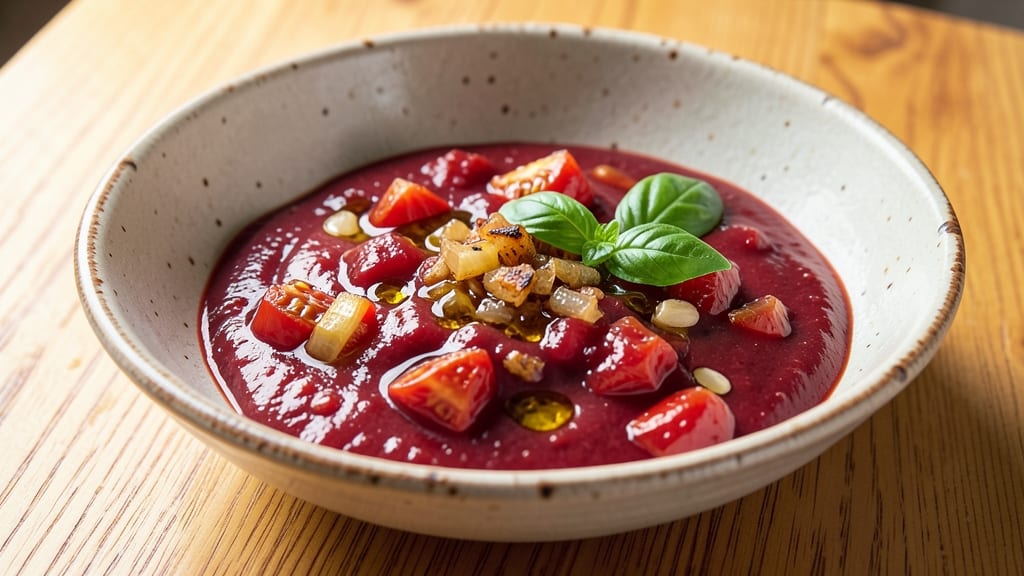
This Barone sauce recipe delivers the rich, velvety tomato sauce that makes every bite of pasta, pizza, or sandwich unforgettable. The secret lies in slow-simmering fresh tomatoes with aromatic garlic, celery, and olive oil until the flavors meld into a deep, complex harmony—no canned shortcuts here.
I developed this version after years of perfecting the balance between sweetness and acidity, ensuring each spoonful delivers restaurant-quality depth.
The process is simple yet transformative: fresh tomatoes are simmered until their natural sugars concentrate, while garlic and celery crowns infuse the sauce with subtle earthy notes. A touch of red wine vinegar brightens the flavor, cutting through the richness without overpowering it.
The result is a sauce that's silky smooth yet vibrant, with just enough body to cling to noodles or crusts.
What sets this Barone sauce apart is its versatility—it elevates everything from spaghetti to grilled meats, while its natural acidity makes it perfect for dipping bread or drizzling over roasted vegetables.
The slow cooking process develops flavors that bottled sauces can't match, and the celery crowns add a delicate crunch that keeps the sauce interesting.
Once complete, this sauce keeps beautifully in the fridge for up to a week or can be frozen for months, making it ideal for meal prep.
Whether you're serving a family dinner or prepping for the week, this recipe ensures you'll always have a premium-quality sauce on hand without the expense or preservatives of store-bought versions.
Ingredients for barone sauce
Fresh tomatoes, celery crowns, and olive oil—this sauce is all about quality ingredients simmered low and slow.
| Ingredient | Amount | Notes |
|---|---|---|
| Fresh Roma Tomatoes 🍅 | 4 lb | Crushed by hand for texture |
| Extra-Virgin Olive Oil 🫒 | ¾ cup | High-quality, fruity variety |
| Yellow Onion 🧅 | 1 whole | Diced, medium size preferred |
| Celery Stalks 🥬 | 4 whole | Cut into crowns for crunch |
| Garlic Cloves 🧄 | 6 cloves | Minced, not pressed |
| Red Wine Vinegar 🍷 | 2 tbsp | For brightness, not acidity |
| Kosher Salt 🧂 | 1 ½ tsp | Diamond Crystal preferred |
| Black Peppercorns 🌶️ | ½ tsp | Freshly cracked for heat |
| Fresh Basil Leaves 🌿 | ½ cup | Chopped, stems removed |
| Fresh Parsley Leaves 🌿 | ¼ cup | Chopped, for freshness |
The tomatoes are the heart of this sauce, so Roma tomatoes are ideal—they're meaty and crush easily. Local farmers markets often have them in season, but the grocery store works too. Look for ones that are firm but yield slightly when pressed. Celery crowns are key for that signature crunch—Trader Joe's sells them pre-cut, which is a game-changer if you hate chopping. The olive oil should be extra-virgin with a fruity aroma, not that cheap stuff that smells like soap. I always grab a bottle of California extra-virgin from the store's olive oil section—it's worth the extra few bucks for the flavor.
No Roma tomatoes? Heirloom or beefsteak varieties work too—just seed them first. Running short on celery crowns? Regular celery stalks cut into thick slices will do, though they'll soften faster. The red wine vinegar can be swapped for white wine vinegar or lemon juice, but it won't have the same depth. Fresh basil and parsley are ideal, but dried works at one-third the amount if you're in a pinch. The garlic is non-negotiable though—freshly minced makes all the difference. No food processor for crushing tomatoes? Your hands and a big bowl will work just fine—just be ready for a little mess.
This sauce tastes even better the next day as the flavors meld. Store it in an airtight container in the fridge for up to 1 week, or freeze it for up to 3 months in ice cube trays for single servings. I always make a double batch—one for immediate use and one to freeze. The celery crowns will soften, but they still add texture. If you want to keep that crunch, reserve some fresh celery crowns and add them back when serving. Leftovers reheat beautifully—just warm on the stove or microwave until hot.
Why You'll Love This Recipe
- No-Fuss Sauté: I swear by this sauce because it’s the kind of recipe where you can chop while talking on the phone—onion, celery, and garlic get softened in olive oil until they’re barely there, just enough to melt into the tomatoes. The Roma tomatoes? They practically break down on their own once they hit the pan, so you’re not stuck with a chunky mess.
- Umami Bomb: That slow simmer of tomatoes with garlic and olive oil? It’s where the magic happens. The sauce thickens just enough to cling to pasta or meat, but it’s never heavy—just rich, with a bright acidity that makes every bite taste like you spent hours in the kitchen. (Spoiler: It’s ready in 30 minutes.)
- Pantry Staple Power: Here’s what sold me—this sauce uses ingredients you already own. No weird spices or hard-to-find items; just tomatoes, onion, celery, and garlic. It’s the kind of thing you can toss together when you’re staring at a half-empty fridge, and suddenly? Dinner’s saved.
- Leftovers That Shine: Between us, I make this sauce on Sundays because it improves over time. The flavors deepen in the fridge, so the next night’s pasta tastes even better. Plus, it freezes like a dream—just reheat and drizzle over anything. My lazy weeknight self thanks me every time.
Step-by-step instructions for Barone sauce
Here's how to build this classic Italian sauce with layers of flavor and texture.
Prepare the Vegetable Base
Heat the 0.75 cup extra-virgin olive oil in a large Dutch oven over medium heat. Add the 1 whole yellow onion and 4 whole celery stalks (cut into crowns) and cook for 8-10 minutes until the onion becomes translucent and the celery softens. Stir occasionally to prevent browning.
Here's the thing—don't rush this step. You want the vegetables to release their natural sweetness and flavors without burning. If you notice any browning, reduce the heat slightly and keep stirring. Once they're tender but not browned, add the 6 cloves minced garlic and cook for another 30 seconds until fragrant. That garlic should smell amazing, not burnt—if it starts to darken, remove the pan from heat immediately.
Build the Tomato Foundation
Add the crushed 4 lb fresh Roma tomatoes to the Dutch oven. Stir everything together and bring to a gentle simmer over medium-low heat. Here's where the magic happens: let the sauce cook uncovered for 45 minutes while you stir occasionally. You're looking for the tomatoes to break down and release their juices, creating a thick, velvety base.
I like to use a wooden spoon for this step—it helps scrape up any browned bits from the bottom of the pan, which adds deep, rich flavor. After 30 minutes, taste the sauce. It should be developing complexity but still have a bright tomato flavor. If it's too thin at this point, don't worry—it'll thicken as we continue.
Season and Simmer
Add the 2 tbsp red wine vinegar, 1.5 tsp kosher salt, and 0.5 tsp freshly cracked black peppercorns to the simmering tomatoes. Stir well to distribute the seasoning evenly. The vinegar will brighten the sauce and cut through any acidity from the tomatoes.
Now we're going to let this sauce develop for 1 hour over low heat. This slow cooking process allows all the flavors to meld together beautifully. I usually set a timer and check it every 15 minutes or so, stirring gently. You'll notice the sauce gradually thickens as the water content evaporates. The goal is to create a sauce that coats the back of a spoon—that's when you know you're getting close.
Finish with Herbs and Crunch
About 10 minutes before the sauce is done, stir in the 0.5 cup chopped fresh basil leaves and 0.25 cup chopped fresh parsley leaves. These herbs will add freshness and brightness to the rich tomato base. Give everything a good stir and let the flavors meld together for those final minutes.
For the celery crown crunch, remove 4 celery crowns from the sauce before it finishes cooking. Set them aside to cool slightly. When you're ready to serve, add them back to the sauce just before plating. This gives you that perfect texture contrast—creamy sauce with a satisfying crunch. The sauce should be thick enough to coat a spoon but still have a nice, velvety consistency.
Pro Tips For Making Barone Sauce
- Sweat, Don’t Burn: Barone sauce starts with the soffritto—onion, celery, and garlic—so cook it low and slow until the onion is translucent and the celery’s edges just soften. I learned this the hard way: charred garlic turns bitter, and you’ll end up tasting smoke instead of sweetness. Keep the heat at a steady simmer, not a sizzle, and stir occasionally to avoid sticking.
- Skin Tomatoes First: Roma tomatoes are delicate, but their skins can turn rubbery when simmered. Blanch them in boiling water for 30 seconds, then shock in ice water before peeling and crushing. This keeps the sauce silky and prevents that sad, mealy texture that ruins a good batch. (Yes, it’s extra work, but your sauce will thank you.)
- Crush, Don’t Blend: Barone sauce relies on texture—rough chunks of tomato, not a smooth purée. Use your hands (or a potato masher) to break them down unevenly, leaving some larger pieces. Blending turns it into a generic marinara; the rustic bite is what makes this sauce special. I was skeptical until I tried it—now I won’t go back.
- Salt the Tomatoes Early: Add a pinch of salt to the crushed tomatoes right after they hit the pot. This draws out excess water and concentrates their flavor before the sauce even simmers. Skip this, and you’ll end up with a watery, diluted sauce that needs hours to thicken. (Your future self will thank you.)
Pro cooking tips for great barone sauce
Low-and-Slow Secrets
This sauce thrives on patience—your Dutch oven becomes a flavor factory when you maintain low heat throughout. I swear by a heavy-bottomed Dutch oven (like Le Creuset) to distribute heat evenly and prevent scorching.
The key is gentle simmering: you want bubbles breaking the surface occasionally, not a rolling boil that burns off delicate flavors. 🌡️
After adding tomatoes, I always cover the pot loosely with a lid for the first 30 minutes to help them break down faster. Then I uncover it to let excess moisture evaporate—this is how you get that velvety thickness without adding flour or cornstarch.
Taste at the 45-minute mark: if it's too thin, reduce heat further and let it work its magic.
Garlic Timing Matters
Garlic is where many home cooks mess up—either burning it or undercooking it. Add minced garlic only after onions and celery have softened (8-10 minutes), then cook for exactly 30 seconds.
That's when it releases its sweet, nutty aroma without turning bitter. Pro tip: use a garlic press for even distribution, but never let it brown—remove the pan immediately if it darkens.
Crunch Control
The celery crowns are non-negotiable for texture, but timing is everything. Remove 4 crowns during the final 10 minutes of cooking and set them aside. Reheat them separately in 1 tsp olive oil over medium heat for 2 minutes before adding back—this revives their crunch.
For extra drama, I sometimes lightly toast the crowns in a dry pan until golden before mixing them in. 🥬
Acid Balance
The red wine vinegar is your secret weapon for brightness, but measure carefully—2 tbsp is perfect. Too much will overpower the tomatoes; too little leaves the sauce flat. I like to add it after 45 minutes of simmering when the tomatoes have started breaking down.
If your sauce tastes dull, a splash of lemon juice (just 1 tsp) can wake it up without altering the flavor profile.
Herb Integration
Fresh herbs should go in last—10 minutes before finishing—to preserve their vibrant flavors. I chop basil and parsley stems separately and add them whole for a pop of color that disappears when eaten.
For a restaurant-quality finish, I pulse 1 tbsp basil in a food processor with 1 tsp olive oil, then drizzle it over the sauce at the end. This creates a herb-infused oil that elevates every bite.
Nutrition facts
Frequently asked questions
What makes Barone sauce different from regular marinara?
Barone sauce stands out for its celery crown crunch and deeper flavor profile, thanks to slow-simmered fresh tomatoes and aromatic vegetables. While marinara often uses canned tomatoes and focuses on simplicity, Barone sauce builds complexity with minced garlic, red wine vinegar, and a 1-hour simmer to develop rich, velvety texture. The celery crowns add a signature crunch that sets it apart from smooth marinara.
Can I use canned tomatoes instead of fresh?
You can substitute 4 (28 oz) cans crushed tomatoes for the fresh ones, but the flavor won't be as vibrant. For best results, use San Marzano tomatoes (the gold standard) and add 1 tbsp tomato paste to deepen the color. Simmer for 20-30 minutes longer since canned tomatoes have less water content. The sauce will be smoother but lose the fresh tomato brightness.
How do I fix Barone sauce that's too thin?
If your sauce is too thin, simmer uncovered for another 30-45 minutes to reduce it naturally. For quicker results, mix 1 tbsp cornstarch with 2 tbsp cold water, stir into the sauce, and simmer for 5 minutes until thickened. Avoid flour—it can make the sauce taste gritty. The key is patience: Barone sauce should coat the back of a spoon when done.
What dishes pair best with Barone sauce?
Barone sauce shines on spaghetti, linguine, or pappardelle—its thickness clings beautifully to wide noodles. It's also perfect for grilled chicken or steak, bruschetta, or as a dipping sauce for crusty bread. The celery crunch makes it ideal for meatball subs or stuffed shells, while its acidity balances rich dishes like lasagna.
Can I make Barone sauce in a slow cooker?
Follow the same steps but transfer everything to a 6-quart slow cooker after the initial 10-minute sauté of onions and celery. Cook on low for 4-5 hours (or high for 2-3 hours), stirring occasionally. The slow cooker's gentle heat helps develop flavors without risk of burning. Just add herbs and celery crowns in the last 30 minutes to preserve their freshness.