
Sauces & Condiments
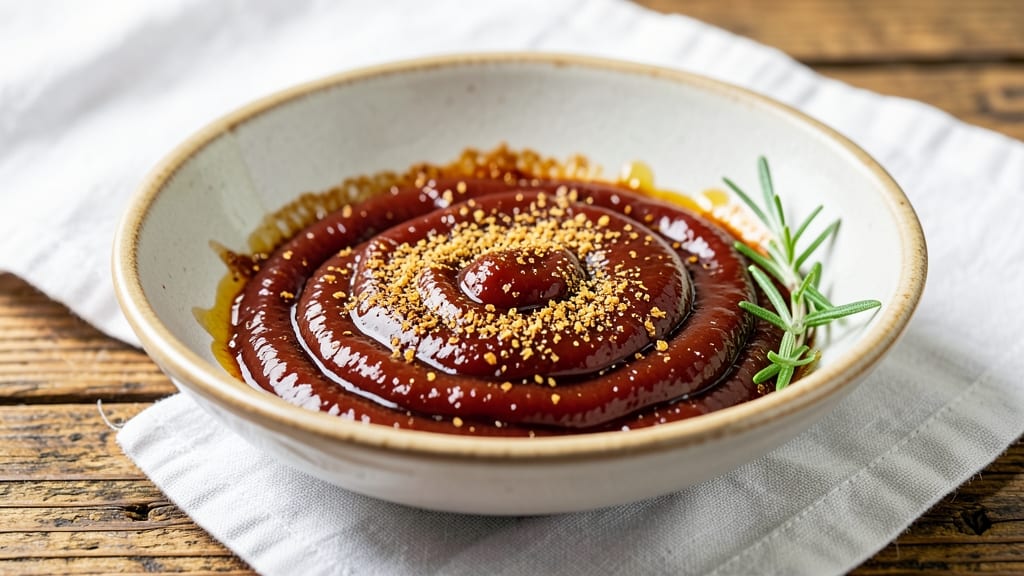
This barbecue basting sauce recipe transforms grilling into an art form with its smoky-sweet glaze that caramelizes beautifully under heat. The secret lies in a balanced blend of tomato paste, molasses, and vinegar, simmered until thick and rich with depth.
I developed this sauce after years of experimenting with commercial versions that never quite delivered the same restaurant-quality flavor at home.
The magic happens during the slow reduction process, where spices like smoked paprika and garlic powder meld into a complex, aromatic base. A splash of beef or chicken stock adds protein depth, while a touch of brown sugar enhances the caramelization.
This sauce isn't just for basting—it clings to meats, vegetables, and even toasts beautifully for dipping.
What you'll achieve is a versatile, professional-grade glaze that elevates any grilled or smoked dish. The sauce's thick, syrupy consistency ensures it caramelizes beautifully while keeping meats moist and flavorful. Whether you're slow-smoking brisket or grilling chicken, this basting sauce creates a glossy, irresistible crust that's impossible to resist.
Store leftovers in the fridge for up to two weeks or freeze for longer shelf life. The recipe scales perfectly for large gatherings, and the ingredients are simple enough for weeknight cooking. Let's create this game-changing sauce that will have everyone asking for seconds.
Ingredients for barbecue basting sauce
Eleven ingredients transform simple grilling into a restaurant-worthy experience with this smoky-sweet glaze.
| Ingredient | Amount | Notes |
|---|---|---|
| Tomato Paste 🍅 | ½ cup | High-quality, unsweetened preferred |
| Molasses 🍯 | ¼ cup | Unsulphured for authentic depth |
| Apple Cider Vinegar 🍏 | ¼ cup | For tangy brightness |
| Beef Stock 🥩 | ½ cup | Low-sodium preferred |
| Brown Sugar 🍚 | ¼ cup | Light or dark variety |
| Smoked Paprika 🌶️ | 2 tbsp | High-quality for smoky flavor |
| Garlic Powder 🧄 | 1 tbsp | Freshly ground preferred |
| Onion Powder 🧅 | 1 tbsp | For aromatic depth |
| Black Pepper 🌶️ | ½ tsp | Freshly cracked for heat |
| Kosher Salt 🧂 | 1 ½ tsp | Diamond Crystal preferred |
| Extra-Virgin Olive Oil 🫒 | 2 tbsp | For richness and gloss |
The foundation starts with high-quality tomato paste—avoid the watery canned varieties. Whole Foods or Trader Joe's carry premium brands like Muir Glen or Rao's. Molasses should be unsulphured for that authentic depth; Anthony's Goods is my go-to brand. For vinegar, apple cider vinegar from Bragg adds complexity beyond white vinegar. The beef stock? Kettle & Fire or Pacific Foods make excellent low-sodium options that won't overpower the sauce. Smoked paprika is non-negotiable—Penzeys or McCormick Gourmet deliver that authentic smokiness without artificial additives.
No beef stock? Chicken stock or vegetable broth works in a pinch, though it'll lack depth. Molasses too expensive? Maple syrup at half the amount mimics the caramel notes. Short on smoked paprika? A pinch of liquid smoke (like La Choy) plus regular paprika gets you close. The brown sugar can be swapped for turbinado sugar for a slightly coarser texture. Olive oil matters here—California Avocado Ranch or Colavita brands offer fruity notes that elevate the sauce. For extra richness, add 1 tablespoon of butter during the reduction, though it's optional.
This sauce thickens as it cools, so store it in a sealed glass jar in the fridge for up to two weeks. For longer shelf life, freeze in ice cube trays—perfect for single-use portions. The caramelized flavor actually improves over time, so make extra. If the sauce separates, simply reheat and whisk. A splash of water or stock can thin it out if needed for basting. For grilling, keep a small saucepan nearby to reheat portions—never apply cold sauce to hot meat
Why You'll Love This Recipe
- Pantry Magic: I swear by this sauce because it uses stuff I already have—no last-minute grocery runs. That molasses and tomato paste combo? Deep, smoky-sweet flavor without the fuss of hunting for specialty ingredients.
- Deep Umami Bomb: The vinegar cuts through the richness while the beef stock and brown sugar build layers of caramelized depth. Honestly, it’s the kind of sauce that makes your ribs or brisket taste like you slow-cooked them for hours—even if you didn’t.
- Weekend BBQ Hero: Slather it on chicken thighs for a Sunday supper, drizzle it over baked beans for a potluck, or toss it with roasted veggies when the kids are begging for something different. It’s my go-to for any occasion where I want to feel like a grill master.
- Leftovers That Don’t Let You Down: Make a double batch—it keeps for weeks in the fridge and freezes like a dream. I’ve used it months later on pulled pork or even as a marinade, and it never loses its punch. (Yes, even on a Tuesday night.)
Step-by-step instructions for smoky-sweet barbecue basting sauce
Master this sauce and you'll transform any grilled meat into a caramelized masterpiece.
Bloom the Spices in Olive Oil
Heat the 2 tablespoons extra-virgin olive oil in a medium saucepan over medium-low heat. Add the 2 tablespoons smoked paprika, 1 tablespoon garlic powder, and 1 tablespoon onion powder. Stir constantly for 1-2 minutes until the spices release their aromatic oils and the mixture becomes fragrant.
This step develops the sauce's foundational flavor. You'll notice the spices darken slightly and fill your kitchen with their warm, smoky aroma. Keep the heat gentle to prevent burning—burnt spices will make the sauce bitter. If the mixture darkens too quickly, reduce the heat immediately.
Combine Wet Ingredients
Add the 0.5 cup tomato paste, 0.25 cup molasses, 0.25 cup apple cider vinegar, 0.5 cup beef stock, and 0.25 cup brown sugar to the saucepan. Stir well to incorporate all ingredients and bring the mixture to a gentle simmer over medium heat.
The sauce will thicken slightly as it heats, but don't worry if it looks uneven at first. The molasses and vinegar will create a rich, tangy base while the tomato paste provides that classic barbecue depth. Let it simmer uncovered for 5 minutes to allow the flavors to meld together.
Season and Simmer to Perfection
Add the 1.5 teaspoons kosher salt and 0.5 teaspoon black pepper, then stir to combine. Reduce the heat to low and let the sauce simmer gently for 15-20 minutes, stirring occasionally. You're looking for a sauce that coats the back of a spoon with a glossy sheen and has thickened to a syrupy consistency.
This slow simmering process allows the sugar to caramelize naturally, creating that signature barbecue gloss. If the sauce thickens too much, add 1 tablespoon water at a time until you reach your desired consistency. The sauce should be thick enough to cling to meat but still flow smoothly when brushed on.
Test and Adjust the Balance
Remove the sauce from heat and taste it. At this point, you should notice a perfect balance of sweetness from the molasses and brown sugar, tang from the vinegar, and deep umami from the tomato paste and beef stock. If needed, adjust the seasoning with additional salt or vinegar for more tang.
For the ultimate basting experience, strain the sauce through a fine-mesh sieve to remove any lumps. Return it to the saucepan and warm through over low heat if needed. This sauce will continue to develop flavor as it sits, so it's best used within 24 hours for maximum impact.
Pro Tips For Making Barbecue Basting Sauce
- Simmer Slow and Steady: I learned this the hard way—rushing the sauce by boiling it hard turns the tomato paste into a gluey mess. Keep the heat at a gentle simmer (small bubbles, occasional swirls) for at least 15-20 minutes. This lets the flavors meld without burning the molasses or making the vinegar taste harsh.
- Bloom the Tomato Paste: Don’t just dump the tomato paste in cold. Cook it dry for 2-3 minutes in the pot first—this deepens the flavor and prevents a raw, floury taste. Stir constantly until it’s fragrant and darkens slightly, then add the other ingredients. (Yes, even if you’re impatient like me.)
- Balance the Vinegar: Apple cider vinegar is strong, and too much will make your sauce taste sour. Start with 1 tablespoon, taste as you go, and add more in ½-teaspoon increments. The goal is a bright tang, not a pucker—trust your tongue, not the recipe.
- Upgrade the Beef Stock: Skip the bouillon cube. Use homemade or high-quality store-bought beef stock (like Kettle & Fire or Pacific Foods) for richer depth. If you’re short on time, reduce a can of beef broth by half first—it concentrates the flavor without extra effort.
Dietary considerations for this dish
Gluten-Free Adaptation
This sauce is naturally gluten-free, but always double-check your ingredients—especially the smoked paprika and beef stock. Brands like Penzeys and Pacific Foods clearly label their products gluten-free.
The molasses and vinegar are also typically safe, but if you're highly sensitive, opt for certified gluten-free brands like Anthony's Goods for molasses. 🌾
Vegan Version
Replace the beef stock with 1 cup vegetable broth (low-sodium) and swap brown sugar for maple syrup to keep it plant-based. The tomato paste, molasses, and vinegar remain the same, ensuring that rich, smoky depth.
For extra umami, add 1 tablespoon soy sauce or 1 teaspoon liquid smoke to mimic the beefy notes. Trust me, it’s just as delicious!
Low-Sugar Options
Reduce the brown sugar to 2 tablespoons and replace the remaining 2 tablespoons with unsweetened applesauce or mashed banana for natural sweetness. You can also cut the molasses to 2 tablespoons and add 1 tablespoon honey (if not vegan) for a balanced sweetness without overpowering the sauce.
The caramelization will still happen—just more subtly. 🍯
Sugar-Free Alternative
For a diabetic-friendly version, eliminate the brown sugar and molasses entirely. Use 1 tablespoon erythritol or monk fruit sweetener instead, along with an extra 1 tablespoon apple cider vinegar to balance the flavor.
The sauce will still cling beautifully to meats, but with a tangier, less sweet profile. Always taste and adjust the seasoning afterward!
Allergen-Friendly Notes
If you're avoiding soy, skip the soy sauce substitution and rely on extra garlic powder and onion powder for depth. For nut allergies, ensure your olive oil is nut-free (some brands process in shared facilities).
The sauce itself is free of common allergens, but cross-contamination is always a risk when using shared kitchen tools. Keep a separate spoon for tasting to stay safe. ✨
Nutrition facts
Frequently asked questions
How do I prevent my basting sauce from burning when grilling?
Keep the sauce in a heatproof container or small saucepan nearby on the grill. Only apply sauce during the last 10-15 minutes of cooking, and use a basting brush to spread it thinly. Never apply cold sauce to hot meat—reheat it first. For extra safety, reduce the heat slightly when basting to prevent flare-ups.
Can I make this sauce ahead of time?
This sauce actually tastes better after 24 hours as the flavors meld together. Store it in an airtight container in the fridge for up to 2 weeks or freeze in ice cube trays for single-use portions. Reheat gently over low heat before using to restore its glossy consistency.
What's the best way to use leftover basting sauce?
Leftover sauce is perfect for dipping grilled vegetables, drizzling over sandwiches, or glazing roasted potatoes. You can also reduce it further to make a thicker marinade for next time. For extra richness, stir in 1 tablespoon butter before using as a dip. Just avoid reheating it too long or it may separate.
Why did my sauce turn out too thin?
This usually happens if you didn't simmer it long enough or used too much liquid. For next time, simmer uncovered for the full 15-20 minutes and let it cool slightly—it thickens as it cools. If it's already too thin, simmer it uncovered for another 5-10 minutes to reduce it. For immediate use, mix in 1 tablespoon cornstarch with cold water and stir it in.
What meats work best with this basting sauce?
This sauce excels with pork shoulder, chicken thighs, ribs, and salmon. For poultry, apply it during the last 10 minutes to prevent burning. For delicate fish like salmon, use it as a finishing glaze in the last 5 minutes. The sauce's thick consistency makes it perfect for clinging to all these proteins without falling off.