
Sauces & Condiments
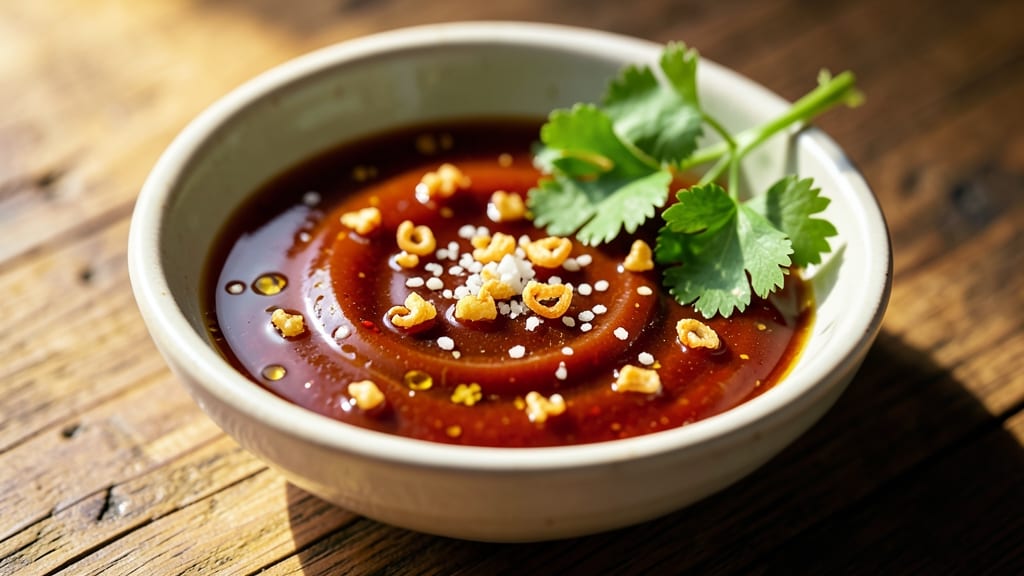
This bao dipping sauce recipe transforms simple pantry staples into a velvety, sweet-savory masterpiece that elevates every bite of your favorite steamed buns.
The secret lies in balancing rich soy sauce with bright vinegar and nutty sesame oil, creating a sauce that's equally at home with crispy bao or as a dipping companion for dumplings.
I developed this version after testing countless recipes, refining the ratios until the flavors achieved perfect harmony—sweet without being cloying, savory without overpowering, and with just enough heat to linger.
The foundation starts with light soy sauce and rice vinegar, which form the sauce's core. A touch of mirin or honey adds natural sweetness, while sesame oil contributes depth and aroma.
For texture, a spoonful of chili paste or sriracha introduces subtle heat, and a pinch of white pepper ensures complexity. The sauce comes together in just 5 minutes with no cooking required—simply whisk, taste, and adjust to your preference.
This version stays true to traditional bao sauces while offering flexibility for spicy or extra-sweet variations.
What makes this sauce truly special is its versatility—it works with both steamed and pan-fried bao, enhancing their textures rather than competing with them. The sauce develops even better when rested for 15 minutes, allowing flavors to meld.
Garnishes like toasted sesame seeds, cilantro, or a drizzle of chili oil add freshness and visual appeal, but they're optional for a cleaner presentation. Each batch delivers that restaurant-quality tang you crave, without the fuss.
Perfect for meal prep or last-minute gatherings, this sauce keeps well in the fridge for up to 2 weeks, with flavors deepening over time. Double the recipe if you're hosting—it disappears quickly!
Whether you're serving classic pork bao or experimenting with vegetarian fillings, this sauce will be the star of your table. Let's make it.
Ingredients for bao dipping sauce
Simple pantry staples create this velvety bao sauce masterpiece—sweet, savory, and packed with sesame zing.
| Ingredient | Amount | Notes |
|---|---|---|
| Light Soy Sauce 🥢 | ½ cup | Kikkoman preferred for authentic flavor |
| Rice Vinegar 🍶 | ¼ cup | Seasoned if available for extra depth |
| Mirin 🍯 | ¼ cup | Substitute honey if unavailable |
| Toasted Sesame Oil 🫒 | 1 tbsp | Essential for nutty aroma |
| Sriracha 🌶️ | 1 tbsp | Adjust for desired heat level |
| White Pepper 🌶️ | ¼ tsp | Freshly ground for optimal flavor |
| Garlic Cloves 🧄 | 2 cloves | Minced finely for smooth texture |
| Toasted Sesame Seeds 🥜 | 1 tbsp | For garnish and crunch |
| Fresh Cilantro 🌿 | ¼ cup | Chopped for garnish (optional) |
| Chili Oil 🌶️ | ½ tbsp | For garnish (optional) |
The soy sauce is your flavor anchor—Kikkoman delivers that classic umami punch, but La Choy works in a pinch. Grab seasoned rice vinegar if you can find it; otherwise, plain rice vinegar with an extra pinch of salt bridges the gap. Mirin adds that signature sweetness, but honey or agave (one-third less) does the trick too. Sesame oil is non-negotiable here—toasted is better, but regular will work if you toast it yourself in a dry pan for 30 seconds. For the heat, Sriracha is my go-to, but chili paste or gochujang adds deeper complexity if you're feeling adventurous.
No mirin? Honey or agave works beautifully, though mirin's acidity balances the sauce better. Short on sesame oil? Toasted peanut oil mimics the nutty depth (use half the amount). Want more heat? Double the Sriracha or add a pinch of red pepper flakes. The garlic cloves should be minced finely—almost paste-like—for a smooth sauce. Fresh cilantro and chili oil are optional but add that restaurant-quality finish. Trader Joe's carries great pre-toasted sesame seeds if you're short on time, and their cilantro stays fresh longer than grocery store varieties.
This sauce tastes even better after 15 minutes of resting—flavors meld like magic. Store in an airtight jar in the fridge for up to 2 weeks, though I rarely have leftovers that long. Double the batch if you're hosting; it disappears faster than you can say 'bao'. The sesame seeds and cilantro keep best in the freezer—just toast the seeds fresh before serving. For meal prep, portion into small jars so you can grab and go. Trust me, this sauce elevates everything from bao to dumplings.
Why You'll Love This Recipe
- Five-Ingredient Magic: I swear by this combo—just stir, taste, adjust. No measuring cups, no stress, no second-guessing. The mirin and rice vinegar do all the balancing while I sip my coffee.
- Umami Bomb: That first drop of toasted sesame oil? Pure flavor payoff. The soy and mirin create this deep, savory richness, but the sriracha cuts through like a bright little spark—perfect for when I want heat without overpowering.
- Party-Ready Secret: Make a double batch and keep it in the fridge. It’s my go-to for dim sum nights, potlucks, or when friends drop by unannounced. The sauce stays fresh for days, and honestly? No one ever asks where it came from.
- Budget Flex: I use this sauce so often I’ve stopped tracking costs. Light soy and rice vinegar are pantry staples, and a tiny bottle of sriracha stretches forever. It’s the kind of recipe that makes me feel fancy without breaking the bank.
Step-by-step instructions for bao dipping sauce
Here's how to balance sweet, savory, and spicy notes for the perfect bao companion.
Combine the Base Ingredients
In a small saucepan over medium-low heat, pour in the 0.5 cup light soy sauce, 0.25 cup rice vinegar, and 0.25 cup mirin. Stir gently to combine, being careful not to let the mixture bubble vigorously—we want to preserve the delicate sweetness of the mirin. Let it simmer for 3-4 minutes until the liquid reduces slightly and becomes slightly syrupy, but doesn't thicken completely. You'll notice the aroma deepen as the flavors meld together.
This reduction step is crucial—it concentrates the flavors and creates that perfect balance between the salty soy, tangy vinegar, and sweet mirin. If you're using seasoned rice vinegar, you'll already taste that extra depth right away. Keep the heat low to prevent any harsh flavors from developing.
Add Aromatics and Heat
Remove the saucepan from heat and let it cool slightly for 2-3 minutes. Then add the 1 tbsp toasted sesame oil, 1 tbsp sriracha, and 0.25 tsp freshly ground white pepper. Stir well to incorporate these elements completely. The sesame oil will add that nutty aroma we all love, while the sriracha brings the heat and the white pepper adds a subtle, clean spiciness that complements the other flavors beautifully.
Next, add the 2 cloves minced garlic and stir again. The garlic should be finely minced—almost like a paste—to ensure it distributes evenly without any noticeable pieces. Let the mixture sit at room temperature for 10 minutes to allow all the flavors to fully integrate. This resting period is where the magic happens—the garlic will soften slightly and release its aromatic oils, enhancing the overall flavor profile.
Finish and Garnish
Transfer the sauce to a bowl and let it cool completely to room temperature. Once cooled, stir in the 0.25 cup chopped fresh cilantro (if using) and the 0.5 tbsp chili oil. The cilantro adds a bright, fresh contrast to the rich, savory base, while the chili oil introduces an additional layer of heat and visual appeal. Taste and adjust the seasoning if needed—you might want to add a touch more soy sauce for saltiness or a splash of vinegar for tang.
For garnish, sprinkle the sauce with 1 tbsp toasted sesame seeds just before serving. These seeds add a delightful crunch and visual contrast that makes the sauce even more inviting. Serve immediately with warm bao buns—this sauce is best enjoyed fresh when all the flavors are at their peak. The texture should be smooth with a slight sheen, and the balance of sweet, savory, and spicy should be perfectly harmonized.
Pro Tips For Making Bao Dipping Sauce
- STIR IN ORDER: Mix your rice vinegar and mirin first—let them sit for 30 seconds before adding soy sauce. This prevents the vinegar from overpowering the sweetness right away, and the mirin softens the acidity so the flavors meld faster. (I used to dump everything in at once and wondered why it tasted harsh.)
- TOAST SESAME OIL LAST: Add toasted sesame oil right before serving—just a drizzle, not a splash. Heat destroys its nutty aroma, and if you mix it in early, it’ll mellow into the background instead of popping as the finishing touch. (Yes, even if you’re impatient like me.)
- DILUTE THE SOY SAUCE: Use 1 tablespoon of warm water per 2 tablespoons of light soy sauce—this cuts the saltiness and makes the sauce smoother. Cold water works, but warm dissolves the soy solids better, so you get a cleaner, silkier texture. (I learned this the hard way after slurping a mouthful that tasted like a salt lick.)
- BALANCE THE HEAT: Start with half the sriracha called for, taste, then add more. Store-bought sriracha varies wildly in spice level, and you want the heat to complement, not overpower, the umami and sweetness. (My first batch was a spicy disaster—I now keep a squeeze bottle of plain soy sauce on hand to dial it back.)
Perfect pairings for these flavors
Sweet-Savory Bao
This classic bao dipping sauce balances sweet mirin, savory soy sauce, and tangy rice vinegar for a perfect harmony. The 1 tbsp toasted sesame oil adds nutty depth while 1 tbsp Sriracha brings subtle heat. Serve it warm with steamed bao—it enhances the buttery texture beautifully. 🥢
Spicy Chili Oil Twist
For heat lovers, replace Sriracha with 1 tbsp gochujang or chili paste and add ½ tbsp chili oil on top. This version pairs perfectly with crispy pan-fried bao or char siu pork bao.
Garnish with extra sesame seeds for texture. The spice level is adjustable—start with ½ tbsp if you're sensitive.
Garlic-Infused Variations
Love garlic? Double the minced garlic to 4 cloves and let it infuse for 15 minutes before mixing. This creates a bold, aromatic sauce that works well with garlic butter bao or vegetarian fillings. For extra richness, add ½ tsp grated ginger alongside the garlic. 🧄
Sweet & Tangy Garnishes
Brighten the sauce with fresh cilantro or green onions for a fresh finish. A drizzle of honey (instead of mirin) adds extra sweetness, while pickled ginger introduces a tangy contrast. These garnishes elevate the sauce’s visual appeal and add layers of flavor. Keep them separate until serving to maintain freshness.
Beverage Pairings
Pair this sauce with jasmine tea to cleanse the palate between bites. For a refreshing contrast, try sparkling lychee juice—its sweetness complements the sauce’s savory notes. If you prefer beer, a light lager like Asahi balances the richness without overpowering the flavors. 🍶
Meal Prep Tips
Store the sauce in an airtight container in the fridge for up to 2 weeks. Keep the sesame seeds and cilantro separate until serving to preserve texture. Double the batch if prepping for a crowd—this sauce disappears fast! Reheat gently before serving to maintain its smooth consistency. ⏰
Nutrition facts
Frequently asked questions
Can I make this bao dipping sauce without mirin?
Swap the 0.25 cup mirin for 0.25 cup honey or agave—just reduce the amount slightly since these are thicker. For extra tang, add 1 tsp extra rice vinegar. The sauce will still taste balanced, though mirin's acidity gives it that signature depth.
How do I adjust the heat level?
Start with the 1 tbsp Sriracha as written for mild heat. For more spice, add ½ tbsp chili paste or extra chili oil. For a milder version, reduce the Sriracha to ½ tbsp and skip the chili oil. Always taste first—you can add more heat but can't remove it!
Can I use this sauce for other foods besides bao?
This versatile sauce works beautifully with dumplings, spring rolls, or even grilled meats. The sweet-savory balance complements crispy textures perfectly. For extra authenticity, try it with Chinese crepes or rice bowls. Just adjust the heat level to match your dish's flavors.
Why does my sauce look cloudy or separated?
Cloudiness usually means the sesame oil hasn't fully emulsified. Stir in ½ tsp cornstarch mixed with 1 tsp water and heat gently for 1 minute to clarify. For separation, whisk vigorously or add 1 tsp more sesame oil to help bind the ingredients. Always store properly in an airtight container.
What's the best way to store leftovers?
Keep the sauce in an airtight container in the fridge for up to 2 weeks. Store garnishes like sesame seeds and cilantro separately to preserve freshness. For longer storage, freeze the base sauce (without garnishes) for up to 3 months. Thaw overnight in the fridge before using.