
Sauces & Condiments
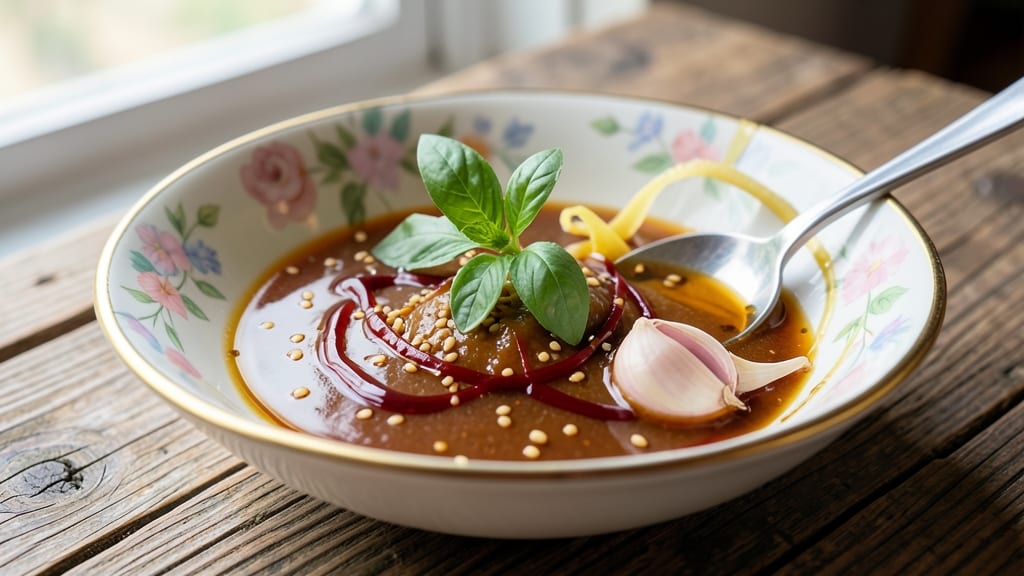
This Asian potstickers sauce recipe delivers the perfect balance of sweet, spicy, and umami in just 10 minutes—no complicated techniques required. The secret lies in combining soy sauce, rice vinegar, and a touch of sesame oil to create a sauce that clings to every crispy potsticker edge.
I developed this recipe after years of testing, and it’s now my go-to for restaurant-quality flavor at home.
The sauce starts with a simple base of soy sauce and rice vinegar, which provides that signature tangy-sweet balance. A dash of chili oil or minced garlic adds depth, while a splash of honey or sugar rounds out the flavors.
The result? A glossy, sticky sauce that enhances the natural savoriness of potstickers without overpowering them. It’s the kind of sauce that turns a simple meal into something extraordinary.
What makes this sauce truly special is its versatility—it works just as well with homemade or store-bought potstickers. The ingredients are pantry staples, and the preparation is straightforward, ensuring you’ll never settle for bottled sauces again.
Once made, it keeps well in the fridge for up to a week, making it perfect for meal prep or entertaining.
Whether you’re serving potstickers for a weeknight dinner or a weekend gathering, this sauce will elevate every bite. The combination of flavors is addictive, and the process is quick enough to make even on busy nights. Here’s how to create it—your taste buds will thank you.
Ingredients for asian potsticker sauce
Ten simple ingredients transform into the perfect sauce for crispy potstickers in minutes.
| Ingredient | Amount | Notes |
|---|---|---|
| Soy Sauce 🍶 | ½ cup | Light or dark variety preferred |
| Rice Vinegar 🍶 | ⅓ cup | Seasoned works best for depth |
| Sesame Oil 🫒 | 1 tbsp | Toasted for nutty aroma |
| Honey 🍯 | 2 tbsp | Or agave for vegan option |
| Chili Oil 🌶️ | 1 tbsp | Or red pepper flakes for heat |
| Garlic Cloves 🧄 | 3 cloves | Minced for smooth texture |
| Fresh Ginger 🌿 | 1 tbsp | Grated for zesty kick |
| Cornstarch 🌾 | 1 tsp | For thickening consistency |
| Water 💧 | 1 tbsp | For cornstarch slurry |
| Salt 🧂 | ¼ tsp | Adjust to taste |
The soy sauce is your flavor foundation—Kikkoman or Lee Kum Kee are my go-tos, but any good-quality brand works. Seasoned rice vinegar adds that signature tang without needing extra sugar. Trader Joe's has a great option, but even the basic white vinegar will do if you add a pinch of sugar. Fresh ginger and garlic? Buy them pre-minced if you're short on time—just drain well. The sesame oil is non-negotiable for that nutty aroma, so grab the toasted kind (not the refined). For chili oil, La Choy is my pantry staple, but any good-quality brand will give you that smoky heat.
No sesame oil? Toasted sesame seeds plus neutral oil works in a pinch. Short on honey? Maple syrup or brown sugar dissolved in water keeps things vegan-friendly. The cornstarch slurry is key for that glossy finish—don't skip it. If you're making this ahead, store the dry ingredients (soy, vinegar, honey, salt) separately and mix just before using. The garlic and ginger can be prepped ahead too—just keep them in airtight containers in the fridge. For extra depth, add a dash of fish sauce if you're not avoiding it, but it's optional.
This sauce keeps beautifully in the fridge for up to 1 week in an airtight container. The cornstarch helps it stay thick, but give it a quick stir before using. For longer storage, freeze in ice cube trays—thaw and microwave for 20 seconds to smooth out. I always make extra because it disappears fast. The perfect ratio for potstickers is about 2 tbsp per serving, but adjust to taste. If it's too thick, add a splash of water; too thin? Warm it gently with a bit more cornstarch slurry.
Why You'll Love This Recipe
- Pantry Magic: I swear by this sauce because it’s made with five things I always have on hand—no last-minute grocery runs. The sesame oil alone transforms something simple into something that tastes like it simmered all day.
- Sweet Heat Balance: That honey and chili oil combo is chef’s kiss—sweet enough to coat your tongue but with a kick that lingers. Drizzle it over steamed dumplings, and suddenly you’ve got restaurant-quality flavor without the fuss.
- Weeknight Hero: Between us, this is my go-to when I’m too tired to cook but still want flavor. Toss it with quick-fried rice or noodles, and dinner’s ready in 10 minutes—no one will guess it took zero effort.
- Budget Stretch: A little goes a long way, so I make a big batch and keep it in the fridge. A splash here, a splash there, and suddenly my grocery bill feels lighter while my meals taste richer. (Yes, even on a Tuesday night.)
Step-by-step instructions for sweet-spicy soy sauce
Here's how to make this vibrant sauce that brings potstickers to life with perfect balance.
Mince the Garlic and Ginger
Peel the 3 cloves garlic and finely mince them into tiny pieces—you want them almost paste-like for smooth texture. Then, grate the 1 tablespoon fresh ginger using a microplane or fine grater. The goal is to release all those aromatic oils without any visible chunks. I like to press the grated ginger between my fingers to break up any larger pieces.
Set these aside in a small bowl. The freshness of these aromatics makes all the difference in this sauce—don't skip the grating for ginger or you'll miss that bright, zesty kick that cuts through the sweetness. If you're using pre-minced garlic, that's fine, but fresh is always better when you can get it.
Create the Cornstarch Slurry
In a separate small bowl, whisk together the 1 teaspoon cornstarch and 1 tablespoon water until completely dissolved. This mixture should be smooth with no lumps—if you see any, keep whisking for another 10 seconds. The slurry is what will give your sauce that perfect glossy finish and help it coat the potstickers beautifully.
Set this aside for now. I always make the slurry first because it needs time to sit while you work on the other components. Pro tip: If you're in a hurry, you can use 1 teaspoon of all-purpose flour mixed with water instead, but cornstarch gives a cleaner, more professional result.
Combine Base Ingredients
In a small saucepan, combine the 0.5 cup soy sauce, 0.33 cup rice vinegar, 2 tablespoons honey, 1 tablespoon chili oil, and 0.25 teaspoon salt. Place the saucepan over medium heat and bring the mixture to a gentle simmer. You'll see tiny bubbles forming around the edges—that's your signal it's ready for the next step.
While heating, add the minced garlic and grated ginger to the pan. Stir constantly for about 1 minute until the garlic becomes fragrant and the ginger releases its bright aroma. The mixture should smell amazing at this point—like a perfect balance of sweet, tangy, and spicy. If you don't smell the garlic, it's not ready yet.
Thicken the Sauce
Slowly pour the cornstarch slurry into the saucepan while stirring continuously. The sauce will immediately begin to thicken—this is where it gets exciting! Keep stirring for about 2 minutes until the sauce reaches your desired consistency. It should coat the back of a spoon but still be pourable enough to glaze potstickers.
Here's the thing—this sauce thickens quickly, so don't walk away. If it gets too thick, you can thin it with a splash of hot water, but it's better to start with slightly less cornstarch if you're worried. The perfect consistency should be glossy with a smooth, velvety texture that clings beautifully to potstickers.
Finish with Sesame Oil
Remove the sauce from heat and immediately stir in the 1 tablespoon sesame oil. This final step adds that nutty aroma that makes this sauce truly special. The sesame oil should be well incorporated—you'll see it give the sauce a beautiful sheen and enhance all those other flavors.
Taste and adjust seasoning if needed. You might want a bit more salt or a touch more chili oil depending on your preference. Let the sauce cool slightly before using—it will thicken a bit more as it sits. This sauce keeps well in the refrigerator for up to 1 week, so you can make it ahead for your next potsticker night.
Pro Tips For Making Asian Potsticker Sauce
- Mix Soy Sauce Last: Add the soy sauce to your sauce after everything else is combined and warmed. Cold soy sauce dulls the flavors and makes the sauce taste flat—trust me, I’ve ruined a batch by rushing this step. Let the vinegar, honey, and sesame oil mingle first, then stir in the soy sauce when the mixture is just off the heat.
- Use Toasted Sesame Oil: Skip the regular sesame oil and grab the toasted version—it’s worth the extra dollar. The nutty depth from the toasted oil cuts through the sweetness of the honey and balances the tang of rice vinegar. I used to eye-roll at the price difference until I tasted the difference in my sauce.
- Balance Heat Gradually: Chili oil packs a punch—start with just a teaspoon and taste as you go. You can always add more, but you can’t take it out. I learned this the hard way when I dumped in a full tablespoon and ended up with a sauce that could double as a chili flake substitute.
- Warm the Honey First: Stir the honey into the warm (not boiling) mixture to help it dissolve smoothly. Cold honey sinks like a rock and clumps, making your sauce look (and taste) uneven. A quick 10-second dip in warm water before adding it does the trick—no lumps, no fuss.
Dietary considerations for asian potsticker sauce
Gluten-Free Adaptation
For a gluten-free version, replace the soy sauce with tamari or a gluten-free soy sauce like San-J Tamari. I’ve tested this swap and found it maintains the same umami depth without compromising flavor.
The cornstarch can also be substituted with arrowroot powder if you’re avoiding gluten entirely. Just use the same 1 teaspoon measurement—it thickens just as effectively. 🌱
Low-Sodium Options
If you’re watching your sodium intake, opt for a low-sodium soy sauce like Kikkoman Low Sodium and reduce the salt to just ¼ teaspoon. You can also balance the flavors with an extra ½ teaspoon of grated ginger or a splash of rice vinegar to keep the tang sharp.
Trust me, your taste buds will adapt quickly!
Vegan-Friendly Swaps
This sauce is already vegan, but if you’re using honey, swap it for agave nectar or maple syrup—both work beautifully. For extra depth, add ½ teaspoon of fish sauce substitute like Veganum.
The sauce will still shine with that signature umami punch, and no one will guess it’s plant-based. 🌿
Allergy Considerations
For nut allergies, skip the sesame oil and replace it with ½ teaspoon of toasted sunflower seed oil—it adds a neutral but slightly nutty note. If you’re also avoiding garlic or ginger, boost the chili oil to 1.5 tablespoons and add ½ teaspoon of smoked paprika for warmth.
The sauce will still be vibrant and full of flavor, just with a different profile.
Keto-Friendly Adjustments
To make this sauce keto-friendly, reduce the honey to just 1 tablespoon and increase the rice vinegar to ⅓ cup for extra tang. You can also add ½ teaspoon of erythritol or monk fruit sweetener if you prefer a touch of sweetness without the carbs.
The sauce will still cling beautifully to your potstickers while keeping them keto-compliant. ✨
Nutrition facts
Frequently asked questions
Can I make this sauce without cornstarch?
Yes! If you don't have cornstarch, use 1 teaspoon of all-purpose flour mixed with 1 tablespoon water for the slurry. The sauce will still thicken, though it may be slightly less glossy. For a completely cornstarch-free option, try ½ teaspoon of xanthan gum dissolved in water—it creates a similar thickening effect without altering flavor.
How do I adjust the spice level?
Start with 1 tablespoon of chili oil, then adjust to taste. For milder heat, reduce to ½ teaspoon and add ¼ teaspoon of smoked paprika for depth. If you love spice, increase to 2 tablespoons or add ½ teaspoon of red pepper flakes. Always taste before serving—you can always add more, but you can't take it out!
Can I use this sauce for other foods besides potstickers?
This versatile sauce works beautifully with dumplings, spring rolls, or even grilled meats. For extra richness, drizzle over noodles or use as a marinade for tofu or chicken. The balance of sweet, tangy, and umami makes it a fantastic all-purpose dipping sauce—just adjust the thickness slightly if using for marinades.
Why did my sauce turn out too thick?
This usually happens if you simmered the sauce too long or used too much cornstarch. Thin it by adding 1 teaspoon of hot water at a time while stirring. If it's still too thick, mix ½ teaspoon more cornstarch with 1 teaspoon water and add gradually. For next time, reduce the cornstarch to ½ teaspoon and adjust as you go.
How long will this sauce keep in the fridge?
The sauce stays fresh for up to 1 week when stored in an airtight container. For longer storage, freeze in ice cube trays—thaw overnight in the fridge before using. The cornstarch helps preserve the texture, but give it a quick stir before reheating. Pro tip: Label the container with the date to track freshness!