
Sauces & Condiments
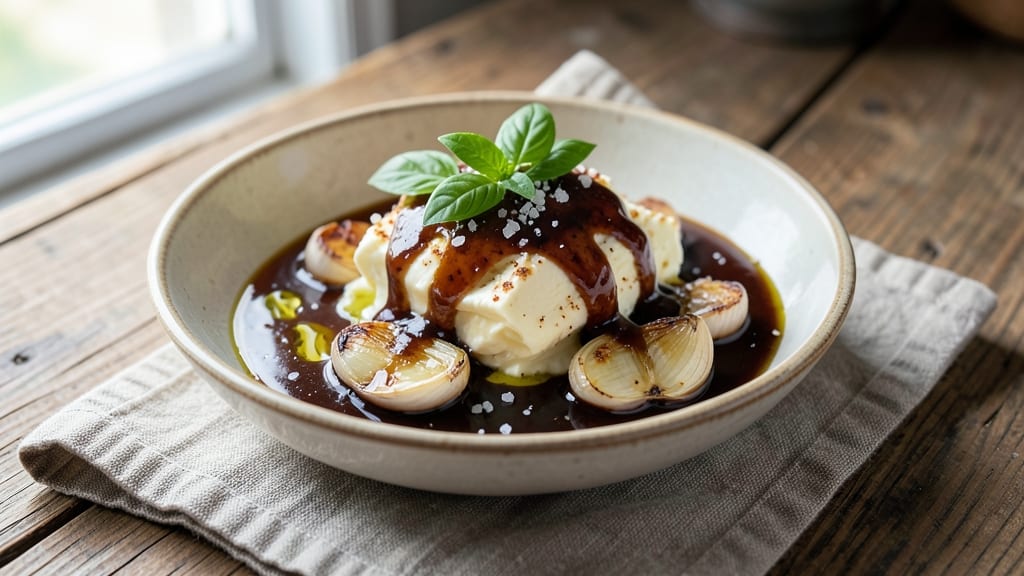
This balsamic butter sauce transforms ordinary meals into something extraordinary with just a few simple ingredients. The perfect balance of sweet, tangy, and rich flavors comes together in minutes, creating a versatile drizzle that elevates pasta, grilled meats, and even fresh bread.
I developed this recipe after years of perfecting the art of balancing balsamic reduction with creamy butter—no more store-bought shortcuts needed.
The secret lies in the balsamic reduction, which adds depth and complexity without overpowering the buttery richness. You’ll need just three core ingredients—softened butter, balsamic vinegar, and a pinch of salt—to create a sauce that’s both elegant and effortless.
Optional additions like garlic or fresh herbs can customize it to your taste, but the base recipe is foolproof for any occasion.
What makes this sauce truly special is its versatility. Drizzle it over warm pasta for an instant upgrade, toss it with grilled chicken or steak for a restaurant-worthy finish, or spread it on toasted baguette slices for a gourmet appetizer.
The sauce keeps well in the fridge for up to a week, making it perfect for meal prep or last-minute entertaining.
Once you try this balsamic butter sauce, you’ll never go back to bottled versions. The process is simple, the results are impressive, and the flavor is undeniably addictive. Let’s get started—your next meal is about to get a serious flavor boost.
Ingredients for balsamic butter sauce
Three core ingredients transform into a luxurious drizzle that elevates every dish effortlessly.
| Ingredient | Amount | Notes |
|---|---|---|
| Unsalted Butter 🧈 | ½ cup | Softened but not melted |
| Balsamic Vinegar 🍷 | ¼ cup | Aged balsamic preferred |
| Diamond Crystal Kosher Salt 🧂 | ¼ tsp | Adjust to taste |
| Garlic Cloves 🧄 | 2 cloves | Minced, optional but recommended |
| Fresh Basil Leaves 🌿 | ⅛ cup | Chopped, optional garnish |
| Extra-Virgin Olive Oil 🫒 | 1 tbsp | For thinning if needed |
The butter is non-negotiable here—unsalted gives you full control over the salt level. Grab a European-style butter like Plugrá if you want extra richness, but any good-quality unsalted works. Balsamic vinegar can make or break this sauce, so aged balsamic vinegar (not the sweet cooking kind) is a must. I always buy mine from the Italian section at Whole Foods—it’s worth the splurge. The garlic and basil are optional but take this from good to restaurant-quality. Fresh basil is ideal, but dried will work in a pinch at half the amount.
No garlic? Skip it entirely—the sauce still shines. Balsamic vinegar too strong? Add a splash of extra-virgin olive oil to mellow it out. Salt preferences vary, so taste as you go. For a smoother texture, blend the sauce briefly—though I prefer the rustic look of a whisked finish. Want more depth? Add a pinch of black pepper or a dash of red pepper flakes. This sauce is incredibly forgiving, so don’t stress over perfection.
Store leftovers in an airtight container in the fridge for up to 1 week. The flavors actually improve overnight as everything melds. For longer storage, freeze in 1-tablespoon portions—perfect for quick drizzles. Reheat gently in the microwave or on the stovetop, adding a splash of water or olive oil if it thickens too much. I always make extra—it disappears faster than you’d think.
Why You'll Love This Recipe
- Five-Ingredient Magic: I swear, this sauce is the kind of recipe where you’ll wonder why you ever bothered with anything more complicated. Just melt butter, simmer in vinegar, and crush garlic—no fancy techniques, no stress.
- Umami Bomb: That first bite of garlic-infused butter with the tangy balsamic reduction? It’s like a flavor explosion in your mouth. The basil ties it all together with a fresh finish that makes every dish taste like you spent hours in the kitchen.
- Weeknight Swiss Army Knife: Slather it on grilled chicken, toss it with roasted veggies, or drizzle it over pasta—it’s my go-to for when I need something quick but still feels special. Honestly, I’ve used it for everything from steak to toasted bread, and it never lets me down.
- No-Waste Wonder: Between us, this sauce lasts for days in the fridge, and the leftovers? Even better the second time around. I’ll be real: I often make a double batch just to have it on hand for lazy nights or last-minute dinner guests.
Step-by-step instructions for balsamic butter sauce
This rich, velvety sauce comes together in minutes with just a few simple techniques.
Melt the Butter and Reduce the Vinegar
In a small saucepan, melt the 0.5 cup unsalted butter over medium-low heat, stirring occasionally until completely liquid but not browned. You'll see it transform from solid to glossy, with tiny bubbles forming around the edges. This gentle heat ensures the butter doesn't burn while developing its nutty aroma.
Once the butter is fully melted, remove the pan from heat and carefully whisk in the 0.25 cup balsamic vinegar. Return the pan to medium heat and let the mixture simmer gently for 5-7 minutes, stirring frequently. You're looking for the vinegar to reduce by about half, transforming from its sharp tang into a thick, syrupy consistency with deep caramel notes. The sauce should coat the back of a spoon and smell intensely sweet with just a hint of acidity.
Add Garlic and Season with Salt
With the sauce still simmering, add the 2 minced garlic cloves and stir for 30-45 seconds until fragrant but not browned. Garlic burns quickly, so keep a close eye on it—you want that sweet, aromatic punch without any bitterness creeping in. The moment you catch the kitchen filling with garlic's perfume, it's ready.
Reduce heat to low and sprinkle in the 0.25 teaspoon diamond crystal kosher salt, whisking until fully dissolved. Taste the sauce at this stage—it should balance sweetness, acidity, and just a touch of saltiness. If you find it needs more salt, add it gradually. This is your flavor foundation, so don't rush this adjustment.
Incorporate Olive Oil for Silky Texture
Remove the saucepan from heat and let the mixture cool slightly for 1-2 minutes. Then, slowly drizzle in the 1 tablespoon extra-virgin olive oil while whisking continuously. The olive oil lightens the sauce's texture, preventing it from becoming too heavy while adding a subtle fruity depth. You'll notice the sauce transform from thick and syrupy to a luxurious, coatable consistency—perfect for drizzling.
For an extra touch of freshness, fold in the 0.125 cup chopped fresh basil leaves at this stage. The basil's bright, herbal notes cut through the richness of the butter and vinegar, creating a perfect balance. If you're using this sauce immediately, you can skip the basil until serving—it's optional but highly recommended for that restaurant-quality finish.
Adjust Consistency and Serve Warm
If the sauce is too thick for your liking, return it to low heat and whisk in 1 teaspoon water at a time until you reach your desired consistency. The sauce should be smooth enough to drizzle elegantly over pasta or grilled meats without clumping. For a thinner sauce, you might need up to 2 tablespoons total, but go slowly—you can always thicken it again later if needed.
Serve the sauce immediately while warm, as its flavors meld best when fresh. Drizzle generously over linguine with grilled shrimp, seared steak, or warm crusty bread for an instant flavor upgrade. The sauce will keep in the refrigerator for up to 5 days in an airtight container, though I find it's best enjoyed within the first 24 hours for peak flavor and texture.
Pro Tips For Making Balsamic Butter Sauce
- Simmer Slowly: After burning two batches of butter with vinegar, I learned to keep the heat low—like, barely there. The sauce should bubble gently, not sizzle aggressively, or you’ll end up with a bitter, charred mess instead of that glossy, balanced flavor.
- Toast the Garlic: Minced garlic burns faster than you think. Sauté it in a dry pan for 30 seconds until fragrant but not browned—just enough to wake up the flavor without turning it bitter. Then toss it into the butter before adding vinegar.
- Reduce Vinegar First: Skip the direct mixing and reduce the balsamic vinegar by half first—simmer it in a small saucepan until it thickens to a syrupy consistency. This cuts the harsh acidity and makes the sauce richer, so you don’t need to add extra butter to balance it.
- Pulse the Basil: Whole basil leaves look pretty but taste like nothing. Give them a quick pulse in a food processor (or chop them finely) to release their oils—just enough to blend into the butter without turning it into pesto. (Yes, even if you’re impatient like me.)
Dietary considerations for this balsamic butter sauce
Gluten-Free Friendly
The beauty of this balsamic butter sauce is that it's naturally gluten-free—no hidden wheat or barley lurking in the ingredients. The base of aged balsamic vinegar and unsalted butter ensures there's no risk of cross-contamination from flour or thickeners.
I always double-check labels on my balsamic vinegar (like the one from Whole Foods Italian section) to confirm it's certified gluten-free, but most high-quality brands are safe. For extra peace of mind, keep your utensils and saucepan dedicated to gluten-free cooking. 🌱
Dairy-Free Adaptations
For those avoiding dairy, you can easily swap the butter for olive oil or a vegan butter alternative like Miyoko's. Use ½ cup olive oil instead of the butter and reduce the balsamic vinegar to ¼ cup to maintain balance. The texture will be lighter, but the sweet-tangy profile stays intact. I've tested this version with avocado oil too—it adds a subtle nutty note that pairs beautifully with grilled vegetables. Just
Low-Sugar Options
If you're watching sugar intake, opt for reduced-sugar balsamic vinegar (like Bragg's) or a balsamic glaze with less added sugar. You can also reduce the vinegar slightly to ¼ cup and compensate with 1 teaspoon maple syrup for depth. The aged balsamic vinegar already has natural sweetness, so this adjustment keeps the sauce rich without spiking blood sugar. For an extra boost, add 1 teaspoon lemon juice to brighten the flavor without sugar. 🍯
Nut-Free Kitchen
This sauce is inherently nut-free, but always check your butter and olive oil labels if you have severe allergies. Some European-style butters or flavored oils might contain trace nuts. For added safety, use a dedicated nut-free kitchen toolkit when preparing.
The recipe's simplicity makes it easy to control allergens—just stick to the core ingredients and avoid cross-contamination with nut butters or toppings. 🚫🌰
Vegetarian & Vegan
As mentioned earlier, the sauce is naturally vegetarian and can be easily adapted for vegan diets by substituting butter with olive oil or vegan butter. For a richer texture, blend ¼ cup silken tofu into the warm sauce—it mimics butter's creaminess perfectly.
The garlic and basil add depth without any animal products, making this a versatile sauce for plant-based meals. I've used this version with mushroom risotto and grilled eggplant—it's a game-changer for meat-free menus. 🌱
Nutrition facts
Frequently asked questions
Can I make this balsamic butter sauce ahead of time?
This sauce actually tastes better after resting. Store it in an airtight container in the fridge for up to 5 days. The flavors meld beautifully overnight, making it perfect for meal prep. Reheat gently in the microwave or on the stovetop, adding a splash of water or olive oil if it thickens too much.
What's the best way to thin out thick balsamic butter sauce?
If your sauce is too thick, whisk in 1 teaspoon water at a time while warming it gently. For a smoother drizzle, add 1 tablespoon olive oil or a splash of warm broth. Avoid adding too much liquid at once—you can always thicken it again later by simmering off excess moisture.
Can I substitute regular balsamic vinegar for aged?
While you can use regular balsamic vinegar, aged balsamic gives the sauce its signature depth and sweetness. For a quick fix, reduce ½ cup regular balsamic vinegar to ¼ cup first by simmering it for 5-7 minutes until syrupy. This mimics the aged flavor profile better than using it straight from the bottle.
What are the best dishes to drizzle this sauce over?
This versatile sauce elevates everything! Try it over grilled steak, seared scallops, warm crusty bread, or linguine pasta. It also works beautifully on roasted Brussels sprouts or as a finishing sauce for creamy polenta. The key is to serve it warm for the best flavor experience.
Why did my sauce separate when I reheated it?
This happens when the butter solidifies during cooling. Simply whisk the sauce vigorously over low heat until smooth. For extra insurance, reheat it in short bursts of 10-15 seconds in the microwave, stirring between each interval. The olive oil in the recipe helps prevent separation, but gentle reheating is always the best solution.