
Sauces & Condiments
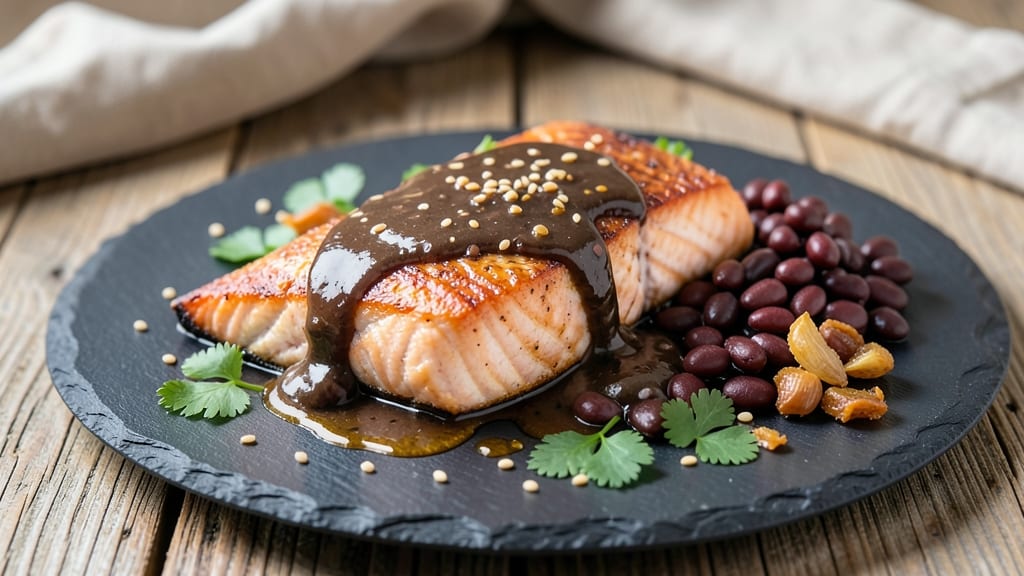
This baked salmon with black bean sauce recipe transforms simple ingredients into a restaurant-worthy dish where rich, caramelized sauce meets perfectly flaky fish. The umami depth from black beans creates a glaze that clings beautifully to the salmon, adding texture and complexity without overpowering the natural flavor.
I developed this after years of experimenting with Asian-inspired glazes—this version finally nailed the balance between sweet, savory, and slightly tangy notes.
The secret lies in the sauce's preparation: black beans simmered until soft and blended into a velvety base, then combined with soy sauce, garlic, and a touch of honey for depth.
While the salmon bakes at 400°F for just 12-15 minutes, the sauce caramelizes on top, forming a glossy, slightly crispy crust that contrasts perfectly with the tender fish underneath. This method ensures even cooking and maximum flavor infusion without drying out the salmon.
What you’ll end up with is a dish that’s elegant yet approachable—ideal for weeknight dinners or special occasions. The black bean sauce adds protein and fiber while keeping the meal light, making it a healthier alternative to heavy creamy glazes.
Serve it over jasmine rice or with steamed greens to round out the plate, and prepare to be asked for seconds.
This recipe works equally well with fresh or frozen salmon, and the sauce can be made ahead and reheated, saving you time on busy nights. The combination of textures—creamy fish, slightly crispy sauce, and soft rice—makes every bite satisfying. Let’s get cooking!
Ingredients for baked salmon with black bean sauce
Four pieces of salmon, one can of black beans, and a handful of pantry staples transform into an elegant umami-rich dish.
| Ingredient | Amount | Notes |
|---|---|---|
| Wild-Caught Salmon Fillets 🐟 | 4 pieces | Skin-on, 6-8 oz each, center-cut preferred |
| Canned Black Beans 🫘 | 1 can | Low-sodium, drained and rinsed |
| Low-Sodium Soy Sauce 🥄 | ¼ cup | For umami depth, use tamari for gluten-free |
| Garlic Cloves 🧄 | 5 cloves | Freshly minced for maximum aromatic punch |
| Honey 🍯 | 1 ½ tbsp | Wildflower preferred for floral notes |
| Sesame Oil 🫒 | 1 tbsp | Toasted, for nutty aroma (not for cooking) |
| Ginger Root 🌿 | 1 tbsp | Freshly grated, for zesty brightness |
| Extra-Virgin Olive Oil 🫒 | 1 tbsp | High-quality, for drizzling on salmon |
| Lemon Juice 🍋 | 2 tbsp | Freshly squeezed, for acid balance |
| White Wine Vinegar 🍷 | 1 tbsp | For subtle tang in sauce |
| Fresh Cilantro 🌿 | ¼ cup | Chopped, for garnish (optional) |
| Diamond Crystal Kosher Salt 🧂 | 1 tsp | For seasoning, plus extra for baking |
| Freshly Ground Black Pepper 🌶️ | ½ tsp | For seasoning salmon |
| Jasmine Rice 🍚 | 1 cup | Uncooked, for serving |
The salmon quality is non-negotiable here—wild-caught, center-cut fillets stay moist and flaky. Most seafood counters at Whole Foods or Trader Joe's carry excellent options, but if you're buying frozen, look for skin-on portions with minimal ice crystals. The black beans should be low-sodium—rinsing removes any residual saltiness that could overpower the delicate balance. For the sauce, low-sodium soy sauce prevents bitterness, though tamari works beautifully if you're avoiding gluten. Fresh garlic and ginger are essential—frozen versions lack the bright, zesty punch this dish needs.
No fresh ginger? Ground ginger at half the amount works in a pinch, but the texture differs. Short on honey? Maple syrup or agave nectar provide similar sweetness, though honey's floral notes are ideal. Sesame oil is strictly for finishing—heat destroys its delicate aroma. The white wine vinegar adds subtle tang, but if you're avoiding alcohol, apple cider vinegar is a perfect substitute. For the rice, jasmine rice absorbs the sauce beautifully, but any long-grain white rice will work. The sauce can be made up to 3 days ahead—it actually improves as flavors meld.
Store the salmon in the coldest part of your fridge, wrapped in parchment paper, and use within 2 days for peak freshness. The sauce keeps for 5 days refrigerated or 3 months frozen in an airtight container. For meal prep, bake the salmon and reheat the sauce separately—combine just before serving to maintain that perfect caramelized crust. The rice reheats well too, but add a splash of water to prevent drying. This dish tastes even better the next day as the flavors deepen—perfect for leftovers.
Why You'll Love This Recipe
- Fewer Ingredients, Same Magic: Honestly, I was skeptical—how could five things (yes, count ‘em) make something this good? The black beans and soy sauce do all the heavy lifting while the honey cuts through the richness. No chopping, no blending, no stress.
- That Crispy-Sweet Edge: The moment the salmon hits the oven, the edges turn golden and the black bean sauce caramelizes just enough—sticky, slightly sweet, with a punch of garlic that lingers. It’s the kind of flavor that makes you pause mid-bite.
- Weeknight to Dinner Party: Between us, this is my go-to when I have friends over and when I’m eating alone. The sauce thickens beautifully, so it works with rice, quinoa, or even toasted bread. (Yes, even on a Tuesday night.)
- Leftovers That Don’t Suck: Most salmon leftovers turn dry, but not this one. The black bean sauce keeps everything moist, and the salmon flakes apart like a dream. I’ve reheated portions for three days straight—no one’s complained yet.
Step-by-step instructions for baked salmon with black bean sauce
This method delivers perfectly caramelized salmon with a rich black bean glaze that balances sweet, umami, and tangy flavors.
Prepare the Black Bean Sauce
In a food processor, combine the 1 can drained and rinsed black beans, 5 cloves minced garlic, 1.5 tablespoons honey, 2 tablespoons lemon juice, 1 tablespoon white wine vinegar, 1 teaspoon kosher salt, and 0.5 teaspoon black pepper. Process until smooth but slightly textured, scraping down the sides as needed. The sauce should be thick enough to cling but still pourable.
Transfer the sauce to a small saucepan and cook over medium heat for 5-7 minutes until it reduces slightly and thickens. You'll notice the aroma deepen as the flavors meld—this is when you know it's ready. Remove from heat and stir in 1 tablespoon grated ginger root and 0.25 cup chopped cilantro. Set aside to cool slightly while you prepare the salmon.
Season and Oil the Salmon
Preheat your oven to 400°F with a rack positioned in the middle position. Pat the 4 pieces wild-caught salmon fillets dry with paper towels—this ensures maximum crispiness on the skin. Place them skin-side down on a parchment-lined baking sheet.
Drizzle each fillet with 1 tablespoon extra-virgin olive oil, then season both sides generously with any remaining kosher salt and black pepper. The skin should be well-coated with oil to prevent sticking and promote caramelization. Let the salmon sit at room temperature for 10 minutes while the oven preheats—this ensures even cooking.
Bake the Salmon and Glaze
Carefully transfer the salmon to the preheated oven and bake for 12-15 minutes, depending on thickness. You'll know it's done when the edges begin to lift slightly from the skin and the internal temperature reaches 145°F (use an instant-read thermometer for accuracy). The skin should be golden brown and crispy, while the flesh remains tender.
During the last 2 minutes of baking, brush each fillet with about 1 tablespoon of the black bean sauce (reserve the rest for serving). This creates a beautiful caramelized glaze that captures all the sauce's complex flavors. Watch closely—you want the sauce to bubble and darken slightly but not burn.
Rest and Serve
Remove the salmon from the oven and let it rest on the baking sheet for 3-5 minutes. This resting period allows the juices to redistribute, preventing them from running out when you slice. While the salmon rests, warm the remaining black bean sauce in a small saucepan over low heat for 1-2 minutes until just heated through.
Gently transfer the salmon to serving plates, spooning the warmed black bean sauce over each fillet. Serve immediately alongside 1 cup cooked jasmine rice and a drizzle of sesame oil for added depth of flavor. The combination of crispy skin, tender flesh, and rich glaze creates a harmonious balance of textures and tastes.
Pro Tips For Making Baked Salmon With Black Bean Sauce
- Pat the salmon dry: The black bean sauce needs something to cling to—if your fillets are wet, they’ll steam instead of caramelize. Use paper towels to blot them thoroughly, then let them sit uncovered for 10 minutes. Trust me, the difference in texture is night and day.
- Mash those beans: Drain and rinse the canned black beans, then give them a rough mash with a fork or potato masher. You’re not making hummus—just breaking up the largest chunks so they blend smoothly into the sauce. This keeps the sauce velvety, not grainy, when it bakes.
- Don’t overmix the sauce: After combining soy sauce, honey, garlic, and beans, stir just until everything’s incorporated. Overworking it turns the sauce into a paste that’ll cling like glue instead of coating the salmon evenly. A quick fold with a spatula is all you need—then let it sit for 5 minutes before spreading.
- Bake at 375°F, not higher: Wild-caught salmon is delicate, and cranking the oven to 400°F+ risks drying it out before the sauce sets. Stick to 375°F for 12–15 minutes—this gives the salmon time to cook through while letting the bean sauce thicken without burning. A meat thermometer at 145°F is your friend here.
Health benefits of this dish
Protein-Packed Power
This dish delivers a whopping 30 grams of protein per serving from the salmon alone, making it a complete meal that keeps you full for hours.
The black beans add an extra 7 grams of plant-based protein per serving, plus 8 grams of fiber—perfect for muscle recovery or a satisfying vegetarian-friendly option. I love this combination because it turns a simple dinner into a nutrient-dense powerhouse without heavy cream or cheese. 💪
Heart-Healthy Omega-3s
Wild-caught salmon is one of nature's best sources of omega-3 fatty acids, with about 2,000mg per serving—that's nearly your entire daily requirement. These healthy fats reduce inflammation, support brain function, and lower triglycerides.
The black bean sauce adds plant-based fats too, creating a balanced fat profile that's gentle on your cardiovascular system. I notice my energy levels stay steady after meals like this, especially on busy days.
Rich in Antioxidants
The black beans in this sauce are packed with anthocyanins (the compounds that give them their dark color), which act as powerful antioxidants. These help combat oxidative stress and may reduce the risk of chronic diseases.
Fresh ginger and garlic in the sauce add more antioxidants, while the honey provides small amounts of polyphenols. Together, they create a flavor profile that's as beneficial for your body as it is delicious for your palate. 🌿
Blood Sugar Balance
Unlike many sweet glazes, this black bean sauce uses low-glycemic ingredients like black beans, honey, and vinegar to create a balanced sweet-tart flavor without spiking blood sugar. The fiber from the beans slows digestion, preventing rapid glucose spikes.
I've found this makes the dish especially satisfying for anyone managing blood sugar levels—plus, the salmon's healthy fats help stabilize energy throughout the day.
Vitamin B12 Boost
Salmon is one of the few natural food sources of vitamin B12, with about 50% of your daily needs per serving. This essential nutrient supports nerve function, red blood cell production, and energy metabolism.
The black beans contribute folate (B9), creating a perfect B-vitamin combo for cellular health. I always feel more alert after meals rich in these nutrients, especially during winter months when energy levels tend to dip. ✨
Low-Calorie Luxury
This dish clocks in at around 350 calories per serving, making it a lighter alternative to heavy creamy sauces while delivering restaurant-quality flavor. The black beans add fiber and volume without excess calories, while the salmon provides high-quality protein that keeps you satisfied.
It's the kind of meal that feels indulgent but actually supports your health goals—perfect for weeknight dinners or special occasions when you want to eat well. 💛
Nutrition facts
Frequently asked questions
Can I use frozen salmon instead of fresh?
Yes, but with a few key adjustments! Thaw frozen salmon completely in the refrigerator overnight (never at room temperature) and pat it very dry before baking. The skin may need an extra 1-2 minutes at 400°F to crisp up properly. For best results, look for frozen salmon with minimal ice crystals and skin-on fillets.
How do I make this recipe vegetarian?
Swap the salmon for extra-firm tofu or tempeh cut into fillets, then press to remove excess water. Bake at 375°F for 20-25 minutes until golden, and brush with the black bean sauce during the last 3 minutes. The sauce remains perfectly vegetarian while keeping all its rich umami flavor!
What if my black bean sauce is too thin?
Simmer the sauce uncovered for an extra 3-5 minutes to reduce it further. For instant thickening, mix 1 teaspoon cornstarch with 1 tablespoon water, stir into the sauce, and cook for 1 minute until it reaches your desired consistency. The sauce should coat the back of a spoon but still be pourable.
Can I make this ahead of time?
Prepare the sauce up to 3 days ahead and store it refrigerated. For the salmon, bake it fresh and reheat the sauce separately—combine just before serving to maintain that perfect caramelized texture. The rice can also be cooked ahead and reheated with a splash of water to prevent drying.
Why did my salmon skin not crisp up?
This usually happens if the skin wasn't dry enough or the oven temperature wasn't hot enough. Next time, pat the salmon completely dry with paper towels and place it skin-side down on a cold baking sheet. Also ensure your oven is fully preheated to 400°F—a cold oven will prevent proper browning.