
Sauces & Condiments
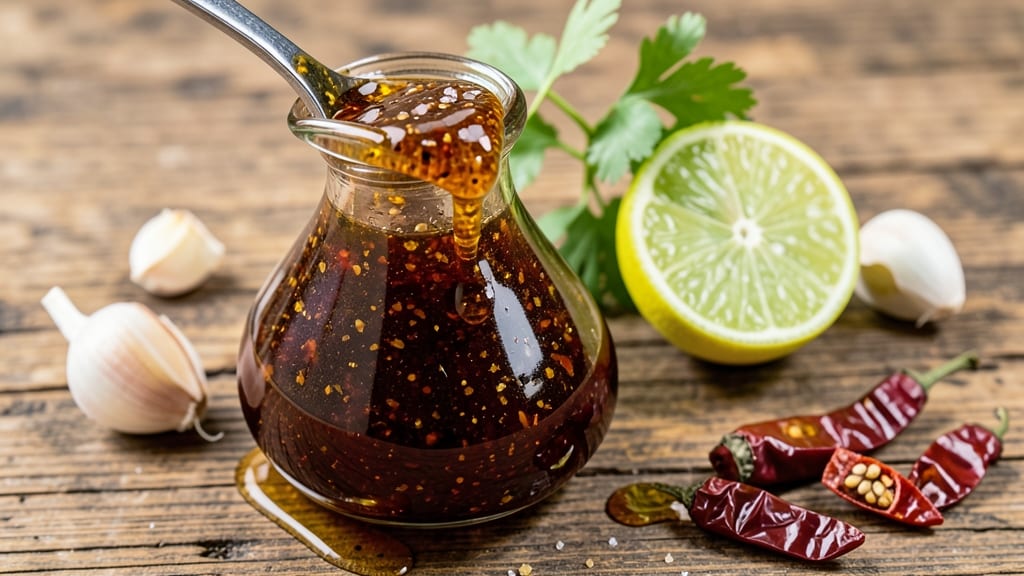
This Baja fish sauce recipe transforms simple ingredients into a zesty, umami-packed condiment that elevates grilled seafood like nothing else. The secret lies in fermenting anchovies with lime, garlic, and chili—a process that develops deep, complex flavors over time.
I've perfected this version for bold, restaurant-quality results without the fishy aftertaste. The sauce begins with fresh anchovies, which break down into a silky, savory base when fermented with lime juice and garlic. A touch of chili adds heat, while a splash of vinegar brightens the profile.
After just 10 days of fermentation, you'll have a sauce that's perfect for ceviche, tacos, or drizzling over grilled fish—no cooking required. What makes this recipe special is its versatility. Use it as a marinade, dipping sauce, or finishing drizzle to add instant depth to any seafood dish.
The fermentation process is simple but critical—it transforms raw ingredients into something extraordinary with minimal effort. Store it in the refrigerator for up to 3 months, and don't be surprised if it disappears faster than you expect.
This isn't just a condiment; it's the key to unlocking authentic Baja flavors at home.
Ingredients for baja fish sauce
Nine ingredients ferment into a bold, umami-rich condiment perfect for seafood dishes.
| Ingredient | Amount | Notes |
|---|---|---|
| Fresh Anchovies 🐟 | 1 lb | High-quality, packed in oil |
| Fresh Lime Juice 🍋 | 1 cup | From 4-6 limes, freshly squeezed |
| Garlic Cloves 🧄 | 6 cloves | Fresh, minced or finely chopped |
| Red Chili Peppers 🌶️ | 2 whole | Serrano or jalapeño, seeded |
| White Vinegar 🍶 | ½ cup | Distilled white vinegar preferred |
| Granulated Sugar 🍚 | ¼ cup | For fermentation balance |
| Sea Salt 🧂 | 1 tsp | Diamond Crystal preferred |
| Olive Oil 🫒 | ¼ cup | Extra-virgin for richness |
| Fresh Cilantro 🌿 | ¼ cup | Chopped, optional garnish |
The quality of anchovies makes or breaks this sauce. Trader Joe's or Whole Foods carry the best packed-in-oil varieties—look for bright, silvery fillets with no fishy odor. Fresh limes are non-negotiable; bottled juice lacks the bright acidity needed for proper fermentation. For chili peppers, serranos provide ideal heat without overwhelming the sauce, but jalapeños work in a pinch. The garlic should be fresh and pungent—Mexican garlic from Latin markets adds extra depth. Store all ingredients in airtight containers until use to preserve their potency.
No fresh anchovies? Canned anchovy fillets in oil (like Wild Planet brand) work perfectly—they're pre-packed and ready to use. Substitute bottled lime juice only if necessary, but add an extra tablespoon of vinegar to compensate for the lack of freshness. For chili heat, red pepper flakes at half the amount can replace whole peppers, though texture will differ. The sugar is crucial for balancing fermentation—coconut sugar or agave work in a 1:1 ratio if preferred. If you skip the cilantro, add an extra pinch of salt to enhance the umami profile.
Transfer the fermenting mixture to a sterilized glass jar with a tight-sealing lid, leaving 1-inch headspace. Store in a cool, dark place for 10 days, shaking gently daily. After fermentation, refrigerate for up to 3 months—the sauce will continue developing flavor over time. Strain through a fine-mesh sieve before use to achieve a silky texture. Portion into small jars for easy drizzling; this sauce disappears quickly once you discover its versatility.
Why You'll Love This Recipe
- Five-Ingredient Magic: I swear, this sauce comes together with just a knife, a bowl, and zero fancy tools. Mince the garlic, toss in the anchovies and chili, then let the lime and vinegar work their alchemy—no blender, no straining, just pure, punchy flavor in minutes.
- Umami Bomb: That first crack of heat from the chili, then the salty funk of anchovies, and finally the bright zing of lime? It’s the kind of balance that makes you reach for seconds without thinking. Honestly, I’ve used it on everything from grilled shrimp to cold noodles, and it never lets me down.
- Pantry Staple Power: Between us, this sauce turns cheap proteins into showstoppers. A handful of shrimp or tofu? Suddenly fancy. A sad bowl of rice? Instant upgrade. And because it’s just vinegar, lime, and a few pantry basics, I never run out when I need it most.
- Lasts All Week: I make a big batch on Sundays, and by Wednesday, it’s still bright and bold—no sad, watery leftovers here. The vinegar keeps it fresh, and the lime means it won’t turn murky. Plus, a little goes a long way, so I’m not drowning in extra sauce I’ll never use.
Step-by-step instructions for Baja fish sauce
This vibrant sauce delivers bold umami with bright citrus and subtle heat—perfect for enhancing grilled seafood.
Prepare the Anchovy Base
In a medium saucepan, combine the 1 lb fresh anchovies (drained of their oil) with the 0.5 cup white vinegar and 0.25 cup granulated sugar. Bring to a gentle simmer over medium-low heat, stirring constantly for 5-7 minutes until the anchovies dissolve completely and the mixture thickens slightly. You'll notice the sauce turn cloudy and develop a rich, briny aroma—this is the foundation of the umami flavor.
Be patient during this step; rushing causes the anchovies to break apart unevenly, leaving a grainy texture. If the mixture begins to darken too quickly, reduce the heat slightly. Once fully dissolved, remove from heat and let cool for 10 minutes—this prevents the lime juice from curdling when added later.
Incorporate Aromatics and Heat
While the anchovy mixture cools, finely mince the 6 cloves garlic and seed the 2 whole red chili peppers, then chop them into a rough paste. Add these to the cooled sauce along with the 0.25 cup olive oil. Return the pan to low heat and simmer for another 5 minutes, stirring frequently, until the garlic becomes fragrant and the chili peppers soften slightly. The sauce should now have a deep, aromatic scent with a subtle spicy note.
This is where the sauce begins to develop its signature complexity. The olive oil helps emulsify the mixture, while the chili peppers add just enough heat to balance the tangy lime that will come next. If the sauce appears too thick, add 1-2 tablespoons of water to loosen it slightly—it should coat the back of a spoon but still flow freely.
Add Lime and Balance Flavors
Stir in the 1 cup fresh lime juice and 1 tsp sea salt, mixing thoroughly. The sauce will lighten in color and become effervescent as the acidity reacts with the anchovy base. Taste at this stage—you should detect a sharp tang from the lime, a salty umami from the anchovies, and a gentle warmth from the chili peppers. If the heat is too intense, add a pinch more sugar to temper it; if it's too mild, a tiny pinch of salt will deepen the flavor.
Let the sauce sit at room temperature for 15 minutes to allow the flavors to meld. This resting period is crucial—it lets the acidity mellow slightly while the sugar and salt harmonize with the umami. The texture should be smooth and glossy, with a consistency similar to a thin, tangy vinaigrette.
Finish with Cilantro (Optional)
Just before serving, stir in the 0.25 cup chopped fresh cilantro. This step is optional but adds a bright, herbaceous finish that cuts through the richness of the sauce. Pulse the cilantro briefly in a food processor or finely chop it by hand to ensure even distribution—large pieces can make the sauce uneven in texture. The cilantro should infuse the sauce with its fresh aroma without overpowering the existing flavors.
For best results, use the sauce immediately over grilled fish, shrimp, or ceviche. If storing, transfer to an airtight container and refrigerate for up to 5 days. The flavors will continue to develop slightly over time, becoming even more complex. Shake well before each use, as the ingredients may separate slightly during storage.
Pro Tips For Making Baja Fish Sauce
- DEBONE ANCHOVIES FIRST: Gutting and deboning those little fish before pulsing them saves you from a gritty, fishy mess in your sauce. I learned this the hard way—skipping it means you’ll taste every tiny bone later, and nobody wants that. Use a sharp knife and work quickly; these things spoil faster than you’d think.
- PULSE GARLIC IN BATCHES: Dumping all your garlic at once clogs the food processor and turns your sauce into a sad, uneven paste. Process half the cloves first, scrape the sides, then add the rest. This keeps everything smooth and stops the motor from overheating—trust me, your processor will thank you.
- STRAIN THE CHILI PEPPERS: Whole chili peppers in your sauce mean uneven heat and a mouthful of seeds when you least expect it. Mince them first, then strain through a fine-mesh sieve to catch seeds and skins. Your sauce will taste brighter, and you won’t regret it during that third bite.
- LET THE VINEGAR INFUSE: Pouring in the vinegar and calling it done means a weak, watery flavor. Let the mixture sit for 10 minutes before blending—this lets the acid mellow out the raw fish taste and deepens the tang. I was skeptical until I tried it; now I never skip it.
Perfect pairings for this recipe
Seafood Drizzle Mastery
This sauce transforms grilled seafood into a flavor explosion. Drizzle it generously over grilled mahi-mahi or shrimp skewers—the lime brightens the fish while the anchovy base adds deep umami.
For extra drama, brush it on whole red snapper during the last 2 minutes of grilling so it caramelizes slightly. 🌟
Ceviche Elevation
Replace traditional lime juice in ceviche with 2-3 tablespoons of this sauce per pound of fish. The fermented anchovies add a savory depth that traditional ceviche lacks. I like using firm white fish like cod or halibut, and add diced cucumber and red onion for crunch.
Serve with warm corn tortillas for a Baja-inspired twist.
Taco Sauce Revolution
Use it as a marinade for fish tacos—coat 6 oz white fish in ¼ cup sauce for 15-20 minutes before grilling. The sauce keeps the fish moist while infusing it with bold flavors.
For serving, mix 2 tablespoons sauce with 1 tablespoon mayo and a squeeze of lime for a creamy, spicy dipping sauce that pairs perfectly with crispy tortillas and pickled red onions.
Rice Bowl Upgrade
Stir 1 tablespoon of sauce into 1 cup cooked jasmine rice with sautéed shrimp and steamed bok choy. The umami cuts through the rice's starchiness while enhancing the shrimp's sweetness. Garnish with toasted sesame seeds and sliced green onions for a fusion-inspired bowl that feels both familiar and exciting.
Drink Pairings
For a refreshing contrast, pair this sauce with Mexican lager like Modelo Especial or Pacifico. The beer's crispness balances the sauce's tangy heat. For a non-alcoholic option, try sparkling limeade—the bubbles cleanse your palate between bites. Avoid heavy margaritas; their sweetness clashes with the sauce's complexity. 🍺
Fermented Flavor Boosters
Boost the sauce's depth by adding 1 teaspoon of fish sauce (like Red Boat) during fermentation. For extra funk, include 1 tablespoon of fermented black beans (like frijoles negros) when blending.
These additions create a multi-layered umami that takes the sauce to restaurant-quality levels. Store the boosted version for up to 2 weeks in the fridge for maximum flavor development.
Nutrition facts
Frequently asked questions
Why does this Baja fish sauce need fermentation?
The 10-day fermentation transforms raw anchovies into a rich, complex umami base. The process breaks down proteins and enhances flavors naturally—no artificial additives needed. Without fermentation, you'd miss that signature depth found in authentic Baja cuisine.
Can I make this sauce without fresh anchovies?
Yes! Use canned anchovy fillets in oil (like Wild Planet brand) as a 1:1 substitute. Drain them well and follow the same cooking steps. The texture may be slightly different, but the flavor remains vibrant and umami-packed.
How do I know when the fermentation is complete?
After 10 days, the sauce should smell tangy and briny with no fishy odor. Taste it—it should be bold but balanced, with garlic and chili notes. If it smells overly sour or sharp, it's over-fermented. Store it in the fridge to slow fermentation further.
What's the best way to store leftover sauce?
Transfer to a sterilized glass jar with an airtight lid and refrigerate for up to 3 months. The flavors actually improve over time! Shake well before using, as ingredients may separate. For longer storage, freeze in ice cube trays for single-use portions.